Mesgarankarimi Amirhossein, Rezapour Maryam, Tabrizi Nasim
MAZUMS, Sari, Iran.
Psychosomatic Medicine Department, MAZUMS, Sari, Iran.
J Med Case Rep. 2025 Apr 2;19(1):151. doi: 10.1186/s13256-025-05149-7.
Pernicious anemia, an autoimmune disease, presents with gradual, nonspecific symptoms, often leading to delayed diagnosis owing to its overlap with other conditions and variability in laboratory findings, such as neurological symptoms without anemia or macrocytosis.
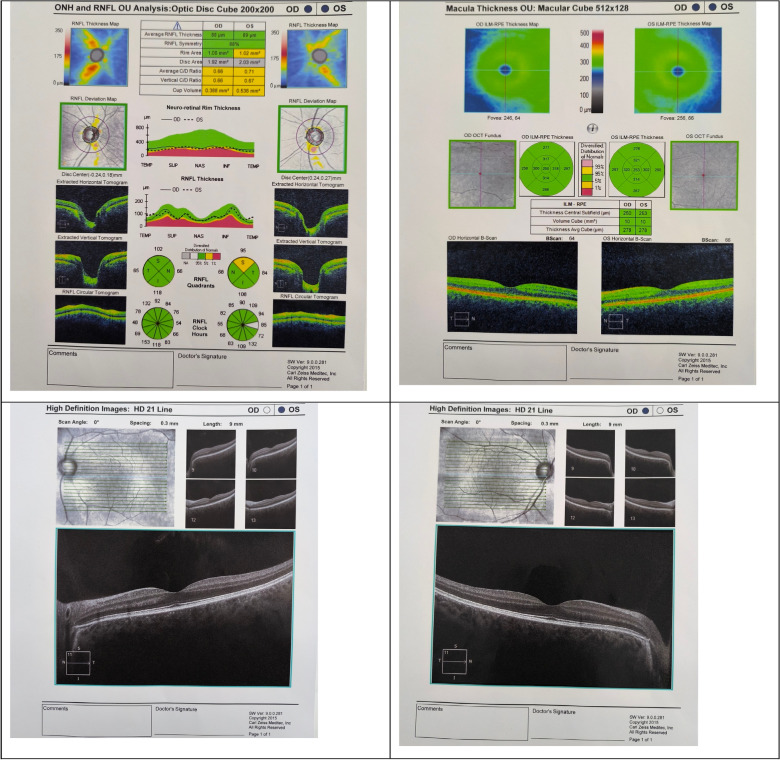
This case describes a 40-year-old Iranian woman with a decade-long history of nonspecific symptoms, including fatigue, widespread musculoskeletal pain, paresthesia, cognitive disturbances, and optic neuritis; misattributed to conditions such as fibromyalgia, hypothyroidism, and autoimmune diseases. Despite annual monitoring for normocytic anemia, her critically low vitamin B12 levels (< 150 pg/mL) and a diagnosis of pernicious anemia were identified only after persistent symptoms prompted further evaluation, revealing atrophic gastritis as the underlying cause. Neurologic improvement with parenteral B12 therapy, alongside management of fibromyalgia, emphasizes the importance of considering vitamin B12 deficiency even in the absence of classic hematologic findings.
This case highlights the diagnostic challenges of pernicious anemia, where nonspecific symptoms and overlapping comorbidities obscure diagnosis, underscoring the need for a systematic, multidisciplinary approach and timely recognition of vitamin B12 deficiency to prevent irreversible complications.
恶性贫血是一种自身免疫性疾病,症状逐渐出现且不具特异性,由于其与其他病症的重叠以及实验室检查结果的变异性,如无贫血或大细胞性贫血的神经症状,常导致诊断延迟。
本病例描述了一名40岁的伊朗女性,有长达十年的非特异性症状病史,包括疲劳、广泛的肌肉骨骼疼痛、感觉异常、认知障碍和视神经炎;这些症状被误诊为纤维肌痛、甲状腺功能减退和自身免疫性疾病等。尽管每年都对正常细胞性贫血进行监测,但直到持续症状促使进一步评估后,才发现她的维生素B12水平极低(<150 pg/mL)并诊断为恶性贫血,揭示萎缩性胃炎为潜在病因。经肠胃外维生素B12治疗后神经症状改善,同时对纤维肌痛进行管理,这强调了即使没有典型血液学表现也需考虑维生素B12缺乏的重要性。
本病例突出了恶性贫血的诊断挑战,非特异性症状和重叠的合并症掩盖了诊断,强调需要采用系统的多学科方法并及时识别维生素B12缺乏以预防不可逆的并发症。