Stojanovic Marija, Agrawal Devendra K
Department of Translational Research, Western University of Health Sciences, Pomona, California 91766, USA.
Institute of Medical Physiology "Richard Burian", Faculty of Medicine, University of Belgrade, 11000 Belgrade, Serbia.
J Bioinform Syst Biol. 2025;8(1):17-28. Epub 2025 Feb 20.
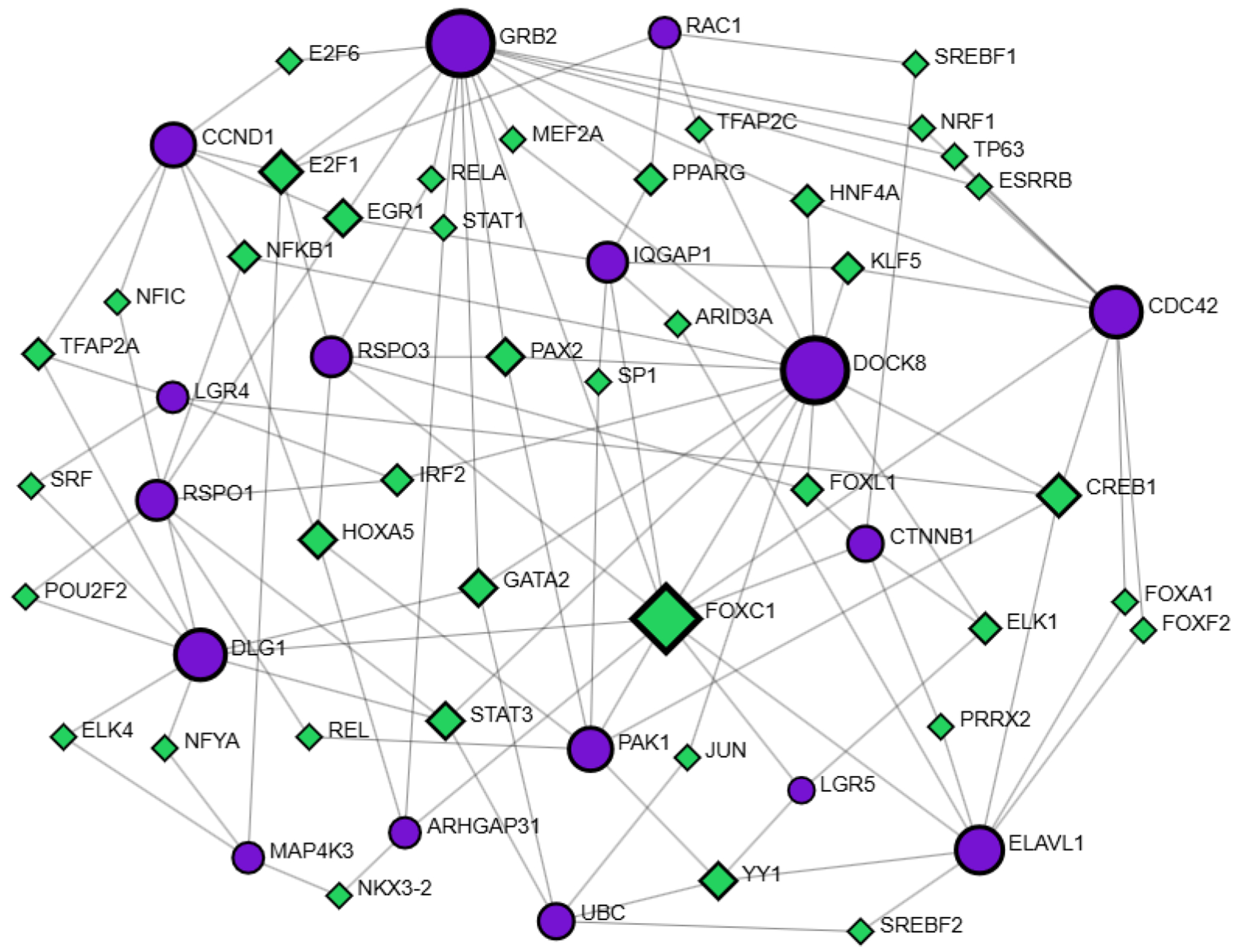
As a member of the rat sarcoma virus homolog (Rho) guanosine triphosphatases (GTPases) family, Cdc42 represents a "switch" molecule, by changing from inactive (GDP-associated) to active form (GTP-associated) and vice versa. Cdc42 is activated by the guanine nucleotide exchange factors (GEFs), in contrast to GTPase-activating proteins (GAPs) which are responsable for formation of GDP-binding, inactive form of Cdc42. Some of the fundamental cellular functions are regulated by Cdc42 such as cytosceleton dynamics, cell cycling, transcription and cellular trafficking. In the gastrointestinal system, Cdc42 participates in maintenance of the functional epithelial barrier by controling intestinal epithelial cell polarity and interconnections. In addition, Cdc42 expression in pancreatic β-cells is of great importance for glucose-stimulated insulin secretion. From the pathophysiological point of view, literature data provide some evidence for Cdc42 sigaling in inflammatory bowel disease, as well as in hyperglycemic conditions related to diabetes mellitus. However, whether and by which mechanism Cdc42 contributes to the IBD patophysiology in hyperglycemic conditions is still not fully understood. Therefore, we performed bioinformatics analysis to predict transcriptional factor-gene interactions related to Cdc42 signaling in inflammatory bowel disease in hyperglycemic conditions. In silico analysis predicts various interactions between input genes and output transcriptional factors, and therefore reveals the molecules with the highest predicted effect on particular genes. Based on the predictive interactions with the intracellular molecules, carefully designed or studies are required to get better insight in the pathways of interest. Better understanding of Cdc42 molecular pathway in inflammatory bowel disease and hyperglycemia will help identifying potential targets for therapeutical modifications in clinical setting resulting in better control of the disease progression.
作为大鼠肉瘤病毒同源物(Rho)鸟苷三磷酸酶(GTPases)家族的成员,Cdc42是一种“开关”分子,通过从无活性(与GDP结合)形式转变为活性形式(与GTP结合),反之亦然。与负责形成GDP结合的、无活性形式的Cdc42的GTPase激活蛋白(GAPs)相反,Cdc42由鸟嘌呤核苷酸交换因子(GEFs)激活。一些基本的细胞功能受Cdc42调节,如细胞骨架动力学、细胞周期、转录和细胞运输。在胃肠道系统中,Cdc42通过控制肠上皮细胞极性和连接参与功能性上皮屏障的维持。此外,Cdc42在胰腺β细胞中的表达对于葡萄糖刺激的胰岛素分泌非常重要。从病理生理学角度来看,文献数据为Cdc42信号在炎症性肠病以及与糖尿病相关的高血糖状态中提供了一些证据。然而,Cdc42在高血糖状态下如何以及通过何种机制促成炎症性肠病的病理生理学仍未完全了解。因此,我们进行了生物信息学分析,以预测高血糖状态下炎症性肠病中与Cdc42信号相关的转录因子 - 基因相互作用。计算机分析预测输入基因和输出转录因子之间的各种相互作用,从而揭示对特定基因预测影响最大的分子。基于与细胞内分子的预测相互作用,需要精心设计实验或研究,以更好地了解感兴趣的途径。更好地理解炎症性肠病和高血糖症中Cdc42分子途径将有助于确定临床环境中治疗性修饰的潜在靶点,从而更好地控制疾病进展。