Fu Jingmin, Liu Zhuolin, Feng Zhiying, Huang Jiawang, Shi Jianing, Wang Kangyu, Jiang Xuelian, Yang Jiaxin, Ning Yi, Lu Fangguo, Li Ling
College of Traditional Chinese Medicine, Hunan University of Chinese Medicine, Xueshi 300 Road, Changsha, Hunan, 410208, PR China.
College of Integrated Traditional Chinese and Western Medicine, Hunan University of Chinese Medicine, Xueshi Road 300, Changsha, Hunan, 410208, PR China.
J Nanobiotechnology. 2025 Apr 4;23(1):270. doi: 10.1186/s12951-025-03331-z.
Acute lung injury (ALI) is a severe respiratory disease accompanied by diffuse inflammatory responses induced by various clinical causes. Many fresh medicinal plants have shown better efficacy than their dried forms in preventing and treating diseases like inflammation. As a classical Chinese herb, platycodon grandiflorum (PG) has been demonstrated effective in treating pneumonia, but most of previous studies focused on the efficacy of processed or dried PG formats, while the specific benefits of its fresh form are still underexplored. Exosome-like nanoparticles derived from medicinal plants are expected to point out an important direction for exploring the material basis and mechanism of this fresh herbal medicine.
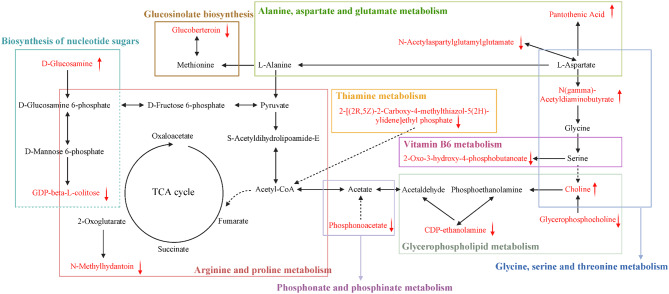
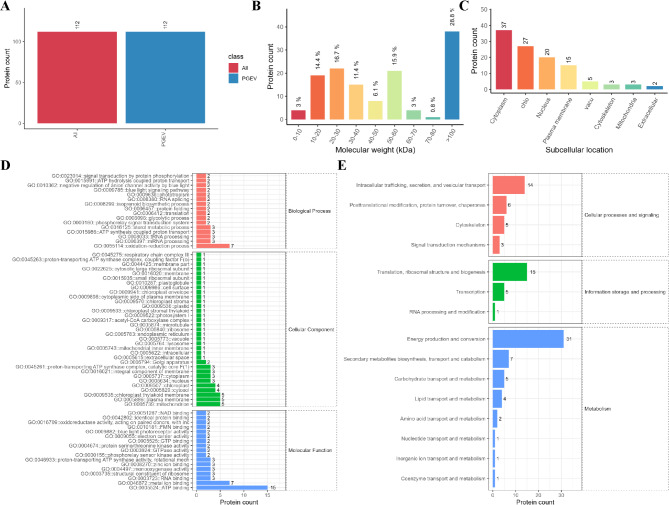
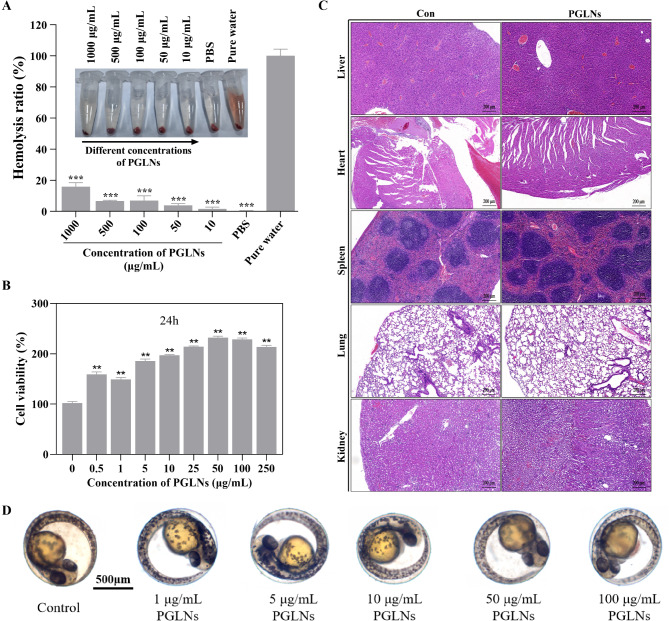
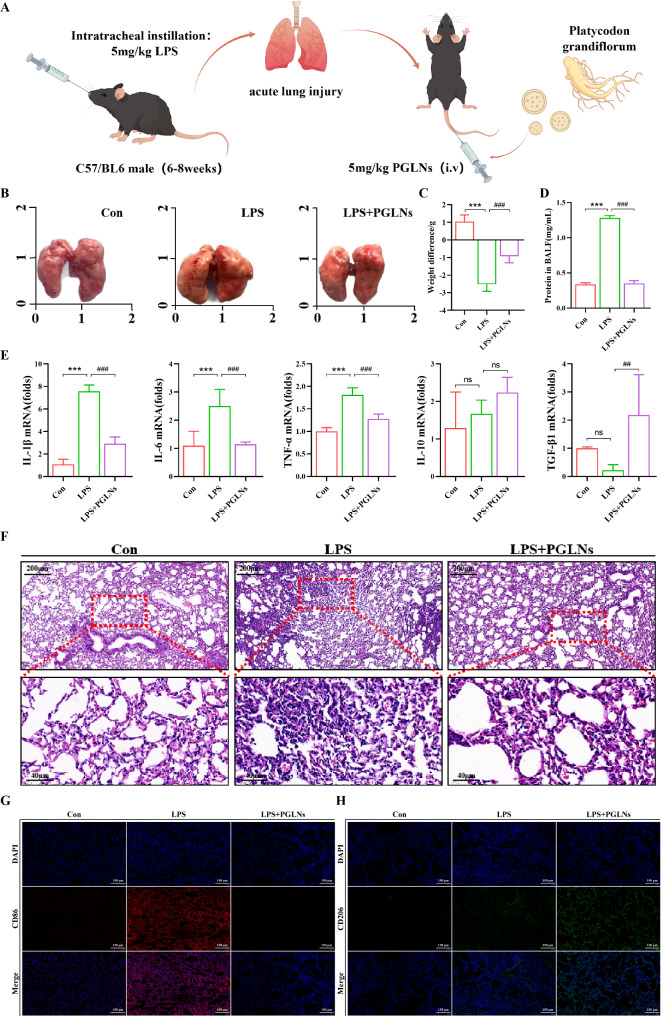
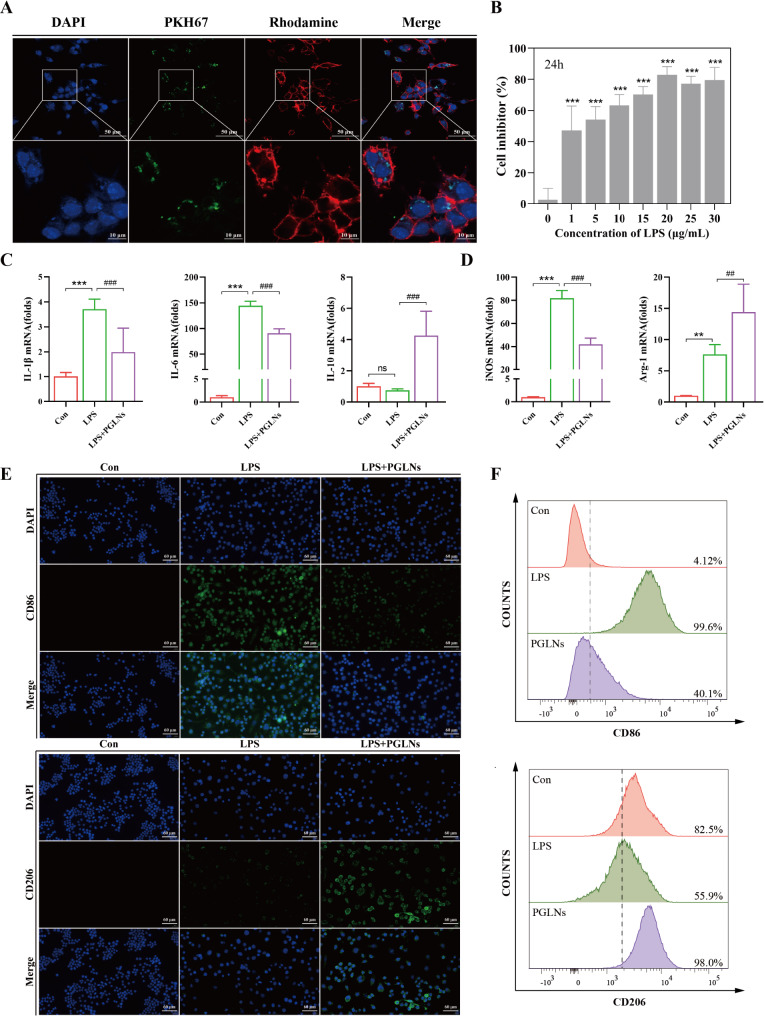
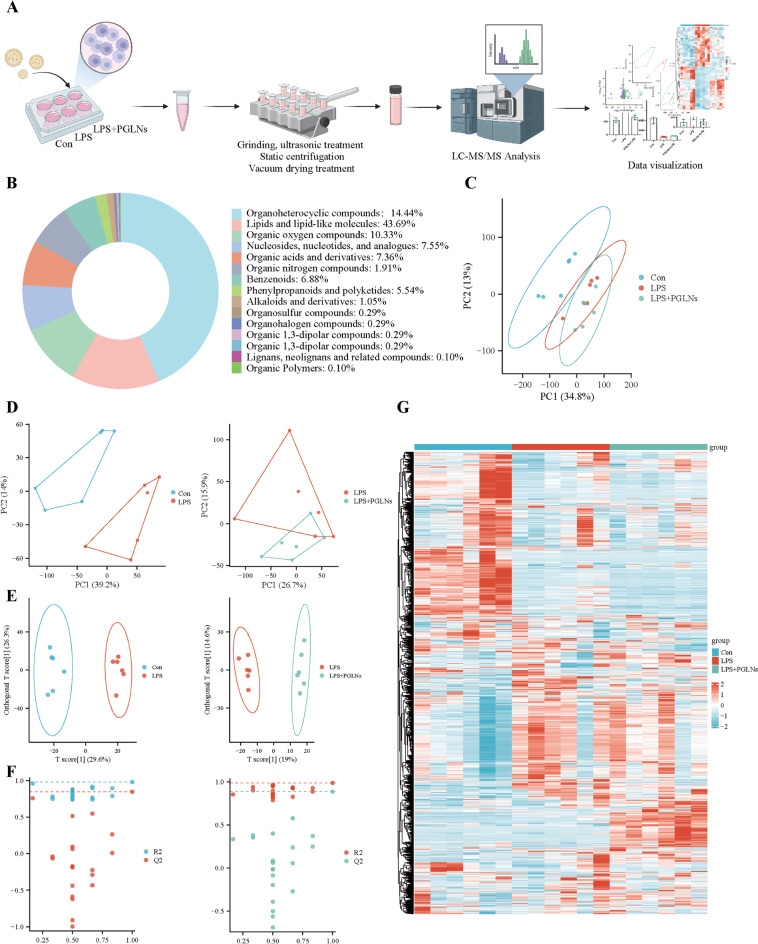
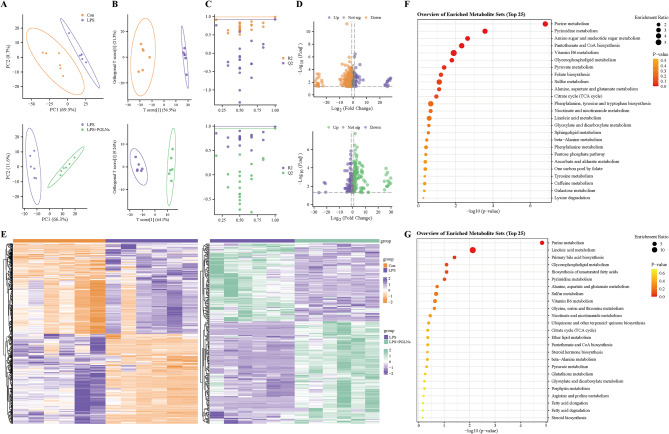
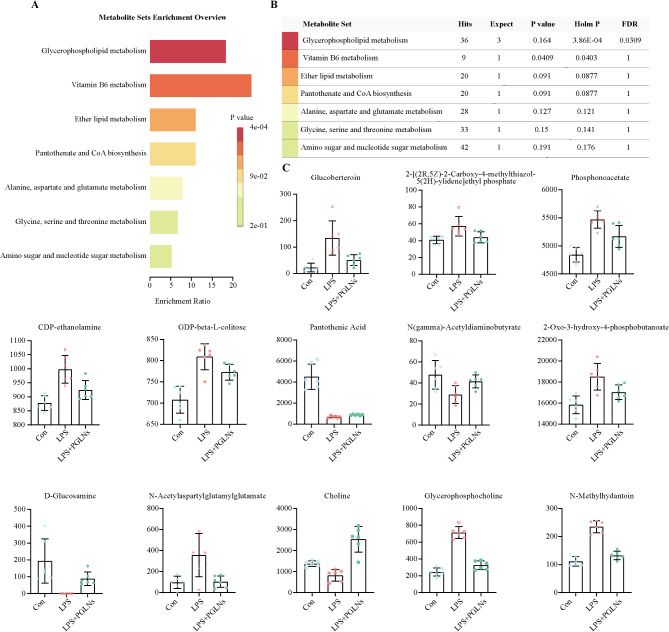
The fresh form of PG could effectively improve ALI induced by lipopolysaccharide (LPS), relieve lung histopathological injury and weight loss, and reduce levels of inflammatory factors in mice, exhibiting better efficacy than dried PG in the treatment of ALI. Further extraction and purification of PG exosome-like nanoparticles (PGLNs) demonstrated that PGLNs had good biocompatibility, with characteristics consistent with general exosome-like nanoparticles. Besides, proteomic analysis indicated that PGLNs were rich in a variety of proteins. Animal experiments showed that PGLNs improved the pathological changes in LPS-induced lung tissues, inhibited the expression of inflammatory factors and promoted the expression of anti-inflammatory factors, and exerted a regulatory effect on the polarization of lung macrophages. Cell experiments further confirmed that PGLNs could be effectively taken up by RAW264.7 cells and repolarize M1 macrophages into M2 type, therefore reducing the secretion of harmful cytokines. Moreover, non-targeted metabolomics analysis reveals that PGLNs reduce inflammation and control macrophage polarization in a manner closely linked to pathways including glycolysis and lipid metabolism, highlighting a potential mechanism by which PGLNs protect the lungs from inflammatory damage like ALI.
Fresh PG has better anti-inflammatory and repair effects than its dried form. As one of the most effective active substances in fresh PG, PGLNs may regulate macrophage inflammation and polarization by regulating metabolic pathways including lipid metabolism and glycolysis, so as to reduce inflammation and repair lung injury.
急性肺损伤(ALI)是一种严重的呼吸系统疾病,伴有由各种临床病因引起的弥漫性炎症反应。许多新鲜药用植物在预防和治疗炎症等疾病方面已显示出比其干燥形式更好的疗效。作为一种传统的中草药,桔梗已被证明对治疗肺炎有效,但以前的大多数研究集中在加工或干燥桔梗形式的疗效上,而其新鲜形式的具体益处仍未得到充分探索。源自药用植物的外泌体样纳米颗粒有望为探索这种新鲜草药的物质基础和作用机制指明重要方向。
桔梗新鲜形式可有效改善脂多糖(LPS)诱导的ALI,减轻肺组织病理损伤和体重减轻,并降低小鼠体内炎症因子水平,在治疗ALI方面显示出比干燥桔梗更好的疗效。对桔梗外泌体样纳米颗粒(PGLNs)的进一步提取和纯化表明,PGLNs具有良好的生物相容性,其特征与一般外泌体样纳米颗粒一致。此外,蛋白质组学分析表明PGLNs富含多种蛋白质。动物实验表明,PGLNs改善了LPS诱导的肺组织病理变化,抑制了炎症因子的表达并促进了抗炎因子的表达,并对肺巨噬细胞的极化发挥了调节作用。细胞实验进一步证实,PGLNs可被RAW264.7细胞有效摄取,并使M1巨噬细胞重新极化为M2型,从而减少有害细胞因子的分泌。此外,非靶向代谢组学分析表明,PGLNs以与包括糖酵解和脂质代谢在内的途径密切相关的方式减轻炎症并控制巨噬细胞极化,突出了PGLNs保护肺部免受ALI等炎症损伤的潜在机制。
新鲜桔梗比其干燥形式具有更好的抗炎和修复作用。作为新鲜桔梗中最有效的活性物质之一,PGLNs可能通过调节包括脂质代谢和糖酵解在内的代谢途径来调节巨噬细胞炎症和极化,从而减轻炎症并修复肺损伤。