
在一大群多发性硬化症患者中,促成临床-放射学分离的临床和磁共振成像特征。
Clinical and MRI features contributing to the clinico-radiological dissociation in a large cohort of people with multiple sclerosis.
作者信息
Ojha Abhineet, Tommasin Silvia, Piervincenzi Claudia, Baione Viola, Gangemi Emma, Gallo Antonio, d'Ambrosio Alessandro, Altieri Manuela, De Stefano Nicola, Cortese Rosa, Valsasina Paola, Tedone Nicolò, Pozzilli Carlo, Rocca Maria A, Filippi Massimo, Pantano Patrizia
机构信息
Department of Human Neurosciences, Sapienza University of Rome, Rome, Italy.
Unicamillus-Saint Camillus International University of Health Sciences, Rome, Italy.
出版信息
J Neurol. 2025 Apr 9;272(5):327. doi: 10.1007/s00415-025-12977-6.
BACKGROUND
People with Multiple Sclerosis (PwMS) often show a mismatch between disability and T2-hyperintense white matter (WM) lesion volume (LV), that in general is referred to as the clinico-radiological paradox.
OBJECTIVES
This study aimed to understand how an extensive clinical, neuropsychological, and MRI analysis could better elucidate the clinico-radiological dissociation in a large cohort of PwMS.
METHODS
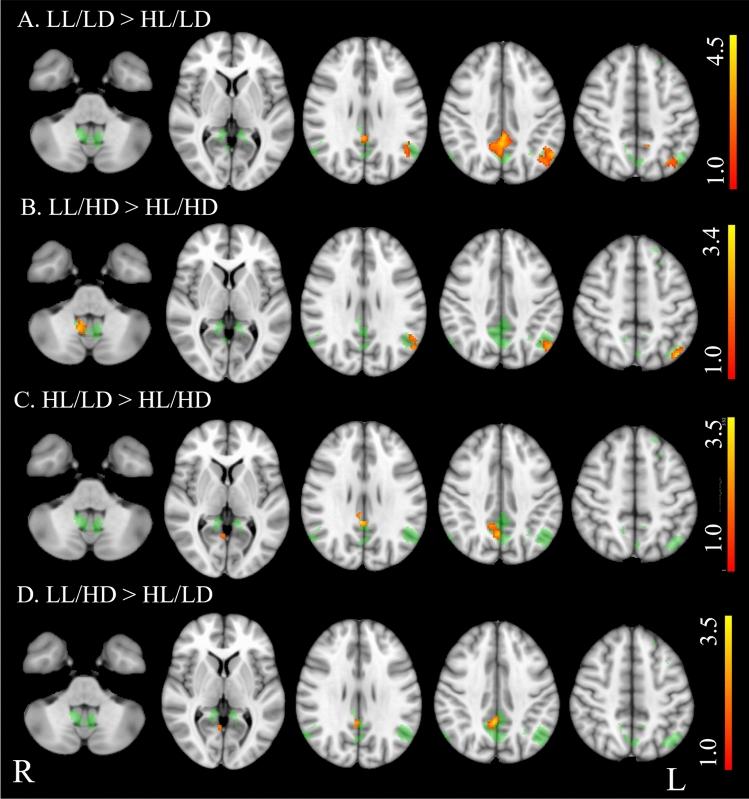
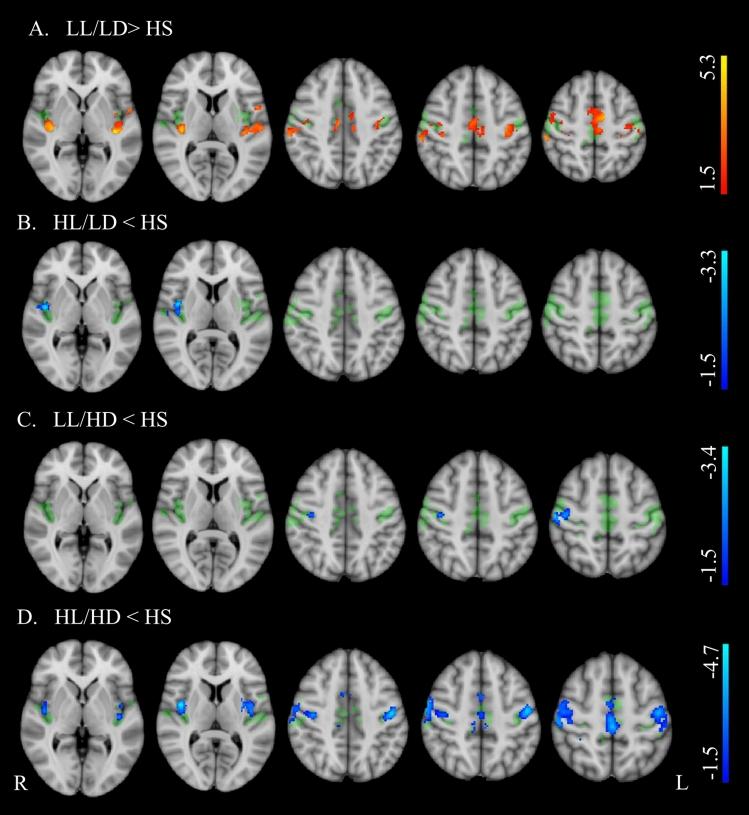
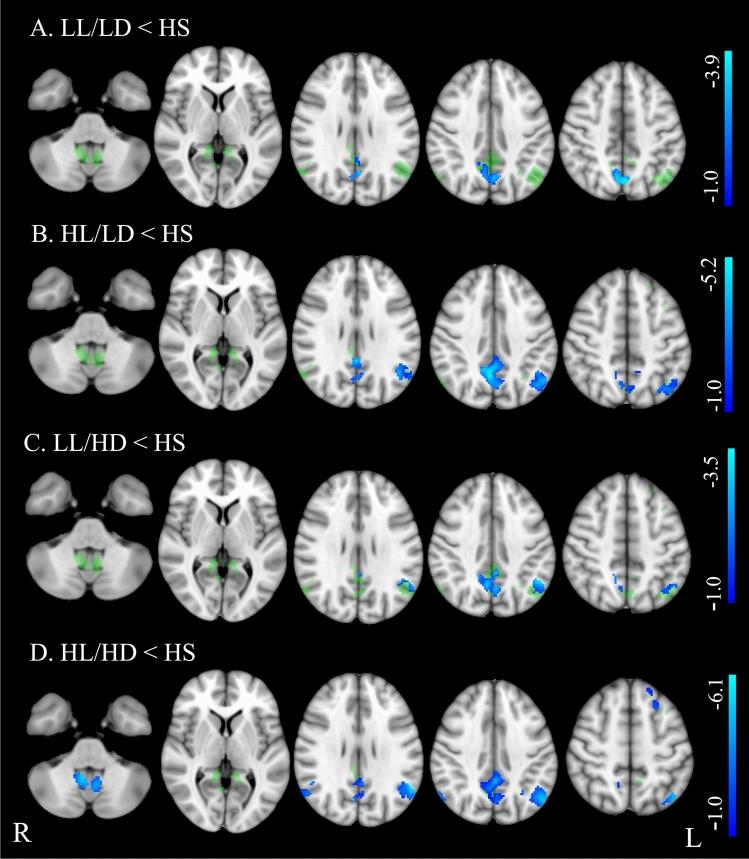
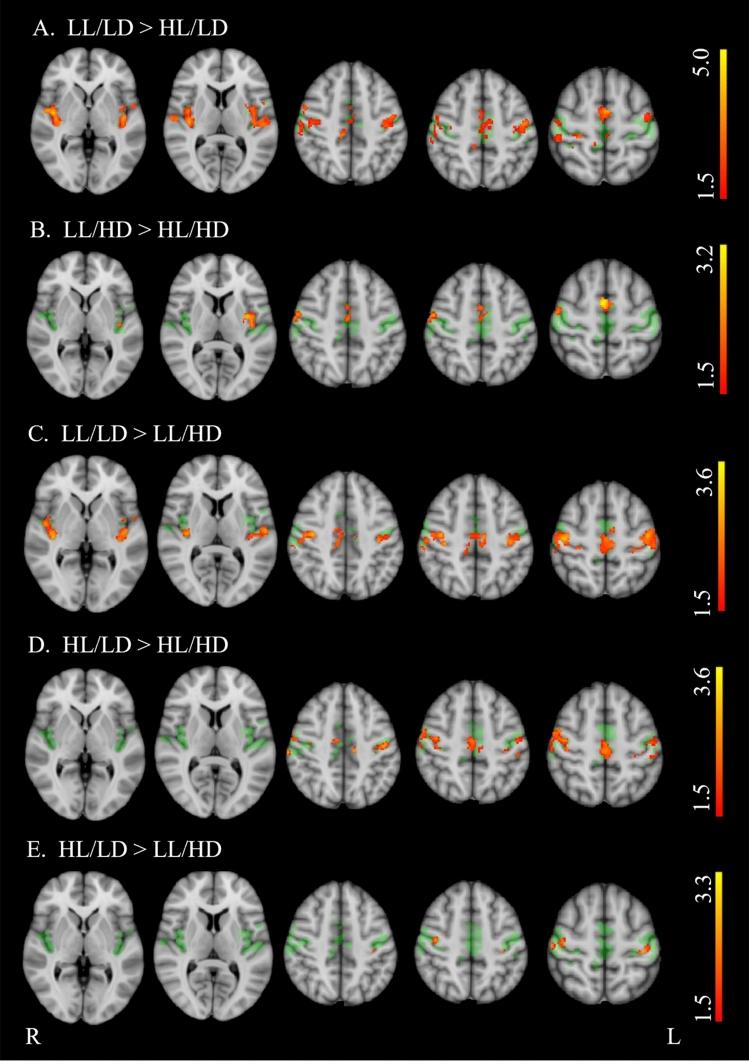
Clinical scores, such as Expanded Disability Status Scale (EDSS), 9 Hole Peg Test (9HPT), 25-foot Walking Test (25-FWT), Paced Auditory Serial Addition Test at 3 s (PASAT3), Symbol digit Modalities Test (SDMT), demographics, and 3 T-MRI of 717 PwMS and 284 healthy subjects (HS) were downloaded from the INNI database. Considering medians of LV and EDSS scores, PwMS were divided into four groups: low LV and disability (LL/LD); high LV and low disability (HL/LD); low LV and high disability (LL/HD); high LV and disability (HL/HD). MRI measures included: volumes of gray matter (GM), WM, cerebellum, basal ganglia and thalamus, spinal cord (SC) area, and functional connectivity of resting-state networks.
RESULTS
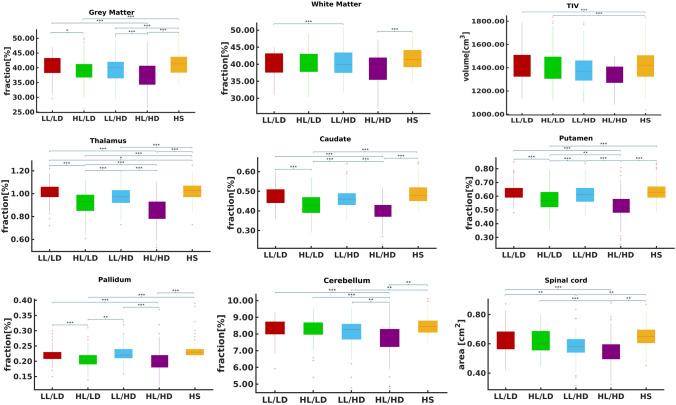
The clinico-radiological dissociation involved 36% of our sample. HL/LD showed worse SDMT scores and lower global and deep GM volumes than HS and LL/LD. LL/HD showed lower GM, thalamus, and cerebellum volumes, and SC area than HS, and lower SC area than LL/LD.
CONCLUSIONS
A more extensive clinical assessment, including cognitive tests, and MRI evaluation including deep GM and SC, could better describe the real status of the disease and help clinicians in early and tailored treatment in PwMS.
背景
多发性硬化症患者(PwMS)的残疾程度与T2高信号白质(WM)病变体积(LV)常常不匹配,这一现象通常被称为临床-放射学悖论。
目的
本研究旨在了解广泛的临床、神经心理学和MRI分析如何能更好地阐明一大群PwMS患者的临床-放射学分离情况。
方法
从INNI数据库下载了717例PwMS患者和284例健康受试者(HS)的临床评分,如扩展残疾状态量表(EDSS)、9孔插钉试验(9HPT)、25英尺步行试验(25-FWT)、3秒听觉连续加法试验(PASAT3)、符号数字模式试验(SDMT)、人口统计学数据以及3T-MRI数据。根据LV和EDSS评分的中位数,将PwMS患者分为四组:低LV和低残疾(LL/LD);高LV和低残疾(HL/LD);低LV和高残疾(LL/HD);高LV和高残疾(HL/HD)。MRI测量指标包括:灰质(GM)、WM、小脑、基底神经节和丘脑的体积、脊髓(SC)面积以及静息态网络的功能连接。
结果
临床-放射学分离涉及我们样本的36%。HL/LD组的SDMT评分比HS组和LL/LD组更差,全脑和深部GM体积更低。LL/HD组的GM、丘脑和小脑体积以及SC面积比HS组更低,且SC面积比LL/LD组更低。
结论
更广泛的临床评估,包括认知测试,以及包括深部GM和SC的MRI评估,能够更好地描述疾病的真实状况,并帮助临床医生对PwMS患者进行早期和个性化治疗。
 Zotero 插件