Kamgar Elham, Zembrzuska Joanna, Lorenc Wiktor, Kaykhaii Massoud
Department of General and Analytical Chemistry, Faculty of Chemical Technology, Institute of Chemistry and Technical Electrochemistry, Poznan University of Technology, Berdychowo 4, Poznan, 60-965, Poland.
Metrohm Poland Sp. z o.o, Centralna 27 Street, Opacz-Kolonia, 05-816, Poland.
BMC Chem. 2025 Apr 13;19(1):95. doi: 10.1186/s13065-025-01473-7.
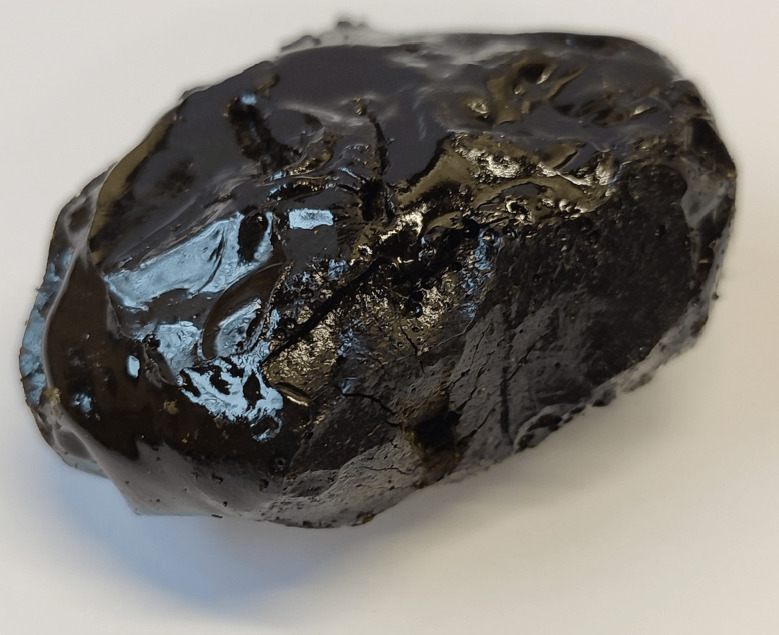
Shilajit, a natural substance with ancient medicinal roots, is increasingly used in modern supplements for its purported health benefits. However, there is a lack of comprehensive chemical characterization, particularly regarding inorganic anions. This study addresses this gap by quantifying common inorganic anions in 14 raw Shilajit samples sourced from Iran, India, Nepal, Kyrgyzstan, and Russia, as well as in 6 commercially available supplements from Poland, Russia, and Kyrgyzstan. Using ion chromatography, key anions including chloride, sulphate, nitrate, hydrogen phosphate, and fluoride were analyzed. Results revealed that chloride was the most prevalent anion, with concentrations ranging from 0.102 to 9.496 mg.g in raw Shilajit samples and up to 0.931 mg.g in supplements. Sulphate levels were significant, with concentrations up to 12.412 mg.g in raw Shilajit and 0.854 mg.g in supplements. Nitrate was detected in lower concentrations, peaking at 9.504 mg.g in raw Shilajit. Fluoride was quantifiable in only one sample at 0.064 mg.g. The study concludes that Shilajit's geographical origin significantly influences its anion composition, leading to variability in its potential health effects. These findings highlight the necessity for standardized formulations and stringent quality control measures in Shilajit supplement production to ensure consumer safety and product efficacy.
希拉季特是一种有着古老药用根源的天然物质,因其据称的健康益处而越来越多地被用于现代补充剂中。然而,目前缺乏全面的化学表征,尤其是关于无机阴离子方面。本研究通过对来自伊朗、印度、尼泊尔、吉尔吉斯斯坦和俄罗斯的14个原始希拉季特样本以及来自波兰、俄罗斯和吉尔吉斯斯坦的6种市售补充剂中的常见无机阴离子进行定量分析,填补了这一空白。采用离子色谱法分析了包括氯离子、硫酸根离子、硝酸根离子、磷酸氢根离子和氟离子在内的关键阴离子。结果显示,氯离子是最普遍的阴离子,在原始希拉季特样本中的浓度范围为0.102至9.496毫克/克,在补充剂中最高可达0.931毫克/克。硫酸根离子含量也较高,原始希拉季特中的浓度高达12.412毫克/克,补充剂中为0.854毫克/克。硝酸根离子的检测浓度较低,在原始希拉季特中峰值为9.504毫克/克。氟离子仅在一个样本中可定量,为0.064毫克/克。该研究得出结论,希拉季特的地理来源对其阴离子组成有显著影响,从而导致其潜在健康影响存在差异。这些发现凸显了在希拉季特补充剂生产中制定标准化配方和严格质量控制措施以确保消费者安全和产品功效的必要性。