Patnaik Rajashree, Varghese Riah Lee, Khan Sara, Huda Bintul, Bhurka Farida, Amiri Layla, Banerjee Yajnavalka
Department of Basic Medical Sciences, College of Medicine, Mohammed Bin Rashid University of Medicine and Health Sciences, Dubai Health, Dubai, United Arab Emirates.
Centre for Medical Education, School of Medicine, University of Dundee, Ninewells Hospital, Dundee, UK.
Transl Cancer Res. 2025 Mar 30;14(3):1531-1566. doi: 10.21037/tcr-24-1027. Epub 2025 Mar 27.
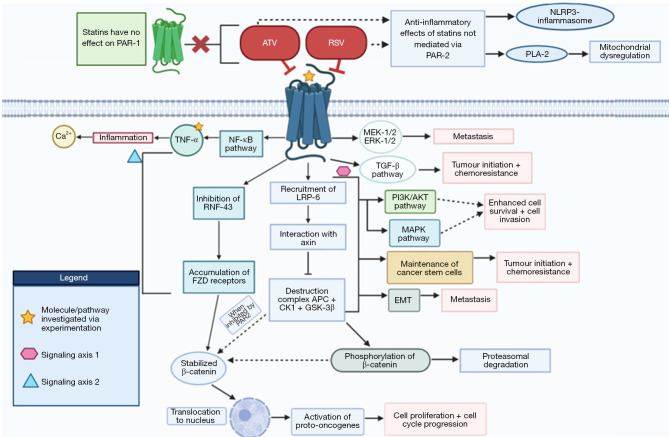
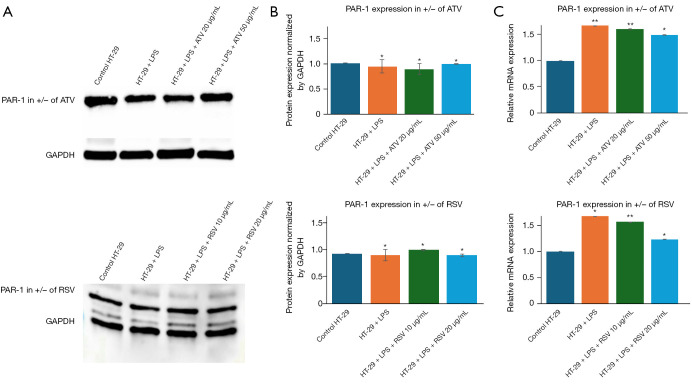
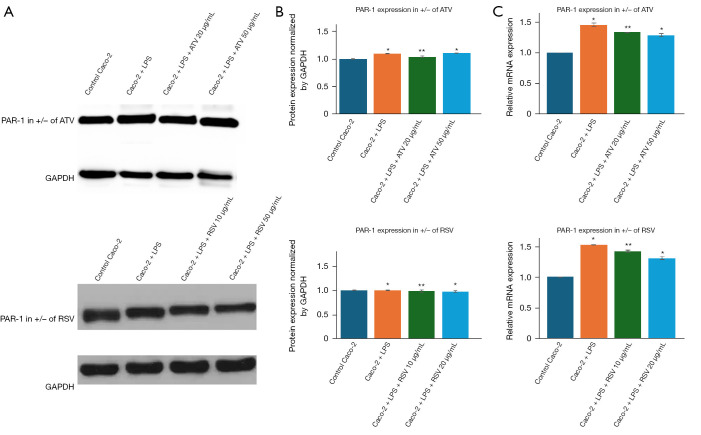
Colorectal cancer (CRC) is a growing health concern globally and in regions such as the United Arab Emirates, where risk factors like obesity and hyperlipidaemia are prevalent. Chronic inflammation, driven by pathways involving protease-activated receptor 2 (PAR-2), plays a pivotal role in CRC progression, creating a tumour-promoting microenvironment. The overexpression of PAR-2 has been associated with increased tumour aggressiveness and drug resistance. While previous studies have focused on broad inflammatory modulation, this study explores the selective targeting of PAR-2 by atorvastatin (ATV) and rosuvastatin (RSV), highlighting their specificity by assessing minimal impact on PAR-1 expression, which serves as a control.
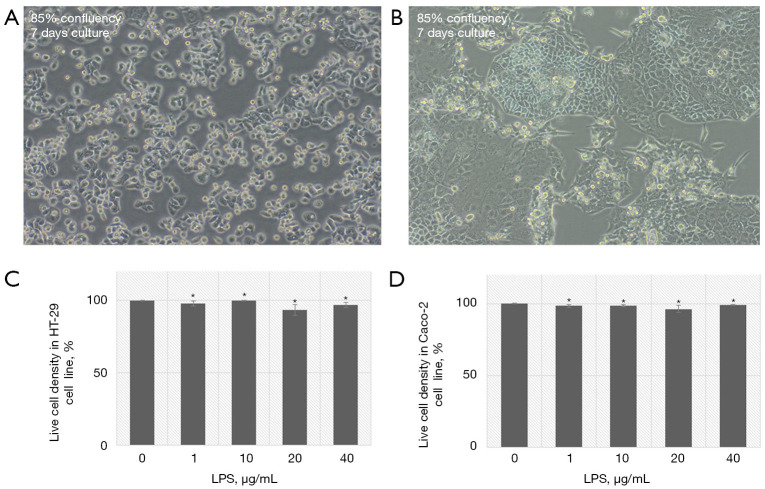
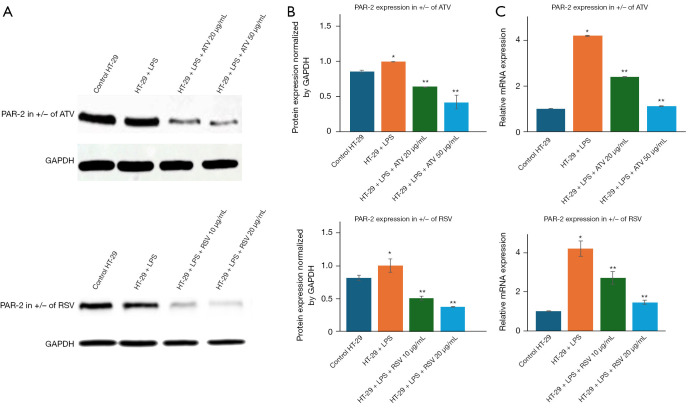
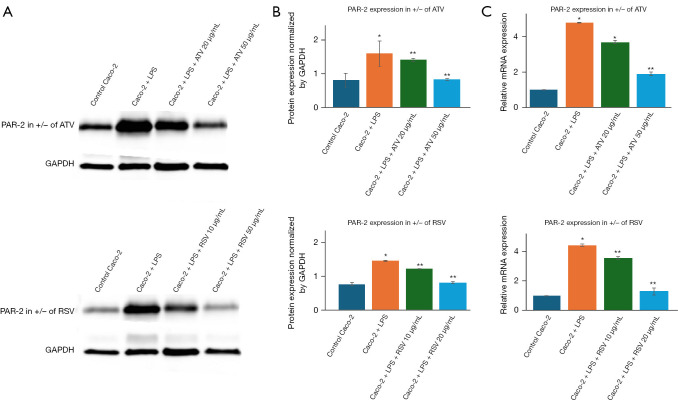
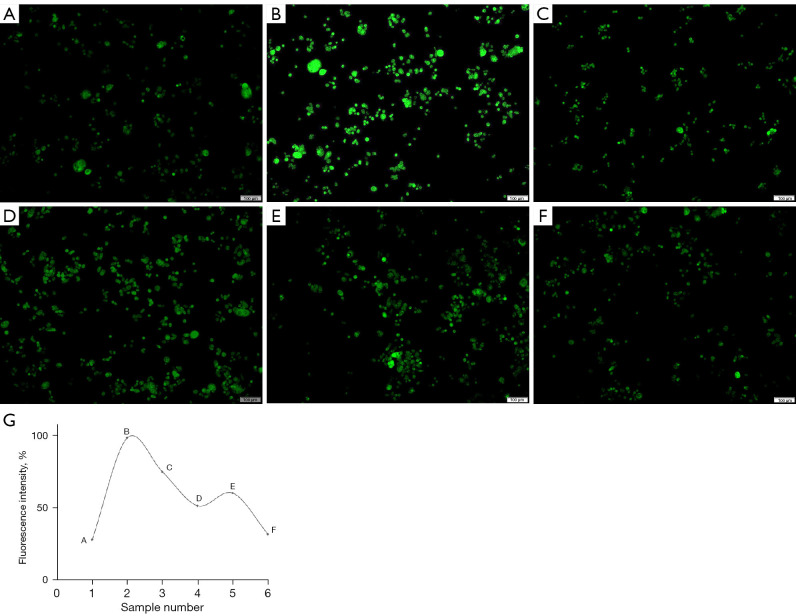
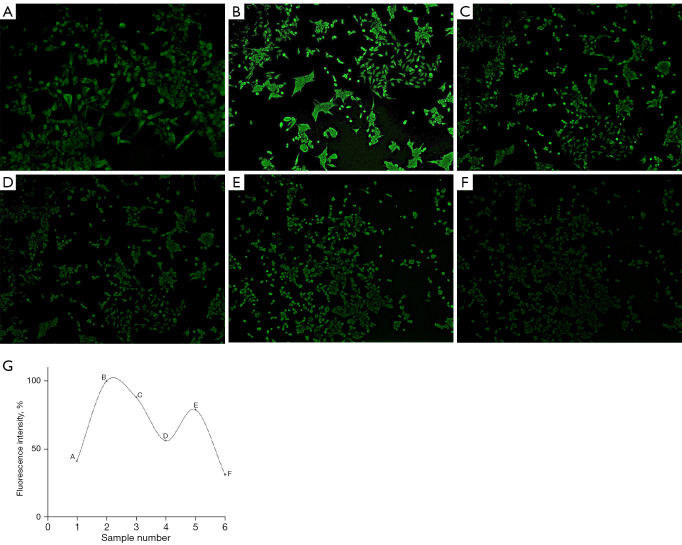
HT-29 and Caco-2 CRC cell lines were employed to investigate the anti-inflammatory effects of ATV and RSV. Inflammation was induced with lipopolysaccharide (LPS), followed by treatment with varying concentrations of ATV and RSV. Western blotting and real-time polymerase chain reaction for quantification (qPCR) were performed to quantify PAR-2 and TNF-α at both the protein and mRNA levels. Enzyme linked immunosorbent assay (ELISA) was used to measure the secretion of TNF-α. Calcium signalling, which plays a crucial role in inflammation, was analysed using Fluo-4 AM dye, with fluorescence imaging capturing the effects of statin treatment on intracellular calcium influx.
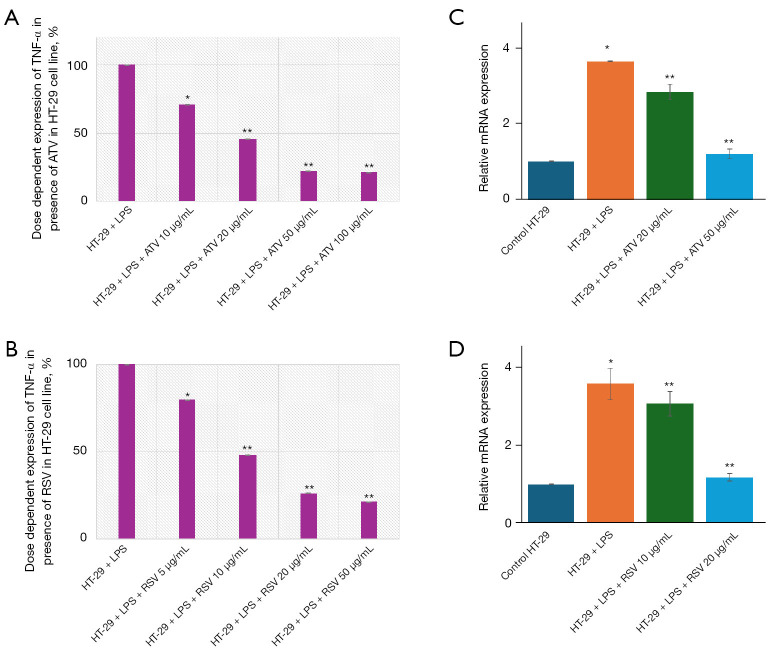
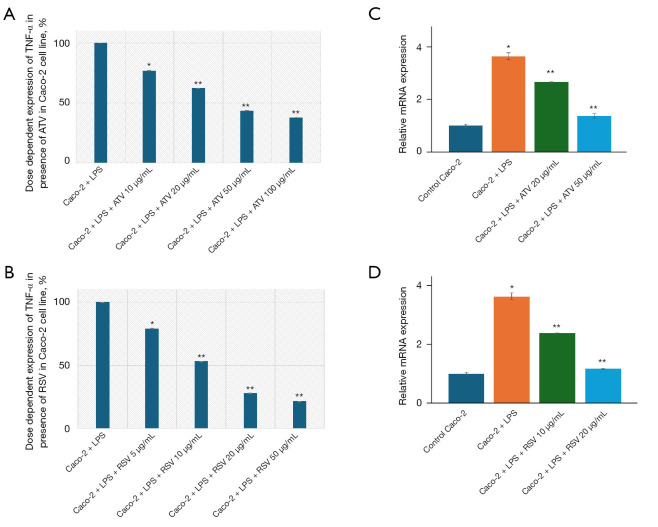
LPS treatment significantly upregulated PAR-2 and TNF-α expression in both cell lines, validating the inflammatory model. Co-treatment with ATV or RSV reduced PAR-2 and TNF-α expression in a dose-dependent manner. The higher concentrations of ATV (50 µg/mL) and RSV (20 µg/mL) produced the most significant reduction in these inflammatory markers at both the protein and mRNA levels. Importantly, the treatment did not substantially alter PAR-1 expression, underlining the specificity of ATV and RSV in modulating PAR-2-mediated pathways. Additionally, statin treatment attenuated LPS-induced calcium influx, with fluorescence intensity decreasing markedly at higher concentrations of both statins.
This study provides novel insights into the selective targeting of PAR-2 by ATV and RSV, distinguishing their effects from PAR-1. The reduction in PAR-2 expression and TNF-α secretion, along with the suppression of calcium signalling, underscores the potential of these statins as targeted anti-inflammatory agents in CRC. The findings highlight the therapeutic value of ATV and RSV in modulating inflammation through PAR-2-specific pathways, which may contribute to reduced cancer progression. These results pave the way for further preclinical and clinical evaluations to explore statins as adjunctive therapies in the management of CRC.
结直肠癌(CRC)在全球范围内以及在阿拉伯联合酋长国等地区对健康的影响日益受到关注,在这些地区,肥胖和高脂血症等风险因素普遍存在。由蛋白酶激活受体2(PAR-2)相关通路驱动的慢性炎症在CRC进展中起关键作用,营造了一个促肿瘤的微环境。PAR-2的过表达与肿瘤侵袭性增加和耐药性相关。虽然先前的研究集中在广泛的炎症调节上,但本研究探索了阿托伐他汀(ATV)和瑞舒伐他汀(RSV)对PAR-2的选择性靶向作用,并通过评估对作为对照的PAR-1表达的最小影响来突出它们的特异性。
采用HT-29和Caco-2 CRC细胞系来研究ATV和RSV的抗炎作用。用脂多糖(LPS)诱导炎症,随后用不同浓度的ATV和RSV进行处理。进行蛋白质印迹法和实时定量聚合酶链反应(qPCR)以在蛋白质和mRNA水平定量PAR-2和肿瘤坏死因子-α(TNF-α)。采用酶联免疫吸附测定(ELISA)来测量TNF-α的分泌。使用Fluo-4 AM染料分析在炎症中起关键作用的钙信号传导,通过荧光成像捕捉他汀类药物治疗对细胞内钙内流的影响。
LPS处理显著上调了两种细胞系中PAR-2和TNF-α的表达,验证了炎症模型。与ATV或RSV联合处理以剂量依赖性方式降低了PAR-2和TNF-α的表达。较高浓度的ATV(50μg/mL)和RSV(20μg/mL)在蛋白质和mRNA水平上对这些炎症标志物产生了最显著的降低作用。重要的是,该处理并未实质性改变PAR-1的表达,强调了ATV和RSV在调节PAR-2介导的通路中的特异性。此外,他汀类药物治疗减弱了LPS诱导的钙内流,在两种他汀类药物的较高浓度下荧光强度明显降低。
本研究为ATV和RSV对PAR-2的选择性靶向作用提供了新的见解,将它们的作用与PAR-1区分开来。PAR-2表达和TNF-α分泌的减少以及钙信号传导的抑制,突出了这些他汀类药物作为CRC中靶向抗炎药物的潜力。这些发现强调了ATV和RSV通过PAR-2特异性通路调节炎症的治疗价值,这可能有助于减少癌症进展。这些结果为进一步的临床前和临床评估铺平了道路,以探索他汀类药物作为CRC管理中的辅助治疗方法。