Li Yajing, Xiang Lan, Qi Jianhua
College of Pharmaceutical Sciences, Zhejiang University, Yu Hang Tang Road 866, Hangzhou 310058, China.
Antioxidants (Basel). 2025 Mar 7;14(3):322. doi: 10.3390/antiox14030322.
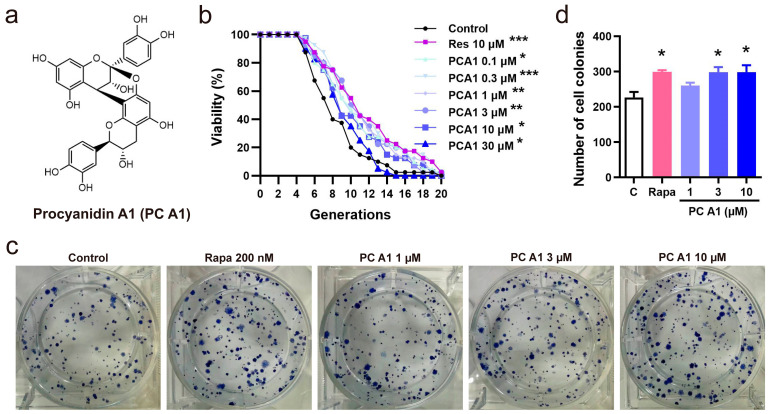
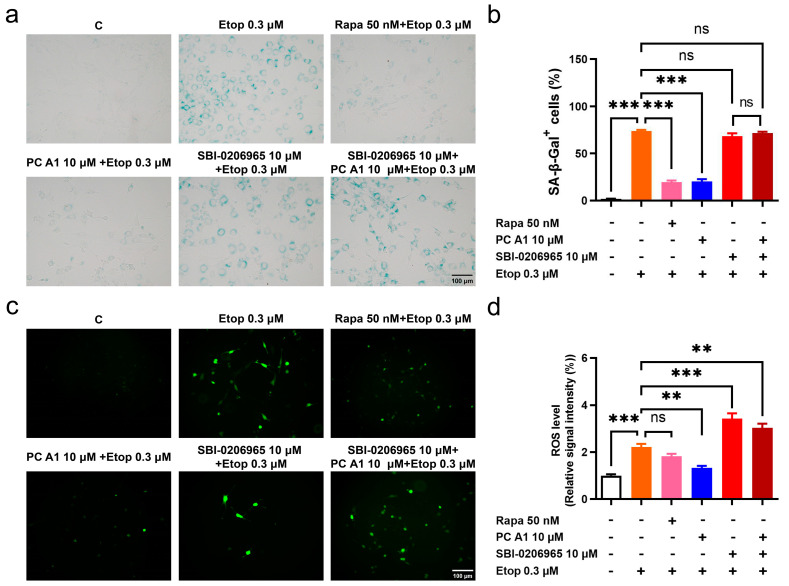
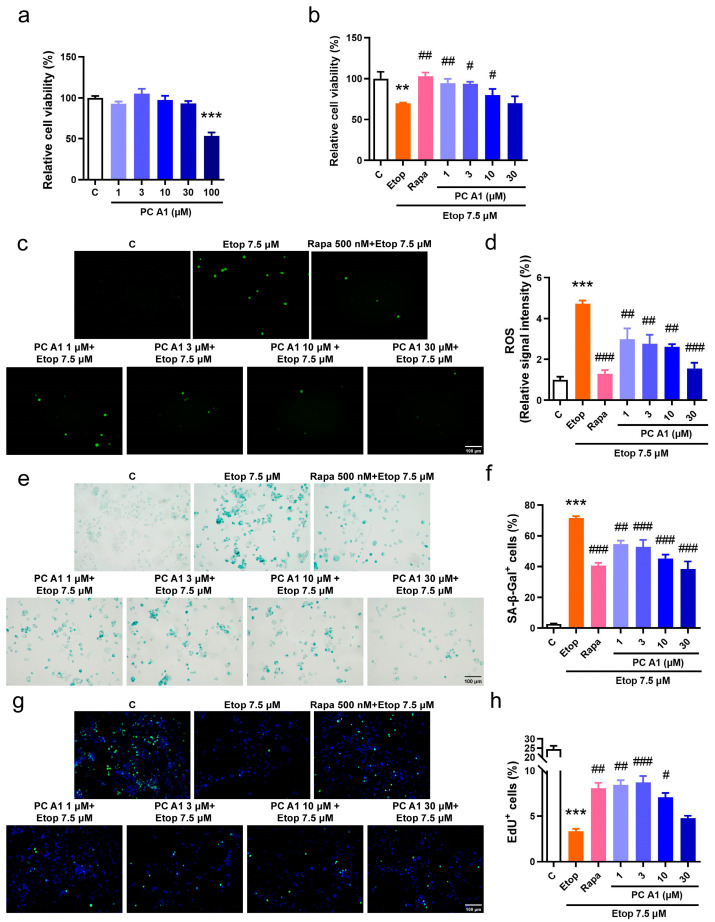
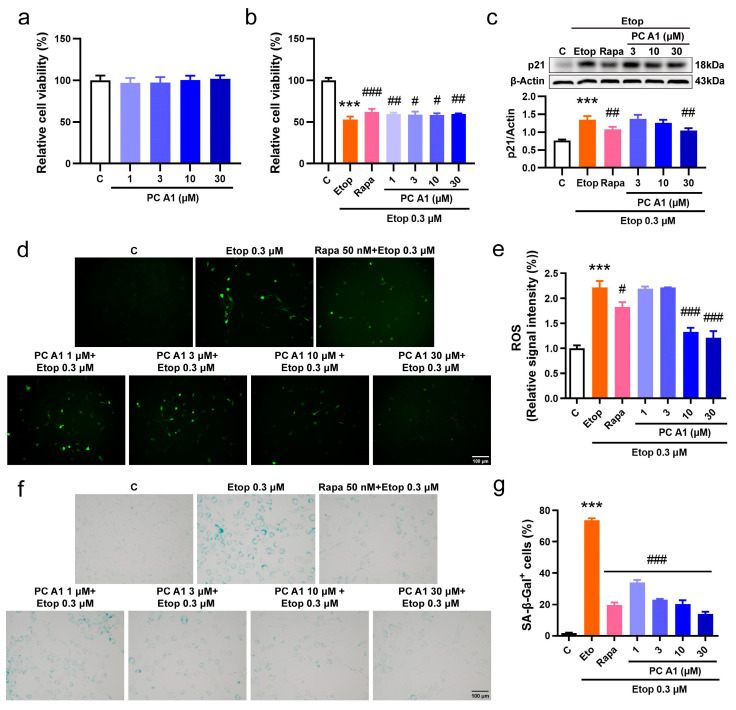
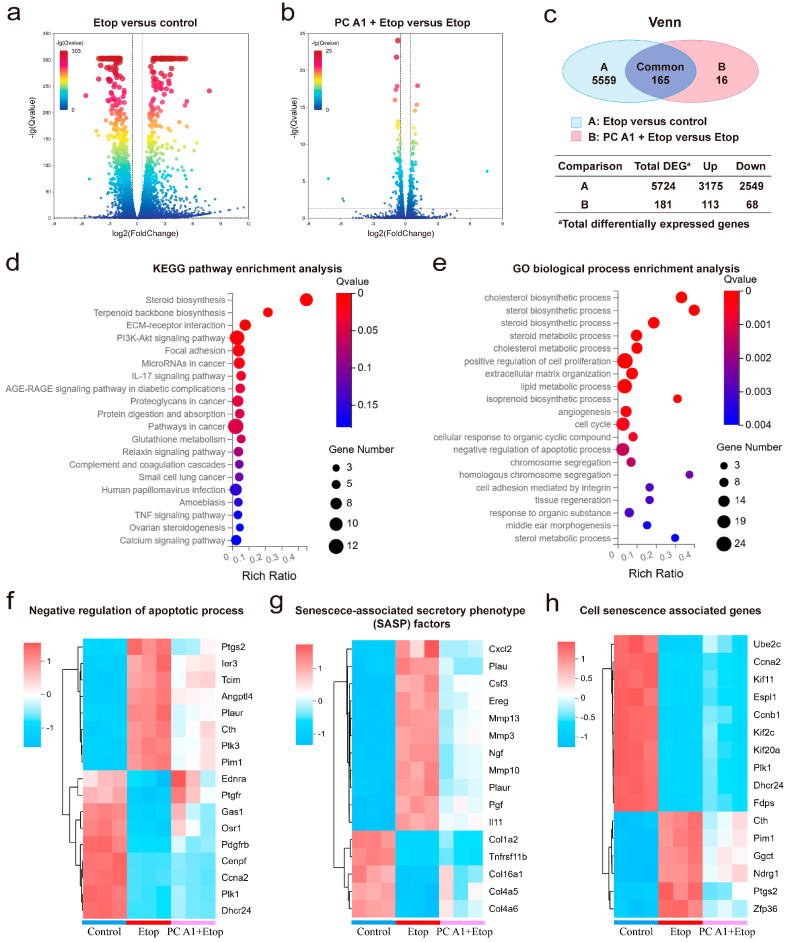
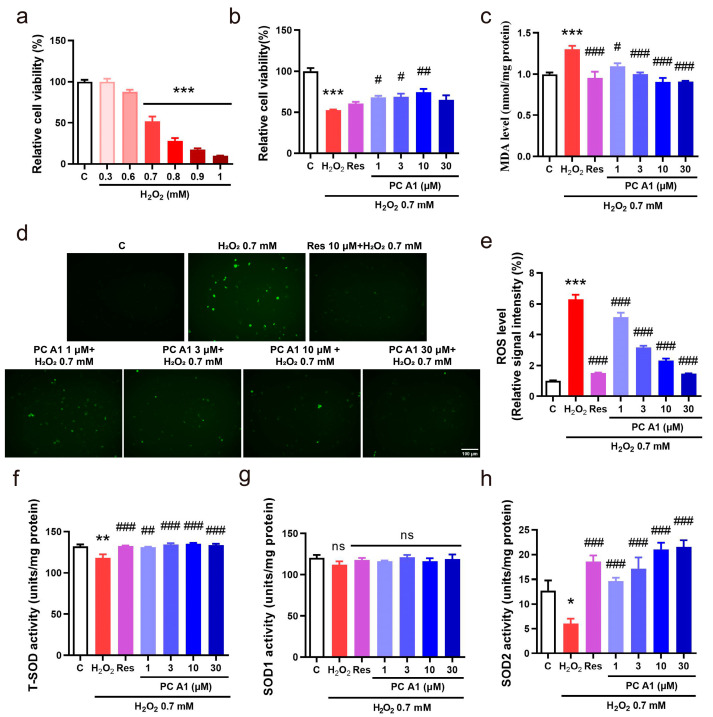
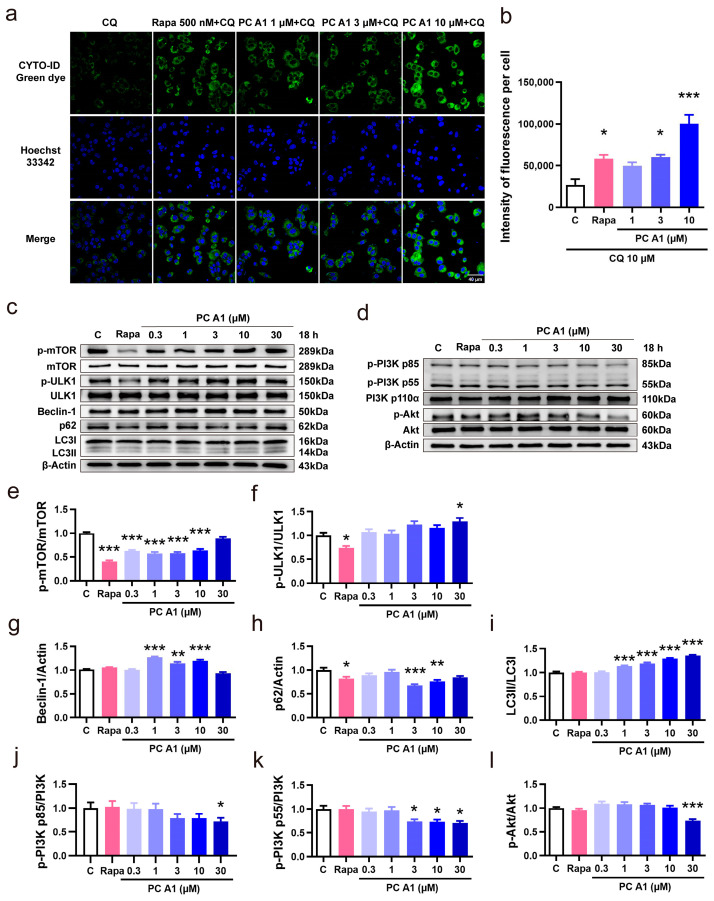
The aging population is steadily increasing, with aging and age-related diseases serving as major risk factors for morbidity, mortality, and economic burden. Peanuts, known as the "longevity nut" in China, have been shown to offer various health benefits, with peanut skin extract (PSE) emerging as a key compound of interest. This study investigates the bioactive compound in PSE with anti-aging potential and explores its underlying mechanisms of action. Procyanidin A1 (PC A1) was isolated from PSE, guided by the K6001 yeast replicative lifespan model. PC A1 prolonged the replicative lifespan of yeast and the yeast-like chronological lifespan of PC12 cells. To further confirm its anti-aging effect, cellular senescence, a hallmark of aging, was assessed. In senescent cells induced by etoposide (Etop), PC A1 alleviated senescence by reducing ROS levels, decreasing the percentage of senescent cells, and restoring proliferative capacity. Transcriptomics analysis revealed that PC A1 induced apoptosis, reduced senescence-associated secretory phenotype (SASP) factors, and modulated the phosphatidylinositol 3-kinase (PI3K)/protein kinase B (Akt) signaling pathway. The antioxidative capacity of PC A1 was also evaluated, showing enhanced resistance to oxidative stress in PC12 cells by reducing reactive oxygen species (ROS) and malondialdehyde (MDA) levels and increasing superoxide dismutase (SOD) activity. Moreover, PC A1 induced autophagy, as evidenced by an increase in fluorescence-labeled autophagic compartments and confirmation via Western blot analysis of autophagy-related proteins. In addition, the treatment of an autophagy inhibitor abolished the antioxidative stress and senescence-alleviating effects of PC A1. These findings reveal that PC A1 extended lifespans and alleviated cellular senescence by enhancing oxidative stress resistance and inducing autophagy, positioning it as a promising candidate for further exploration as a geroprotective agent.
老龄化人口正在稳步增加,衰老及与年龄相关的疾病是发病率、死亡率和经济负担的主要风险因素。花生在中国被誉为“长生果”,已被证明具有多种健康益处,花生皮提取物(PSE)成为了关键的关注化合物。本研究调查了PSE中具有抗衰老潜力的生物活性化合物,并探索其潜在作用机制。在K6001酵母复制寿命模型的指导下,从PSE中分离出原花青素A1(PC A1)。PC A1延长了酵母的复制寿命以及PC12细胞类似酵母的时序寿命。为进一步证实其抗衰老作用,评估了衰老的标志——细胞衰老。在依托泊苷(Etop)诱导的衰老细胞中,PC A1通过降低活性氧水平、减少衰老细胞百分比和恢复增殖能力来减轻衰老。转录组学分析显示,PC A1诱导细胞凋亡,减少衰老相关分泌表型(SASP)因子,并调节磷脂酰肌醇3激酶(PI3K)/蛋白激酶B(Akt)信号通路。还评估了PC A1的抗氧化能力,结果表明通过降低活性氧(ROS)和丙二醛(MDA)水平以及增加超氧化物歧化酶(SOD)活性,PC A1增强了PC12细胞对氧化应激的抗性。此外,PC A1诱导自噬,荧光标记的自噬区室增加以及通过自噬相关蛋白的蛋白质印迹分析证实了这一点。此外,自噬抑制剂的处理消除了PC A1的抗氧化应激和减轻衰老的作用。这些发现表明,PC A1通过增强抗氧化应激能力和诱导自噬来延长寿命并减轻细胞衰老,使其成为作为老年保护剂进一步探索的有前途的候选物。