
门诊实验性感染作为开发可负担得起的呼吸道合胞病毒疫苗途径的风险分析
Risk analysis for outpatient experimental infection as a pathway for affordable RSV vaccine development.
作者信息
Siegal E Z, Schoevers J M H, Terstappen J, Delemarre E M, Johnston S L, van Beek L F, Bogaert D, Chiu C, Diavatopoulos D A, Ferreira D M, Gordon S B, Hayden F G, de Jonge M I, McCall M B B, McShane H I, Minassian A M, Openshaw P J M, Pollard A J, Sattabongkot J, Read R C, Troelstra A, Viveen M C, Wilder-Smith A, van Wijk M, Bont L J, Mazur N I
机构信息
Department of Pediatric Infectious Diseases and Immunology, Wilhelmina Children's Hospital, University Medical Center Utrecht, Utrecht, The Netherlands.
Center for Translational Immunology (CTI), Wilhelmina Children's Hospital, University Medical Center Utrecht, Utrecht, The Netherlands.
出版信息
NPJ Vaccines. 2025 Apr 15;10(1):70. doi: 10.1038/s41541-025-01125-w.
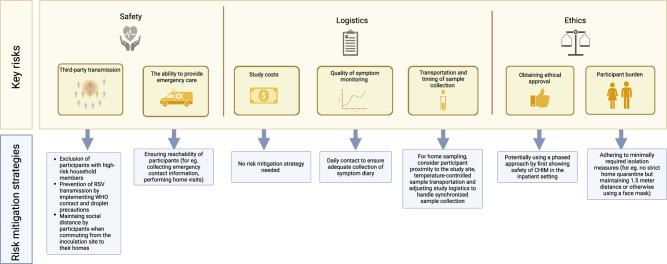
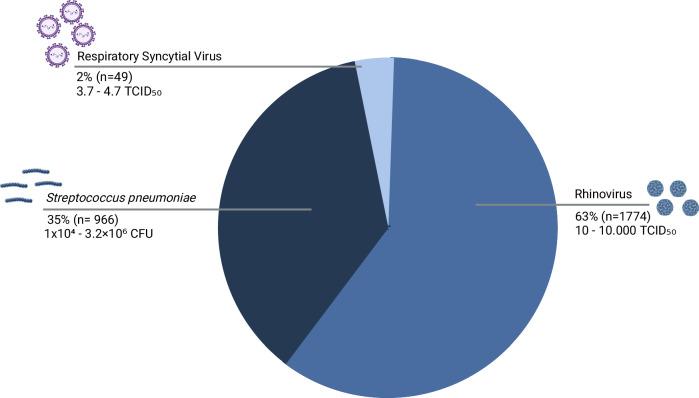
Controlled human infection models (CHIMs) are an important tool for accelerating clinical development of vaccines. CHIM costs are driven by quarantine facilities but may be reduced by performing CHIM in the outpatient setting. Furthermore, outpatient CHIMs offer benefits beyond costs, such as a participant-friendly approach and increased real-world aspect. We analyze safety, logistic and ethical risks of respiratory syncytial virus (RSV) CHIM in the outpatient setting. A review of the literature identified outpatient CHIMs involving respiratory pathogens. RSV transmission risk was assessed using data from our inpatient and outpatient RSV CHIMs (EudraCT 020-004137-21). Fifty-nine outpatient CHIMs using RSV, Streptococcus pneumoniae, rhinovirus, and an ongoing Bordetella Pertussis outpatient CHIM were included. One transmission event was recorded. In an inpatient RSV CHIM, standard droplet and isolation measures were sufficient to limit RSV transmission and no symptomatic third-party transmission was measured in the first outpatient RSV CHIM. Logistic and ethical advantages support outpatient CHIM adoption. We propose a framework for outpatient RSV CHIM with risk mitigation strategies to enhance affordable vaccine development.
人体感染控制模型(CHIMs)是加速疫苗临床开发的重要工具。CHIM的成本由检疫设施驱动,但在门诊环境中进行CHIM可降低成本。此外,门诊CHIM的好处不仅在于成本,还包括对参与者友好的方式以及增加现实世界的因素。我们分析了门诊环境中呼吸道合胞病毒(RSV)CHIM的安全性、后勤和伦理风险。对文献的回顾确定了涉及呼吸道病原体的门诊CHIM。使用我们住院和门诊RSV CHIM的数据(EudraCT 020 - 004137 - 21)评估RSV传播风险。纳入了59项使用RSV、肺炎链球菌、鼻病毒的门诊CHIM以及一项正在进行的百日咳博德特氏菌门诊CHIM。记录到一次传播事件。在住院RSV CHIM中,标准的飞沫和隔离措施足以限制RSV传播,并且在首个门诊RSV CHIM中未检测到有症状的第三方传播。后勤和伦理优势支持采用门诊CHIM。我们提出了一个门诊RSV CHIM的框架以及风险缓解策略,以促进经济实惠的疫苗开发。


 Zotero 插件