Karasová Martina, Jobst Maximilian, Framke Denise, Bergen Janice, Meier-Menches Samuel, Keppler Bernhard, Koellensperger Gunda, Zanghellini Jürgen, Gerner Christopher, Del Favero Giorgia
Department of Food Chemistry and Toxicology, Faculty of Chemistry, University of Vienna, Währinger Str. 38-40, Vienna, 1090, Austria.
Doctoral School of Chemistry (DoSChem), Faculty of Chemistry, University of Vienna, Währinger Str. 42, Vienna, 1090, Austria.
Cell Commun Signal. 2025 Apr 22;23(1):193. doi: 10.1186/s12964-025-02144-9.
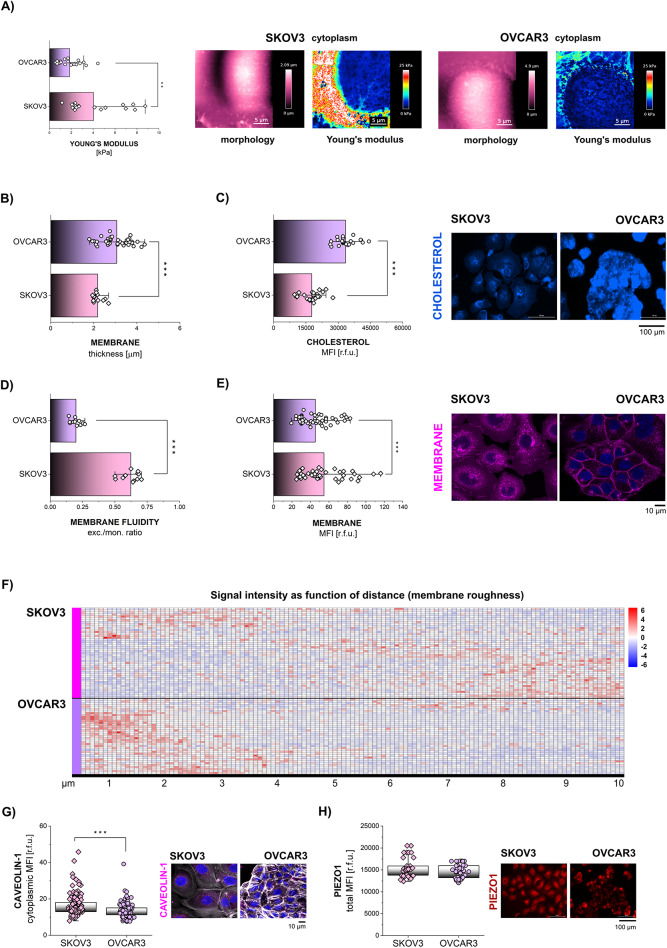
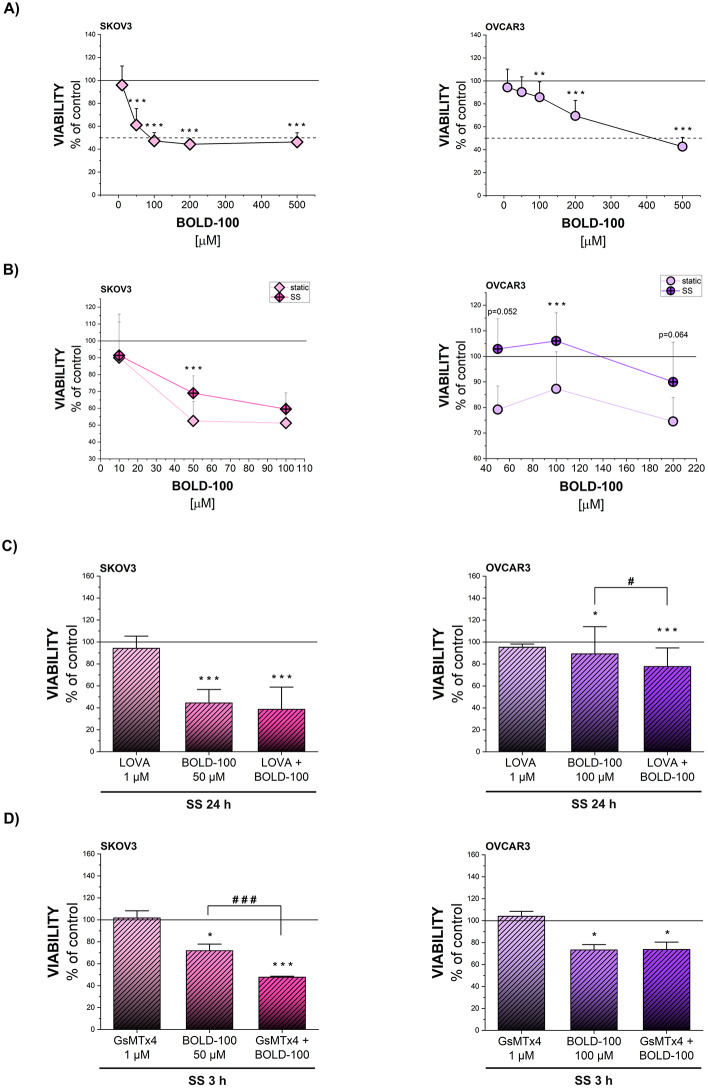
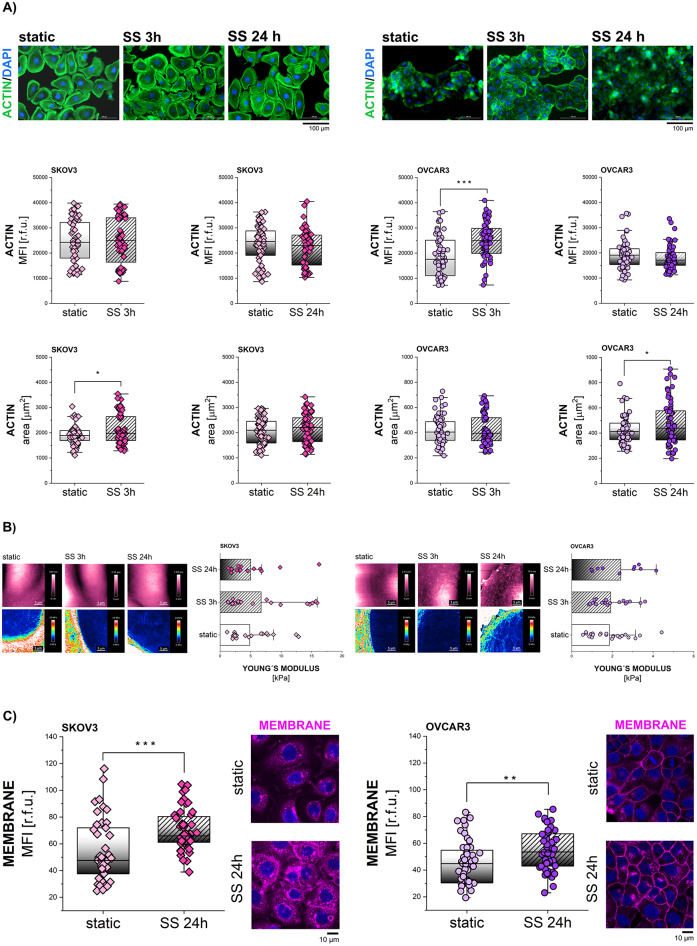
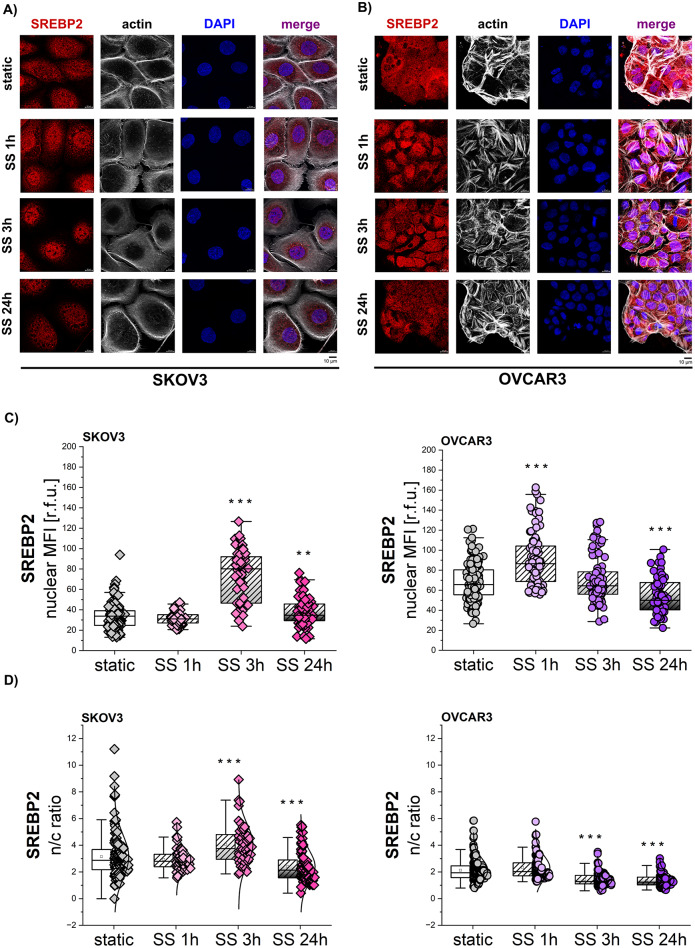
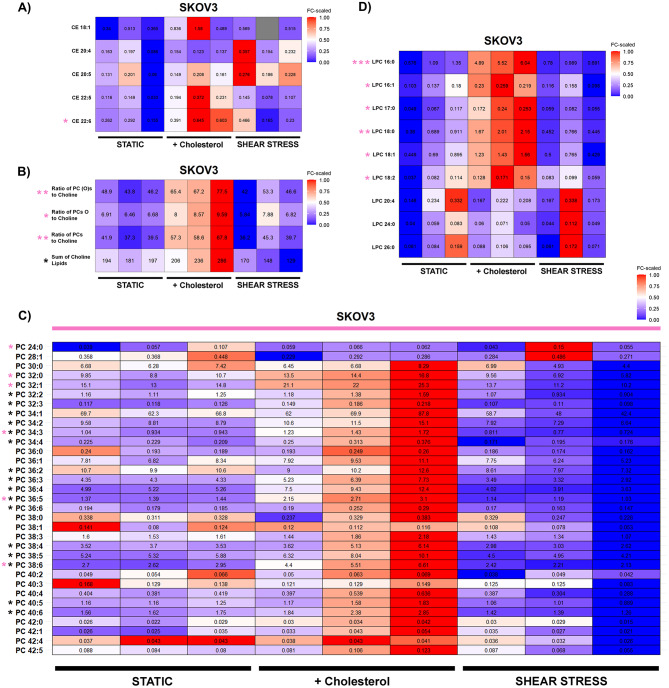
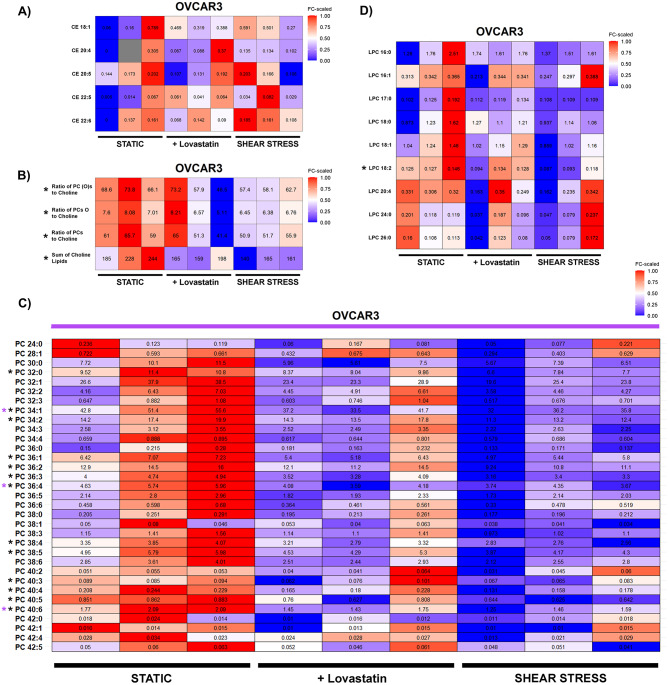
Epithelial ovarian cancer (EOC) is one of the deadliest cancers in women, and acquired chemoresistance is a major contributor of aggressive phenotypes. Overcoming treatment failure and disease recurrence is therefore an ambitious goal. Ovarian cancer develops in a biophysically challenging environment where the cells are constantly exposed to mechanical deformation originating in the abdomen and shear stress caused by the accumulation of ascitic fluid in the peritoneal cavity. Therefore, mechanical stimulation can be seen as an inseparable part of the tumor microenvironment. The role of biomechanics in shaping tumor metabolism is emerging and promises to be a real game changer in the field of cancer biology. Focusing on two different epithelial ovarian cancer cell lines (SKOV3 and OVCAR3), we explored the impact of shear stress on cellular behavior driven by mechanosensitive transcription factors (TFs). Here, we report data linking physical triggers to the alteration of lipid metabolism, ultimately supporting increased chemoresistance. Mechanistically, shear stress induced adaptation of cell membrane and actin cytoskeleton which were accompanied by the regulation of nuclear translocation of SREBP2 and YAP1. This was associated with increased cholesterol uptake/biosynthesis and decreased sensitivity to the ruthenium-based anticancer drug BOLD-100. Overall, the present study contributes to shedding light on the molecular pathways connecting mechanical cues, tumor metabolism and drug responsiveness.
上皮性卵巢癌(EOC)是女性中最致命的癌症之一,获得性化疗耐药是侵袭性表型的主要促成因素。因此,克服治疗失败和疾病复发是一个宏伟的目标。卵巢癌在一个生物物理环境具有挑战性的环境中发展,其中细胞不断受到源自腹部的机械变形以及腹膜腔中腹水积聚引起的剪切应力的影响。因此,机械刺激可被视为肿瘤微环境中不可分割的一部分。生物力学在塑造肿瘤代谢中的作用正在显现,并有望成为癌症生物学领域真正的变革者。我们聚焦于两种不同的上皮性卵巢癌细胞系(SKOV3和OVCAR3),探讨了剪切应力对由机械敏感转录因子(TFs)驱动的细胞行为的影响。在此,我们报告了将物理触发因素与脂质代谢改变联系起来的数据,最终支持化疗耐药性增加。从机制上讲,剪切应力诱导细胞膜和肌动蛋白细胞骨架的适应性变化,同时伴随着固醇调节元件结合蛋白2(SREBP2)和Yes相关蛋白1(YAP1)核转位的调节。这与胆固醇摄取/生物合成增加以及对钌基抗癌药物BOLD-100的敏感性降低有关。总体而言,本研究有助于阐明连接机械信号、肿瘤代谢和药物反应性的分子途径。