Faim Diana, Silva Filipe, Weissenbacher Anton, Starnberger Iris, Pires Isabel
Department of Veterinary Sciences, School of Agricultural and Veterinary Sciences (ECAV), University of Trás-os-Montes e Alto Douro, 5000-801 Vila Real, Portugal.
Onevetgroup Hospital Veterinário de Leiria (HVL), 2410-270 Leiria, Portugal.
Vet Sci. 2025 Mar 13;12(3):271. doi: 10.3390/vetsci12030271.
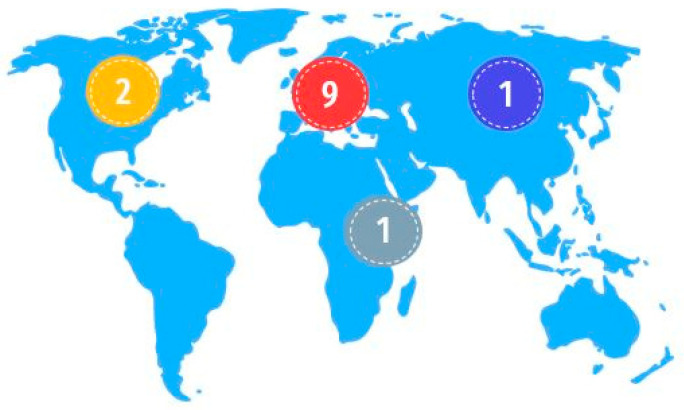
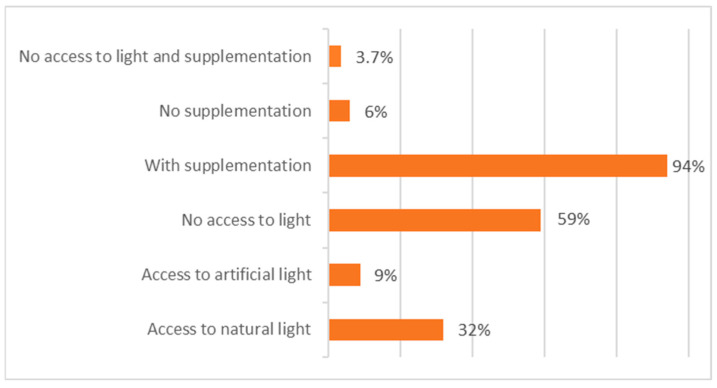
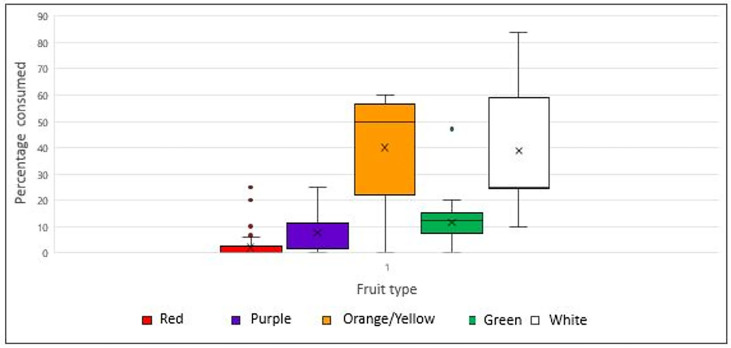
Metabolic bone disease (MBD) is clinically characterized by bone deformities and is associated with vitamin D3 deficiency in diurnal animals. However, the pathogenesis and etiology of this condition in flying foxes, considered nocturnal animals, are poorly understood. Therefore, we conducted a survey aimed at various zoological parks housing flying foxes to elucidate the pathogenesis and etiology of MBD in these animals. Our results indicate that vitamin D3 may play a role in preventing metabolic bone disease in flying foxes due to its involvement in calcium absorption. However, these nocturnal animals seem to obtain vitamin D3 primarily through dietary sources in contrast to the cutaneous absorption described in diurnal species. Additionally, our results suggest that an appropriate diet for this species, including fruits, green vegetables, and other protein sources such as animal products and mineral supplementation, could contribute to preventing metabolic bone disease.
代谢性骨病(MBD)的临床特征为骨骼畸形,且与昼行性动物的维生素D3缺乏有关。然而,对于被视为夜行性动物的狐蝠而言,这种疾病的发病机制和病因却知之甚少。因此,我们针对多家饲养狐蝠的动物园开展了一项调查,以阐明这些动物中MBD的发病机制和病因。我们的研究结果表明,维生素D3可能因其参与钙吸收而在预防狐蝠的代谢性骨病中发挥作用。然而,与昼行性物种中描述的皮肤吸收不同,这些夜行性动物似乎主要通过饮食来源获取维生素D3。此外,我们的研究结果表明,为该物种提供合适的饮食,包括水果、绿色蔬菜以及动物产品和矿物质补充剂等其他蛋白质来源,可能有助于预防代谢性骨病。