
数字表型分析、全基因组关联研究(GWAS)和转录组分析的整合揭示了茶树芽大小的关键基因()。
Integration of digital phenotyping, GWAS, and transcriptomic analysis revealed a key gene for bud size in tea plant ().
作者信息
Zhang Shuran, Chen Si, Fu Zhilu, Li Fang, Chen Qiyu, Ma Jianqiang, Chen Yuanquan, Chen Liang, Chen Jiedan
机构信息
Key Laboratory of Biology, Genetics and Breeding of Special Economic Animals and Plants, Ministry of Agriculture and Rural Affairs, Tea Research Institute of the Chinese Academy of Agricultural Sciences, Meiling South Road, Hangzhou 310008, China.
Guangxi South Subtropical Agricultural Sciences Research Institute, Longzhou County, Chongzuo 532415, China.
出版信息
Hortic Res. 2025 Feb 20;12(6):uhaf051. doi: 10.1093/hr/uhaf051. eCollection 2025 Jun.
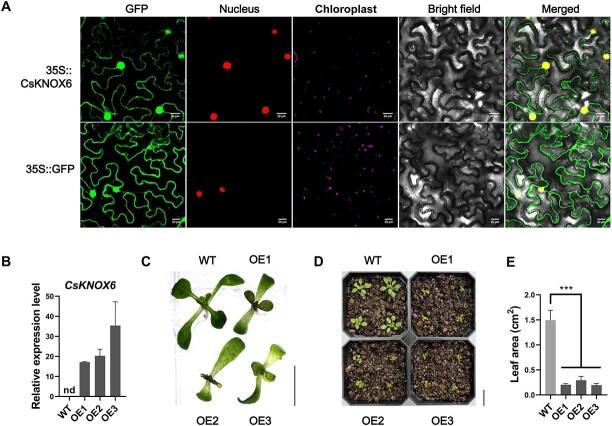
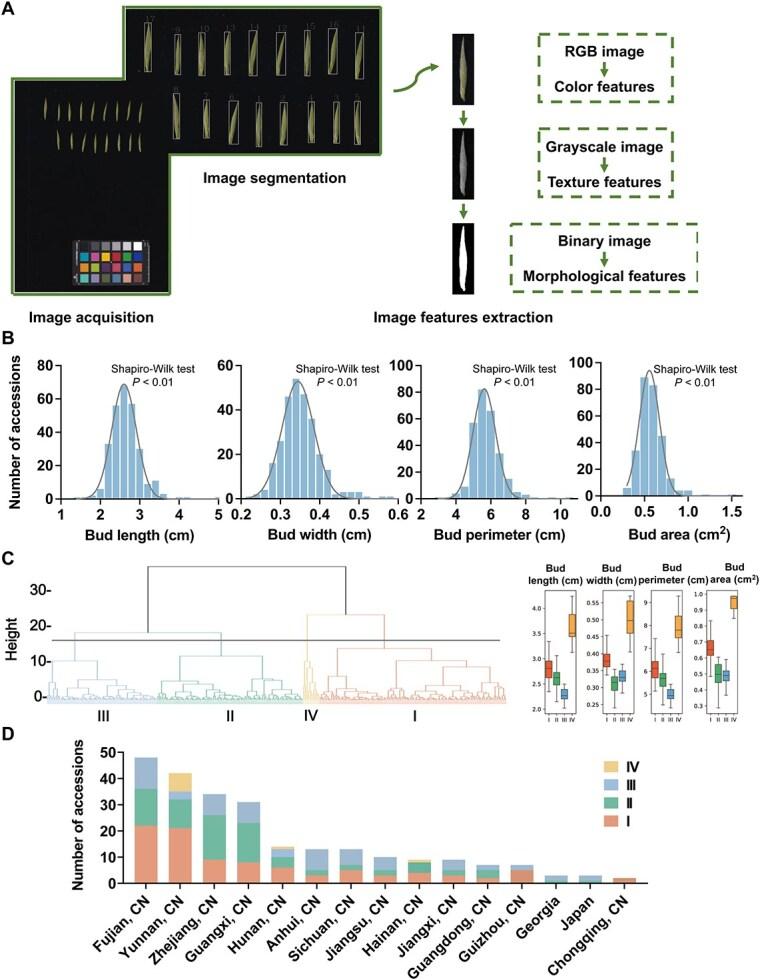
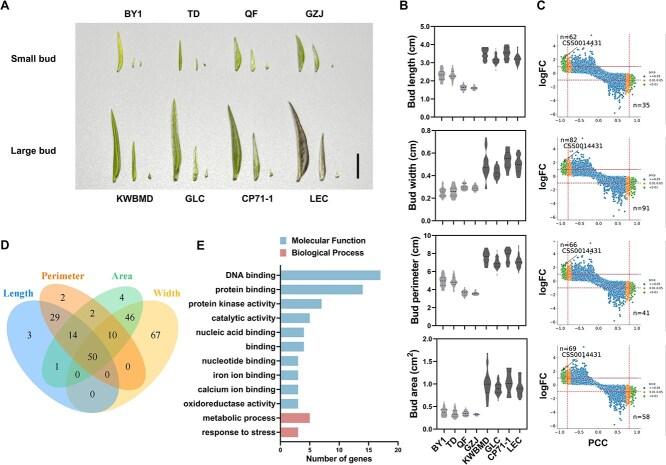
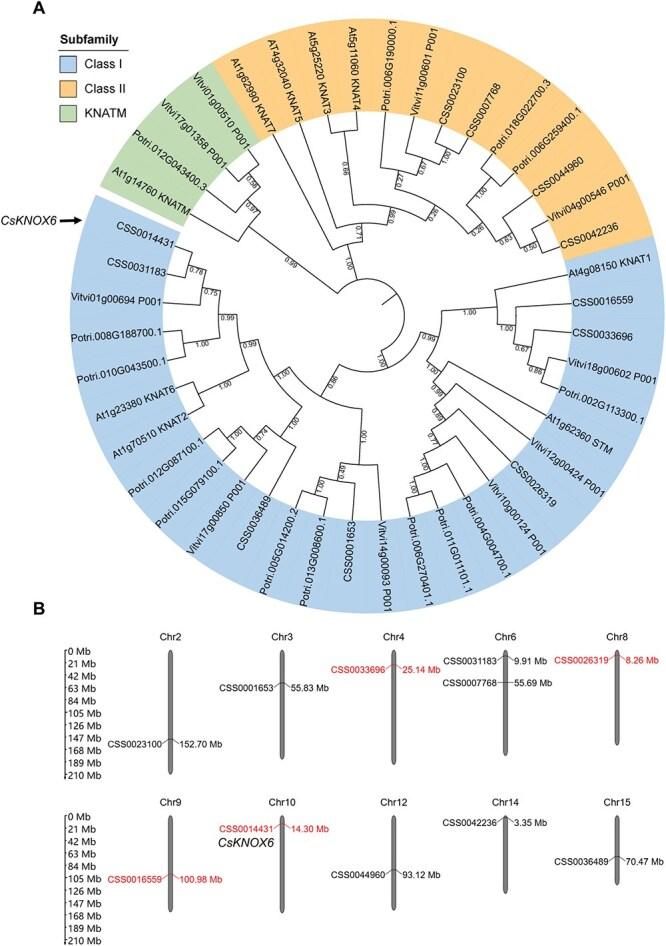
Tea plant () is among the most significant beverage crops globally. The size of tea buds not only directly affects the yield and quality of fresh leaves, but also plays a key role in determining the suitability of different types of tea. Analyzing the genetic regulation mechanism of tea bud size is crucial for enhancing tea cultivars and boosting tea yield. In this study, a digital phenotyping technology was utilized to collected morphological characteristics of the apical buds of 280 tea accessions of representative germplasm at the 'two and a bud' stage. Genetic diversity analysis revealed that the length, width, perimeter, and area of tea buds followed a normal distribution and exhibited considerable variation across natural population of tea plants. Comparative transcriptomic analysis of phenotypic extreme materials revealed a strong negative correlation between the expression levels of four genes and tea bud size. A key candidate gene, , was confirmed by further genome-wide association studies (GWAS). Its function was preliminarily characterized by heterologous transformation of . Overexpression of reduced the leaf area in transgenic plants, which initially determined that it is a key gene negatively regulating bud size. These findings enhance our understanding of the role of genes in tea plants and provide some references for uncovering the genetic regulatory mechanisms behind tea bud size.
茶树()是全球最重要的饮料作物之一。茶芽的大小不仅直接影响鲜叶的产量和品质,而且在决定不同类型茶叶的适制性方面也起着关键作用。分析茶芽大小的遗传调控机制对于改良茶树品种和提高茶叶产量至关重要。在本研究中,利用数字表型技术收集了280份代表性种质茶树在“一芽二叶”阶段顶芽的形态特征。遗传多样性分析表明,茶芽的长度、宽度、周长和面积呈正态分布,并且在茶树自然群体中表现出相当大的变异。对表型极端材料的比较转录组分析揭示了四个基因的表达水平与茶芽大小之间存在强烈的负相关。通过进一步的全基因组关联研究(GWAS)确定了一个关键候选基因。通过的异源转化初步鉴定了其功能。在转基因植物中过表达会减小叶片面积,初步确定它是一个负调控芽大小的关键基因。这些发现增进了我们对茶树中基因作用的理解,并为揭示茶芽大小背后的遗传调控机制提供了一些参考。


 Zotero 插件