Buirs Liam, Punja Zamir K
Pure Sunfarms Corp., Delta, BC V4K 3N3, Canada.
Department of Biological Sciences, Simon Fraser University, Burnaby, BC V5A 1S6, Canada.
Plants (Basel). 2025 Apr 19;14(8):1247. doi: 10.3390/plants14081247.
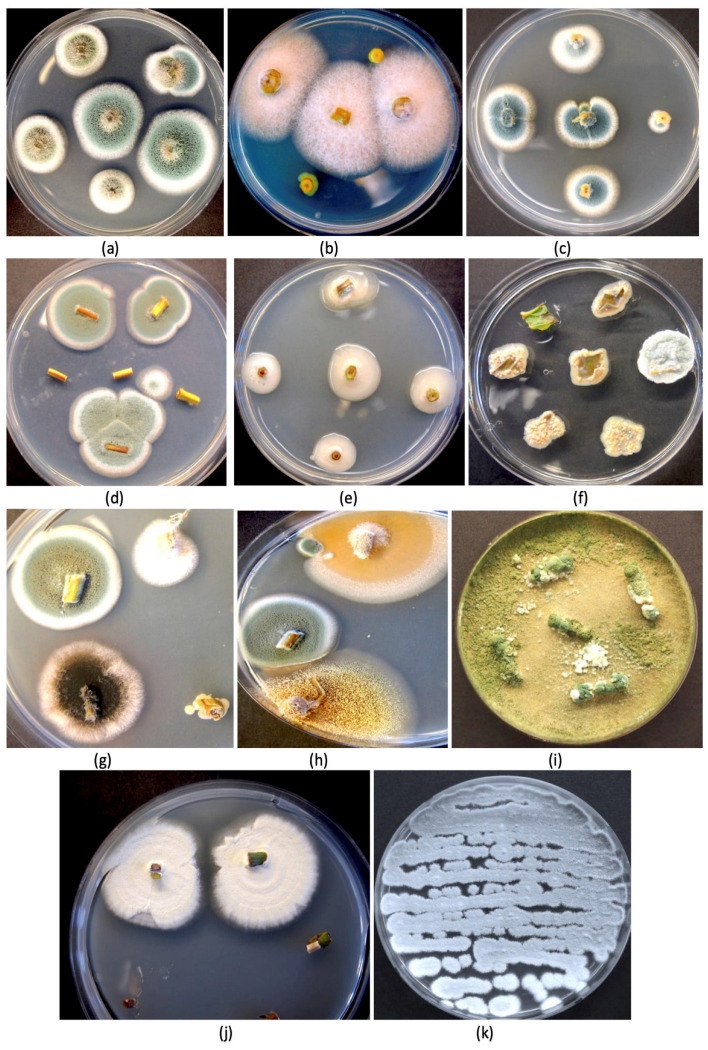
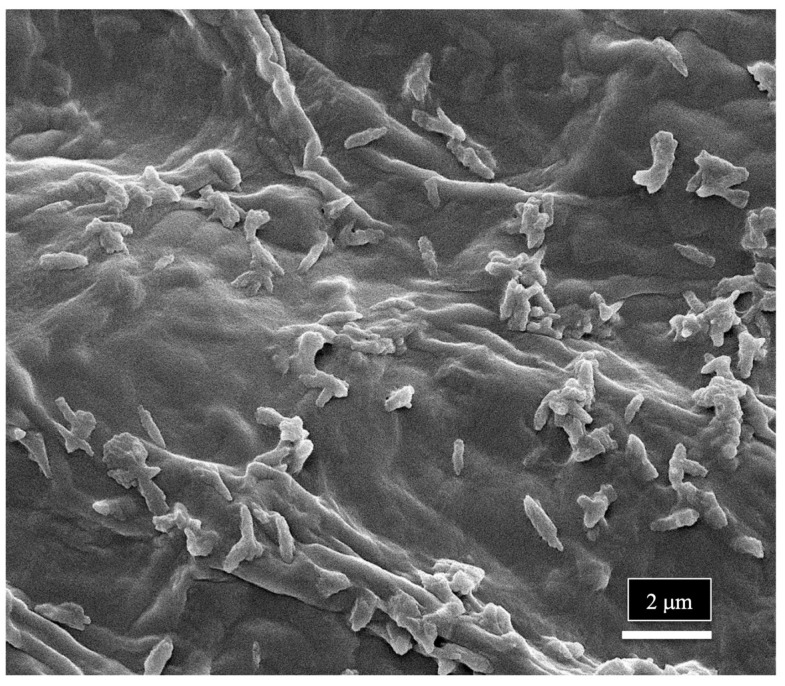
The roles of endophytes in (cannabis, hemp) remain poorly explored. While in vitro studies suggest that there can be several benefits, such as plant growth promotion and protection against pathogens, more in planta studies are needed. This review summarizes the bacterial and fungal endophytes previously reported in tissues of and discusses the factors influencing their presence, as well as their potential beneficial and detrimental effects. Using genome sequencing and culture-based approaches, we describe the microbial diversity in hydroponically cultivated cannabis plants at several developmental stages. These include mother plants, cuttings, vegetative and flowering plants, and tissue-cultured plantlets. Microbes that were present include fungal, yeast, and bacterial endophytes found in roots, stems, leaves, inflorescences, and seeds. These may have originated from the growing substrate or be transmitted through vegetative propagation. Notable endophytes included (a mycorrhizal fungus), (an antibiotic producer), and various endophytic yeast species not previously described in . Endophytes representing potential plant pathogens, such as , are also present within cannabis tissues, which can negatively impact plant health. Using scanning electron microscopy, we observed that fungal propagules are present within pith parenchyma cells and xylem vessel elements in stem tissues, illustrating for the first time the in situ localization and distribution of endophytes in cannabis vascular tissues. The mechanism of spread through xylem vessels likely contributes to the spread of endophytes within cannabis and hemp plants. Further research is required to validate the roles of endophytes in cannabis and hemp plants grown under commercial production conditions.
内生菌在(大麻、工业大麻)中的作用仍未得到充分研究。虽然体外研究表明可能有多种益处,如促进植物生长和抵御病原体,但还需要更多的体内研究。本综述总结了先前在大麻组织中报道的细菌和真菌内生菌,并讨论了影响它们存在的因素,以及它们潜在的有益和有害影响。我们使用基因组测序和基于培养的方法,描述了水培大麻植株在几个发育阶段的微生物多样性。这些阶段包括母株、插条、营养生长和开花植株以及组织培养苗。所发现的微生物包括在根、茎、叶、花序和种子中发现的真菌、酵母和细菌内生菌。它们可能起源于生长基质,或通过营养繁殖传播。值得注意的内生菌包括(一种菌根真菌)、(一种抗生素生产者)以及各种先前未在大麻中描述过的内生酵母物种。代表潜在植物病原体的内生菌,如,也存在于大麻组织中,这可能对植物健康产生负面影响。通过扫描电子显微镜,我们观察到真菌繁殖体存在于茎组织的髓薄壁细胞和木质部导管分子中,首次说明了内生菌在大麻维管组织中的原位定位和分布。通过木质部导管传播的机制可能有助于内生菌在大麻和工业大麻植株内的传播。需要进一步研究来验证内生菌在商业生产条件下种植的大麻和工业大麻植株中的作用。