Liu Liping, Lu Xiao, Guo Xiaozhen, Gong Xiao, Hu Feng, Jiang Yifei, Gao Yuehua, Ma Xiuli, Li Yufeng, Huang Bing, Qin Zhuoming, Song Minxun, Yu Kexiang
Institute of Poultry Science, Shandong Academy of Agricultural Sciences, Jinan 250100, China.
Qingdao Yibang Biological Engineering Co., Ltd., Qingdao 266000, China.
Vet Sci. 2025 Mar 28;12(4):307. doi: 10.3390/vetsci12040307.
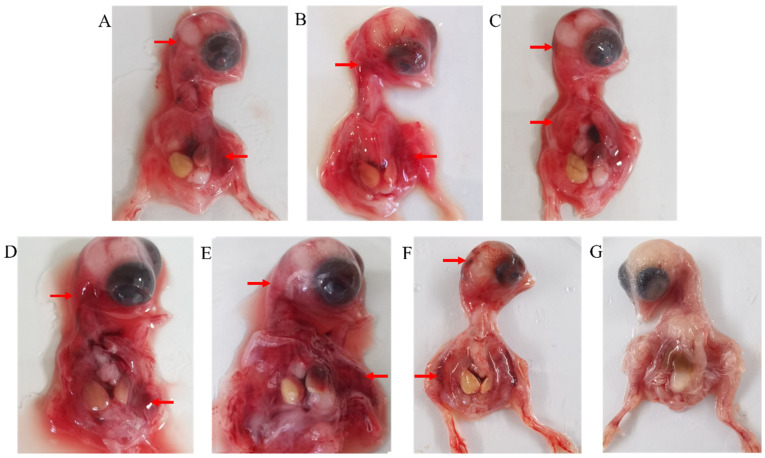
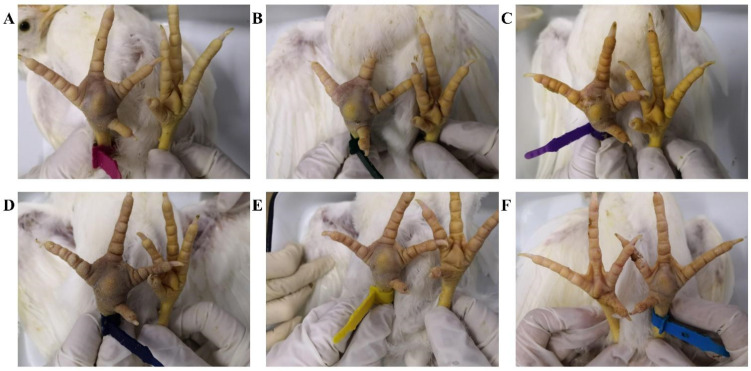
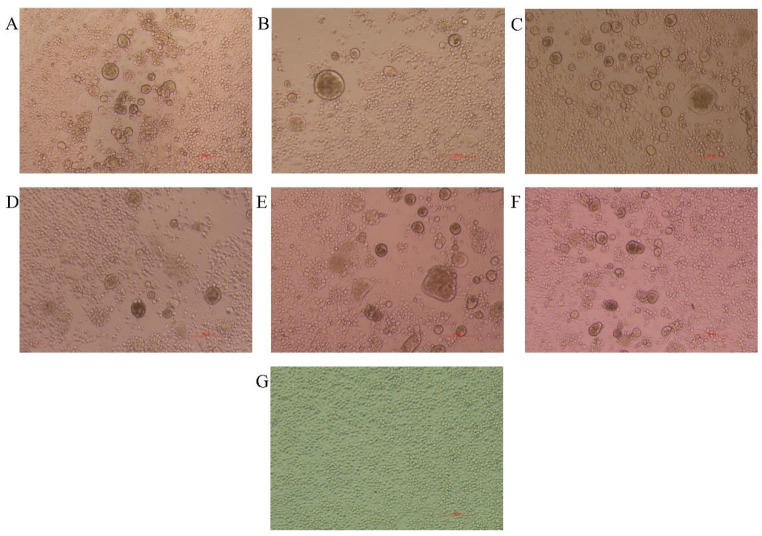
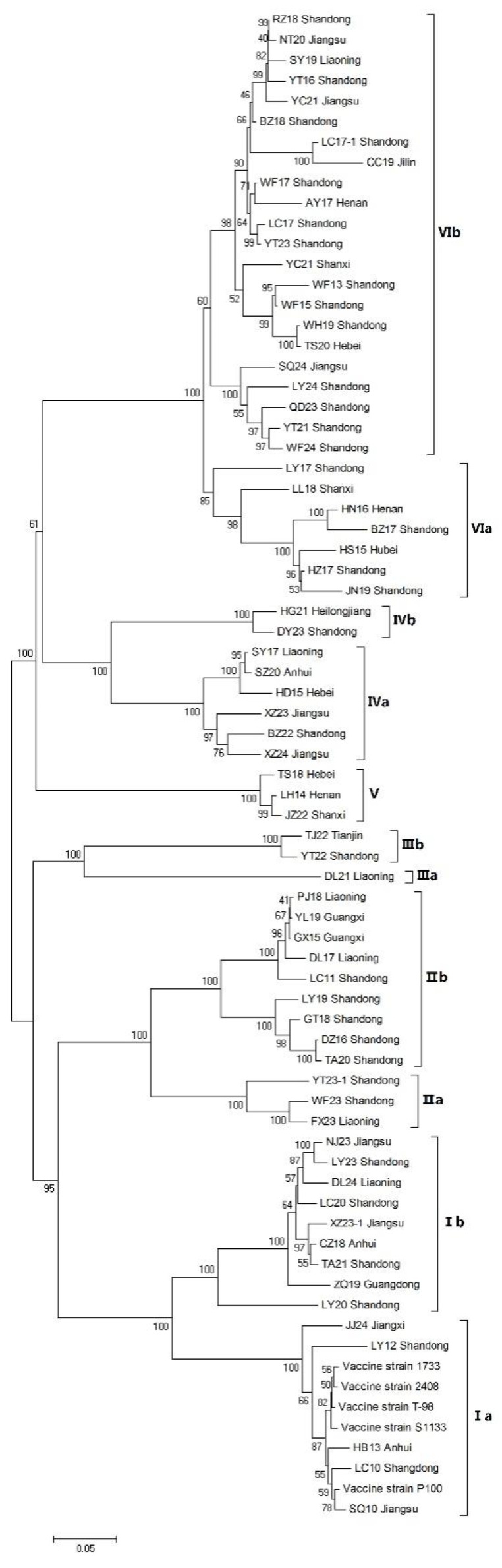
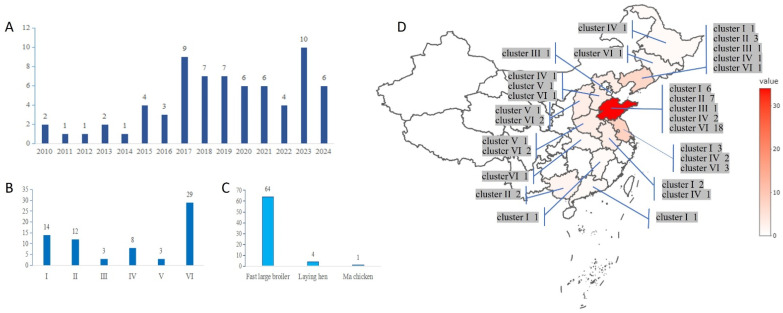
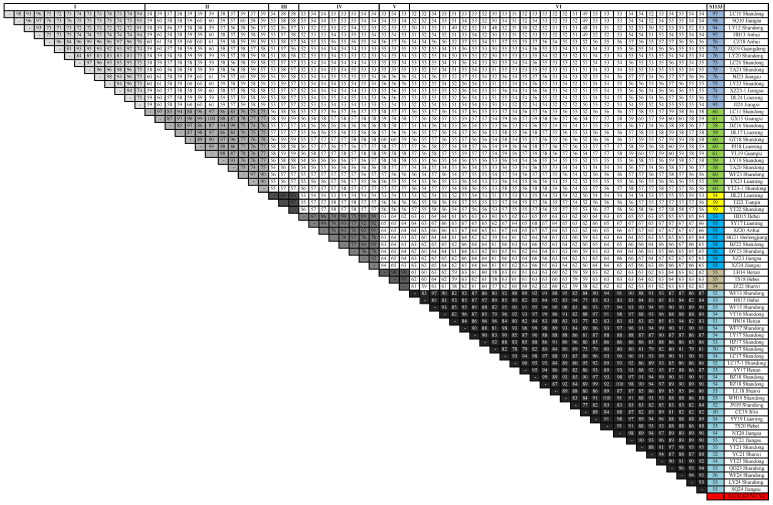
Avian reovirus (ARV) is one of the main causes of viral arthritis, tenosynovitis, malabsorption syndrome (MAS), runting-stunting syndrome, and immunodepression. In recent years, due to the emergence of new ARV strains, outbreaks of the disease have brought significant economic losses to chicken flocks. To determine the prevalence of ARV in China from 2010 to 2024, a total of 409 tissue samples from different breeding farms were collected from chickens presenting clinical signs of lameness and swollen joints in various flocks located in 18 provinces. As performed on these tissue samples, the ARV-specific reverse transcription-polymerase chain reaction (RT-PCR) assay indicated 111 ARV-positive samples with a positive rate of 27.14%. After viral isolation from the necropsied chicken samples, 69 ARV strains were isolated, and specific sigma C (σC) genes were amplified and sequenced. The sequence analysis of σC genes showed that these 69 isolates were grouped into six clusters, including 14 ARV isolates from cluster I (20.29%), 12 ARV isolates from cluster II (17.39%), 3 ARV isolates from cluster III (4.35%), 8 ARV isolates from cluster IV (11.59%), 3 ARV isolates from cluster V (4.35%), and 29 ARV isolates from cluster VI (42.03%). Except for cluster V, each of the other five clusters could be divided into two subclusters. Homology analysis showed that ARV isolates in clusters II-VI had only 50.3 to 60.8% homology with the commercial S1133 vaccine strain which is derived from cluster I. The ARVs in subcluster Ia had high homology with the S1133 vaccine strain (93.5-98.0%), while the ARVs in subcluster Ib had a low homology with the S1133 strain (73.4-76.4%). Further, the cluster VI viruses, the main epidemic genotype in China, had only 50.3-55.7% homology with the S1133 strain. The results of the pathogenicity test showed that the representative strains of the six different clusters all caused swelling of the footpads in SPF chickens, and the incidence rate was not significantly different. The present study will be helpful in the understanding the prevalence of ARV strains in China and revealed the genetic differences between the ARV isolates and the commercial vaccine strain.
禽呼肠孤病毒(ARV)是病毒性关节炎、腱鞘炎、吸收不良综合征(MAS)、生长迟缓综合征及免疫抑制的主要病因之一。近年来,由于新的ARV毒株出现,该病的暴发给鸡群带来了巨大经济损失。为确定2010年至2024年中国ARV的流行情况,从18个省份不同鸡群中出现跛行和关节肿胀临床症状的鸡只采集了409份组织样本。对这些组织样本进行检测,ARV特异性逆转录聚合酶链反应(RT-PCR)检测显示111份ARV阳性样本,阳性率为27.14%。从剖检的鸡样本中分离病毒后,分离出69株ARV毒株,并对特异性σC基因进行扩增和测序。σC基因序列分析表明,这69株分离株分为6个簇,其中I簇14株(20.29%),II簇12株(17.39%),III簇3株(4.35%),IV簇8株(11.59%),V簇3株(4.35%),VI簇29株(42.03%)。除V簇外,其他5个簇各可分为2个亚簇。同源性分析表明,II-VI簇的ARV分离株与来源于I簇的商业S1133疫苗株的同源性仅为50.3%至60.8%。Ia亚簇的ARV与S1133疫苗株同源性高(93.5-98.0%),而Ib亚簇的ARV与S1133株同源性低(73.4-76.4%)。此外,中国主要流行基因型的VI簇病毒与S1133株的同源性仅为50.3-55.7%。致病性试验结果表明,6个不同簇的代表毒株均能引起SPF鸡脚垫肿胀,发病率无显著差异。本研究有助于了解中国ARV毒株的流行情况,并揭示ARV分离株与商业疫苗株之间的遗传差异。