Jiang Kai, Su Fanghua, Deng Ruhua, Xu Yue, Qin Anqi, Yuan Xun, Xing Dongmei, Chen Yang, Wang Dandan, Shen Lan, Hwa John, Hou Lei, Xiang Yaozu
Key Laboratory of Cardiology, Shanghai East Hospital, Frontier Science Center for Stem Cell Research, School of Life Sciences and Technology, Tongji University, Shanghai, 200092, China.
Institute of Biophysics, Chinese Academy of Science, Beijing, 100101, China.
Cardiovasc Diabetol. 2025 Apr 26;24(1):184. doi: 10.1186/s12933-025-02743-3.
Acute hyperglycemia on admission is frequently observed during the early phase after acute myocardial infarction (MI), even without the history of diabetes mellitus. We previously reported that inhibiting Na/H exchanger 1 (NHE1) activity post-MI may improve outcomes, but not in the setting of MI with acute hyperglycemia. However, the precise role of NHE1 in the pathophysiology of MI with acute hyperglycemia remains to be elucidated, and there are no effective strategies for its prevention or treatment.
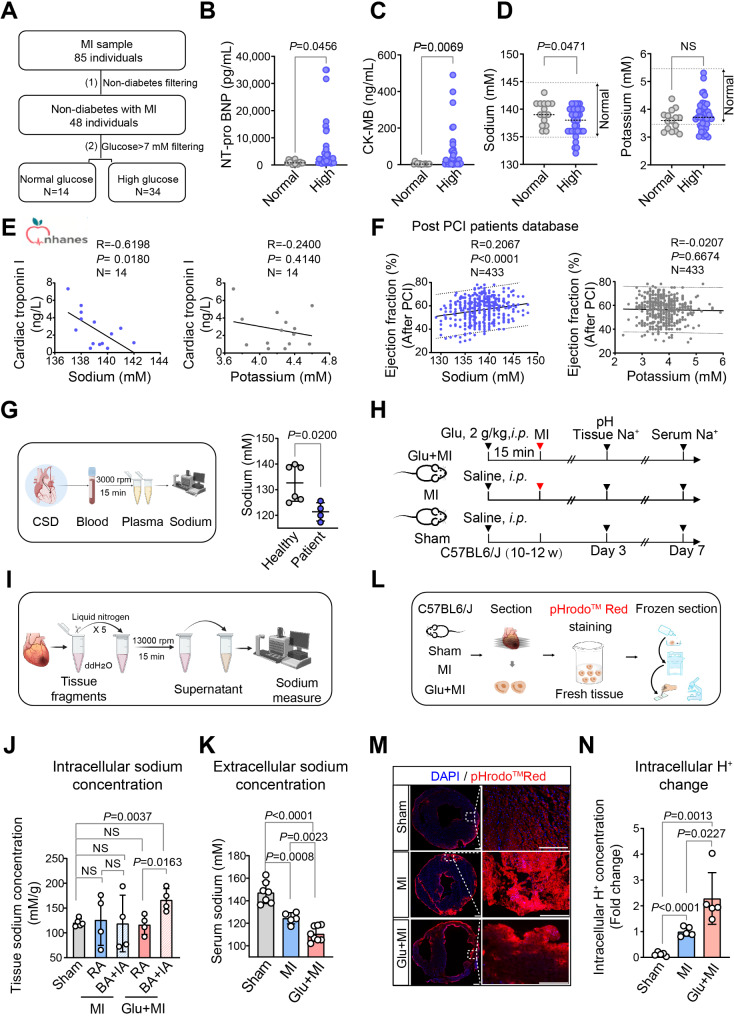
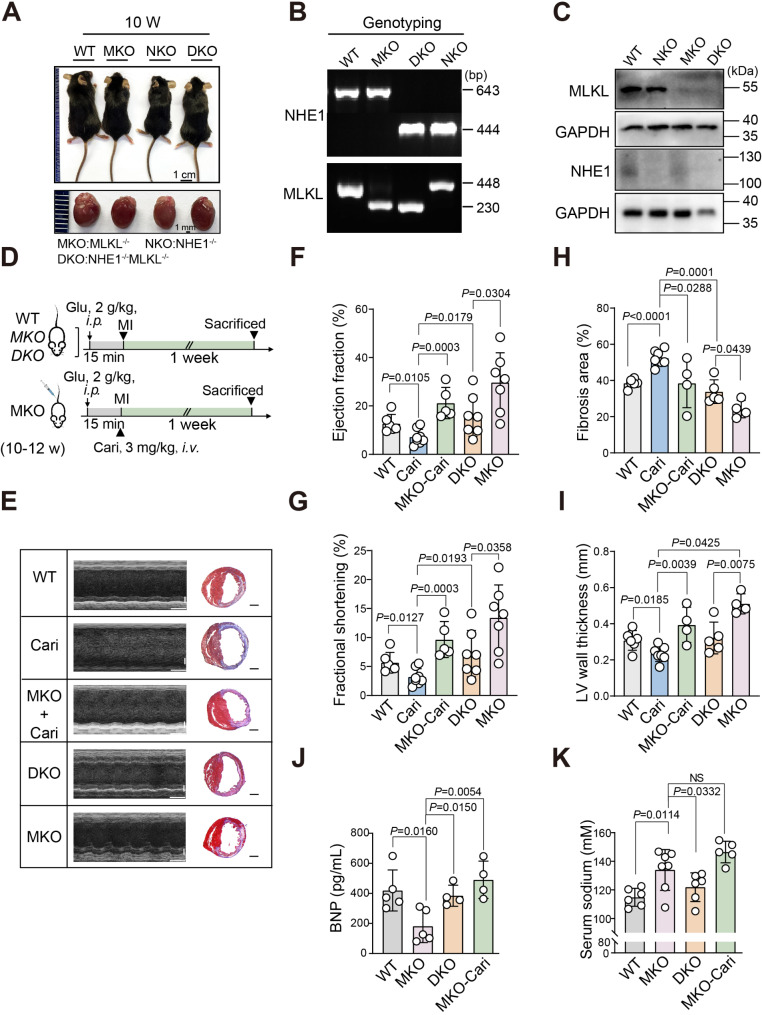
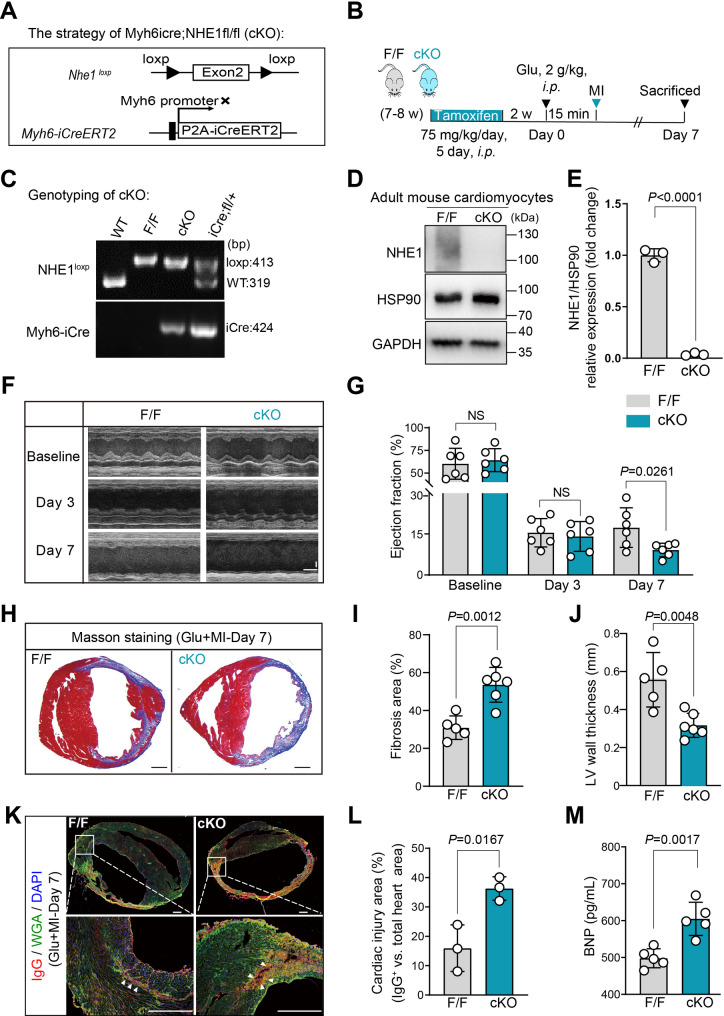
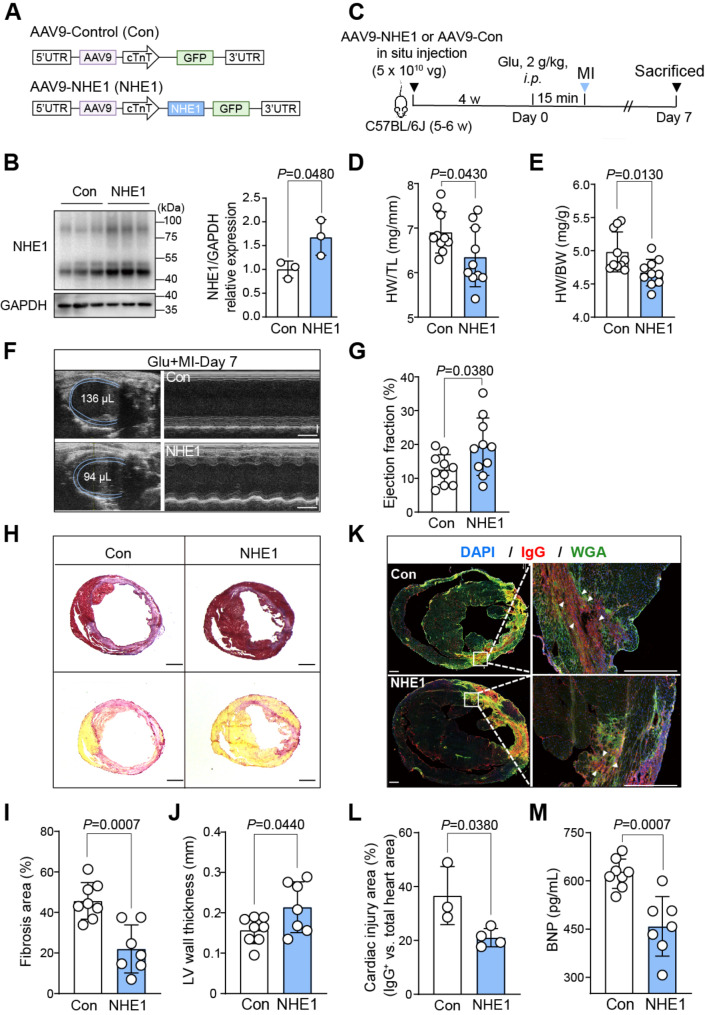
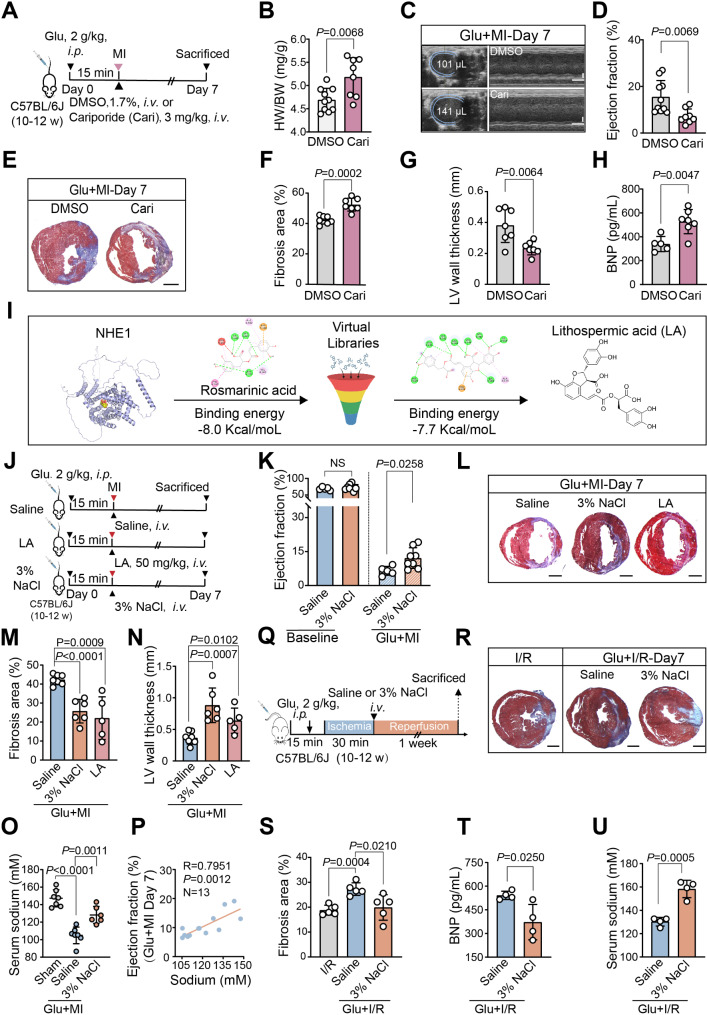
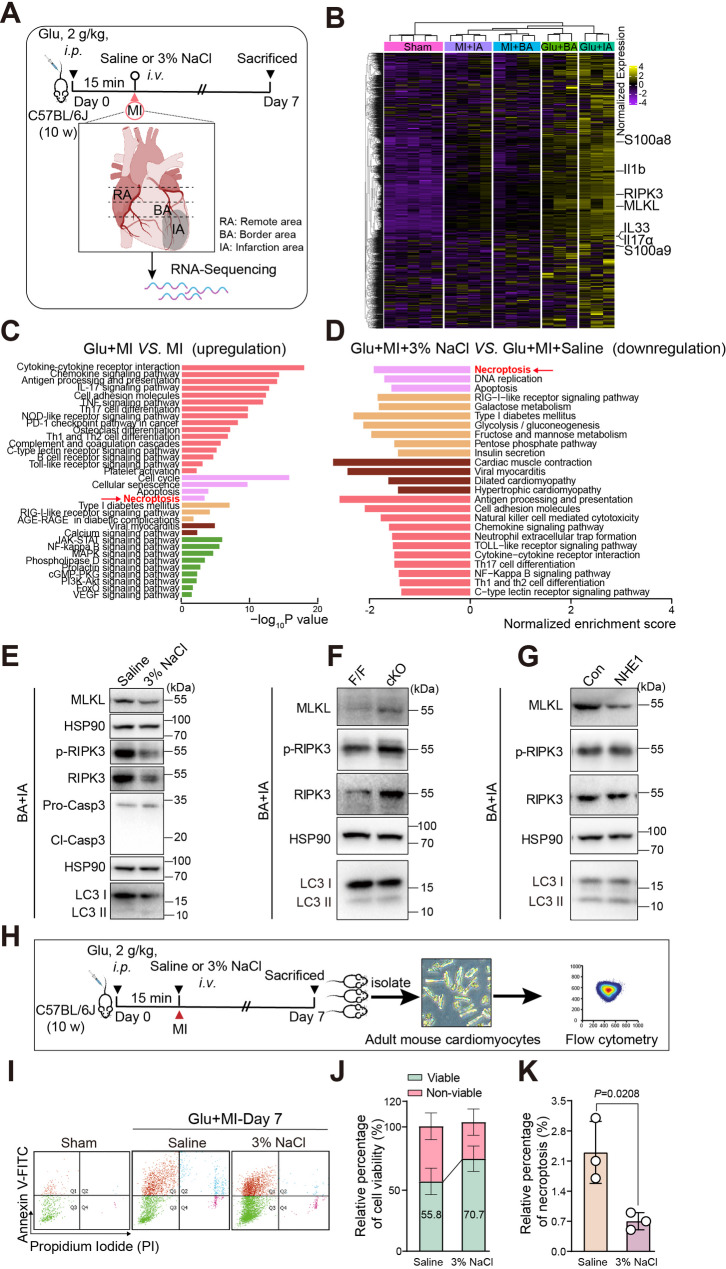
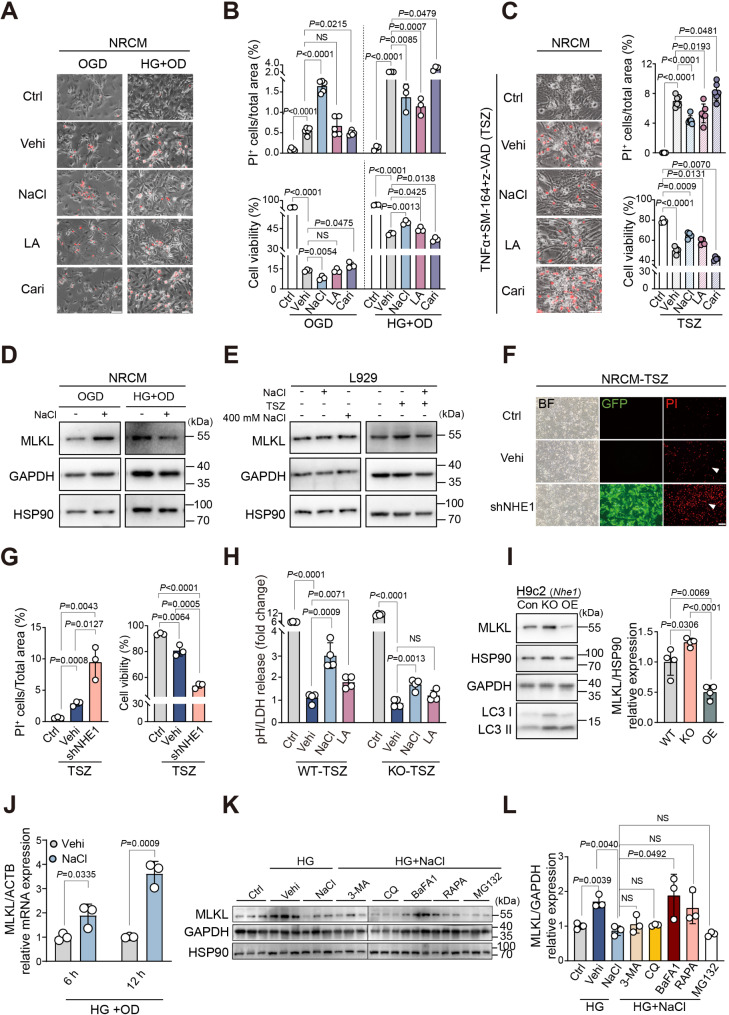
We analyzed 85 post-MI patients, identifying acute hyperglycemia (glucose > 7 mM) in non-diabetic individuals, linked to elevated BNP, CK-MB, and reduced plasma Na. Using retrospective cohort studies and MI with acute hyperglycemia mouse models, we demonstrated that hyperglycemia exacerbates myocardial injury by reducing extracellular Na, increasing intracellular Na, and elevating pH, suggesting NHE1 activation as inferred from the observed intracellular pH (pHi) shift. Cardiomyocyte-specific NHE1 ablation or pharmacological inhibition worsened cardiac dysfunction and fibrosis in MI with acute hyperglycemia, while NHE1 overexpression conferred protection. RNA sequencing and drug screening identified accelerated NHE1 activation via 3% NaCl and lithospermic acid (LA) as a novel strategy to mitigate cardiomyocyte necroptosis, alleviating ischemic injury in MI and ischemia reperfusion models. Hypoxia-hyperglycemia and necroptosis induction models in NHE1-knockout, NHE1-overexpressing, and MLKL-overexpressing cardiomyocytes revealed that NHE1 activation, unlike its protective role in oxygen-glucose deprivation, promotes MLKL degradation via autophagosome-lysosomal pathways, reducing cardiomyocyte death. MLKL knockout and MLKL-NHE1 double knockout mice confirmed that MLKL ablation counteracts NHE1 inhibition's detrimental effects.
Activation of myocardial NHE1 promotes MLKL autophagic degradation, mitigating cardiomyocyte necroptosis and acute hyperglycemia-exacerbated MI, highlighting NHE1 as a hyperglycemia-dependent cardioprotective target. Moderate NHE1 activation may represent a novel therapeutic strategy for MI with acute hyperglycemia.
急性心肌梗死(MI)后早期常出现入院时急性高血糖,即使无糖尿病病史。我们之前报道过,心肌梗死后抑制钠/氢交换体1(NHE1)活性可能改善预后,但在急性高血糖的心肌梗死情况下并非如此。然而,NHE1在急性高血糖心肌梗死病理生理学中的精确作用仍有待阐明,且尚无有效的预防或治疗策略。
我们分析了85例心肌梗死后患者,在非糖尿病个体中识别出急性高血糖(血糖>7 mM),其与脑钠肽(BNP)、肌酸激酶同工酶(CK-MB)升高及血浆钠降低有关。通过回顾性队列研究和急性高血糖心肌梗死小鼠模型,我们证明高血糖通过降低细胞外钠、增加细胞内钠和升高pH值加重心肌损伤,提示从观察到的细胞内pH值(pHi)变化推断NHE1被激活。在急性高血糖心肌梗死中,心肌细胞特异性NHE1基因敲除或药物抑制会加重心脏功能障碍和纤维化,而NHE1过表达则具有保护作用。RNA测序和药物筛选确定通过3%氯化钠和紫草酸(LA)加速NHE1激活是减轻心肌细胞坏死性凋亡、减轻心肌梗死和缺血再灌注模型中缺血性损伤的新策略。在NHE1基因敲除、NHE1过表达和混合谱系激酶结构域样蛋白(MLKL)过表达的心肌细胞中的缺氧-高血糖和坏死性凋亡诱导模型显示,与NHE1在氧糖剥夺中的保护作用不同,NHE1激活通过自噬体-溶酶体途径促进MLKL降解,减少心肌细胞死亡。MLKL基因敲除和MLKL-NHE1双基因敲除小鼠证实,MLKL基因敲除可抵消NHE1抑制的有害作用。
心肌NHE1激活促进MLKL自噬降解,减轻心肌细胞坏死性凋亡和急性高血糖加重的心肌梗死,突出NHE1作为高血糖依赖性心脏保护靶点。适度激活NHE1可能代表急性高血糖心肌梗死的一种新治疗策略。