
噪音敏感性对心理健康的影响:睡眠问题的中介作用。
Effect of Noise Sensitivity on Mental Health: Mediating Role of Sleep Problems.
作者信息
Chen Yuyang, Zheng Siyao, Liu Yuting, Smith Andrew, Fan Jialin
机构信息
School of Psychology, Shenzhen University, Shenzhen 518000, China.
School of Psychology, Cardiff University, Cardiff, UK.
出版信息
Noise Health. 2025;27(125):158-167. doi: 10.4103/nah.nah_155_24. Epub 2025 Apr 29.
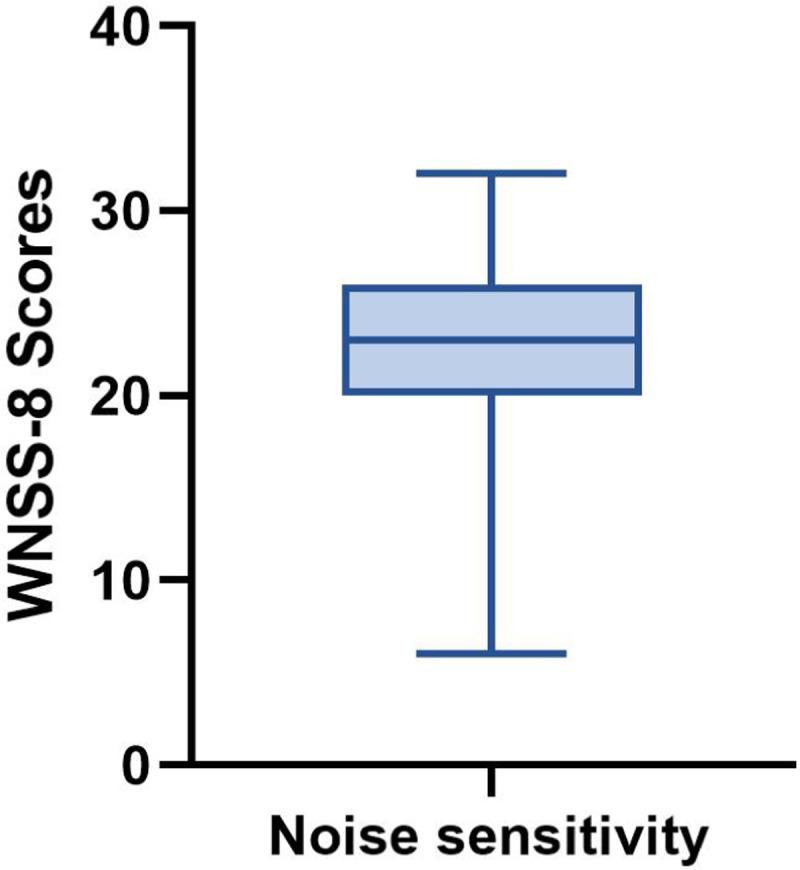
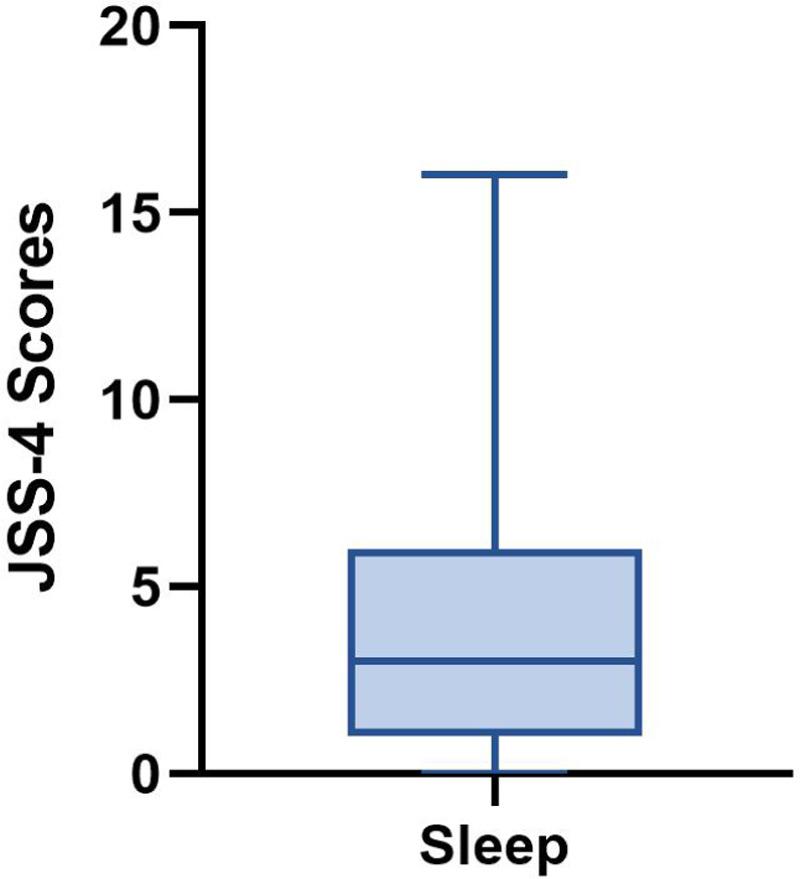
Noise sensitivity refers to an individual's general perception toward noise and may be associated with mental health and sleep. However, the effect of noise sensitivity on mental health requires further exploration. This study aimed to investigate the impact of noise sensitivity on mental health and the mediating role of sleep problems. Methods: We assessed 268 students from Shenzhen University, situated within 800 m of a construction site. We used the Weinstein Noise Sensitivity Scale-8, Patient Health Questionnaire-4, and Jenkins Sleep Scale-4 to assess noise sensitivity, depression, anxiety, and sleep quality. Results: Noise sensitivity was significantly and positively associated with anxiety, depression, and sleep problems (P < 0.01). Logistic regressions indicated that noise sensitivity positively predicted sleep problems (P = 0.011), anxiety, and depression (P = 0.014). The indirect effect of noise sensitivity on anxiety and depression through sleep problems accounted for 38.89% of the total effect (P = 0.268). Conclusion: Sleep problems serve as a mediating variable in the relationship between noise sensitivity and depression and anxiety. Future studies should explore additional variables that mediate the effect of noise sensitivity on mental health.
噪音敏感性是指个体对噪音的总体感知,可能与心理健康和睡眠有关。然而,噪音敏感性对心理健康的影响仍需进一步探索。本研究旨在调查噪音敏感性对心理健康的影响以及睡眠问题的中介作用。方法:我们对深圳大学距离建筑工地800米范围内的268名学生进行了评估。我们使用温斯坦噪音敏感度量表-8、患者健康问卷-4和詹金斯睡眠量表-4来评估噪音敏感性、抑郁、焦虑和睡眠质量。结果:噪音敏感性与焦虑、抑郁和睡眠问题显著正相关(P < 0.01)。逻辑回归表明,噪音敏感性正向预测睡眠问题(P = 0.011)、焦虑和抑郁(P = 0.014)。噪音敏感性通过睡眠问题对焦虑和抑郁的间接效应占总效应的38.89%(P = 0.268)。结论:睡眠问题在噪音敏感性与抑郁和焦虑之间的关系中起中介变量的作用。未来的研究应探索其他中介噪音敏感性对心理健康影响的变量。

 Zotero 插件