
热浪暴露与肾功能快速下降之间的关联:来自中国健康与养老追踪调查(CHARLS)的一项纵向队列研究
Association between heatwave exposure and rapid kidney function decline: a longitudinal cohort study from CHARLS.
作者信息
Zhang Jinshi, Wang Binqi, Ye Binxian, Zhu Bin, Liu Yueming
机构信息
Urology & Nephrology Center, Department of Nephrology, Zhejiang Provincial People's Hospital (Affiliated People's Hospital, Hangzhou Medical College), Hangzhou, Zhejiang, People's Republic of China.
出版信息
BMC Public Health. 2025 Apr 30;25(1):1596. doi: 10.1186/s12889-025-22822-0.
BACKGROUND AND HYPOTHESIS
The worldwide prevalence of renal disease is substantial, with a significant impact on public health and the economy due to the high rates of mortality and morbidity associated with this condition. It is anticipated that projected rises in temperature in a warm climate will have a significant impact on kidney health, with older adults potentially experiencing the most pronounced effects.
METHODS
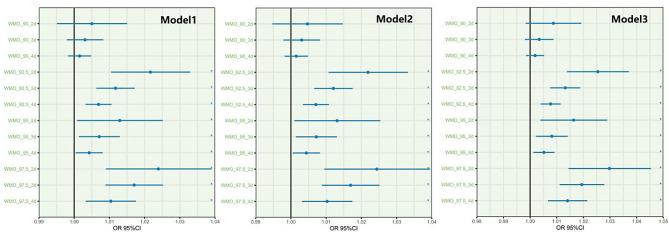
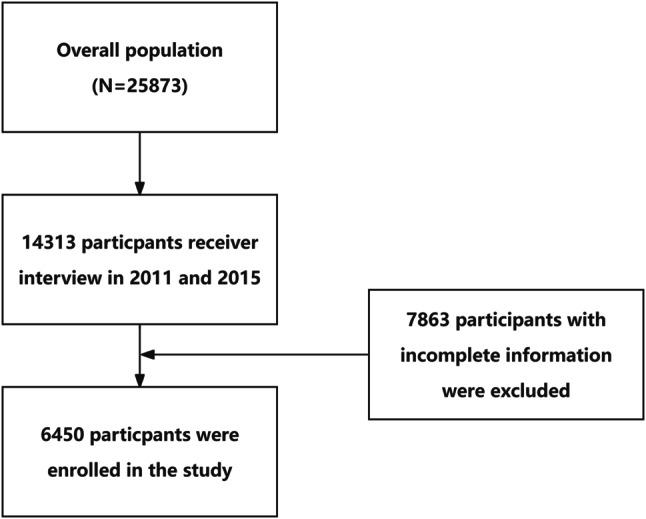
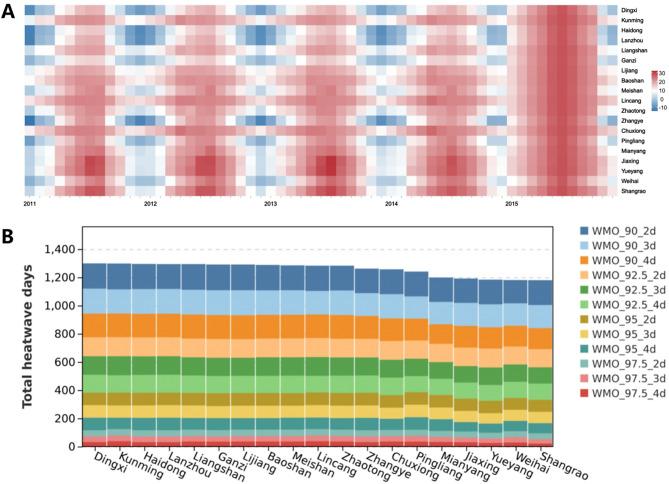
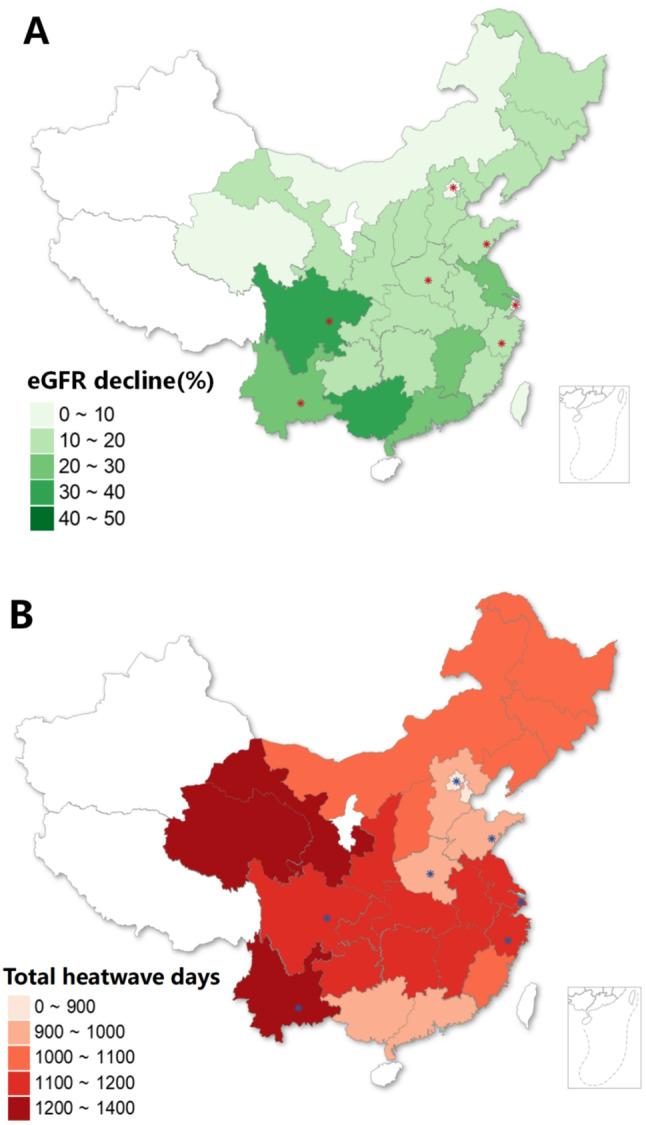
In the China Health and Retirement Longitudinal Study, we assessed daily heatwave exposure individually for 6450 participants and kidney function decline during follow-up from 2011 to 2015. Kidney function, assessed by estimated glomerular filtration rate (eGFR), were tested at the baseline and endpoint surveys. 12 heatwave definitions combining four thresholds and three durations were used. The investigation used the number of heat wave days from 2011 to 2015 as a metric for heat wave exposure according to each of the previously specified criteria of a heat wave. Rapid kidney function decline was defined as a decrease in eGFR ≥ 3mL/min/1.73 m/year. Multivariate logistic regression models was employed to evaluate the association between heat wave and the risk of rapid eGFR decline.
RESULTS
The results showed that the rise in middle to high-intensity heat wave events was connected with a significant risk of rapid kidney function decline. Moreover, we confirmed that the connections between heat wave and rapid kidney function decline were robust after further adjustment of age, gender, medical history, drinking status, smoking status, and biochemical.We observed that males, urban residents, and smoked or drank alcohol were identified as vulnerable populations.
CONCLUSION
This study found that increased heatwave exposure was associated with a higher risk of rapid kidney function decline in older adults.
背景与假设
肾脏疾病在全球范围内普遍存在,因其高死亡率和发病率对公众健康和经济产生重大影响。预计温暖气候中气温的预计升高将对肾脏健康产生重大影响,老年人可能受到的影响最为显著。
方法
在中国健康与养老追踪调查中,我们分别评估了6450名参与者的每日热浪暴露情况以及2011年至2015年随访期间的肾功能下降情况。通过估算肾小球滤过率(eGFR)评估的肾功能在基线和终点调查时进行了检测。使用了结合四个阈值和三种持续时间的12种热浪定义。根据先前指定的热浪标准,该调查将2011年至2015年的热浪天数作为热浪暴露的指标。肾功能快速下降定义为eGFR下降≥3mL/min/1.73 m/年。采用多因素逻辑回归模型评估热浪与eGFR快速下降风险之间的关联。
结果
结果表明,中高强度热浪事件的增加与肾功能快速下降的显著风险相关。此外,在进一步调整年龄、性别、病史、饮酒状况、吸烟状况和生化指标后,我们证实了热浪与肾功能快速下降之间的关联是稳健的。我们观察到男性、城市居民以及吸烟或饮酒者被确定为易感人群。
结论
本研究发现,热浪暴露增加与老年人肾功能快速下降的较高风险相关。
 Zotero 插件