Ver Heul Aaron M, Mack Madison, Zamidar Lydia, Tamari Masato, Yang Ting-Lin, Trier Anna M, Kim Do-Hyun, Janzen-Meza Hannah, Van Dyken Steven J, Hsieh Chyi-Song, Karo Jenny M, Sun Joseph C, Kim Brian S
Division of Allergy and Immunology, Department of Medicine, Washington University School of Medicine, St. Louis, United States.
Immunology and Inflammation Research Therapeutic Area, Sanofi, Cambridge, United States.
Elife. 2025 May 6;13:RP98287. doi: 10.7554/eLife.98287.
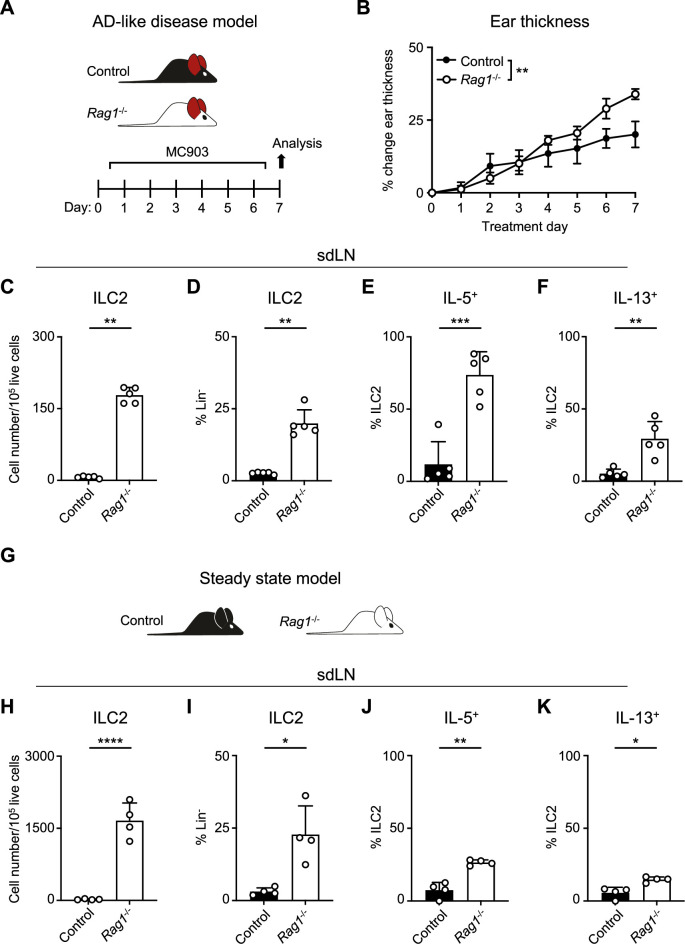
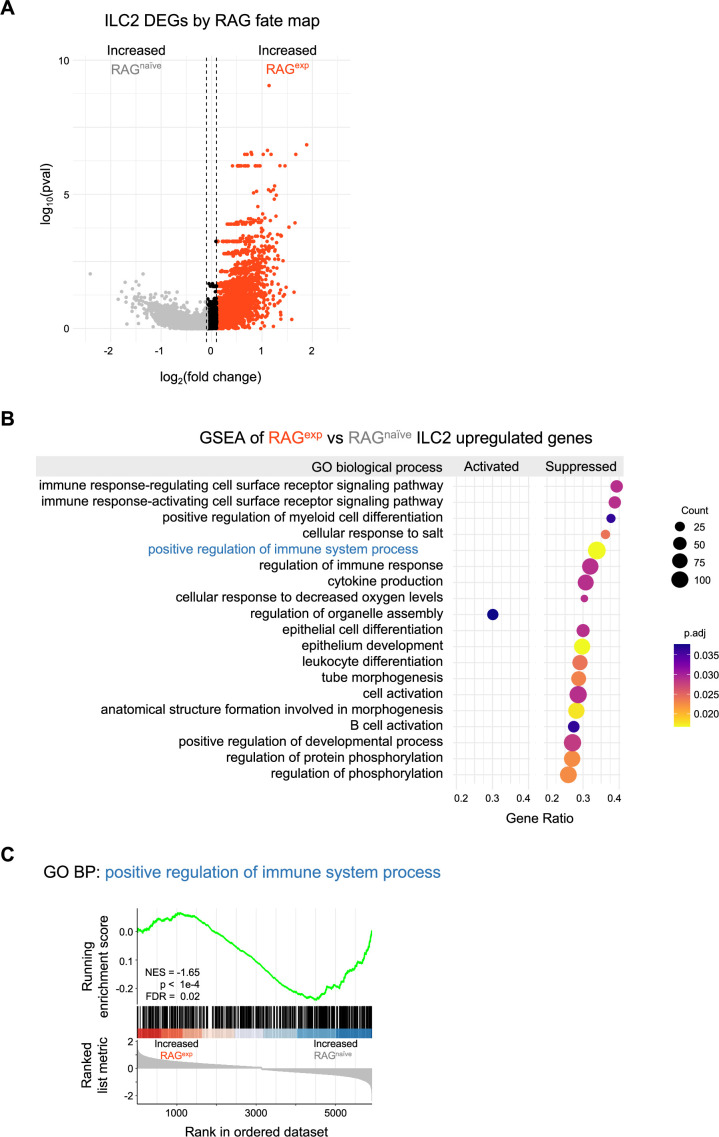
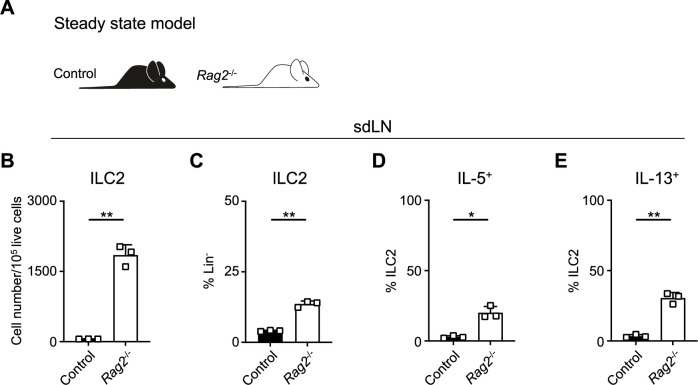
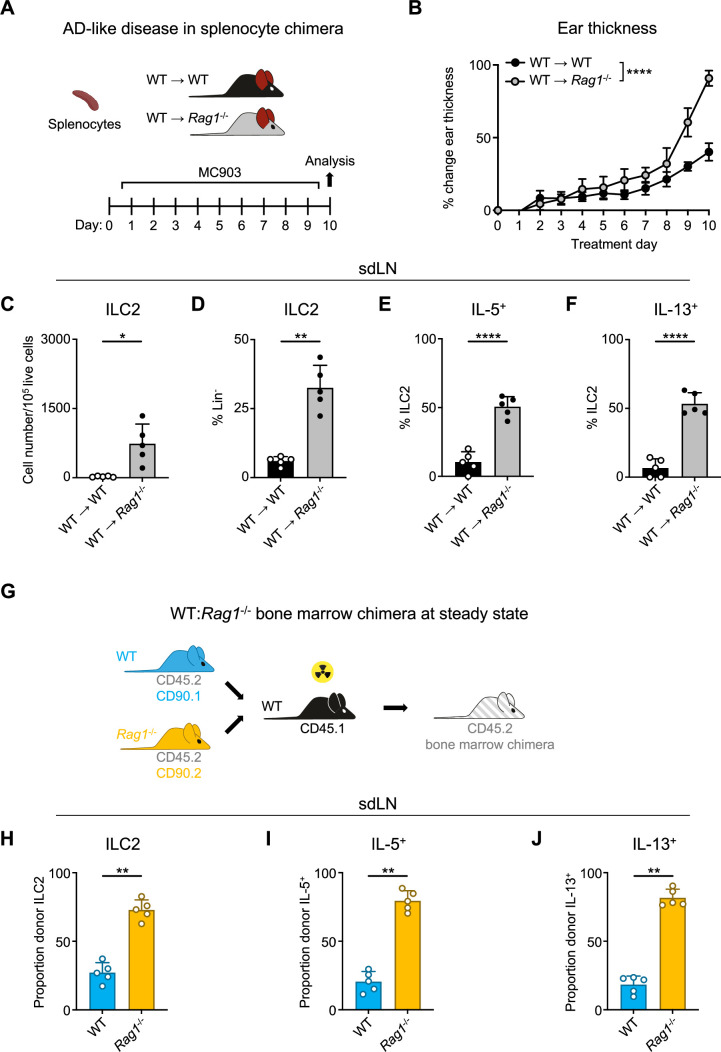
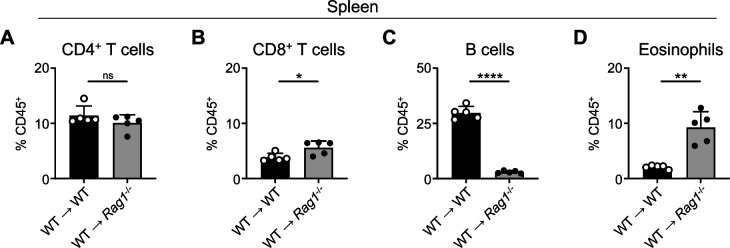
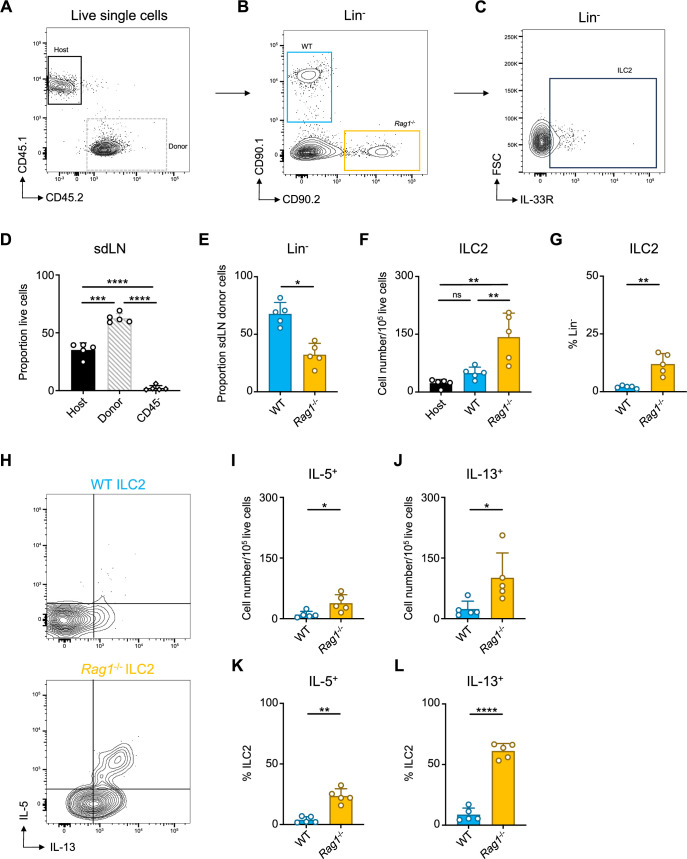
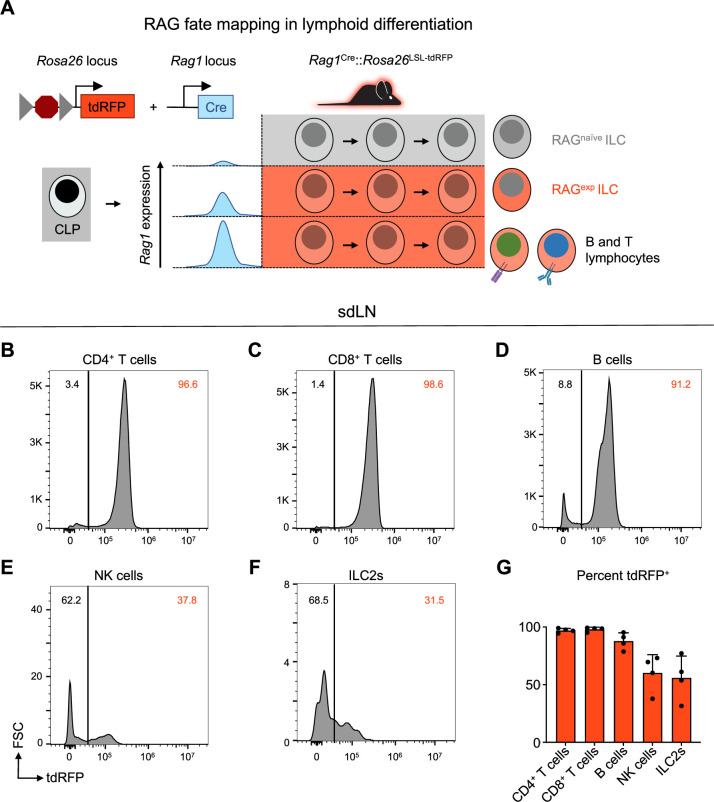
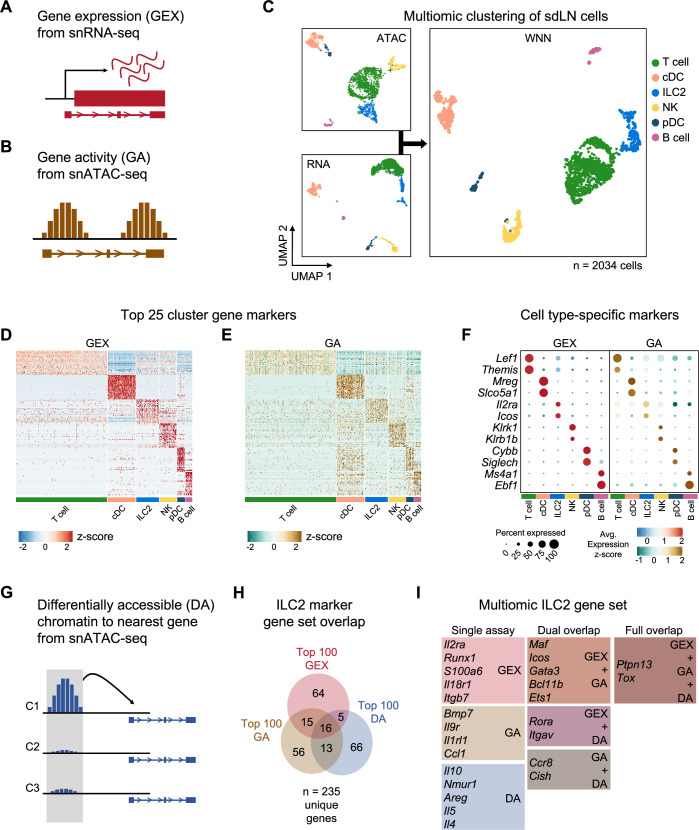
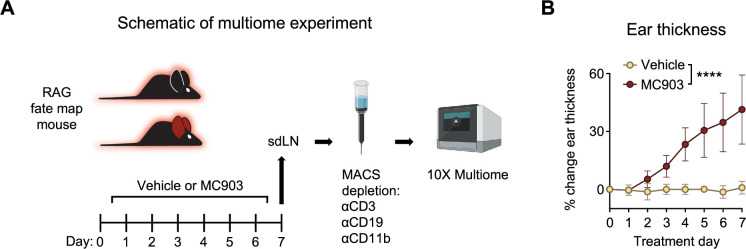
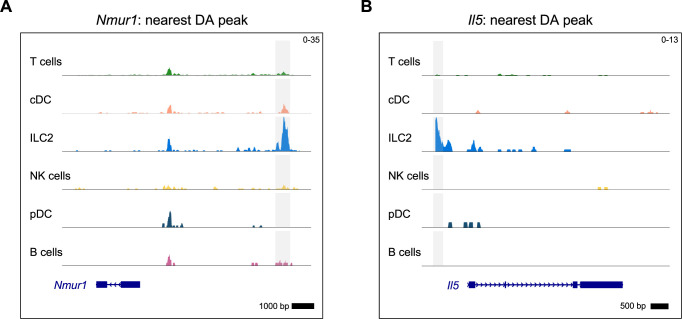
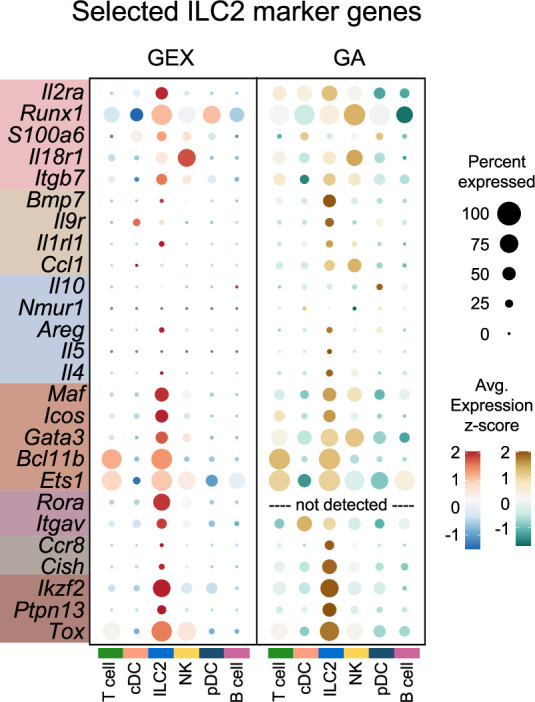
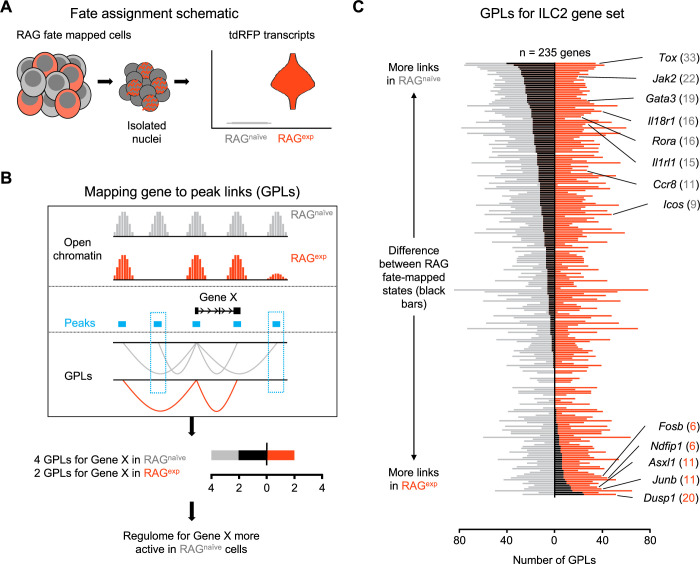
Antigen specificity is the central trait distinguishing adaptive from innate immune function. Assembly of antigen-specific T cell and B cell receptors occurs through V(D)J recombination mediated by the Recombinase Activating Gene endonucleases RAG1 and RAG2 (collectively called RAG). In the absence of RAG, mature T and B cells do not develop and thus RAG is critically associated with adaptive immune function. In addition to adaptive T helper 2 (Th2) cells, group 2 innate lymphoid cells (ILC2s) contribute to type 2 immune responses by producing cytokines like Interleukin-5 (IL-5) and IL-13. Although it has been reported that RAG expression modulates the function of innate natural killer (NK) cells, whether other innate immune cells such as ILC2s are affected by RAG remains unclear. We find that in RAG-deficient mice, ILC2 populations expand and produce increased IL-5 and IL-13 at steady state and contribute to increased inflammation in atopic dermatitis (AD)-like disease. Furthermore, we show that RAG modulates ILC2 function in a cell-intrinsic manner independent of the absence or presence of adaptive T and B lymphocytes. Lastly, employing multiomic single cell analyses of RAG1 lineage-traced cells, we identify key transcriptional and epigenomic ILC2 functional programs that are suppressed by a history of RAG expression. Collectively, our data reveal a novel role for RAG in modulating innate type 2 immunity through suppression of ILC2s.
抗原特异性是区分适应性免疫功能与先天性免疫功能的核心特征。抗原特异性T细胞和B细胞受体的组装通过重组激活基因内切酶RAG1和RAG2(统称为RAG)介导的V(D)J重组发生。在没有RAG的情况下,成熟的T细胞和B细胞无法发育,因此RAG与适应性免疫功能密切相关。除了适应性辅助性T细胞2(Th2)外,2型固有淋巴细胞(ILC2)通过产生白细胞介素-5(IL-5)和IL-13等细胞因子来促进2型免疫反应。虽然有报道称RAG表达可调节先天性自然杀伤(NK)细胞的功能,但RAG是否会影响其他先天性免疫细胞(如ILC2)仍不清楚。我们发现,在RAG缺陷小鼠中,ILC2群体在稳态下会扩增并产生更多的IL-5和IL-13,并导致类特应性皮炎(AD)疾病中的炎症增加。此外,我们表明RAG以细胞内在方式调节ILC2功能,而与适应性T和B淋巴细胞的有无无关。最后,通过对RAG1谱系追踪细胞进行多组学单细胞分析,我们确定了关键的转录和表观基因组ILC2功能程序,这些程序被RAG表达历史所抑制。总体而言,我们的数据揭示了RAG在通过抑制ILC2来调节先天性2型免疫方面的新作用。