Bolger-Chen Maya, Lopera Higuita Manuela, Pendexter Casie A, Mojoudi Mohammadreza, Uygun Korkut, Tessier Shannon N
Center for Engineering in Medicine and Surgery, Massachusetts General Hospital, Harvard Medical School, and Shriners Children's Boston, Boston, MA, USA.
Sci Rep. 2025 May 7;15(1):15935. doi: 10.1038/s41598-025-00159-3.
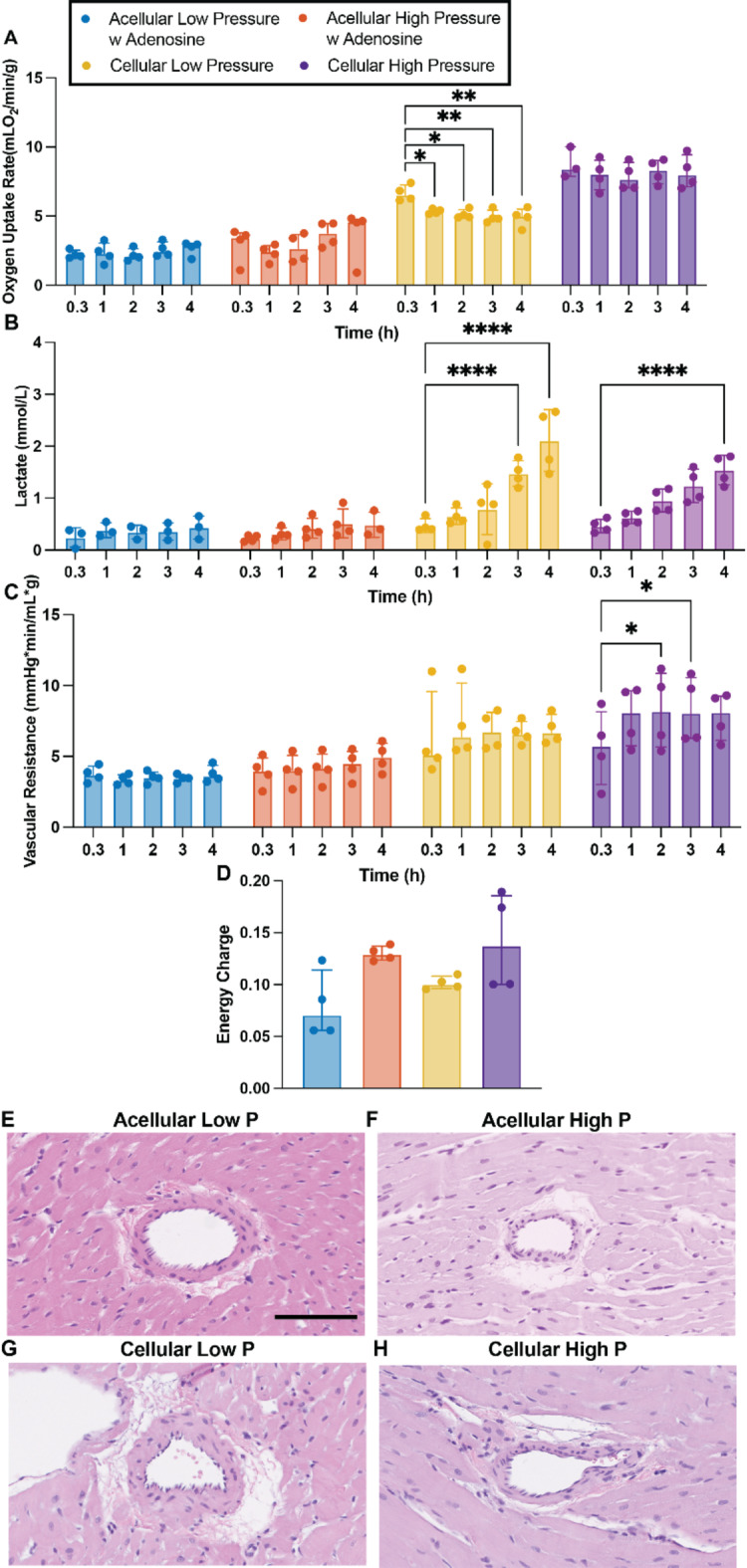
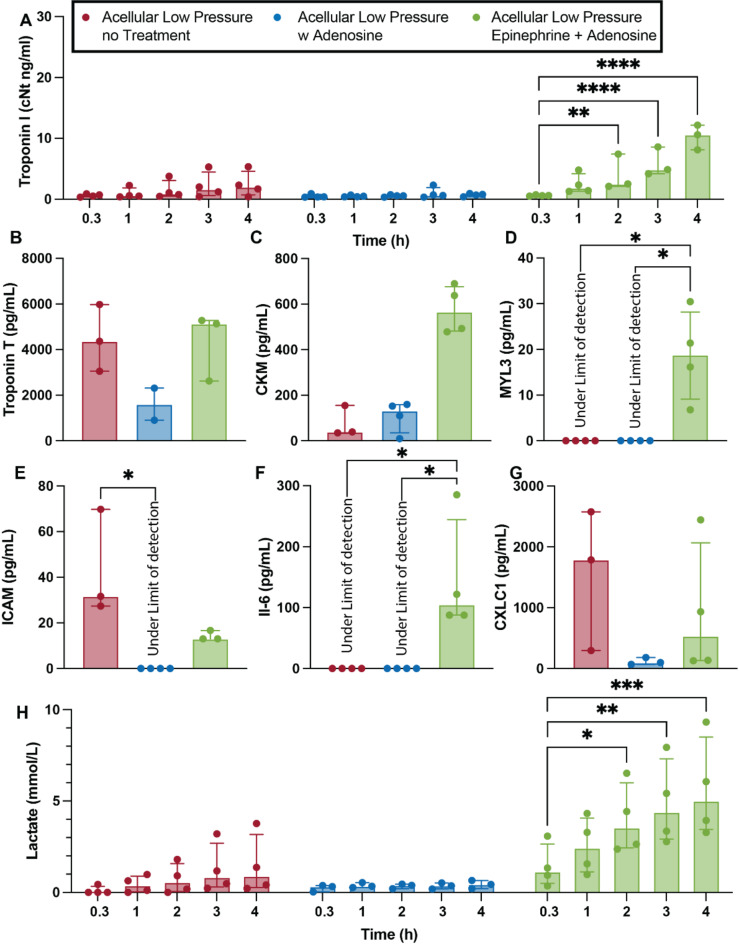
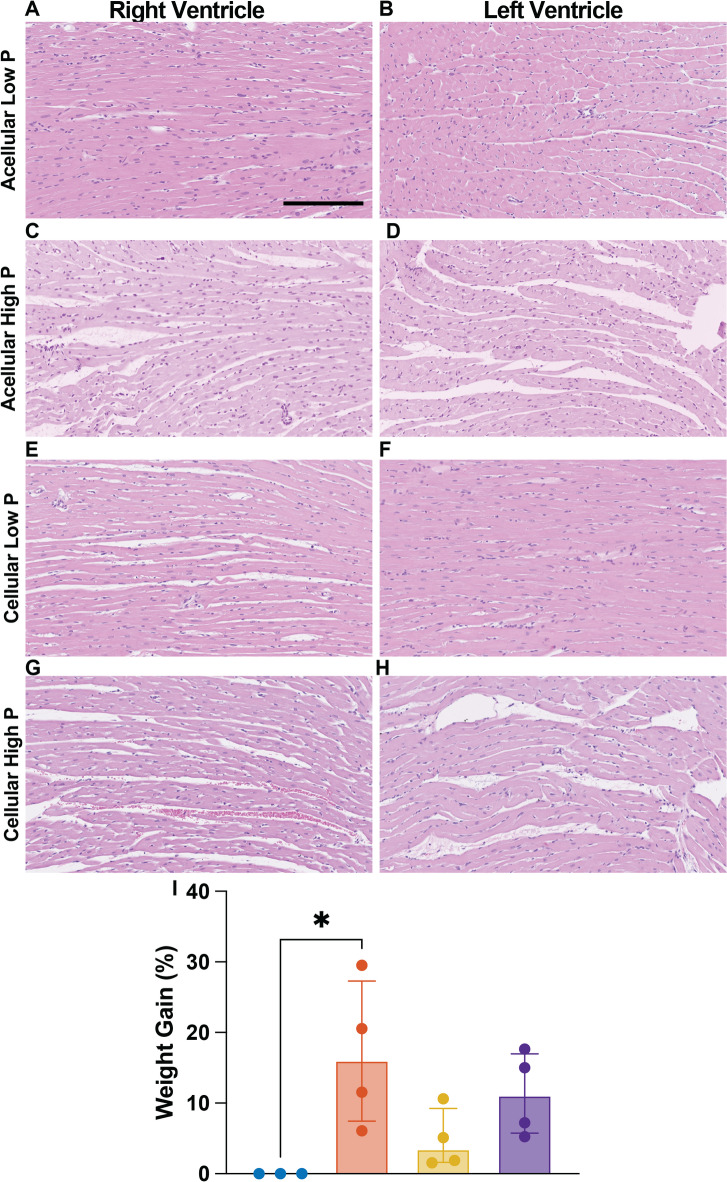
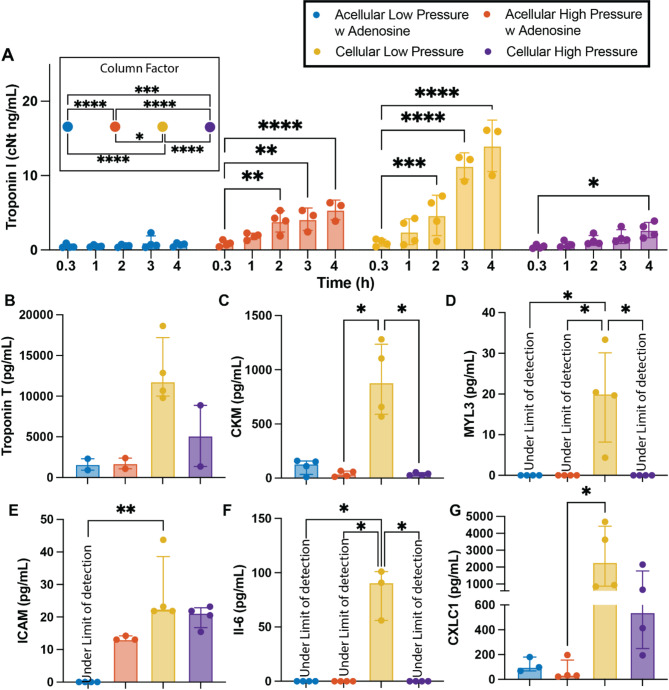
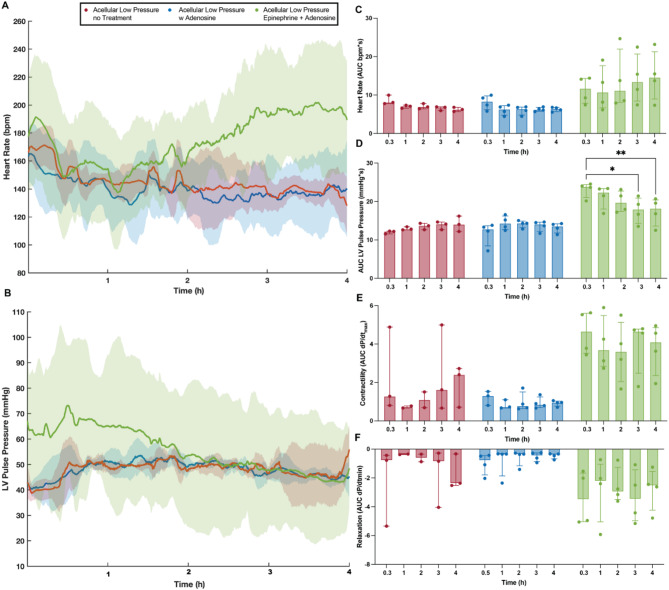
Despite important advancements in addressing cardiovascular diseases (CVDs), there has been an overall lack of progress in the field, leading to a slower decline in the rate of CVDs related deaths, and even an increase for some risk groups (e.g. increase in stroke mortality) exacerbated by an aging and obese population. While a multi-faceted problem, this deceleration may be influenced by the preferred model systems utilized in translation research. Cardiac cell lines, although easier to handle, lack biological accuracy due to the unnatural modifications required for successful culture and may not recapitulate complex 3-dimensional structural and environmental factors. At the same time, whole animal experimentation provides unwanted complexity during initial scientific development. Alternatively, ex vivo perfusion of isolated rodent hearts provides the needed biological accuracy with decreased organismal complexity. This platform facilitates the evaluation of the isolated heart, without neuro-reflexes and/or humoral contributions, unveiling the direct effects of stimuli in heart function/homeostasis. This manuscript leverages the wide array of perfusion parameters (i.e. perfusate, flow rate, coronary pressures), to demonstrate the capability of ex vivo heart perfusion protocols to accommodate a large range of experimental needs. Through this work, it was determined that the use of physiological perfusion pressures leads to increased left ventricular (LV) pressures but results in a loss of function over time, making it ideal conditions for organ assessment. Conversely, lower-than-physiological perfusion pressures lead to decreased LV pressures but prevent loss of function over time, which is preferable when longer perfusion times are relevant to experimental needs. Similarly, the use of adenosine as a pharmacological intervention was found to decrease both edema formation and inflammatory responses. In contrast, the use of packed red blood cells as oxygen carriers appears to induce a pro-inflammatory response and cause greater cardiac damage, particularly when combined with low perfusion pressures.
尽管在心血管疾病(CVD)的治疗方面取得了重要进展,但该领域总体上缺乏进展,导致CVD相关死亡率的下降速度放缓,甚至一些风险群体的死亡率有所上升(例如中风死亡率上升),老龄化和肥胖人群加剧了这一情况。虽然这是一个多方面的问题,但这种减速可能受到转化研究中使用的首选模型系统的影响。心脏细胞系虽然易于处理,但由于成功培养所需的非自然修饰而缺乏生物学准确性,可能无法概括复杂的三维结构和环境因素。同时,全动物实验在初始科学发展过程中带来了不必要的复杂性。相比之下,离体啮齿动物心脏的体外灌注提供了所需的生物学准确性,同时降低了机体复杂性。该平台有助于评估离体心脏,不受神经反射和/或体液影响,揭示刺激对心脏功能/内环境稳定的直接影响。本手稿利用了广泛的灌注参数(即灌注液、流速、冠状动脉压力),以证明体外心脏灌注方案能够满足大量实验需求。通过这项工作,确定使用生理灌注压力会导致左心室(LV)压力升高,但随着时间的推移会导致功能丧失,这使其成为器官评估的理想条件。相反,低于生理水平的灌注压力会导致LV压力降低,但可防止功能随时间丧失,当较长的灌注时间与实验需求相关时,这是更可取的。同样,发现使用腺苷作为药物干预可减少水肿形成和炎症反应。相比之下,使用红细胞悬液作为氧载体似乎会引发促炎反应并造成更大的心脏损伤,特别是在与低灌注压力联合使用时。