
重度抑郁症中的神经炎症与应激诱导的病理生理学:机制与治疗意义
Neuroinflammation and stress-induced pathophysiology in major depressive disorder: mechanisms and therapeutic implications.
作者信息
Zhao Kunying, Zhang Yuxiao, Yang Shuda, Xiang Lirong, Wu Shangpeng, Dong Junfang, Li Huan, Yu Haofei, Hu Weiyan
机构信息
School of Pharmaceutical Science & Yunnan Provincial Key Laboratory of Pharmacology for Natural Products, Kunming Medical University, Kunming, China.
College of Modern Biomedical Industry, Kunming Medical University, Kunming, China.
出版信息
Front Cell Neurosci. 2025 Apr 23;19:1538026. doi: 10.3389/fncel.2025.1538026. eCollection 2025.
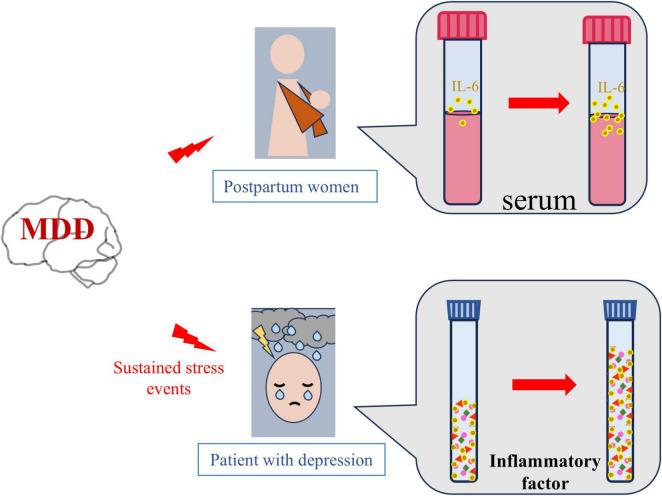
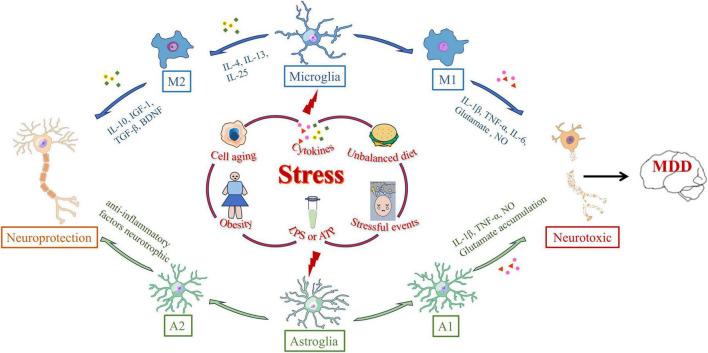
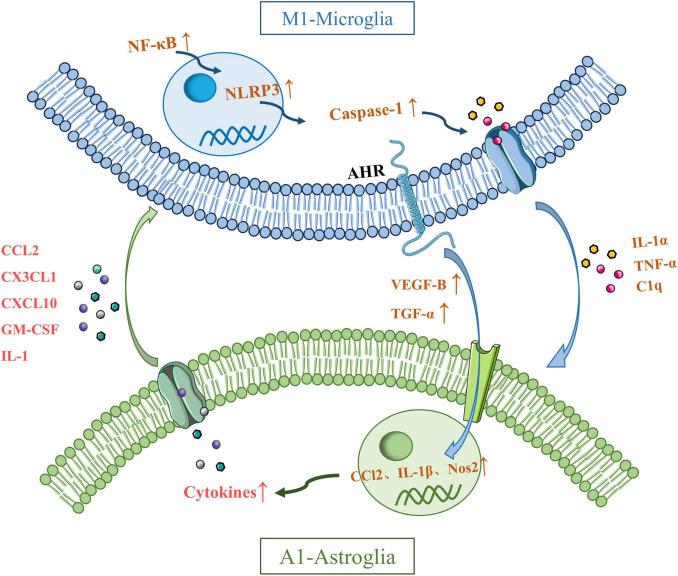
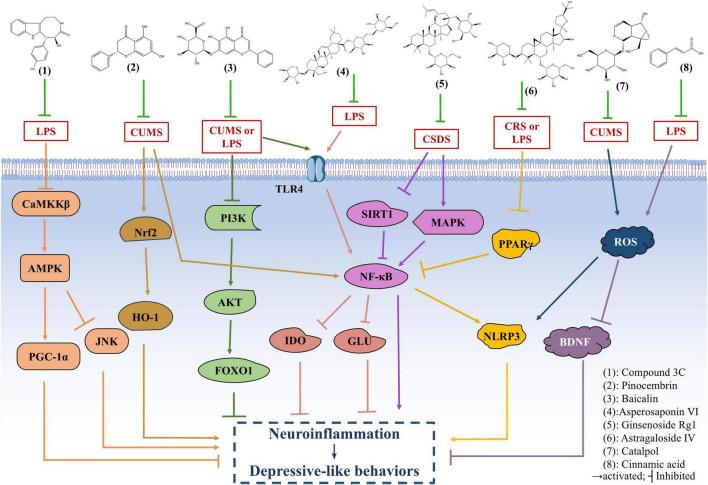
Major depressive disorder (MDD) is one of the most common mental health conditions, characterized by pervasive and persistent low mood, low self-esteem, and a loss of interest or pleasure in activities that are typically enjoyable. Despite decades of research into the etiology and pathophysiological mechanisms of depression, the therapeutic outcomes for many individuals remain less than expected. A promising new area of research focuses on stress-induced neuroinflammatory processes, such as the excessive activation and crosstalk of microglia and astrocytes in the central nervous system under stress, as well as elevated levels of pro-inflammatory cytokines, which are closely linked to the onset and progression of depression. This review summarizes the mechanisms through which neuroinflammation induces or promotes the development of depression, and also highlights the effective roles of small molecules with anti-inflammatory activity in the treatment of MDD. Understanding the specific mechanisms through which stress-induced neuroinflammation further impacts depression, and using technologies such as single-cell RNA sequencing to elucidate the specific subtypes and interactions of microglia and astrocytes in depression, is of great importance for developing more effective therapeutic strategies for MDD.
重度抑郁症(MDD)是最常见的心理健康状况之一,其特征是普遍且持续的情绪低落、自卑,以及对通常令人愉快的活动失去兴趣或愉悦感。尽管对抑郁症的病因和病理生理机制进行了数十年的研究,但许多患者的治疗效果仍不尽如人意。一个有前景的新研究领域聚焦于应激诱导的神经炎症过程,比如应激状态下中枢神经系统中微胶质细胞和星形胶质细胞的过度激活及相互作用,以及促炎细胞因子水平升高,这些都与抑郁症的发生和发展密切相关。本综述总结了神经炎症诱导或促进抑郁症发展的机制,同时还强调了具有抗炎活性的小分子在治疗MDD中的有效作用。了解应激诱导的神经炎症进一步影响抑郁症的具体机制,并利用单细胞RNA测序等技术阐明抑郁症中微胶质细胞和星形胶质细胞的特定亚型及相互作用,对于开发更有效的MDD治疗策略至关重要。
 Zotero 插件