Shen Si, Shen Wang, Wang Lu, Sun Bin, Zhang Yongli, Zhang Yong, Jia Ruoyang, Wu Yang, Chen Xue, Cao Keang, Fang Yuqing, Xia Hongmei
College of Pharmacy, Anhui University of Chinese Medicine, No. 350, Long Zi Hu Road, Hefei, 230012, China.
Mater Today Bio. 2025 Apr 25;32:101795. doi: 10.1016/j.mtbio.2025.101795. eCollection 2025 Jun.
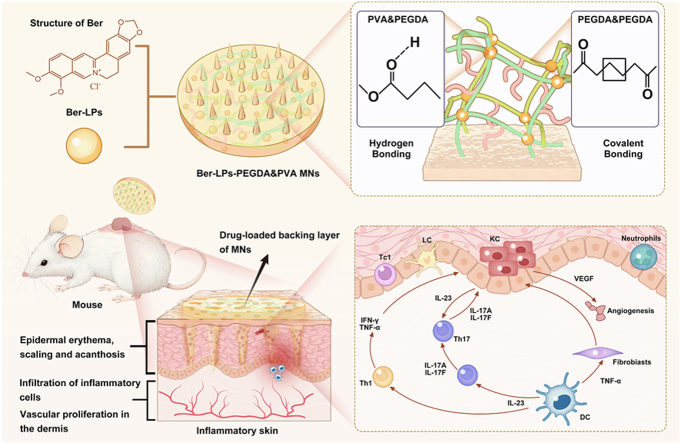
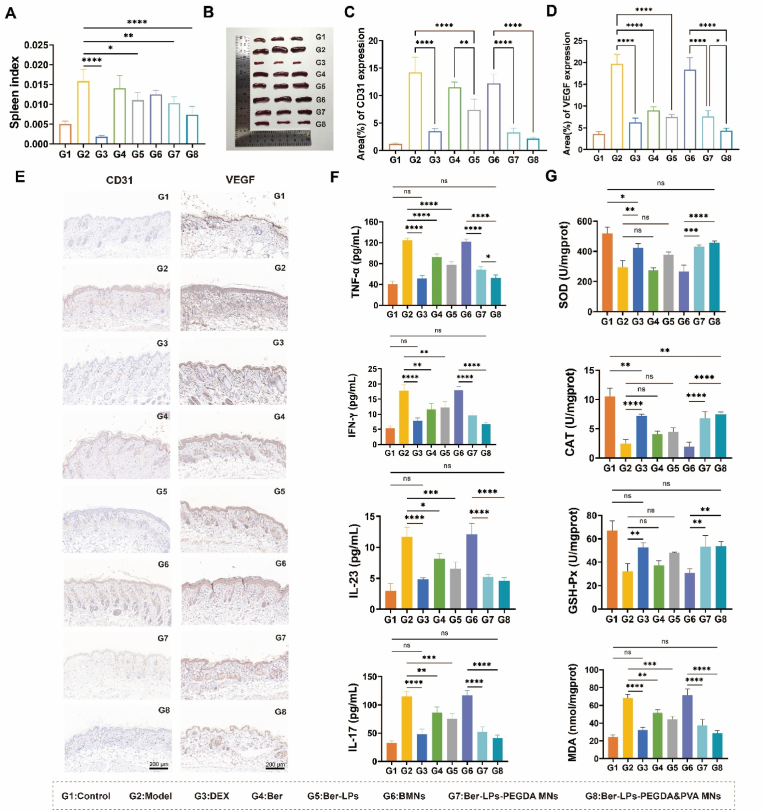
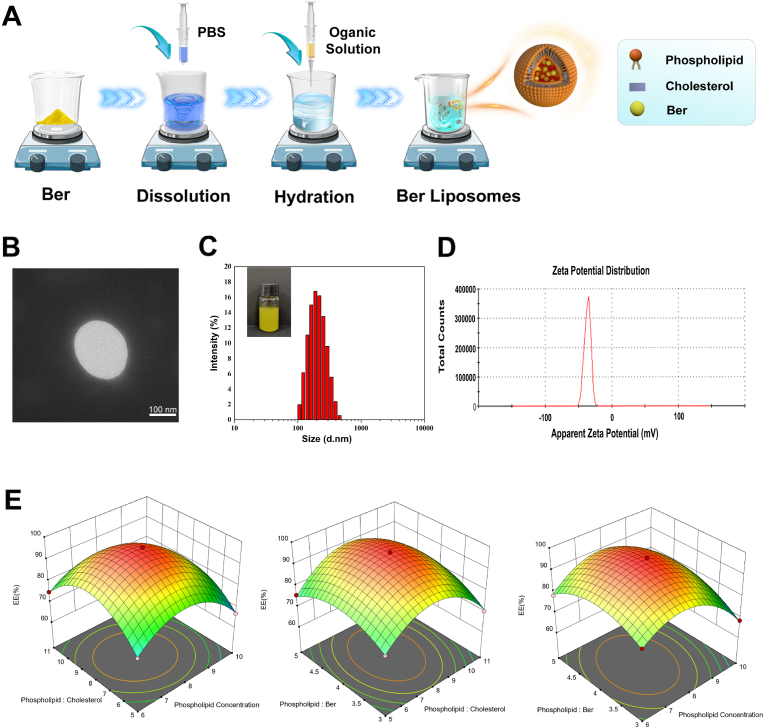
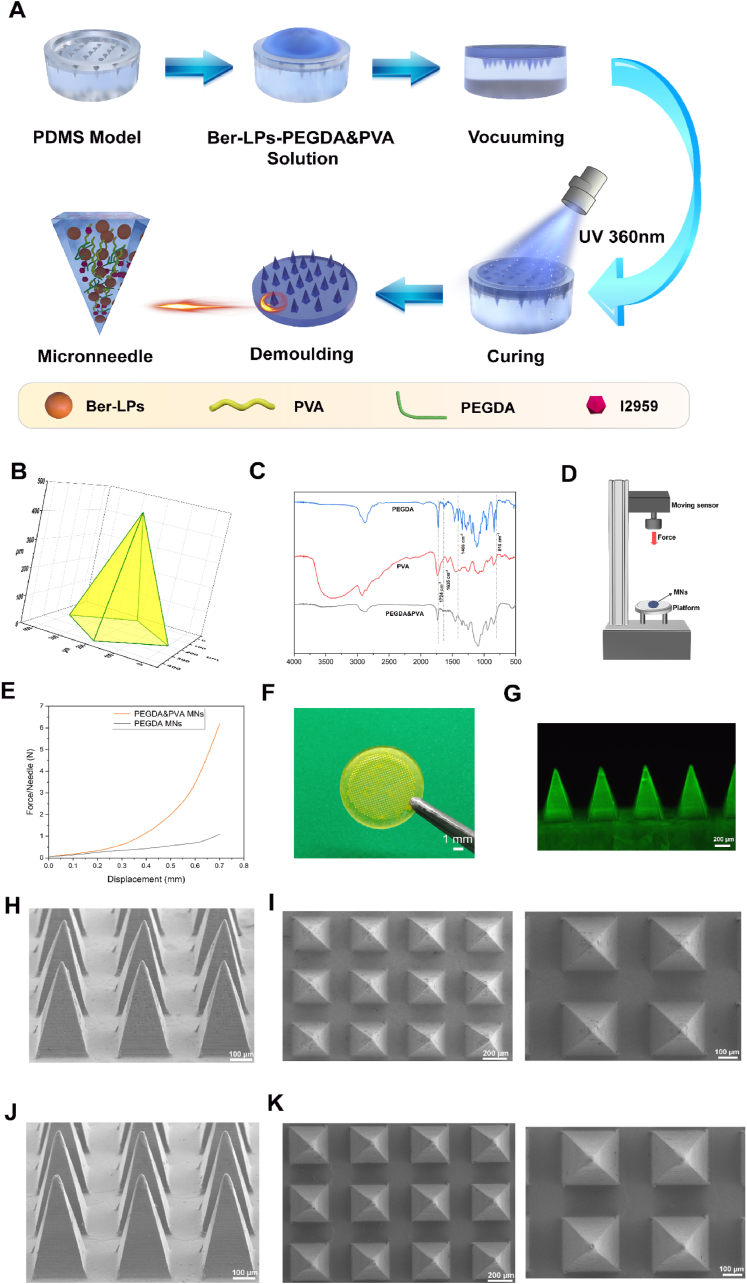
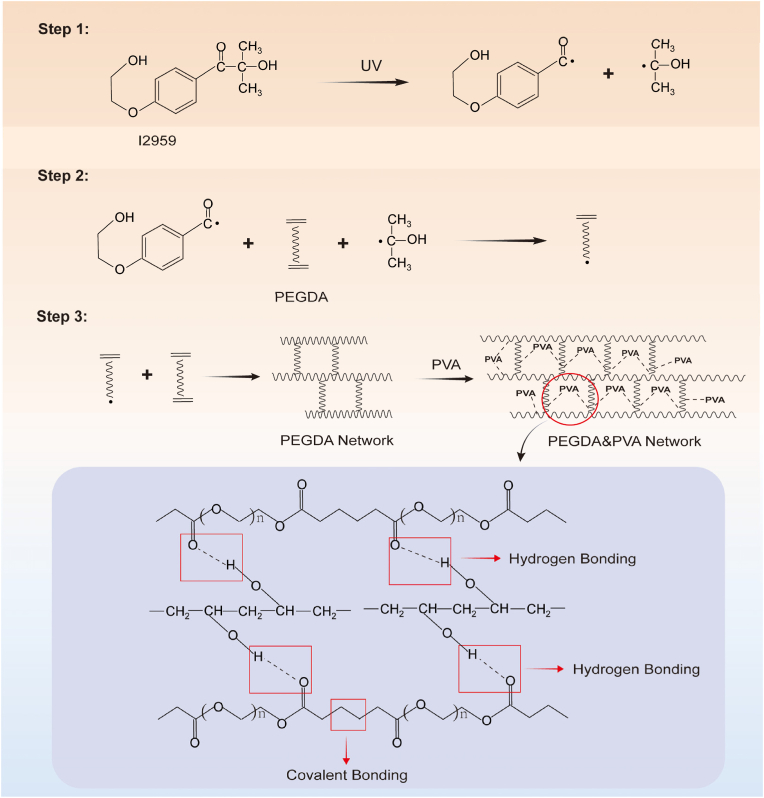
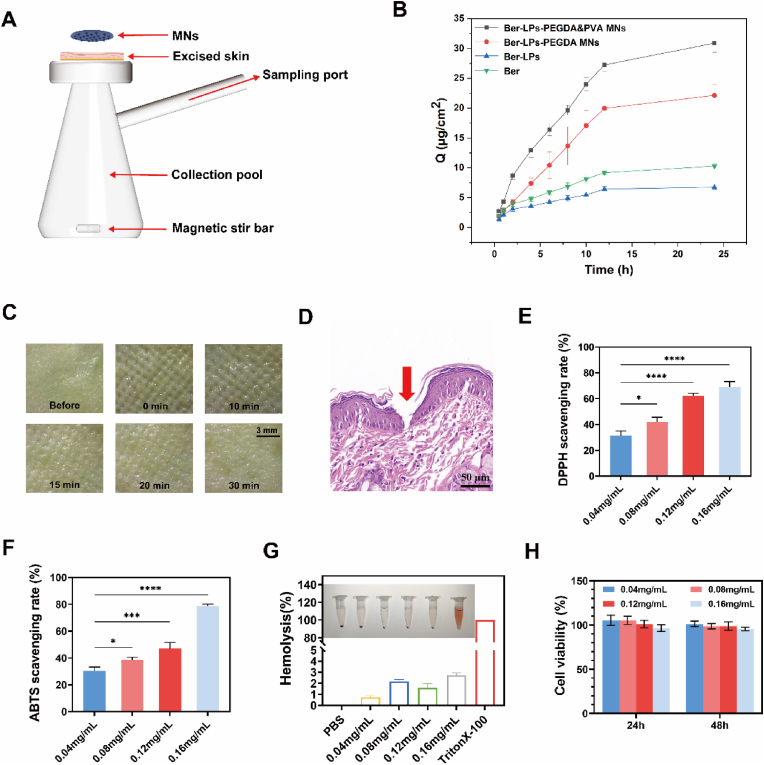
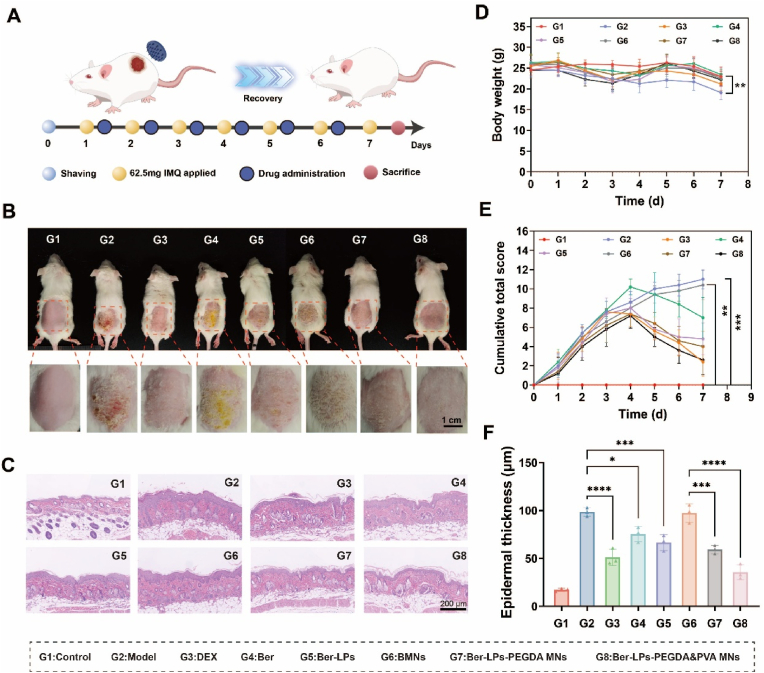
Psoriasis is a common immune-mediated squamous skin disease, primarily characterized by the over proliferation of keratinocytes and a significant thickening of the stratum corneum. Traditional systemic drug delivery therapies often fall short due to low drug bioavailability and significant toxic side effects. Topical medications, while capable of achieving local or systemic treatment via transdermal routes, face limitations in psoriasis patients due to the abnormal thickening of the epidermis, which reduces skin permeability and hampers drug penetration efficiency. Hydrogel microneedles, as an emerging transdermal drug delivery technology, offer significant advantages such as high permeability, ease of use, low toxicity and side effects, and controlled release. Therefore, this study developed a liposome-hydrogel microneedle delivery system for the administration of berberine hydrochloride. We successfully prepared berberine hydrochloride-loaded liposomes (Ber-LPs) with high encapsulation efficiency and good stability, and integrated them into hydrogel microneedles crosslinked with PVA and PEGDA (Ber-LPs-PEGDA&PVA MNs) through a photocuring method. These microneedles exhibit an intact structure, high mechanical strength, and effective skin penetration. In vivo studies on anti-psoriatic effects showed that, compared to the model group, Ber-LPs-PEGDA&PVA MNs significantly alleviated imiquimod-induced psoriasis-like symptoms in mice, reduced skin epidermal thickness, decreased the expression levels of inflammatory cytokines, and lowered the expression of CD31 and VEGF, demonstrating excellent therapeutic efficacy. Additionally, the microneedles exhibited good drug release properties, antioxidant capacity, and biocompatibility. The novel hydrogel microneedle drug delivery system developed in this study offers a safe and effective solution for the treatment of psoriasis, with significant potential for clinical application.
银屑病是一种常见的免疫介导性鳞状皮肤病,主要特征为角质形成细胞过度增殖和角质层显著增厚。传统的全身给药疗法往往因药物生物利用度低和明显的毒副作用而效果不佳。局部用药虽然能够通过透皮途径实现局部或全身治疗,但在银屑病患者中存在局限性,因为表皮异常增厚会降低皮肤通透性并阻碍药物渗透效率。水凝胶微针作为一种新兴的透皮给药技术,具有高渗透性、使用方便、低毒性和副作用以及控释等显著优点。因此,本研究开发了一种用于盐酸小檗碱给药的脂质体 - 水凝胶微针递送系统。我们成功制备了具有高包封率和良好稳定性的盐酸小檗碱负载脂质体(Ber-LPs),并通过光固化方法将其整合到与聚乙烯醇(PVA)和聚乙二醇二丙烯酸酯(PEGDA)交联的水凝胶微针中(Ber-LPs-PEGDA&PVA MNs)。这些微针结构完整、机械强度高且皮肤穿透效果良好。抗银屑病作用的体内研究表明,与模型组相比,Ber-LPs-PEGDA&PVA MNs 显著减轻了咪喹莫特诱导的小鼠银屑病样症状,降低了皮肤表皮厚度,降低了炎性细胞因子的表达水平,并降低了 CD31 和血管内皮生长因子(VEGF)的表达,显示出优异的治疗效果。此外,微针表现出良好的药物释放性能、抗氧化能力和生物相容性。本研究开发的新型水凝胶微针药物递送系统为银屑病的治疗提供了一种安全有效的解决方案,具有显著的临床应用潜力。