Esmaeeli Mahdi, Ghotbi Nastaran, Malmir Kazem, Ansari Noureddin Nakhostin, Herrero Pablo, Jalaie Shohreh, Loni Elham, Mazidi Sajede
Department of Physiotherapy, School of Rehabilitation, Tehran University of Medical Sciences, P. O. Box 113635-1683, Tehran, Iran.
Research Center for War-Affected People, Tehran University of Medical Sciences, Tehran, Iran.
J Med Case Rep. 2025 May 18;19(1):233. doi: 10.1186/s13256-025-05270-7.
Static stretching is a treatment that reduces spasticity by elongating the muscle fibers. Dry needling is also a novel intervention that reduces spasticity by destroying dysfunctional endplates. Plantar flexor spasticity can cause gait disturbances and impaired balance in patients who have had a stroke. Therefore, reducing the spasticity of these muscles can improve the patient's independence and overall function. This study reported the additional effects of dry needling on static stretching in reducing spasticity and function in a chronic stroke patient.
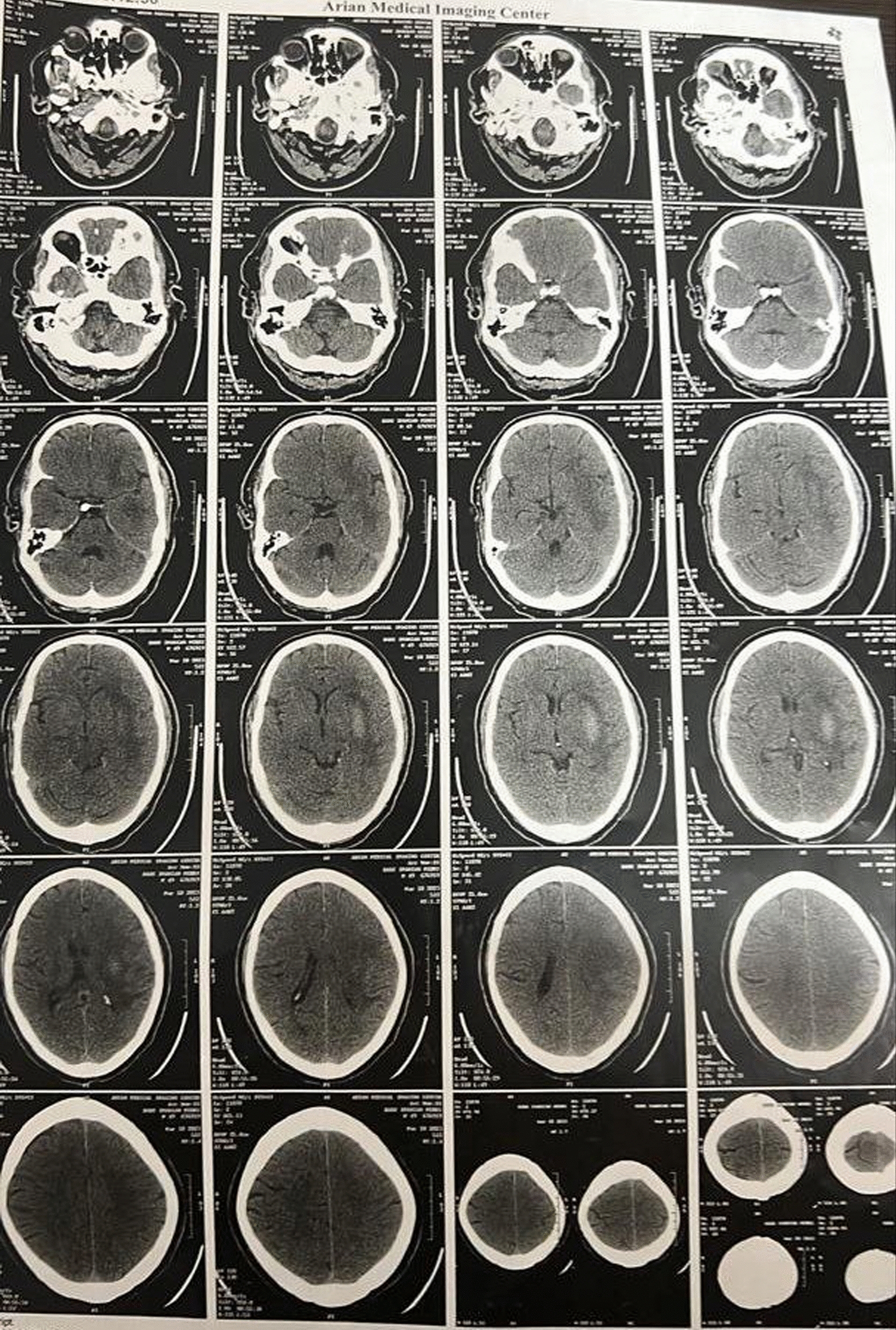
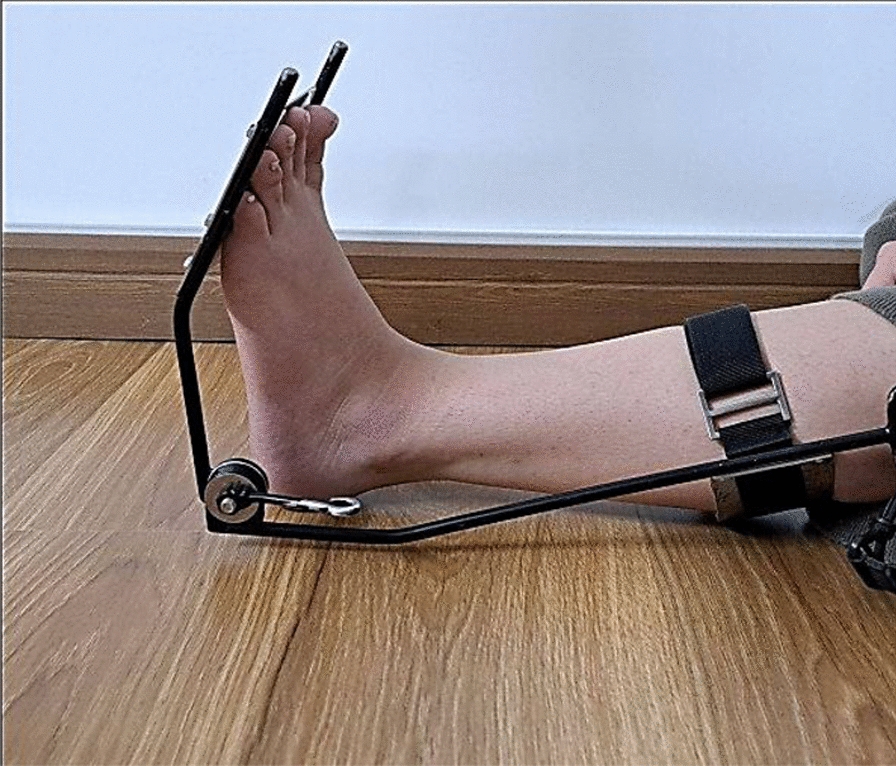
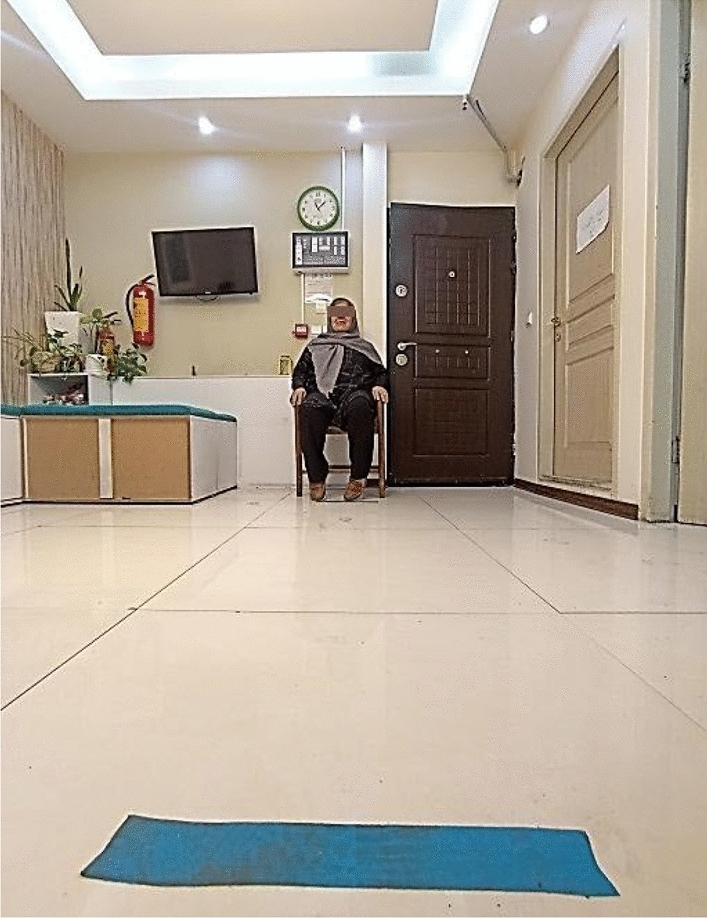
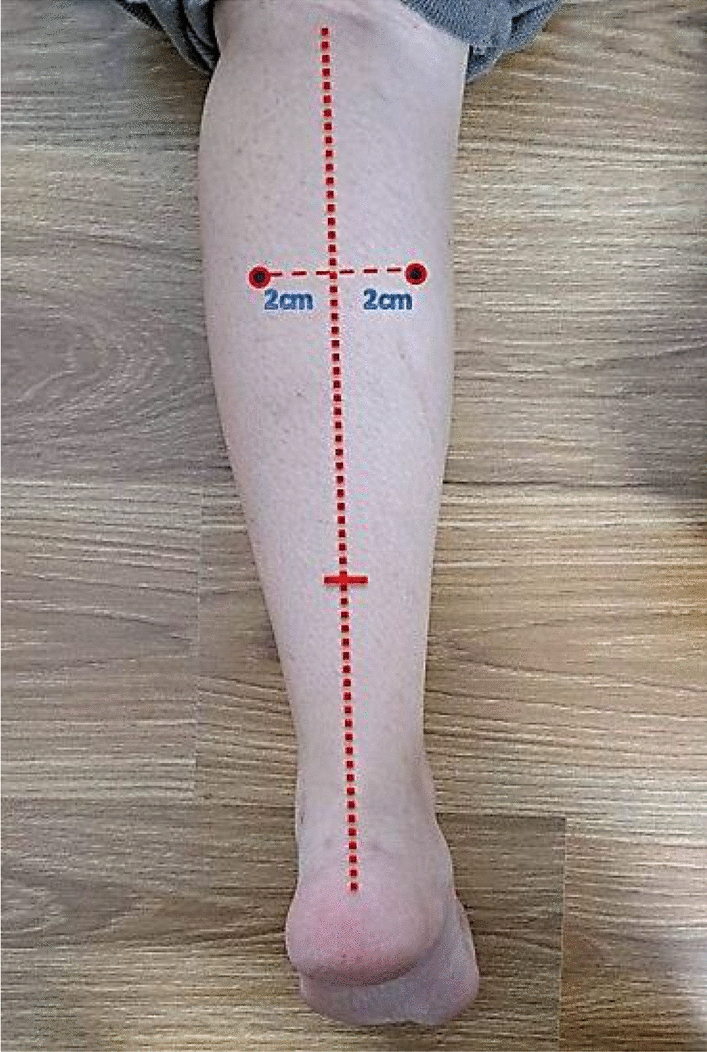
The patient was a 47-year-old Iranian woman with a past-7-month history of stroke and plantar flexor muscle spasticity. In this study, interventions were conducted for 5 days. In the treatment session, first dry needling (60 seconds × 3 days/week for 1 week total) was applied on the gastrocnemius, and then, an orthosis was used for static stretching (20 minutes × 5 days/week for 1 week total). The outcome measures were the Modified Modified Ashworth Scale, active and passive range of motion, the timed up and go test, and the European Quality of Life questionnaire . The patient was assessed at baseline (T0), immediately following treatment (T1), and at 1-week follow-up (T2). The results were reported as follows: The Modified Modified Ashworth Scale score decreased from 2 at T0 to 1 at T1 and remained 1 at T2. Active range of motion increased from 10° at T0 to 25° at T1 and decreased again to 15° at T2. Passive range of motion increased from 40° at T0 to 50° at T1 and decreased again to 45° at T2. The timed up and go test decreased from 50 seconds at T0 to 40 seconds at T1 and increased again to 42 seconds at T2. Her European Quality of Life questionnaire score increased from 0.25 at T0 to 0.39 at T1 and remained unchanged at 0.39 at T2.
This case study reported a patient with post-stroke spasticity. After dry needling in combination with static stretching, spasticity and overall function improved. It would be beneficial to conduct a randomized clinical trial study with a control group to comprehend the additional impact of dry needling on static stretching. Trial registration IRCT20230719058844N1, Registered 7 August 2023, https://irct.behdasht.gov.ir/trial/71395 .
静态拉伸是一种通过拉长肌肉纤维来减轻痉挛的治疗方法。干针疗法也是一种新型干预措施,通过破坏功能失调的终板来减轻痉挛。跖屈肌痉挛可导致中风患者步态紊乱和平衡受损。因此,减轻这些肌肉的痉挛可提高患者的独立性和整体功能。本研究报告了干针疗法对静态拉伸在减轻慢性中风患者痉挛和功能方面的额外效果。
该患者是一名47岁的伊朗女性,有7个月的中风病史和跖屈肌痉挛。在本研究中,干预持续了5天。在治疗过程中,首先对腓肠肌进行干针疗法(每周3天,每次60秒,共1周),然后使用矫形器进行静态拉伸(每周5天,每次20分钟,共1周)。结果测量指标包括改良的Ashworth量表、主动和被动活动范围、定时起立行走测试以及欧洲生活质量问卷。在基线(T0)、治疗后即刻(T1)和1周随访(T2)时对患者进行评估。结果报告如下:改良的Ashworth量表评分从T0时的2分降至T1时的1分,并在T2时保持在1分。主动活动范围从T0时的10°增加到T1时的25°,并在T2时再次降至15°。被动活动范围从T0时的40°增加到T1时的50°,并在T2时再次降至45°。定时起立行走测试从T0时的50秒降至T1时的40秒,并在T2时再次升至42秒。她的欧洲生活质量问卷评分从T0时的0.25提高到T1时的0.39,并在T2时保持在0.39不变。
本病例研究报告了一名中风后痉挛患者。在干针疗法联合静态拉伸后,痉挛和整体功能得到改善。进行一项有对照组的随机临床试验研究,以了解干针疗法对静态拉伸的额外影响将是有益的。试验注册:IRCT20230719058844N1,于2023年8月7日注册,https://irct.behdasht.gov.ir/trial/71395 。