Blaho Victoria A, Minyard Joshua T
Cancer Metabolism and Microenvironment Program, NCI-designated Cancer Center, Sanford Burnham Prebys Medical Discovery Institute, La Jolla, CA, United States.
Front Immunol. 2025 May 2;16:1572959. doi: 10.3389/fimmu.2025.1572959. eCollection 2025.
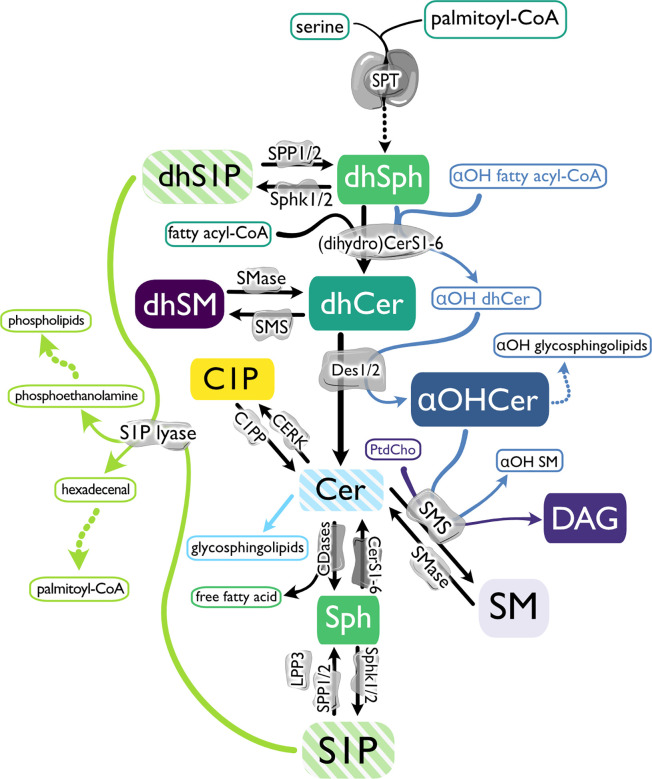
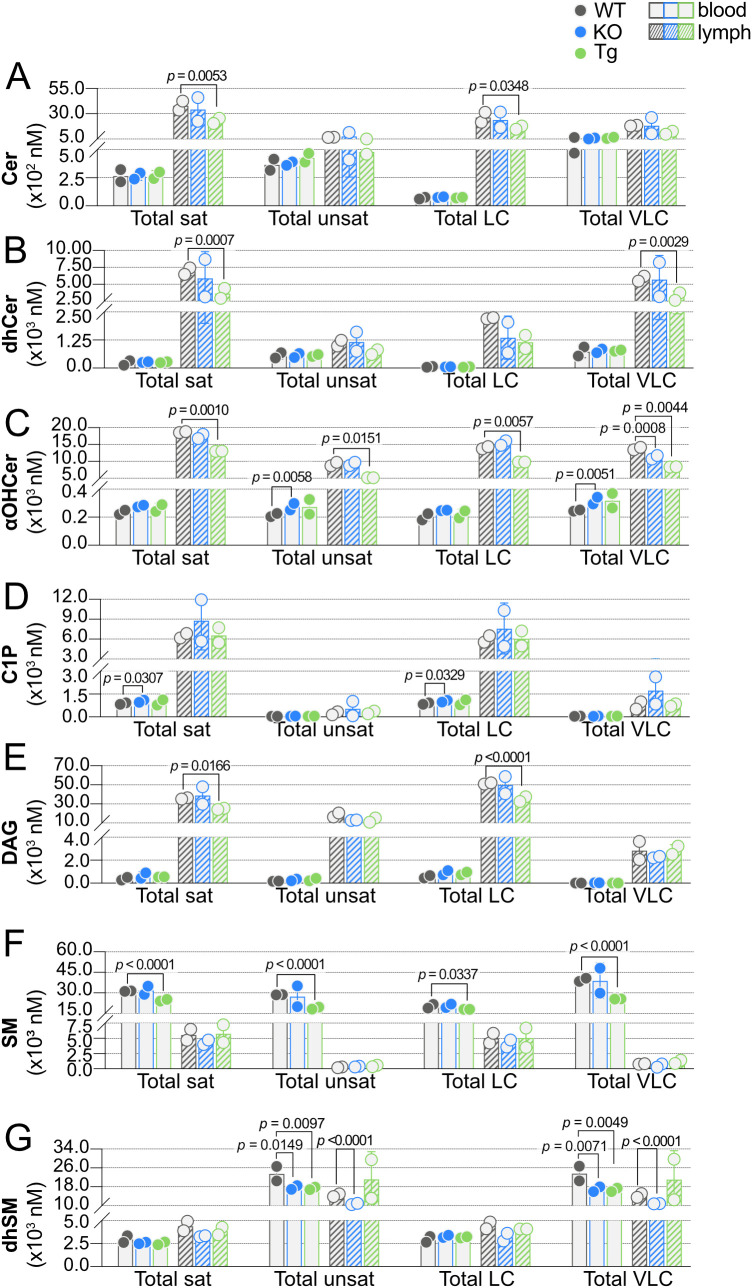
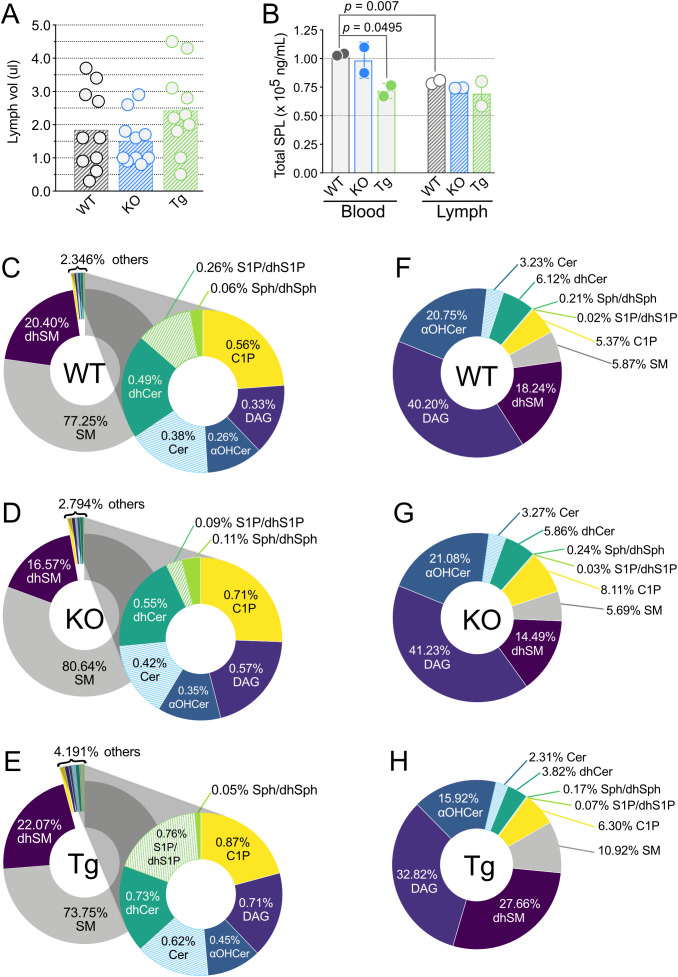
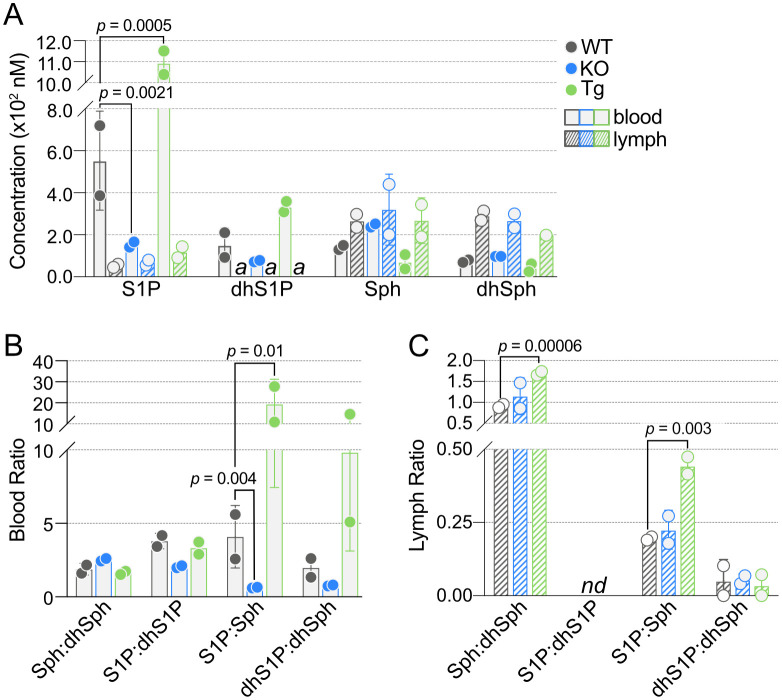
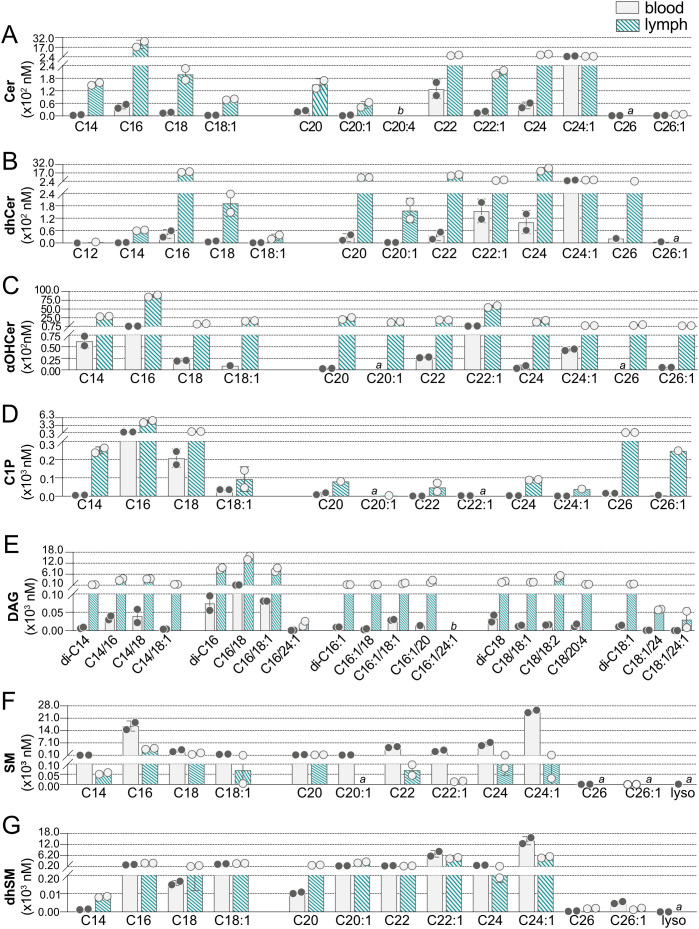
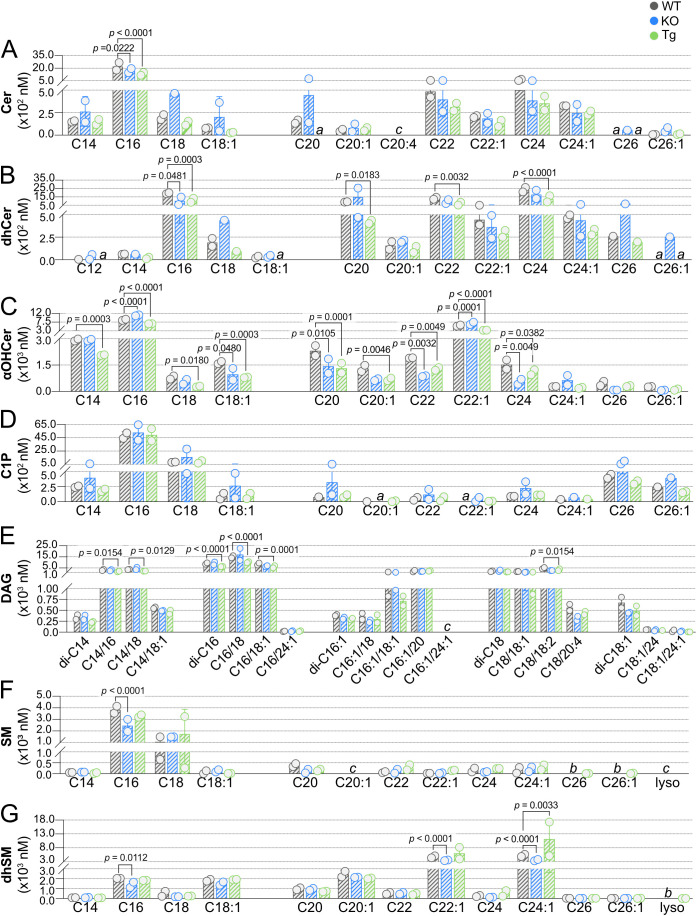
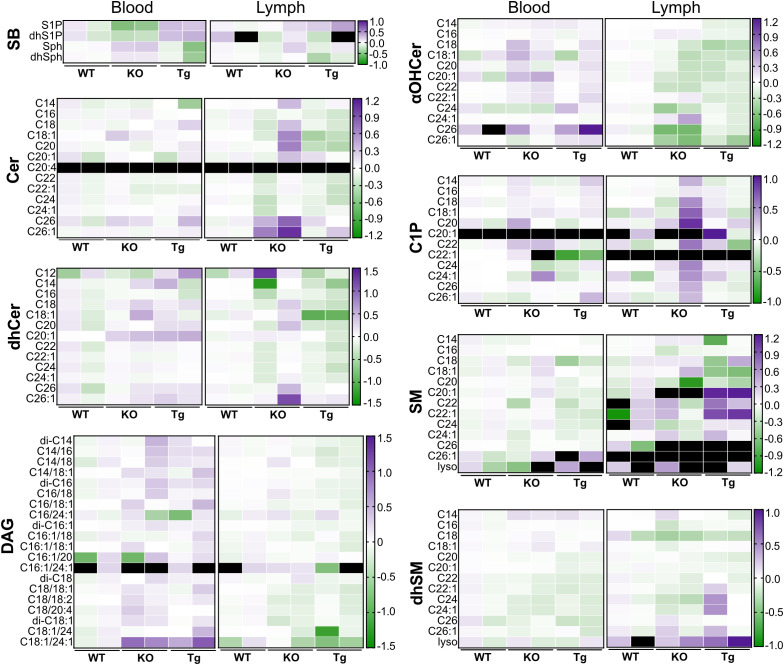
Members of the diverse family of sphingolipids (SPL), such as ceramides (Cer) and sphingomyelins (SM), are well-known structural and bioactive signaling molecules. A key SPL family member and critical signaling lipid, sphingosine 1-phosphate (S1P), is carried in blood primarily by its "chaperone" protein apolipoprotein M (ApoM) on high-density lipoprotein (HDL) particles. S1P has been shown to regulate diverse biological pathways through specific G protein-coupled receptor signaling (GPCR) that can be modulated based upon chaperone: ApoM or albumin. Blood concentrations of ApoM itself are altered in human diseases such as coronary artery disease, type I and II diabetes, and systemic lupus erythematosus, diseases that have also been linked to changes in other SPL species; however, studies measuring molecules only in blood while neglecting lymph concentrations may be excluding clues to the physiology affected by multiorgan metabolic pathways. Comparing SM, dihydroSM, Cer, dihydroCer, α-hydroxy Cer (αOHCer), Cer 1-phosphate (C1P), sphingosine (Sph)/dihydroSph, S1P/dihydroS1P, and diacylglycerol (DAG) concentrations in wild-type mouse blood and lymph plasmas with those in mice lacking ApoM and mice expressing a human transgene of ApoM, we describe unanticipated differences between the blood and lymph sphingolipidomes and their ApoM-responsive lipid species. Of the 100 unique SPL species targeted, 97 were identified in blood and 94 in lymph. Some of the most striking findings were in lymph, where we identified αOHCer as a previously unidentified major SPL constituent. This report provides a unique resource and starting point for further investigations into the contributions of the circulating sphingolipidome to homeostasis and disease.
鞘脂(SPL)种类多样,其家族成员,如神经酰胺(Cer)和鞘磷脂(SM),是众所周知的具有结构和生物活性的信号分子。鞘脂家族的一个关键成员及重要的信号脂质——1-磷酸鞘氨醇(S1P),在血液中主要由其“伴侣”蛋白载脂蛋白M(ApoM)携带于高密度脂蛋白(HDL)颗粒上。研究表明,S1P可通过特定的G蛋白偶联受体信号传导(GPCR)调节多种生物学途径,而这种调节可基于伴侣蛋白:ApoM或白蛋白进行。在诸如冠状动脉疾病、I型和II型糖尿病以及系统性红斑狼疮等人类疾病中,ApoM自身的血液浓度会发生改变,这些疾病也与其他鞘脂种类的变化有关;然而,仅在血液中测量分子而忽略淋巴液浓度的研究可能会遗漏多器官代谢途径对生理学影响的线索。通过比较野生型小鼠血液和淋巴血浆与缺乏ApoM的小鼠以及表达人ApoM转基因的小鼠中SM、二氢SM、Cer、二氢Cer、α-羟基神经酰胺(αOHCer)、1-磷酸神经酰胺(C1P)、鞘氨醇(Sph)/二氢鞘氨醇、S1P/二氢S1P和二酰基甘油(DAG)的浓度,我们描述了血液和淋巴鞘脂组及其ApoM反应性脂质种类之间意想不到的差异。在靶向的100种独特鞘脂种类中,97种在血液中被鉴定出来,94种在淋巴液中被鉴定出来。一些最显著的发现出现在淋巴液中,我们在其中将αOHCer鉴定为一种先前未被识别的主要鞘脂成分。本报告为进一步研究循环鞘脂组对体内平衡和疾病的贡献提供了独特的资源和起点。