Wang Yi, Song Linhong, Wang Yanhua, Li Jun, Xie Yuanyuan, Yan Lei, Zhou Huixia, Hu Siqi
Institute of Pediatrics, Faculty of Pediatrics, The Seventh Medical Center of PLA General Hospital, Beijing, China.
National Engineering Laboratory for Birth Defect Prevention and Control of Key Technology, Beijing, China.
Ital J Pediatr. 2025 May 19;51(1):142. doi: 10.1186/s13052-025-02003-w.
The use of medication in the neonatal intensive care unit (NICU) is a complex field that requires special attention, as neonatal patients may have different sensitivities and responses to drugs than adults and older children. The administration of medication in the NICU must consider various factors, including the dosage of the medication, the route of administration, monitoring, and potential drug interactions.
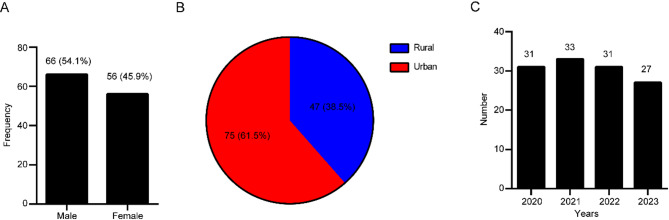
In this study, we conducted a retrospective analysis of medication use in the neonatal intensive care unit of 122 preterm infants treated in our hospital from 2020 to 2023.
Correlation analysis revealed that among perinatal clinical characteristics, birth weight was moderately positively correlated with gestational age, with a correlation coefficient greater than that of birth weight with the Apgar score. The top 3 medication types in the NICU were "vitamins, nutritional drugs, enzyme preparations and drugs that regulate water, electrolytes, and acid-base balance", "blood hematopoietic system medications", and "antimicrobial medications". From 2020 to 2023, the most commonly used drugs in the NICU were vitamin AD (vitamin A and vitamin D) drops and calcium gluconate injections. In addition, we demonstrated that the most commonly prescribed off-label drugs were vitamins, water and electrolyte balance nutrition drugs, and blood circulation system drugs.
Our retrospective study will not only help identify and evaluate interventions to reduce medication errors but also aid healthcare systems and providers in understanding, implementing, and enhancing these interventions to improve the safety and quality of care for newborns. Nonetheless, further research is needed to assess the relative cost-effectiveness of various medication safety interventions to facilitate their adoption and implementation in the decision-making process.
新生儿重症监护病房(NICU)中的药物使用是一个复杂的领域,需要特别关注,因为新生儿患者对药物的敏感性和反应可能与成人及大龄儿童不同。NICU中的药物管理必须考虑各种因素,包括药物剂量、给药途径、监测以及潜在的药物相互作用。
在本研究中,我们对2020年至2023年在我院接受治疗的122例早产儿的新生儿重症监护病房用药情况进行了回顾性分析。
相关性分析显示,在围产期临床特征中,出生体重与胎龄呈中度正相关,相关系数大于出生体重与阿氏评分的相关系数。NICU中使用最多的3类药物是“维生素、营养药物、酶制剂及调节水、电解质和酸碱平衡的药物”、“血液造血系统药物”和“抗菌药物”。2020年至2023年,NICU中最常用的药物是维生素AD(维生素A和维生素D)滴剂和葡萄糖酸钙注射液。此外,我们还表明,最常开具的超说明书用药是维生素、水和电解质平衡营养药物以及血液循环系统药物。
我们的回顾性研究不仅有助于识别和评估减少用药错误的干预措施,还能帮助医疗系统和提供者理解、实施和加强这些干预措施,以提高新生儿护理的安全性和质量。尽管如此,仍需要进一步研究来评估各种用药安全干预措施的相对成本效益,以便在决策过程中促进其采用和实施。