Grech Neil, Abela Mark
Department of Cardiology, Mater Dei Hospital, MSD 2090 Msida, Malta.
Department of Medicine, University of Malta, MSD 2090 Msida, Malta.
J Clin Med. 2025 May 20;14(10):3576. doi: 10.3390/jcm14103576.
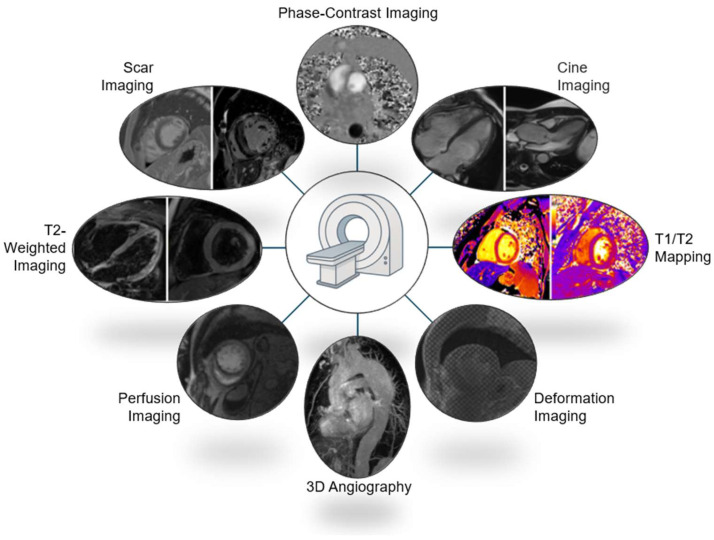
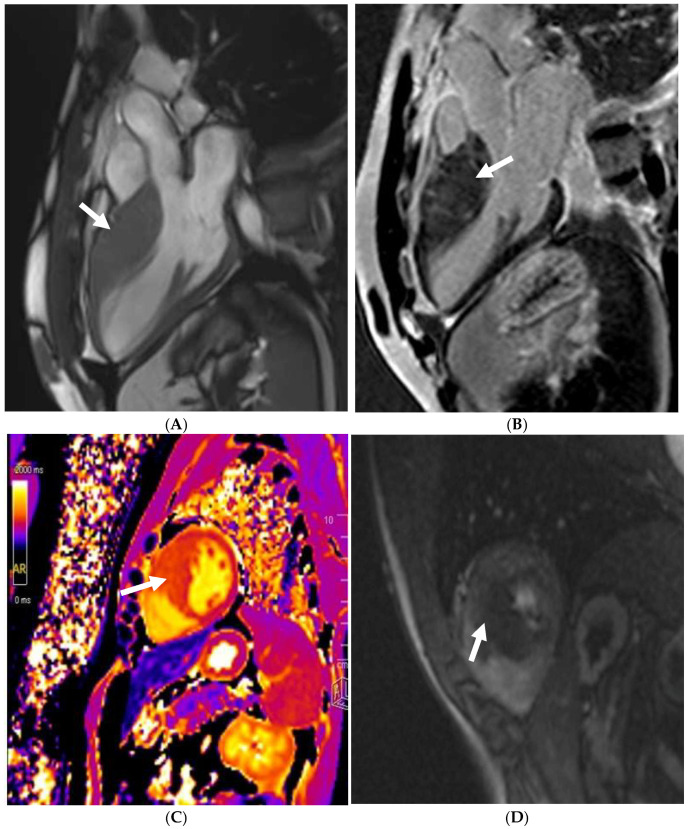
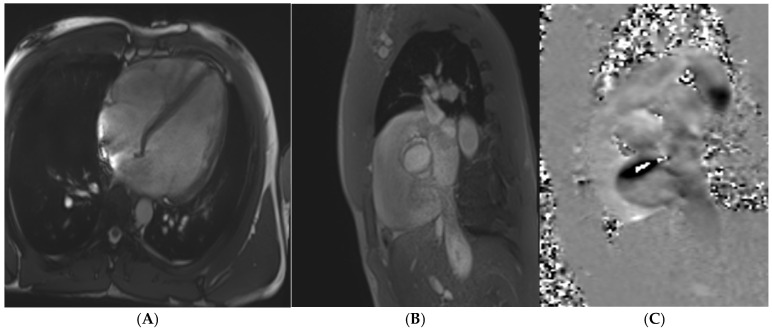
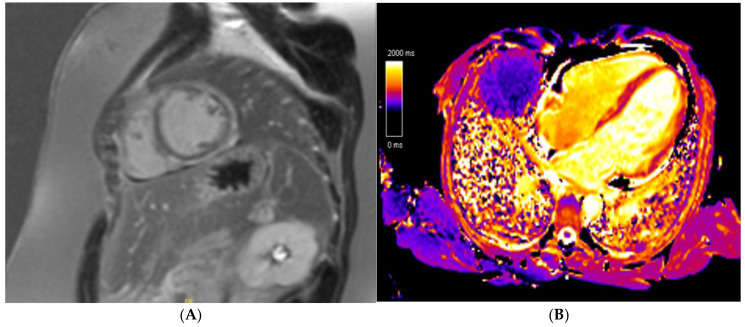
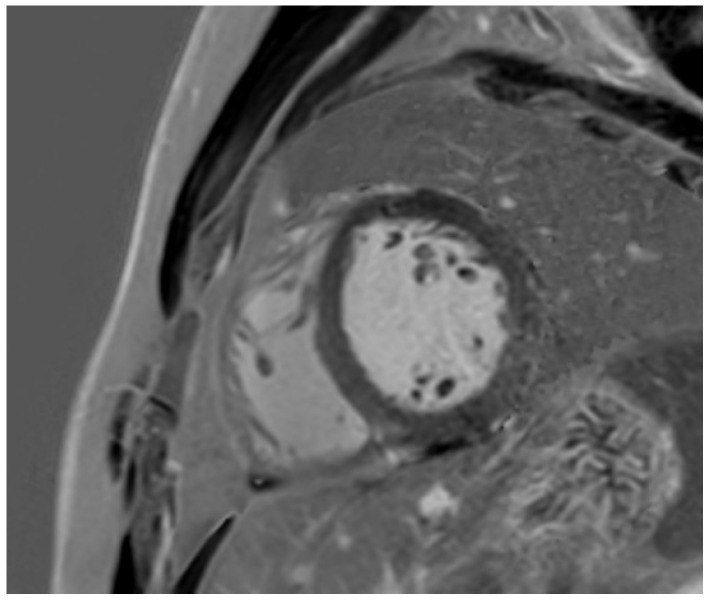
Cardiovascular magnetic resonance imaging (MRI) is an advanced cardiac imaging modality that is often required when evaluating athletic individuals. Unrestricted imaging planes, excellent spatial resolution, and a lack of ionising radiation are some of the benefits of this modality. Cardiac MRI has been established as the gold standard imaging modality for morphological assessment, volumetric analysis, and tissue characterisation. Cardiac MRI without any doubt is an excellent diagnostic tool when evaluating athletes with symptoms or those individuals exhibiting equivocal findings at screening. It is also useful for athletes who fall within the grey zone and is especially important among athletes with a suspected or confirmed diagnosis. Cardiac MRI plays a strategic role when adopting a shared decision-making model in athletes with heart disease, tailoring and personalising medical care to the condition and the athlete's wishes. The aim of this review is to provide a comprehensive yet practical overview of the role of cardiac MRI when evaluating athletes in clinic.
心血管磁共振成像(MRI)是一种先进的心脏成像方式,在评估运动员时经常需要用到。无限制的成像平面、出色的空间分辨率以及无电离辐射是这种成像方式的一些优点。心脏MRI已被确立为形态学评估、容积分析和组织特征描述的金标准成像方式。在评估有症状的运动员或筛查中表现出模棱两可结果的个体时,心脏MRI无疑是一种出色的诊断工具。它对处于灰色地带的运动员也很有用,在疑似或确诊的运动员中尤为重要。在为患有心脏病的运动员采用共同决策模式时,心脏MRI发挥着战略作用,根据病情和运动员的意愿定制和个性化医疗护理。本综述的目的是全面而实际地概述心脏MRI在临床评估运动员时的作用。