Zhao Yulin, Ye Cong, Wang Heng, Chen Cheng, Lu Yang, Yang Changwei, Xu Tao, Zhou Yuchen, Wu Zhengchao, Song Xianrui, Zhu Zhenyang, Yang Zongze, Chen Xiaoqing
Department of Spine Surgery, Affiliated Hospital of Nantong University, Nantong, China.
Medical School of Nantong University, Nantong, China.
Stem Cell Res Ther. 2025 May 28;16(1):264. doi: 10.1186/s13287-025-04376-5.
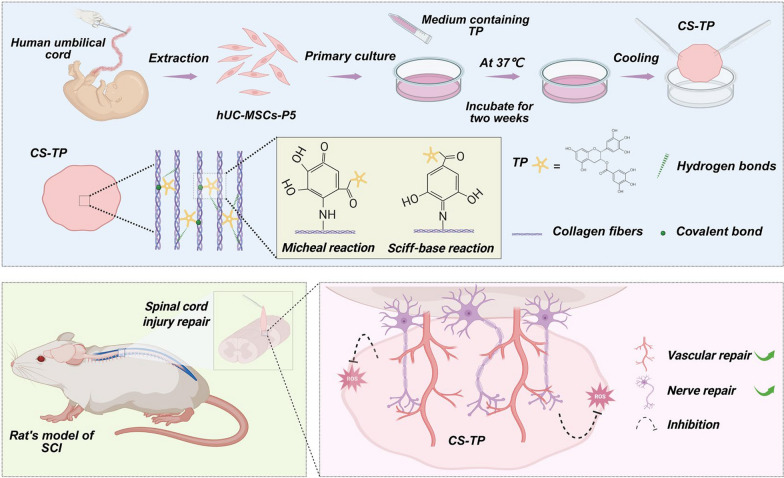
Spinal cord injury (SCI) is a devastating central nervous system disorder that remains a global health challenge. SCI-induced oxidative stress in the postinjury microenvironment limits tissue repair by provoking the excessive production of reactive oxygen species (ROS). Tea polyphenols (TP), as a natural plant polyphenol, could effectively reduce ROS. In recent years, stem cell-based therapy combined with cell sheet technology has been widely used in the treatment of SCI. Therefore, we constructed human umbilical cord mesenchymal stem cell sheet loaded with TP (CS-TP) and evaluated their therapeutic effects and mechanisms both in vitro and in vivo in SCI rats.
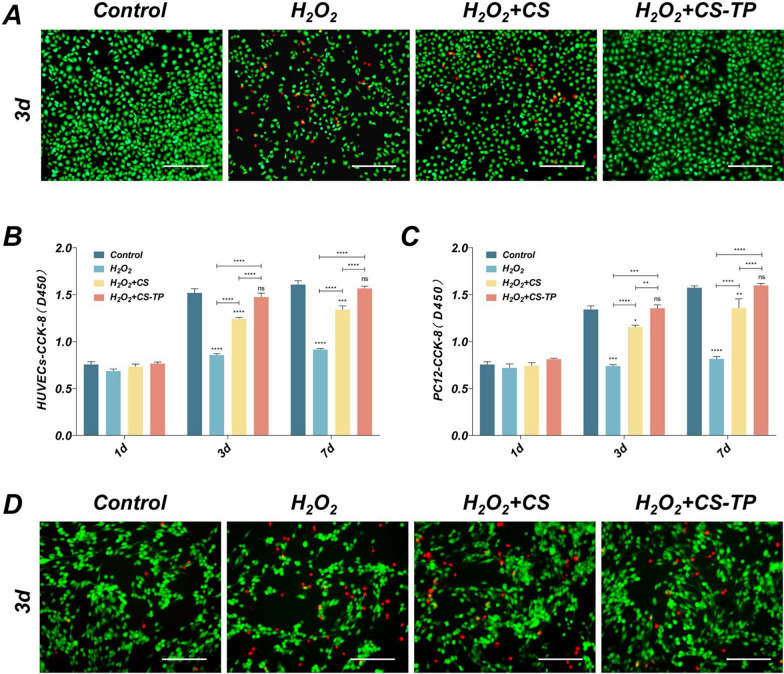
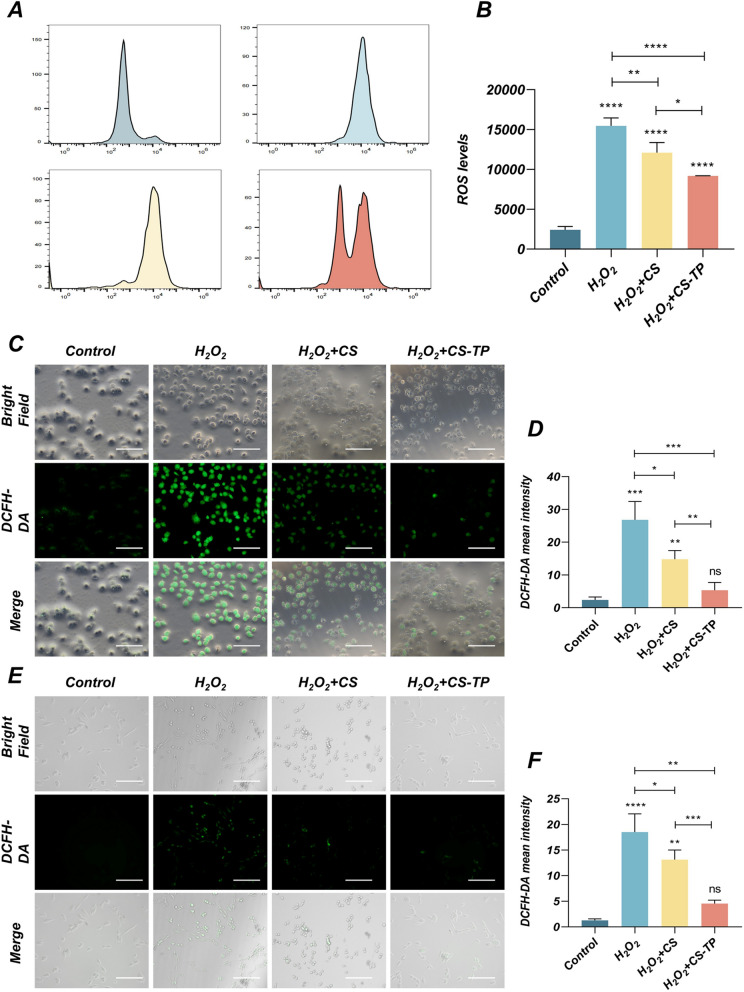
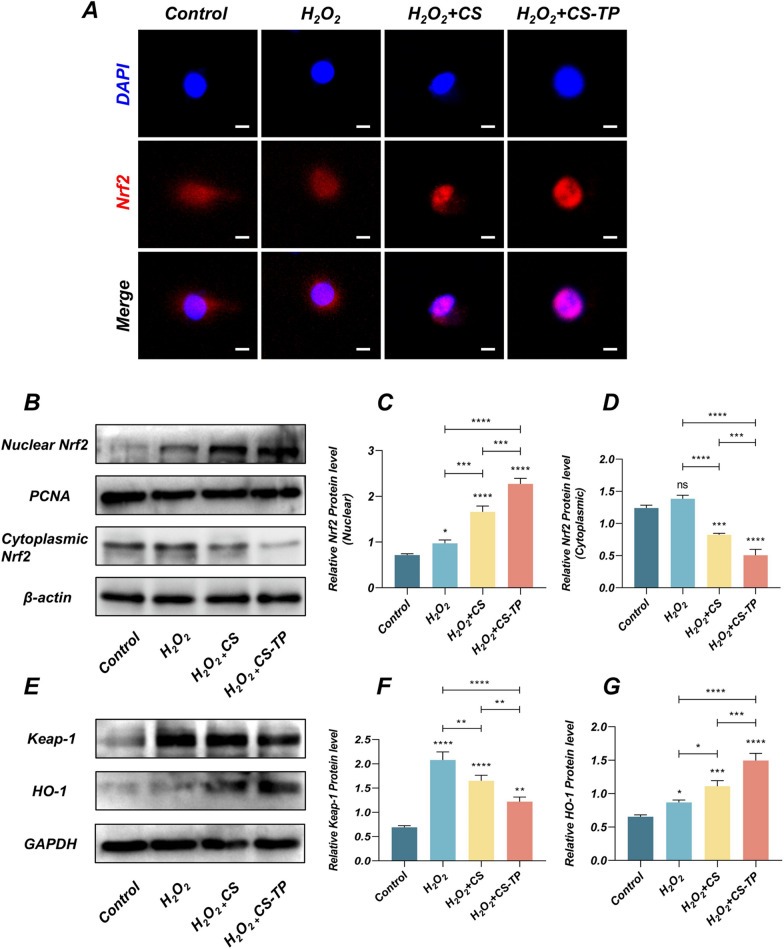
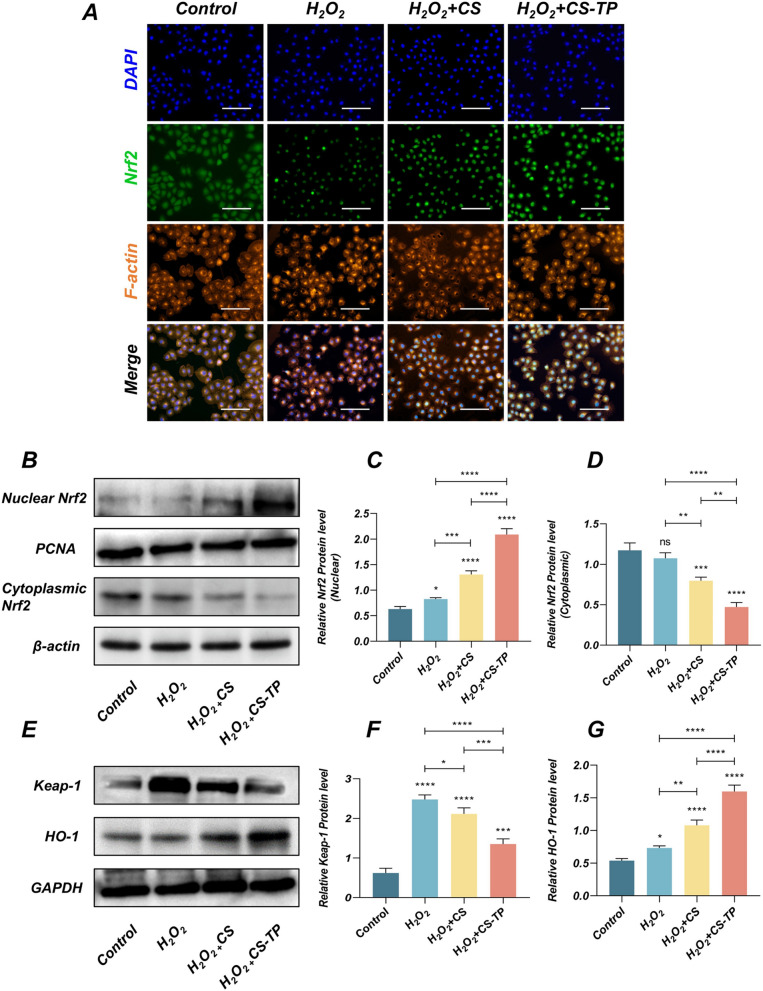
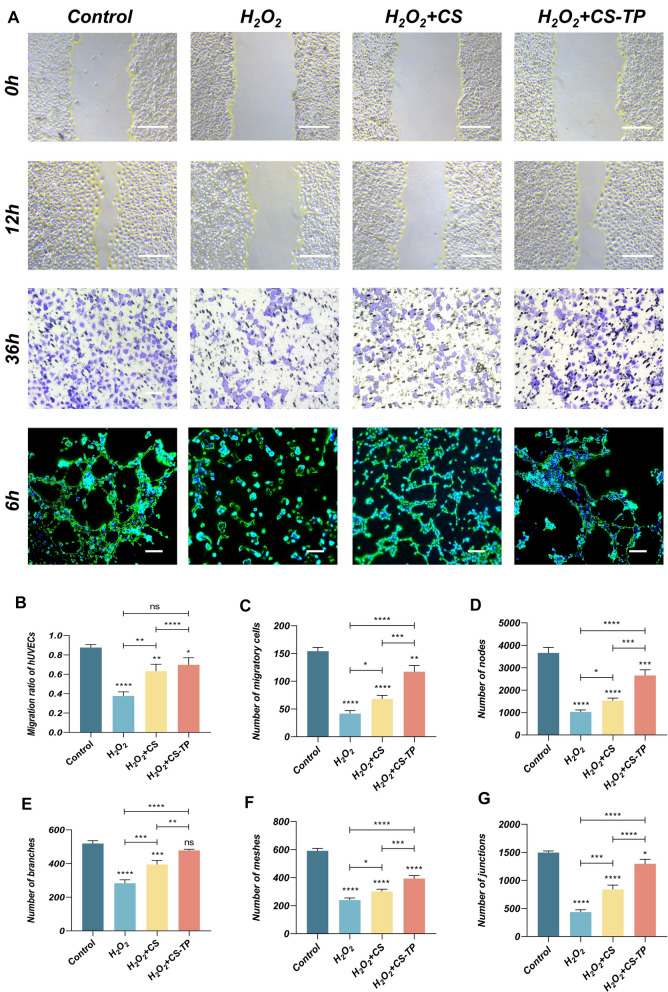
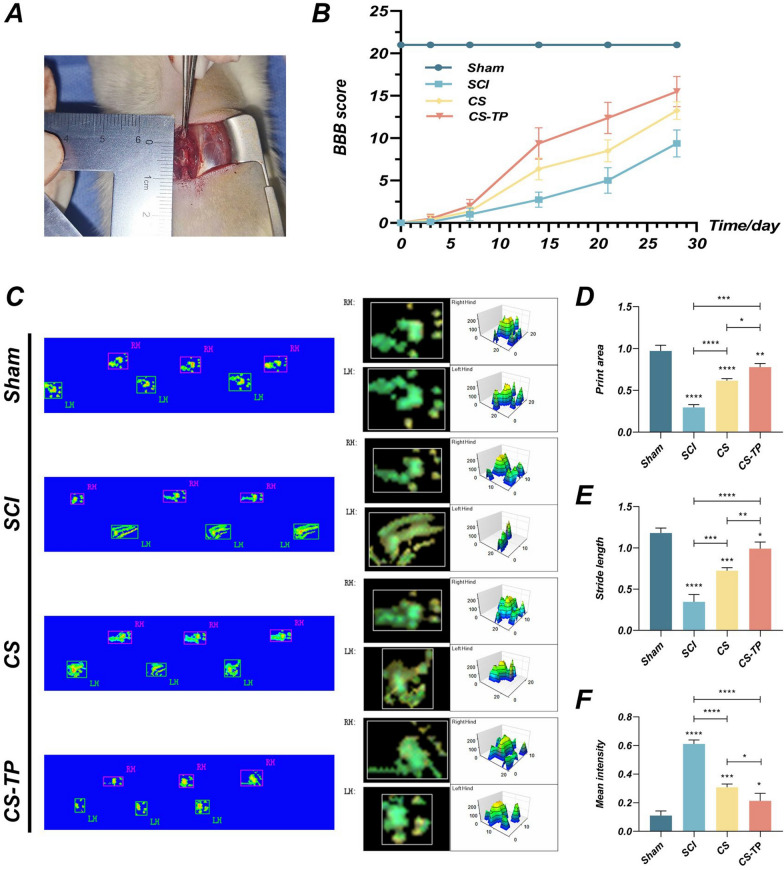
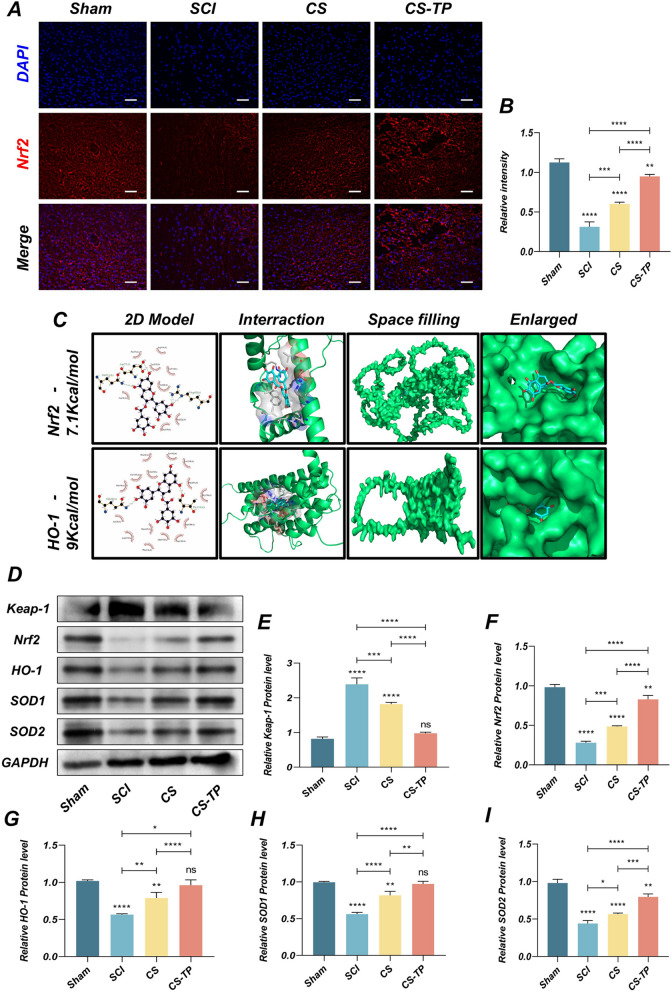
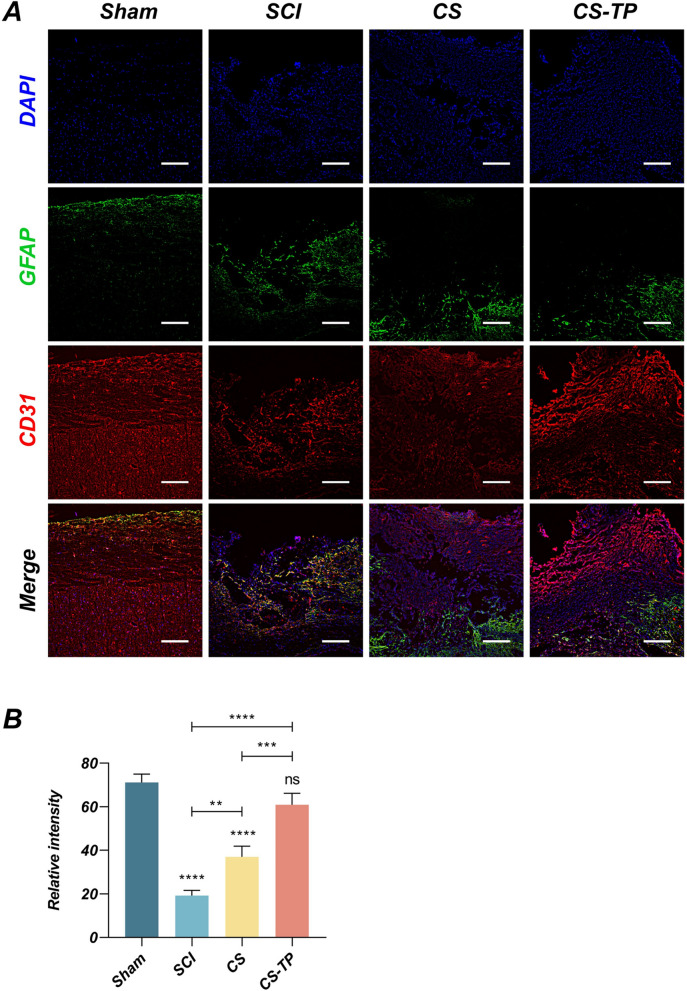
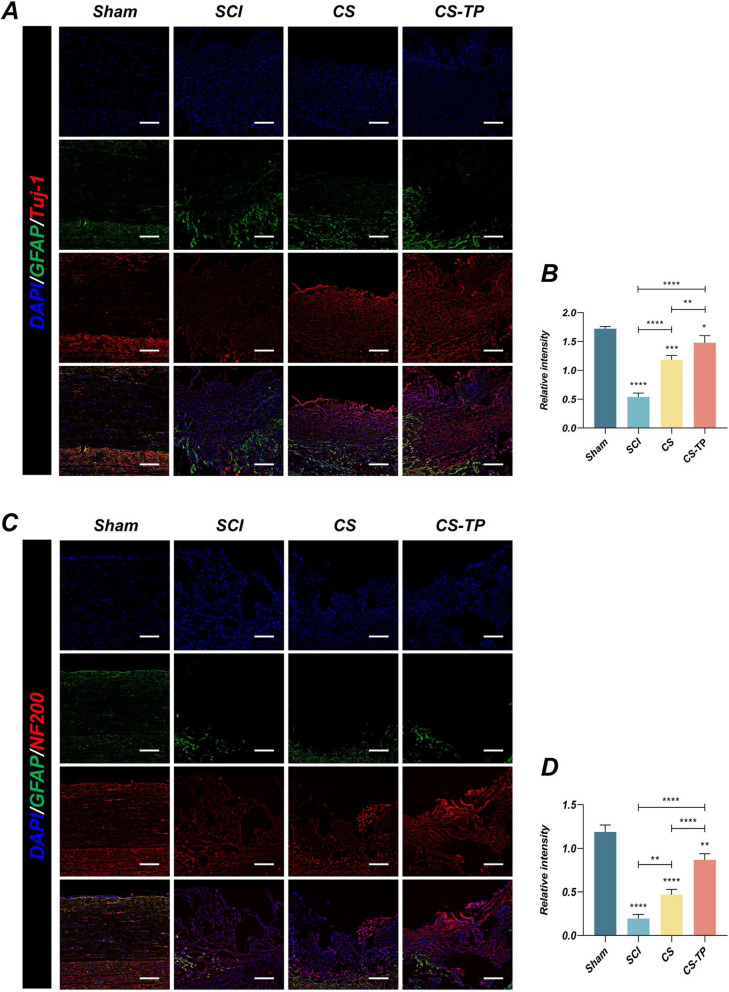
Human umbilical cord mesenchymal stem cell sheet (CS) were prepared by temperature-responsive cell culture method and successfully loaded with TP. The protective effect of CS and CS-TP on cells against oxidative stress was tested by Live/Dead cell staining and CCK-8 assay. CS and CS-TP were co-cultured with PC12 cells and human umbilical vein endothelial cells (HUVECs), respectively, and their effects on reducing ROS production were evaluated using flow cytometry and ROS fluorescence assays. Immune fluorescence (IF) and Western blot analysis of the mechanism by which CS-TP affects PC12 cells and HUVECs in vitro. Wound healing assay, transwell Chamber invasion experiment and tube formation assay were performed to evaluate the effects of CS and CS-TP on the biological behaviors of HUVECs. (Basso-Beattie-Bresnahan) BBB scores and gait analysis were performed to assess the recovery of motor function in rats. Molecular modeling is used to study the affinity between the main active ingredient epigallocatechin gallate (EGCG) in TP and target proteins. Western blot analyzes the mechanism of action of CS and CS-TP in SCI animals and the expression levels of antioxidant proteins. Tissue IF staining was used to evaluate angiogenesis, neuron regeneration and axonal extension.
Compared with CS, CS-TP could effectively reduce cellular ROS production and increase cell viability under high oxidative stress conditions and significantly enhance its biological activity. In vitro, CS-TP can significantly activate the Keap-1/Nrf2/HO-1 pathway, thereby affecting PC12 cells and HUVECs. After transplantation in SCI rats, CS-TP also activates the Keap-1/Nrf2/HO-1 pathway, influencing the repair of SCI and upregulating the expression of SOD1 and SOD2. CS-TP can more effectively promote angiogenesis, neuronal regeneration, and axonal extension in injured spinal cords, greatly improving the motor function of the rats.
CS-TP not only significantly enhances the resistance of CS to ROS, activates the Keap-1/Nrf2/HO-1 pathway, and regulates the level of antioxidant proteins in the body. Compared to CS, it can also more effectively increase the number of new blood vessels, promote neuron regeneration and axon extension, thereby more effectively repairing SCI.
脊髓损伤(SCI)是一种毁灭性的中枢神经系统疾病,仍然是一项全球性的健康挑战。SCI在损伤后微环境中引发的氧化应激通过促使活性氧(ROS)过度产生来限制组织修复。茶多酚(TP)作为一种天然植物多酚,可有效减少ROS。近年来,基于干细胞的疗法与细胞片技术相结合已广泛应用于SCI的治疗。因此,我们构建了负载TP的人脐带间充质干细胞片(CS-TP),并在体外和体内评估了它们对SCI大鼠的治疗效果及机制。
通过温度响应细胞培养法制备人脐带间充质干细胞片(CS),并成功负载TP。采用活/死细胞染色和CCK-8法检测CS和CS-TP对细胞抗氧化应激的保护作用。CS和CS-TP分别与PC12细胞和人脐静脉内皮细胞(HUVECs)共培养,使用流式细胞术和ROS荧光测定法评估它们对减少ROS产生的作用。采用免疫荧光(IF)和蛋白质免疫印迹分析CS-TP在体外影响PC12细胞和HUVECs的机制。进行伤口愈合试验、Transwell小室侵袭实验和管腔形成试验,以评估CS和CS-TP对HUVECs生物学行为的影响。采用Basso-Beattie-Bresnahan(BBB)评分和步态分析评估大鼠运动功能的恢复情况。使用分子建模研究TP中主要活性成分表没食子儿茶素没食子酸酯(EGCG)与靶蛋白之间的亲和力。蛋白质免疫印迹分析CS和CS-TP在SCI动物中的作用机制以及抗氧化蛋白的表达水平。采用组织IF染色评估血管生成、神经元再生和轴突延伸情况。
与CS相比,CS-TP在高氧化应激条件下能有效减少细胞ROS产生,提高细胞活力,并显著增强其生物学活性。在体外,CS-TP可显著激活Keap-1/Nrf2/HO-1通路,从而影响PC12细胞和HUVECs。在SCI大鼠中移植后,CS-TP也激活Keap-1/Nrf2/HO-1通路,影响SCI的修复并上调SOD1和SOD2的表达。CS-TP能更有效地促进受损脊髓中的血管生成、神经元再生和轴突延伸,大大改善大鼠的运动功能。
CS-TP不仅显著增强了CS对ROS的抗性,激活了Keap-1/Nrf2/HO-1通路,并调节体内抗氧化蛋白水平。与CS相比,它还能更有效地增加新生血管数量,促进神经元再生和轴突延伸,从而更有效地修复SCI。