Qu Mingli, Wang Qun, Bai Xiaofei, Feng Jing, Zhang Sai, Zhang Yangyang, Chen Qing, Zhu Hai, Zhang Hengrui, Guo Qunqin, Zhang Bin, Dou Shengqian, Qiao Yujie, Wang Hongwei, Cao Yihai, Xie Lixin, Zhou Qingjun
Eye Institute of Shandong First Medical University, Qingdao, Shandong, China.
State Key Laboratory Cultivation Base, Shandong Key Laboratory of Eye Diseases, Qingdao, Shandong, China.
Nat Commun. 2025 Jun 5;16(1):5215. doi: 10.1038/s41467-025-60476-z.
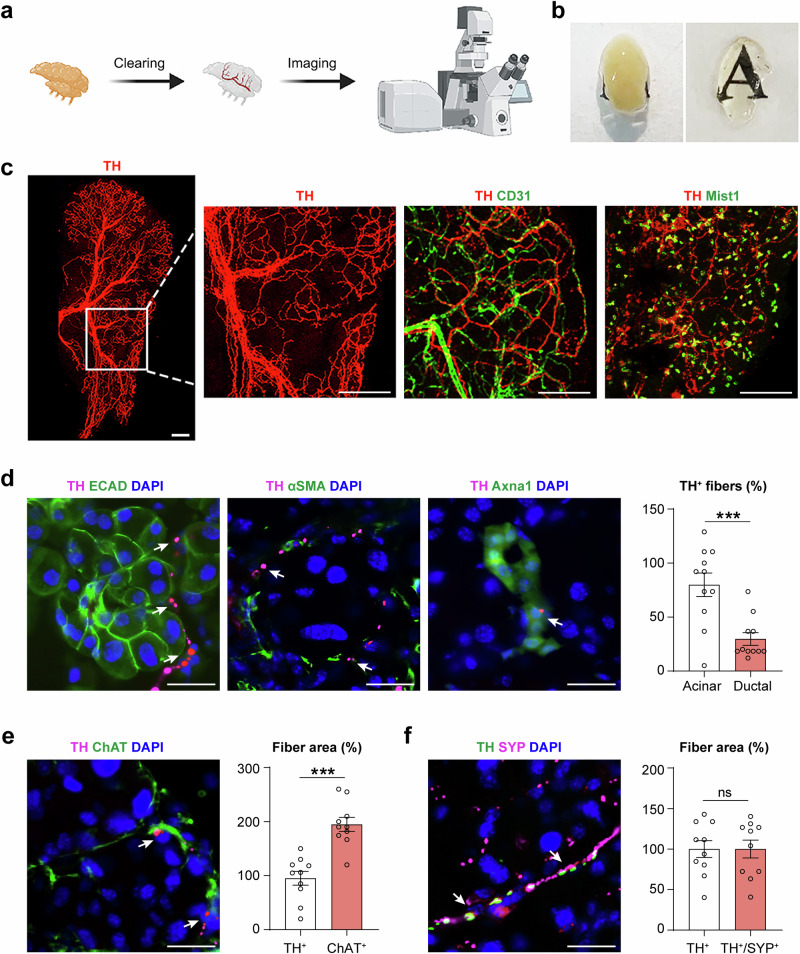
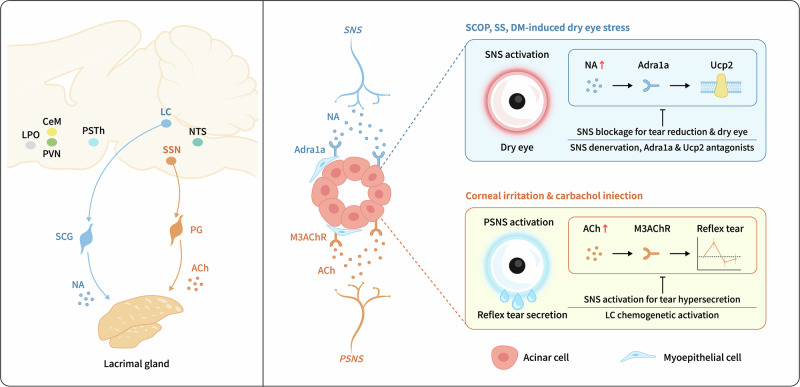
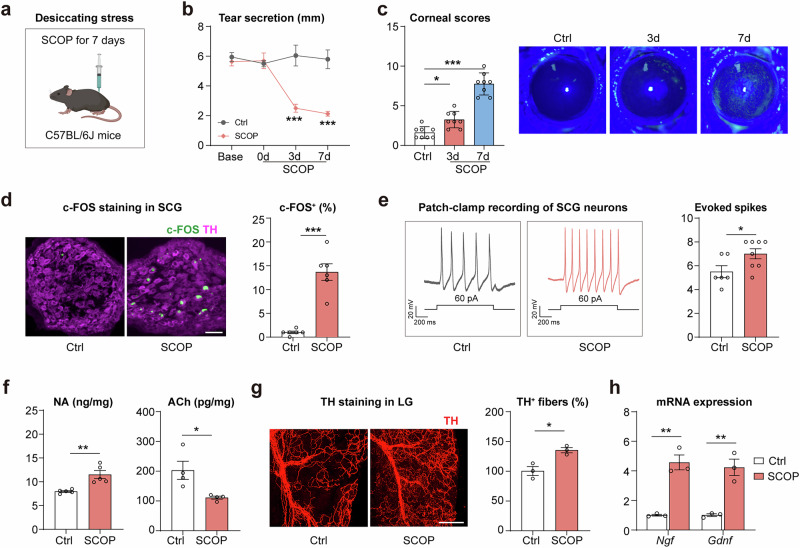
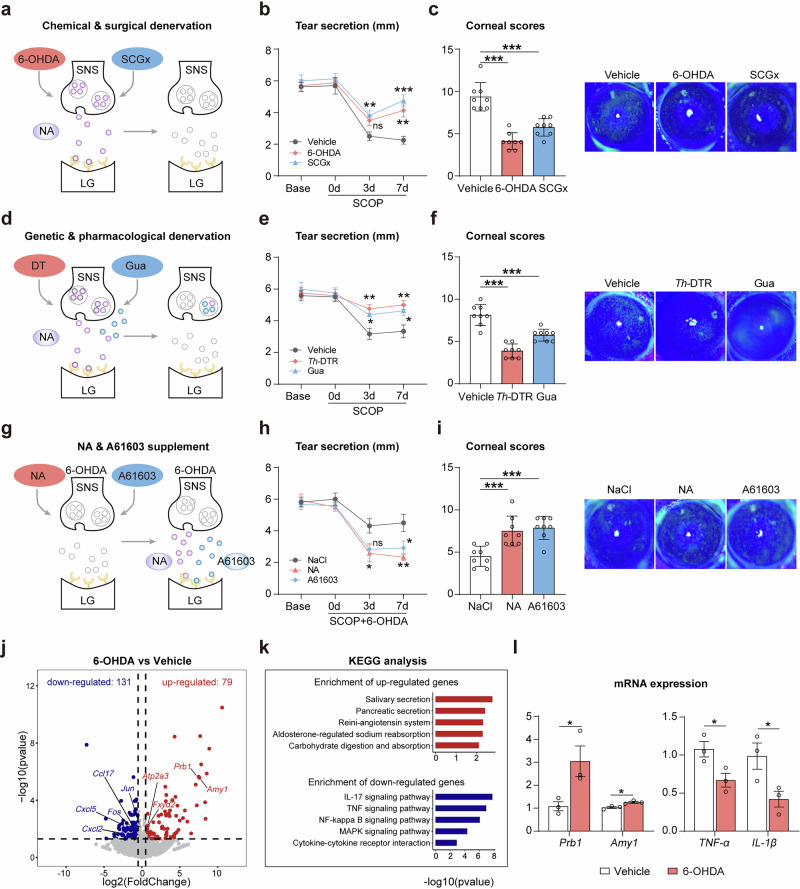
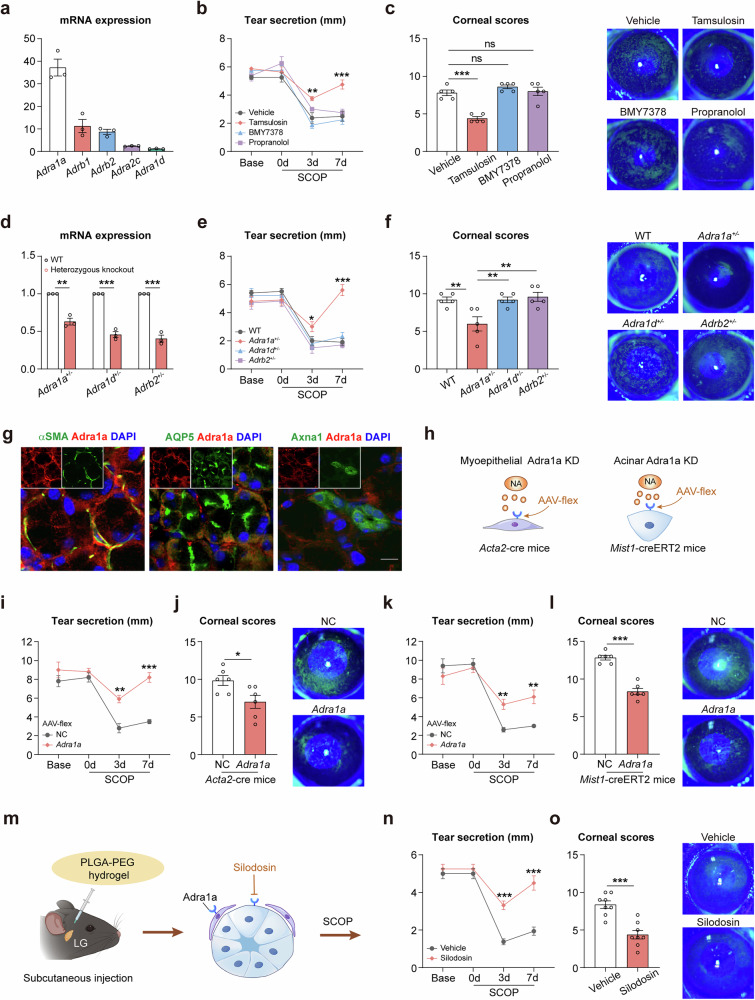
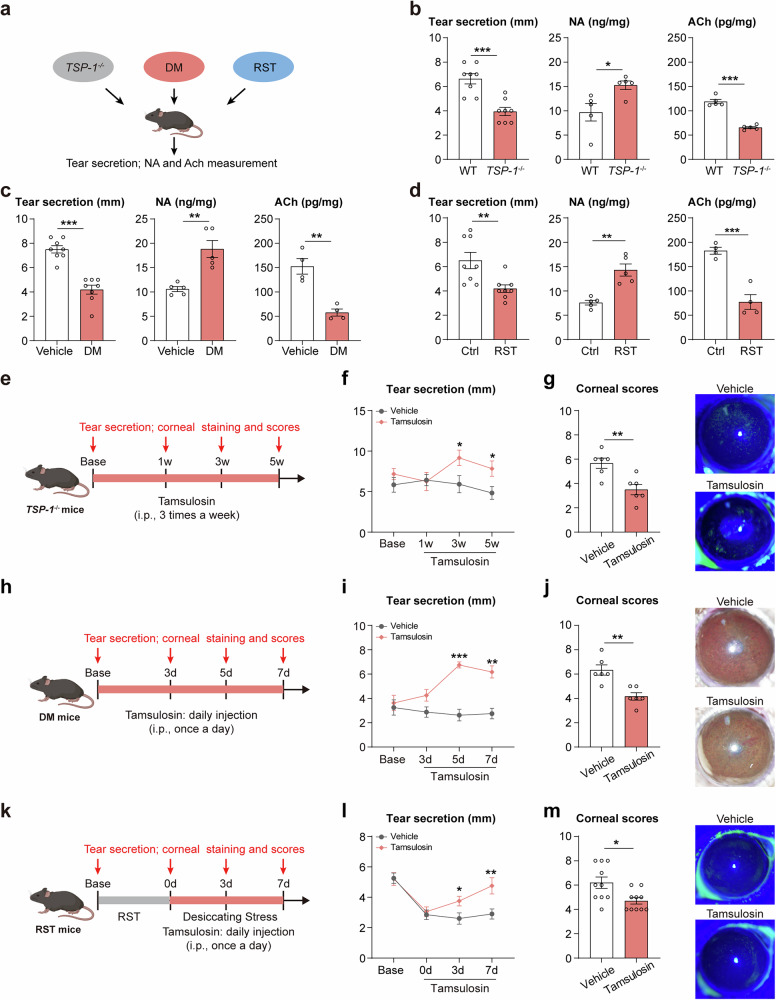
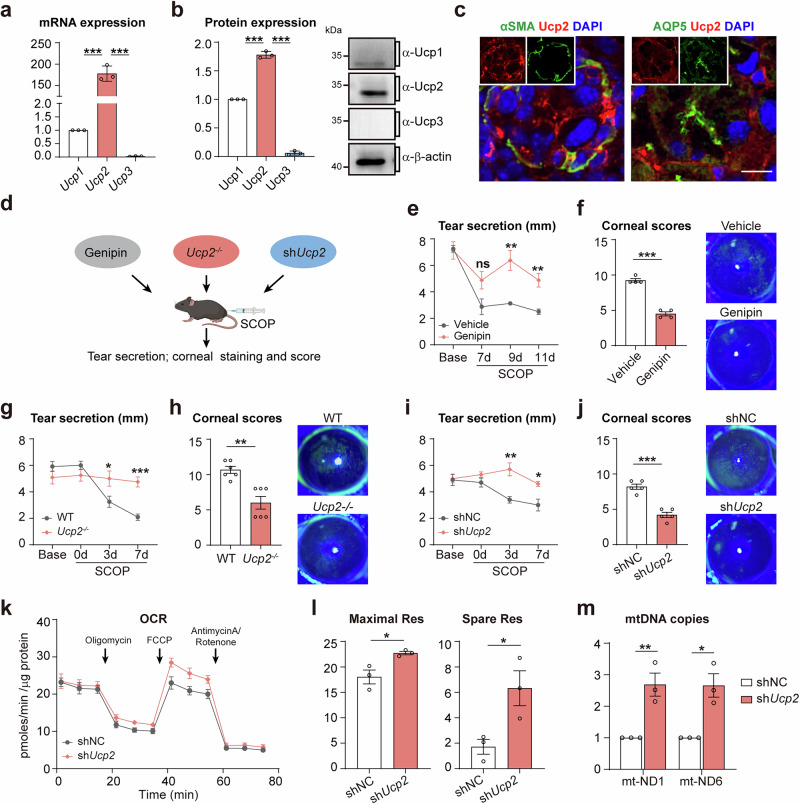
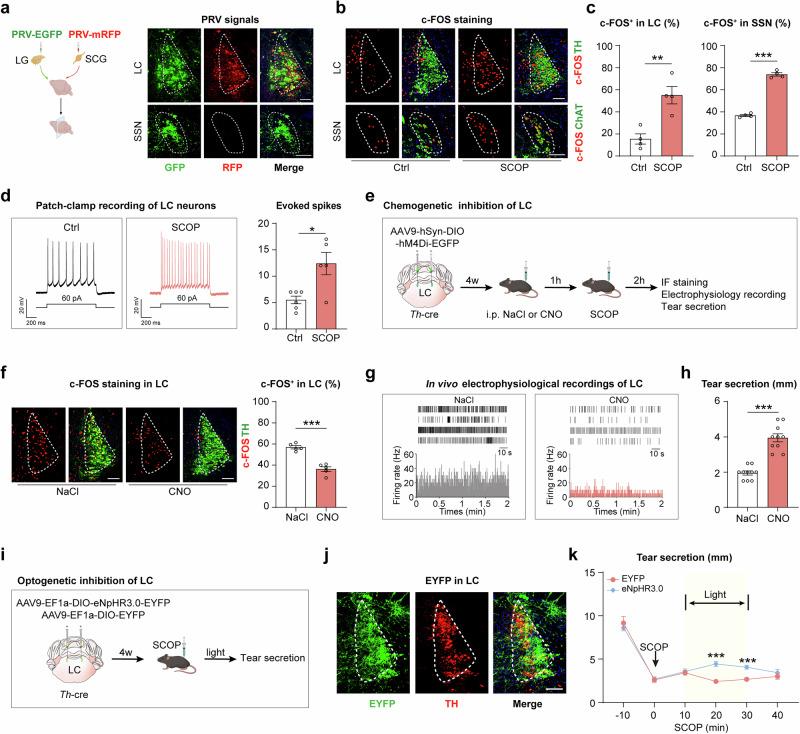
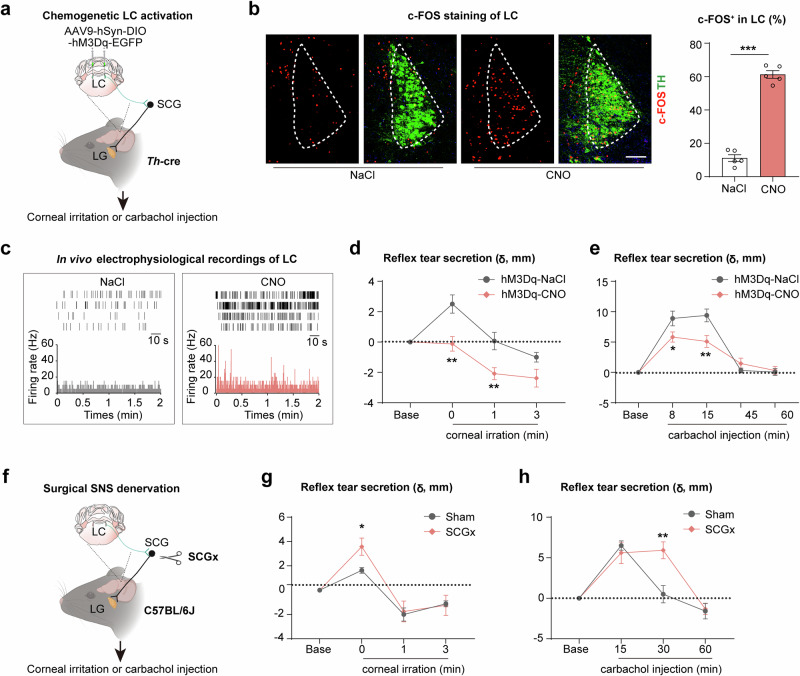
Tear secretion from the lacrimal gland is essential for maintaining ocular surface homeostasis, and its insufficiency causes aqueous-deficient dry eye. Unlike the well-established parasympathetic neuronal regulation, the role of sympathetic nervous system (SNS) in tear secretion remains controversial. Here, we demonstrate the intact sympathetic innervation in lacrimal gland and its activation under multiple dry eye stresses. Pharmacological, surgical, and genetic blockade of SNS increases tear secretion and alleviates dry eye signs. Mechanistically, SNS-driven noradrenaline (NA) release activates α1a-adrenergic receptor (Adra1a) in acinar and myoepithelial cells to regulate mitochondrial Ucp2 and tear secretion. Systemic and local delivery of Adra1a antagonists, including silodosin and tamsulosin, improves tear secretion and reduces corneal lesions in multiple dry eye mouse models. In addition, we identify the brain locus coeruleus as an upstream driver orchestrating sympathetic regulation of lacrimal secretion. Overall, these findings reveal a gatekeeper role of SNS in tear secretion and offer potential therapeutic strategies for dry eye disease.
泪腺分泌的泪水对于维持眼表稳态至关重要,其分泌不足会导致水液缺乏型干眼症。与已明确的副交感神经调节不同,交感神经系统(SNS)在泪液分泌中的作用仍存在争议。在此,我们证明了泪腺中完整的交感神经支配及其在多种干眼应激下的激活。对SNS进行药理学、手术和基因阻断可增加泪液分泌并减轻干眼症状。从机制上讲,SNS驱动的去甲肾上腺素(NA)释放激活腺泡细胞和肌上皮细胞中的α1a肾上腺素能受体(Adra1a),以调节线粒体Ucp2和泪液分泌。在多种干眼小鼠模型中,包括西洛多辛和坦索罗辛在内的Adra1a拮抗剂的全身和局部给药可改善泪液分泌并减少角膜损伤。此外,我们确定蓝斑核是协调泪液分泌交感神经调节的上游驱动因素。总体而言,这些发现揭示了SNS在泪液分泌中的守门人作用,并为干眼症提供了潜在的治疗策略。