Bennett Aubrey, Kim Hyunjung, Thomas David, Biggs Peter, Ara Roxan, Bosomtwi Asamoah, Kang Seungwoo
Department of Pharmacology and Toxicology, Medical College of Georgia, Augusta University, Augusta, Georgia, USA.
Georgia Cancer Center, Medical College of Georgia, Augusta University, Augusta, Georgia, USA.
bioRxiv. 2025 May 21:2025.05.20.654912. doi: 10.1101/2025.05.20.654912.
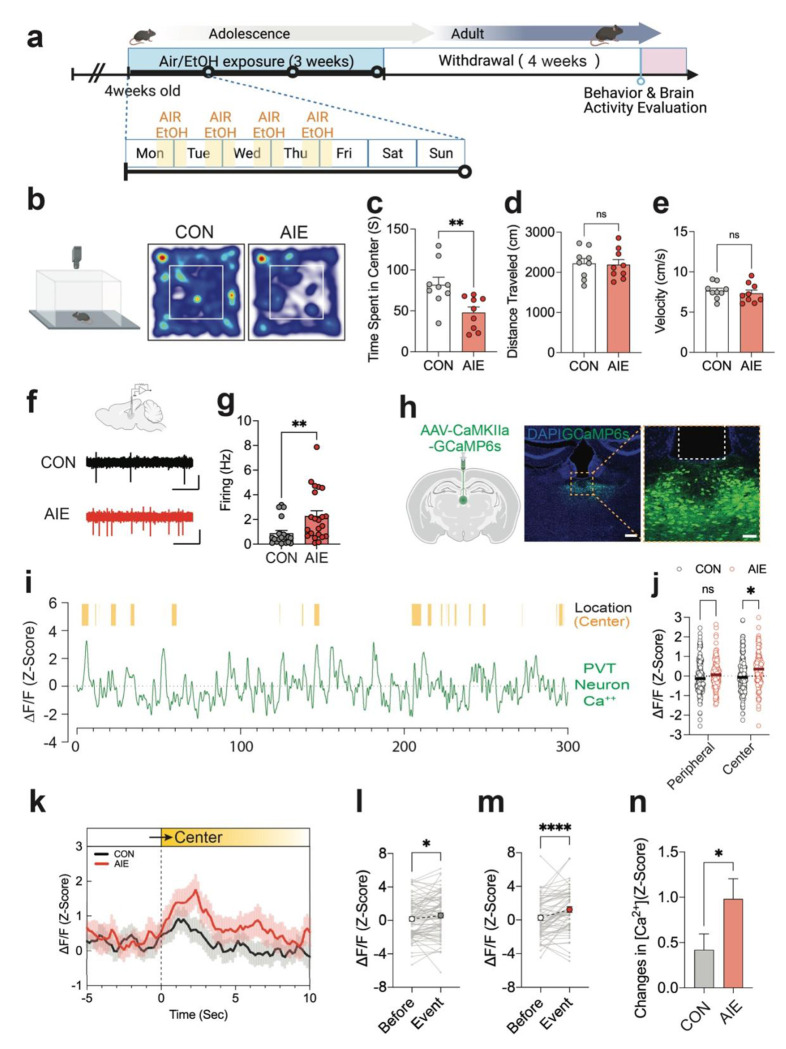
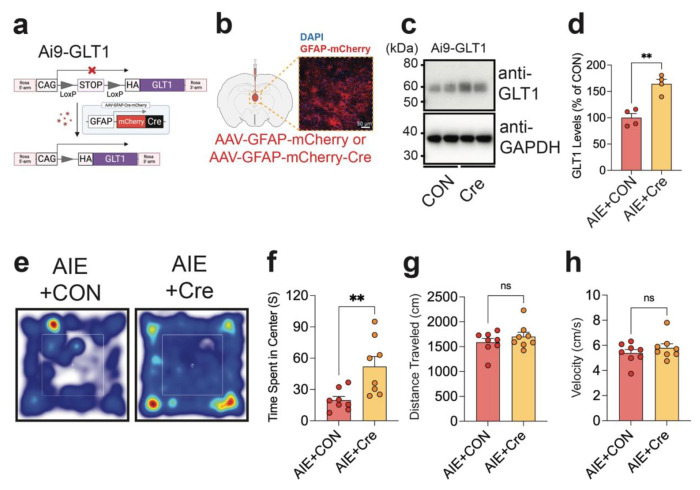
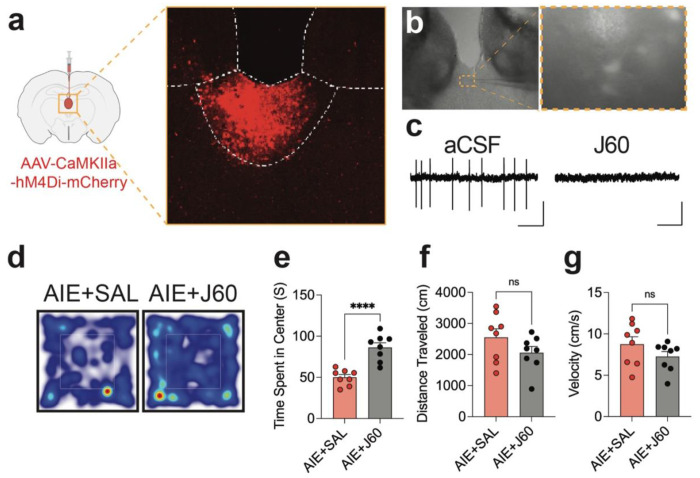
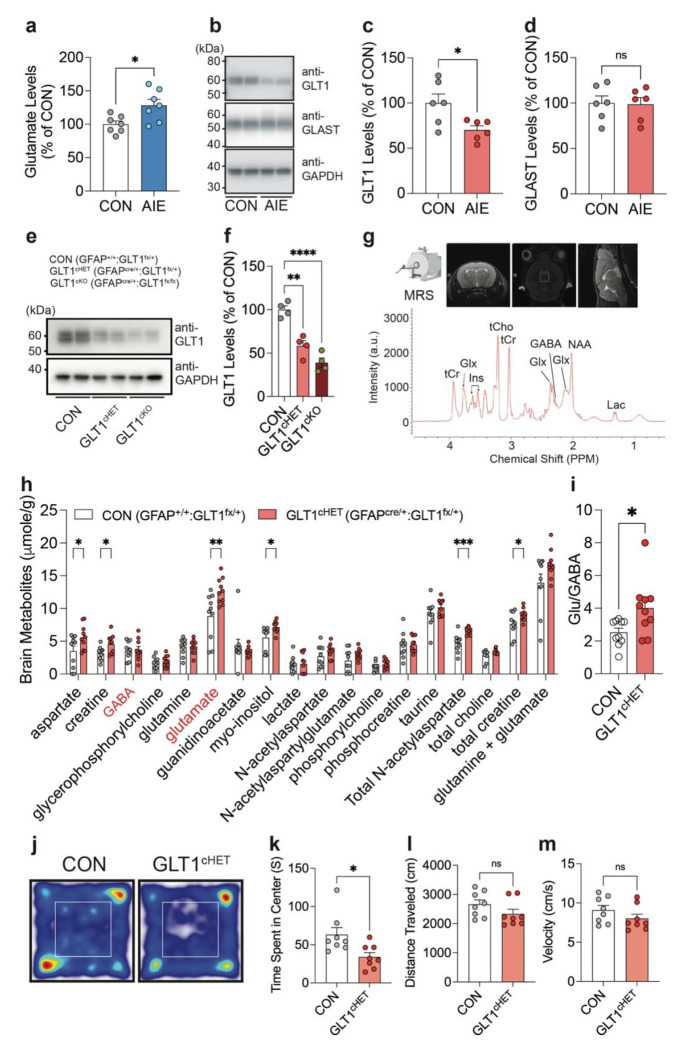
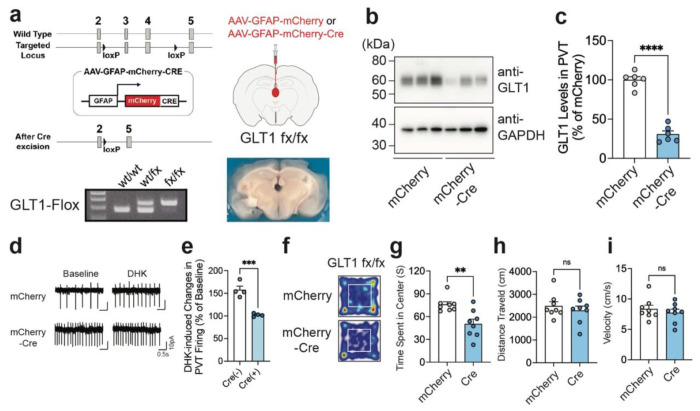
Repeated ethanol exposure during adolescence increases the risk for displaying anxiogenic phenotype in adulthood, but the underlying mechanisms are not fully understood. The paraventricular nucleus of thalamus (PVT) has been considered a hub brain area for controlling the anxiety network in the brain. Recent structural and functional investigations indicate that the PVT exhibits diverse neural signals aligned with early-life events, which are highly linked with anxiety-like behaviors. However, it remains unknown if repeated ethanol exposure during adolescence will affect the coordinated brain activities of the PVT in adulthood, and consequent behavioral adaptation. Here we show that adolescent repeated intermittent ethanol exposure (AIE) triggers anxiety-like behaviors and parallelly induces the glutamatergic adaptation in the PVT after four weeks withdrawal from the last ethanol exposure. The firing rates, along with the spatiotemporal calcium transients in the PVT neurons during behavior were increased in the AIE mice compared to those in the counterpart control mice. Importantly, with the chemogenetic inhibition of the PVT neurons, we found alleviated the anxiety-like behavior in the AIE mice. The increased neuronal activities in the PVT of AIE mice was, at least partly, via the reduction of GLT1 (an astrocyte dominant glutamate transporter, known as EAAT2, slc1a2). Our non-invasive magnetic resonance spectroscopy (MRS) measures also showed an increase in glutamate/GABA ratio in the thalamic area including the PVT of the GLT1 conditional knock-down mice, which exhibited the heightened anxiety-like behavior. In addition, while the selective knock-out of GLT1 in the astrocytes of PVT in the alcohol naïve mice induces anxiogenic phenotypes, the selective upregulation of GLT1 in the PVT astrocytes of the mice that were treated with AIE paradigm alleviated the anxiety-like behaviors as well. These findings highlight the significant role of PVT astrocytic GLT1 in the anxiogenic phenotype in adulthood induced by withdrawal from adolescent repeated ethanol exposure, suggesting that GLT1 in the PVT could serve as a therapeutic target for alcohol use disorder and comorbid emotional disorders.
青春期反复接触乙醇会增加成年后出现焦虑表型的风险,但其潜在机制尚未完全明确。丘脑室旁核(PVT)被认为是控制大脑焦虑网络的核心脑区。近期的结构和功能研究表明,PVT呈现出与早期生活事件相关的多种神经信号,这些信号与焦虑样行为高度相关。然而,青春期反复接触乙醇是否会影响成年期PVT的大脑协同活动以及随之而来的行为适应,目前仍不清楚。在此我们表明,青春期反复间歇性乙醇暴露(AIE)会引发焦虑样行为,并在末次乙醇暴露四周撤药后,平行诱导PVT中的谷氨酸能适应性变化。与对照小鼠相比,AIE小鼠在行为过程中PVT神经元的放电频率以及时空钙瞬变均增加。重要的是,通过对PVT神经元进行化学遗传学抑制,我们发现AIE小鼠的焦虑样行为得到缓解。AIE小鼠PVT中神经元活动的增加,至少部分是通过降低GLT1(一种星形胶质细胞主导的谷氨酸转运体,即EAAT2,slc1a2)实现的。我们的非侵入性磁共振波谱(MRS)测量还显示,在包括PVT在内的丘脑区域,GLT1条件性敲低小鼠的谷氨酸/γ-氨基丁酸(GABA)比值增加,这些小鼠表现出焦虑样行为增强。此外,虽然在未接触过乙醇的小鼠中,PVT星形胶质细胞中GLT1的选择性敲除会诱导焦虑表型,但在接受AIE模式处理的小鼠中,PVT星形胶质细胞中GLT1的选择性上调也能缓解焦虑样行为。这些发现突出了PVT星形胶质细胞GLT1在青春期反复乙醇暴露撤药后诱导的成年期焦虑表型中的重要作用,表明PVT中的GLT1可作为酒精使用障碍及共病情绪障碍的治疗靶点。