Ju Yikun, Yang Pu, Liu Xiangjun, Wu Rui, Shen Naisi, Hsiung Naihsin, Yang Anqi, Zhang Chi, Fang Bairong, Liu Liangle
Department of Plastic and Aesthetic (Burn) Surgery, The Second Xiangya Hospital, Central South University, Changsha, Hunan, 410011, China.
Wenzhou Key Laboratory for the Diagnosis and Prevention of Diabetic Complication, The Third Affiliated Hospital of Wenzhou Medical University, Wenzhou, 325200, China.
Mater Today Bio. 2025 May 13;32:101870. doi: 10.1016/j.mtbio.2025.101870. eCollection 2025 Jun.
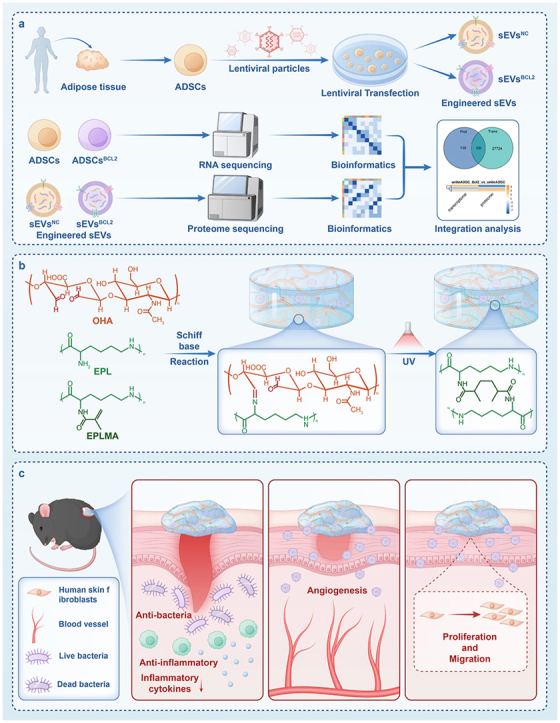
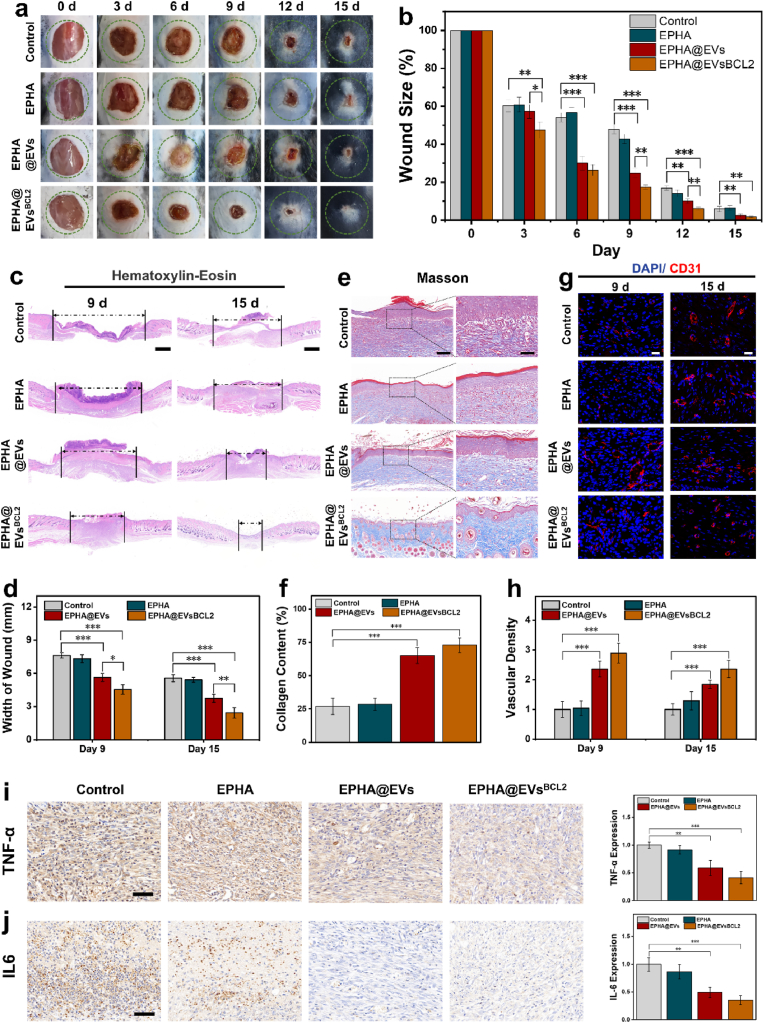
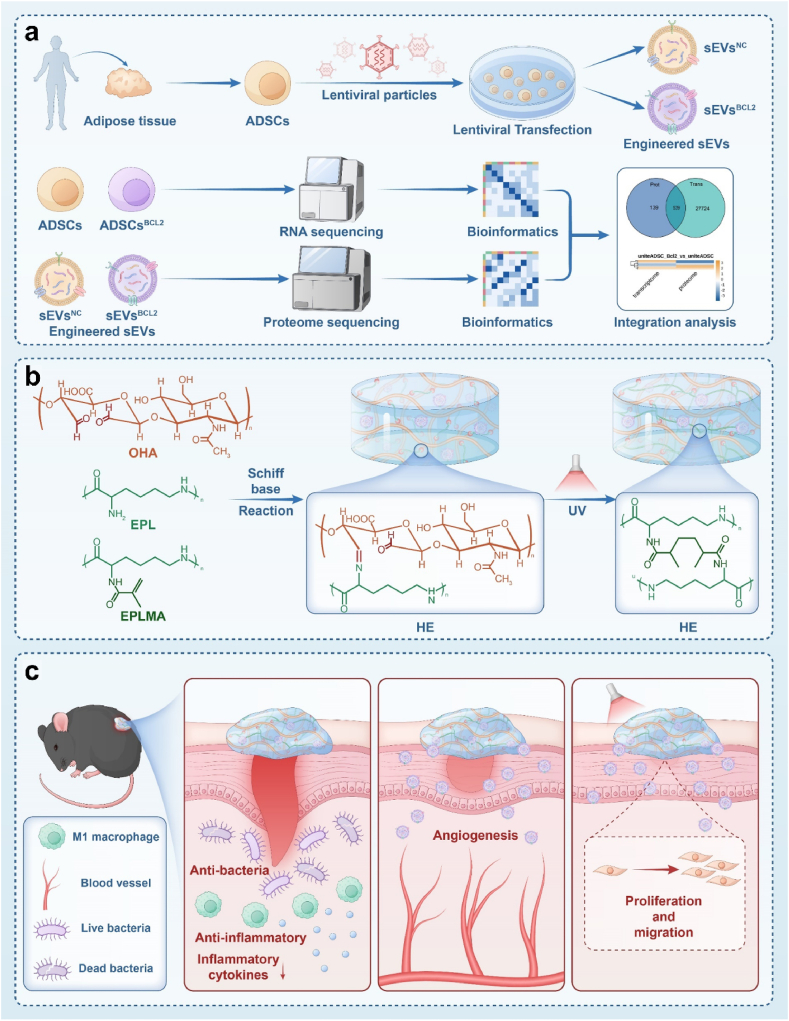
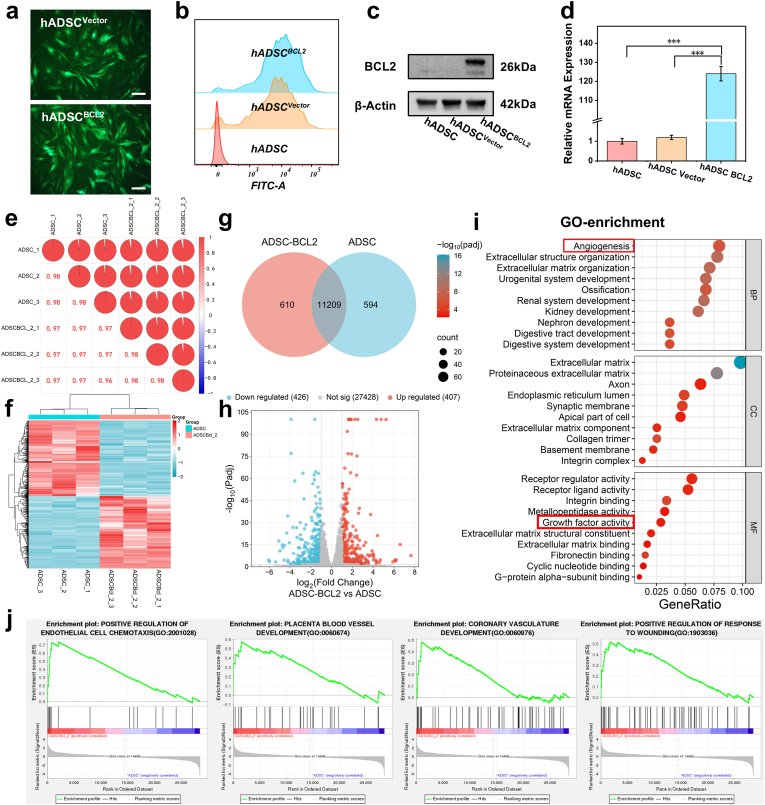
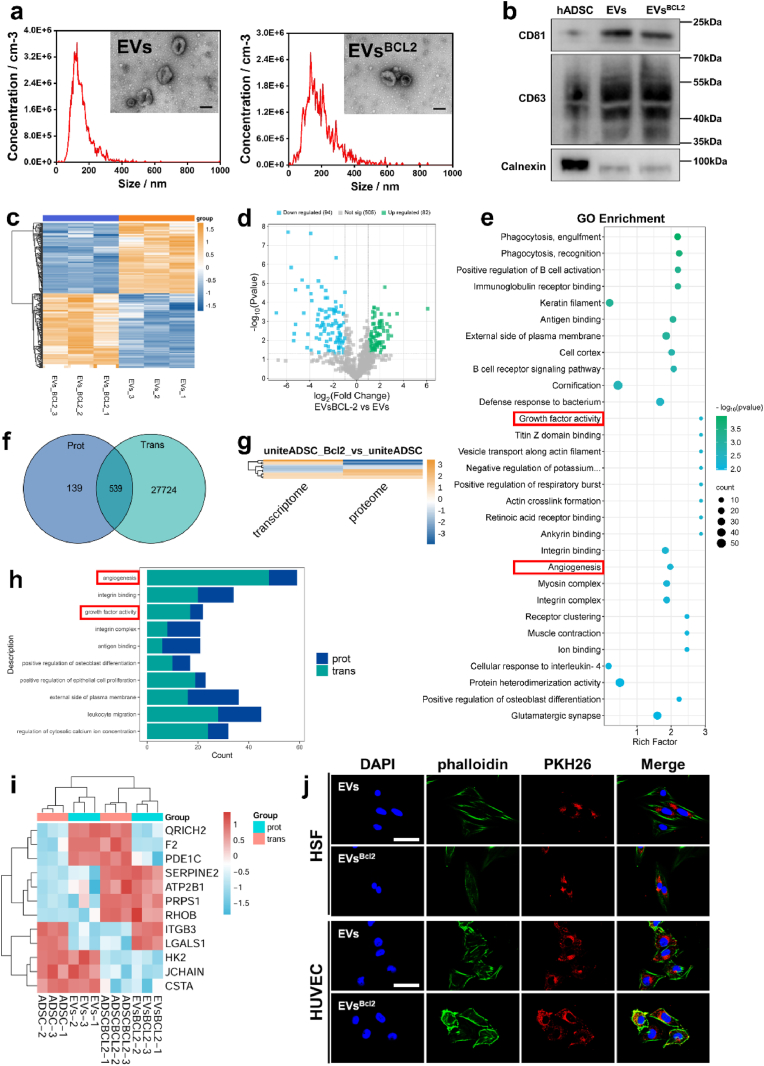
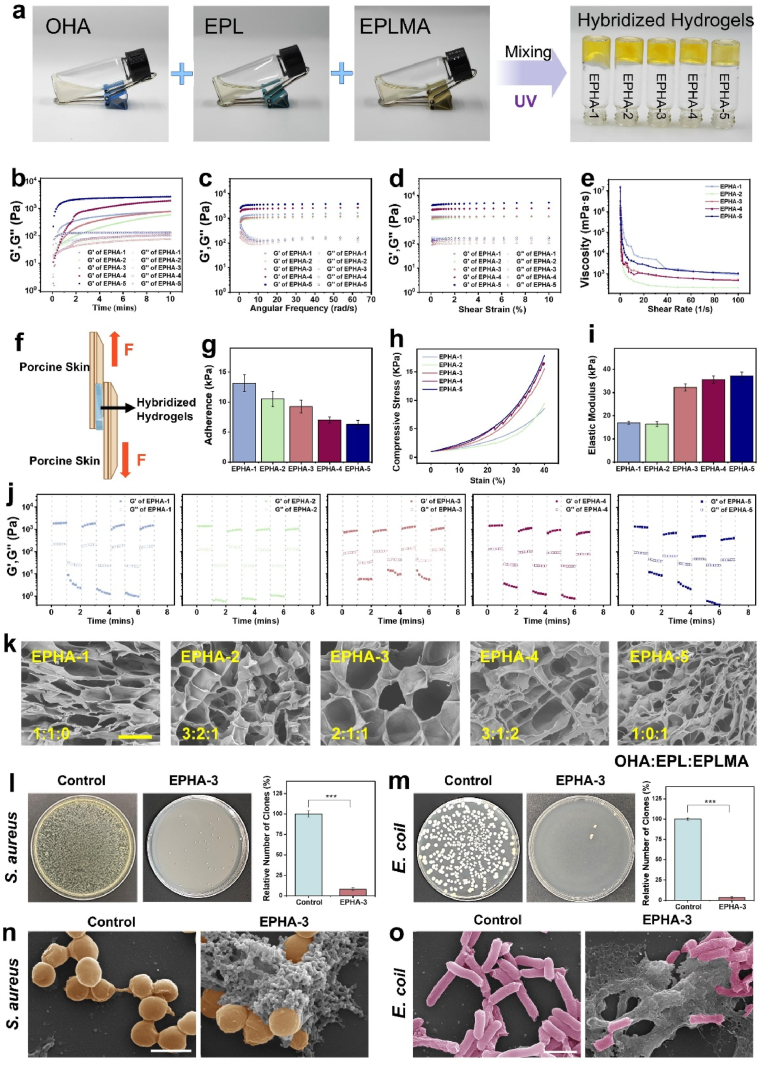
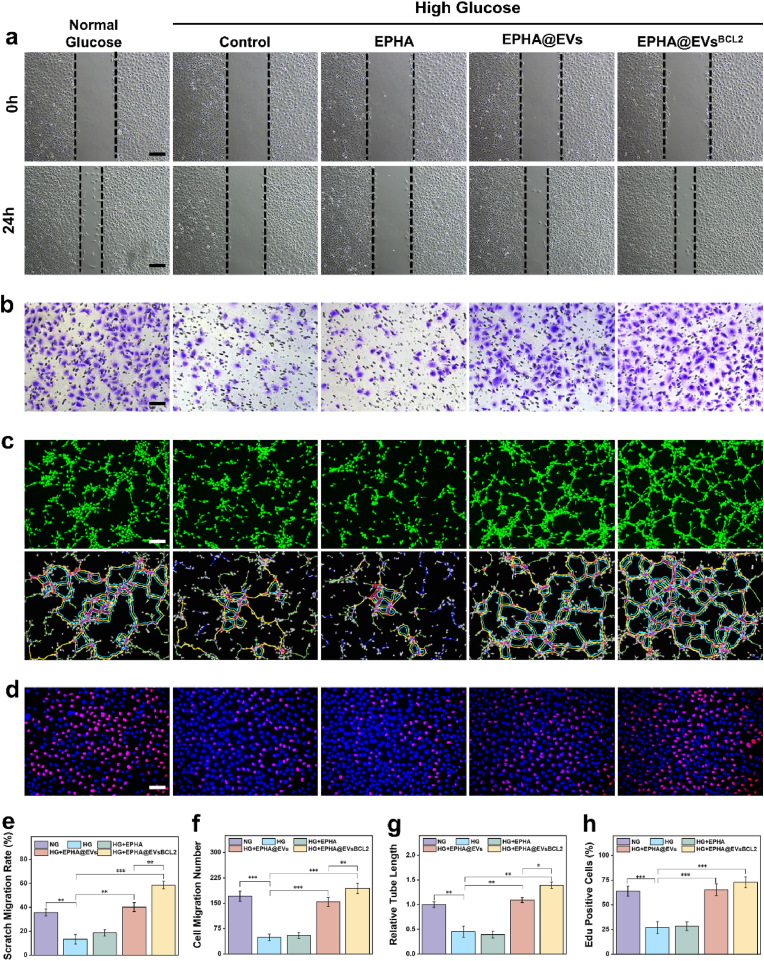
Diabetic wound healing remains a major clinical challenge owing to impaired angiogenesis, prolonged inflammation, and bacterial infection. Stem cell-derived extracellular vesicles (EVs) offer a promising solution for improving diabetic wound healing. The biological activity of EVs can be increased by engineering modifications. Antimicrobial hydrogel dressings combined with bioengineered EVs, will provide a good solution to the problem of difficult healing of diabetic wounds. Therefore, this study aims to investigate the potential of -engineered EVs to enhance wound healing in a diabetic mouse model. engineered adipose mesenchymal stem cells were constructed using the lentiviral embedding method, and analyzed their transcriptional changes through transcriptome sequencing. Their secreted EVs were isolated and characterized by proteomic sequencing. Integrating bioinformatics analysis, we found that engineered EVs may play a powerful role in angiogenesis and tissue repair. Furthermore, we developed an antimicrobial hydrogel based on epsilon-poly-lysine and hyaluronic acid to encapsulate them. The hydrogel-EVs system demonstrated a comprehensive promotion of wound healing, including increased angiogenesis, enhanced cell proliferation, reduced inflammation, and improved tissue architecture. These findings highlighted the potential of -engineered EV-loaded antimicrobial hydrogels as a novel strategy for managing diabetic wounds, providing a promising alternative to overcome the limitations of current therapeutic approaches.
由于血管生成受损、炎症持续时间延长和细菌感染,糖尿病伤口愈合仍然是一项重大的临床挑战。干细胞衍生的细胞外囊泡(EVs)为改善糖尿病伤口愈合提供了一个有前景的解决方案。通过工程改造可以提高EVs的生物活性。抗菌水凝胶敷料与生物工程EVs相结合,将为糖尿病伤口愈合困难的问题提供一个良好的解决方案。因此,本研究旨在探讨工程化EVs在糖尿病小鼠模型中促进伤口愈合的潜力。使用慢病毒嵌入方法构建工程化脂肪间充质干细胞,并通过转录组测序分析其转录变化。分离其分泌的EVs并通过蛋白质组测序进行表征。综合生物信息学分析,我们发现工程化EVs可能在血管生成和组织修复中发挥强大作用。此外,我们开发了一种基于ε-聚赖氨酸和透明质酸的抗菌水凝胶来包裹它们。水凝胶-EVs系统对伤口愈合有全面的促进作用,包括增加血管生成、增强细胞增殖、减轻炎症和改善组织结构。这些发现突出了负载工程化EVs的抗菌水凝胶作为治疗糖尿病伤口的新策略的潜力,为克服当前治疗方法的局限性提供了一个有前景的替代方案。