Merengueli Jailyn A, Kentner Amanda C
School of Arts & Sciences, Health Psychology Program, Massachusetts College of Pharmacy and Health Sciences, Boston Massachusetts, United States 02115.
bioRxiv. 2025 May 29:2025.05.26.656156. doi: 10.1101/2025.05.26.656156.
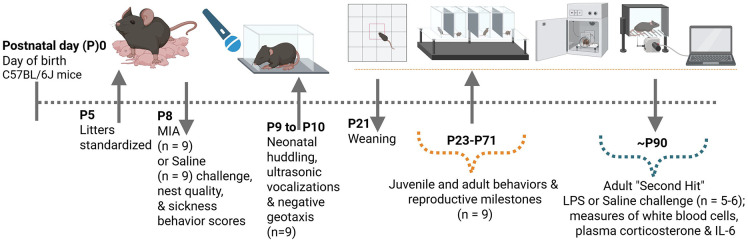
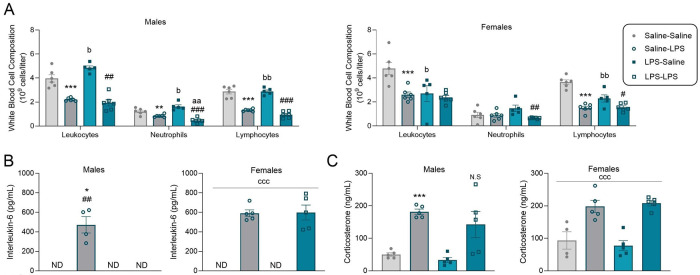
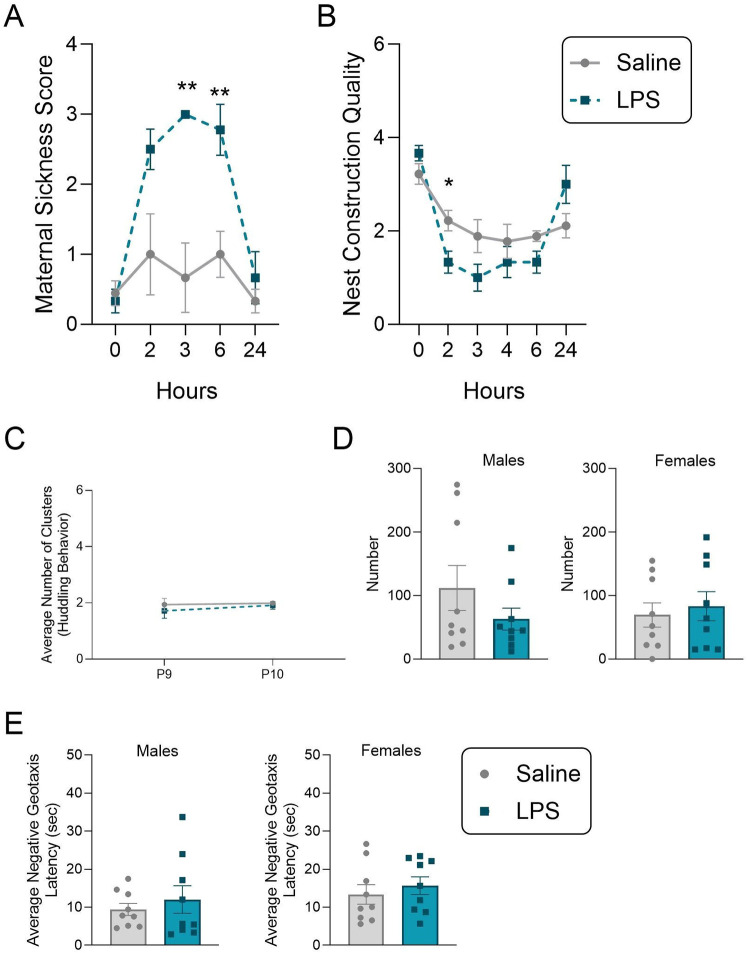
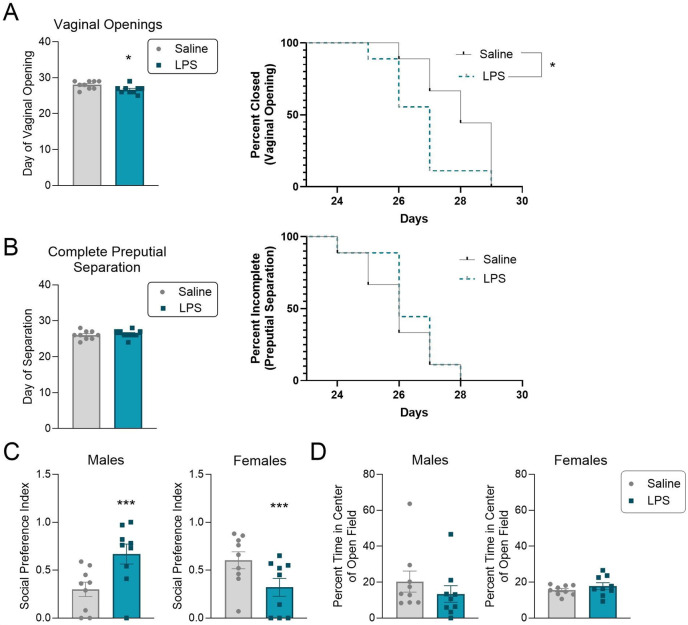
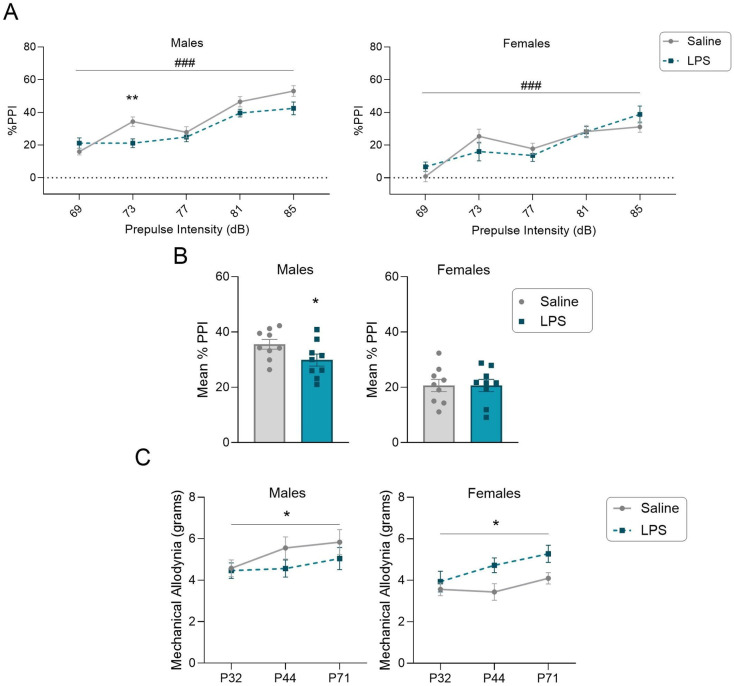
Exposure to infection during early life can lead to lasting neurodevelopmental changes. Animal models of maternal immune activation (MIA) typically assess neurobehavioral alterations in offspring following a prenatal inflammatory challenge. However, MIA effects on offspring can extend to challenges that occur during the lactational period. In the present study, we adapted previous methods focused on rats and challenged nursing C57BL/6J mouse mothers on postnatal day (P)8 with either the bacterial mimetic lipopolysaccharide (LPS; 250 μg/kg, i.p.) or saline (control, i.p.). By exposing only the mother to LPS, this modeled a postpartum infection in the dam. Similar to the rat model, lactational MIA did not detrimentally alter maternal care but induced displays of maternal sickness, as expected. While neonatal offspring behaviors (e.g., huddling, ultrasonic vocalizations, negative geotaxis) were unaffected, significant effects of lactational MIA emerged in juvenile (e.g., social preference, accelerated reproductive milestones) and adult (e.g., mechanical allodynia, prepulse inhibition) offspring. In a separate set of animals, the developmental programming potential of lactational MIA on immune function was evident following a "second hit" LPS challenge in adulthood (e.g., altered plasma concentrations of interleukin-6 and leukocytes, including neutrophils, and lymphocytes). These findings confirm the generalizability of the lactational MIA model across species and highlight the importance of supporting caregiver health and wellness across the critical nursing period.
生命早期接触感染可导致持久的神经发育变化。母体免疫激活(MIA)的动物模型通常评估产前炎症刺激后子代的神经行为改变。然而,MIA对子代的影响可延伸至哺乳期发生的刺激。在本研究中,我们采用了先前针对大鼠的方法,在出生后第8天(P8)用细菌模拟物脂多糖(LPS;250μg/kg,腹腔注射)或生理盐水(对照组,腹腔注射)对哺乳的C57BL/6J小鼠母亲进行刺激。仅让母亲接触LPS,以此模拟母鼠产后感染。与大鼠模型类似,哺乳期MIA并未有害地改变母性行为,但如预期的那样,诱发了母鼠患病的表现。虽然新生子代的行为(如挤作一团、超声波发声、负趋地性)未受影响,但哺乳期MIA对幼年(如社交偏好、加速生殖里程碑)和成年(如机械性异常疼痛、前脉冲抑制)子代产生了显著影响。在另一组动物中,成年期“二次打击”LPS刺激后,哺乳期MIA对免疫功能的发育编程潜力明显显现(如白细胞介素-6和包括中性粒细胞和淋巴细胞在内的白细胞的血浆浓度改变)。这些发现证实了哺乳期MIA模型在不同物种间的通用性,并强调了在关键的哺乳期支持照料者健康的重要性。