Guan Weiyu, Lu Xinran, Zhang Yin, Ding Hongping, Liu Xinmei, Yang Le, Wang Wenran, Shi Jianwu, Feng Shichun
Department of General Surgery, Nantong First People's Hospital, Affiliated Hospital 2 of Nantong University, Nantong, Jiangsu, China.
Department of Nursing, Third People's Hospital of Rugao, Nantong, Jiangsu, China.
Front Cell Dev Biol. 2025 May 30;13:1564789. doi: 10.3389/fcell.2025.1564789. eCollection 2025.
The proper development of embryonic stomach in human is essential for the functionality of the adult stomach. However, the key genes, biological processes, and signaling pathways that influence stomach development in human embryogenesis are not yet fully understood.
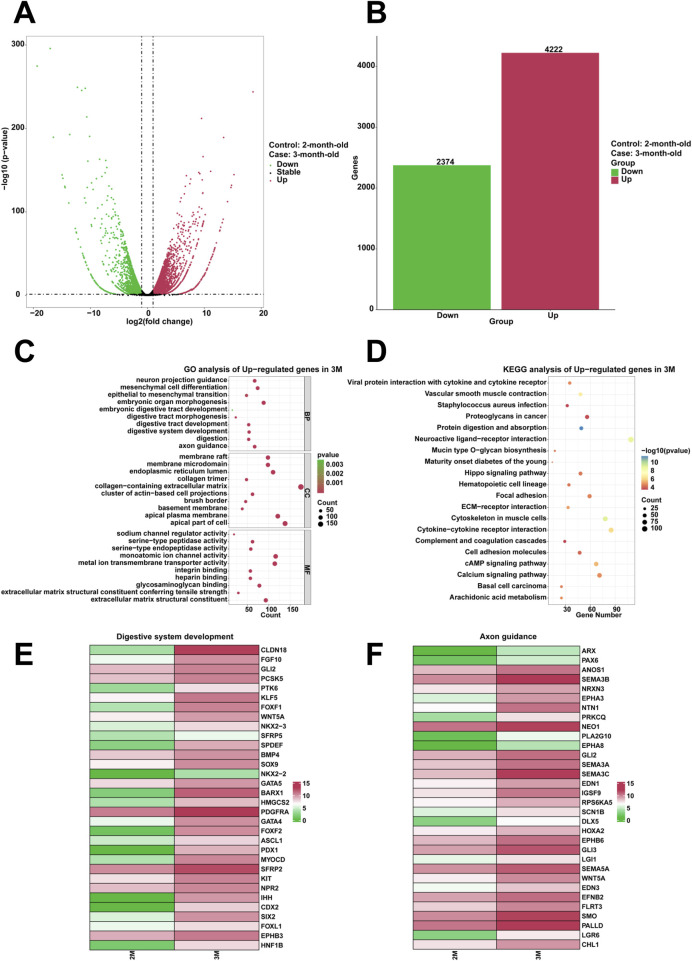
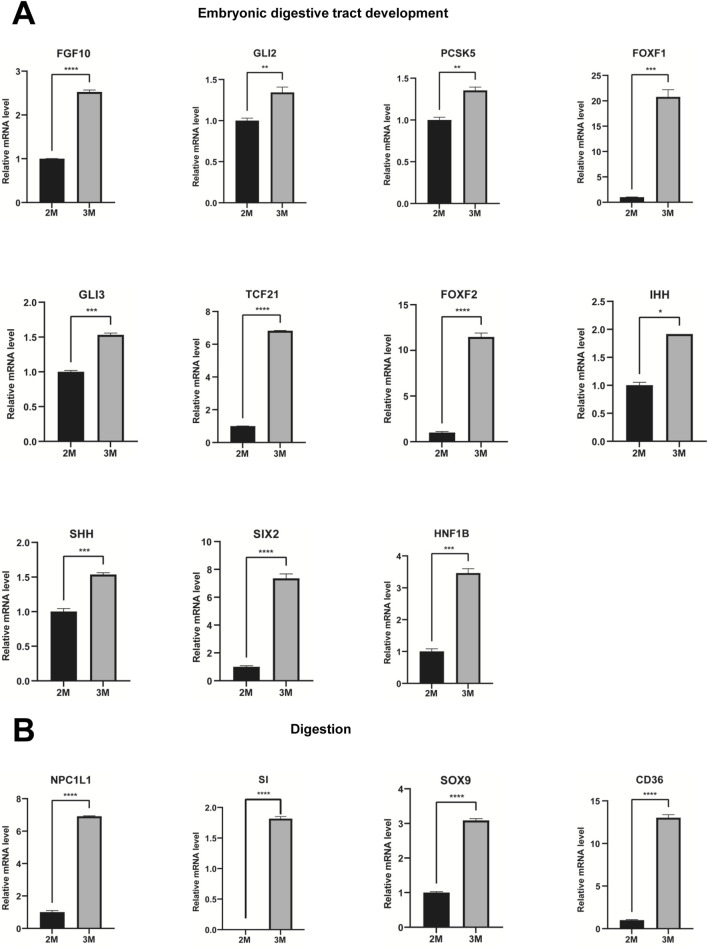
In this study, stomach samples were obtained from human embryos at developmental stages ranging from two to seven months. Through transcriptomic sequencing, we identified the differentially expressed genes and enrichment processes in the stomach at various developmental phases.
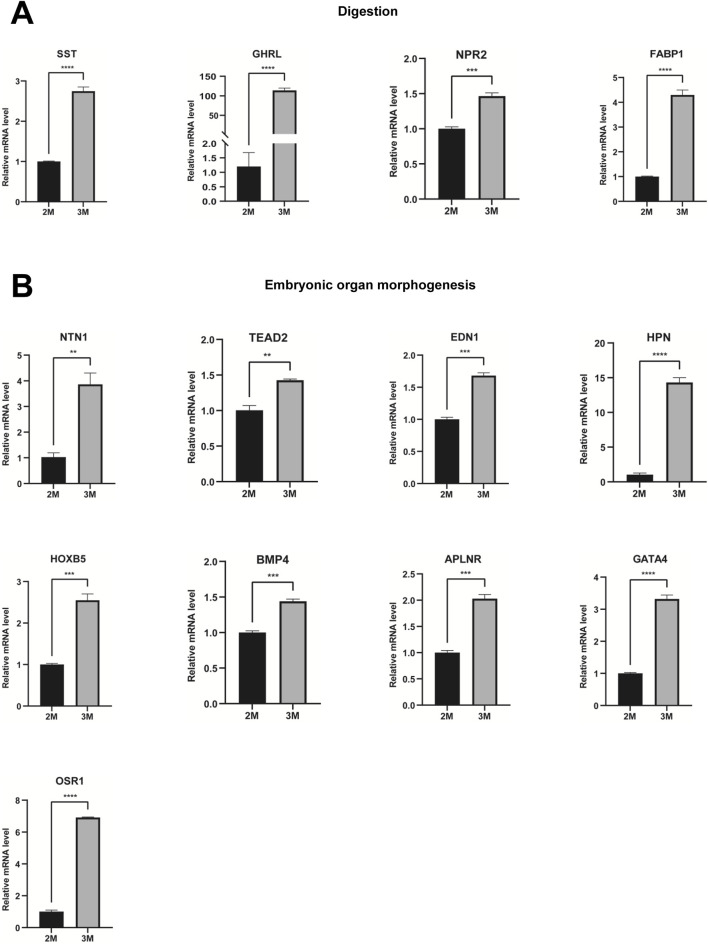
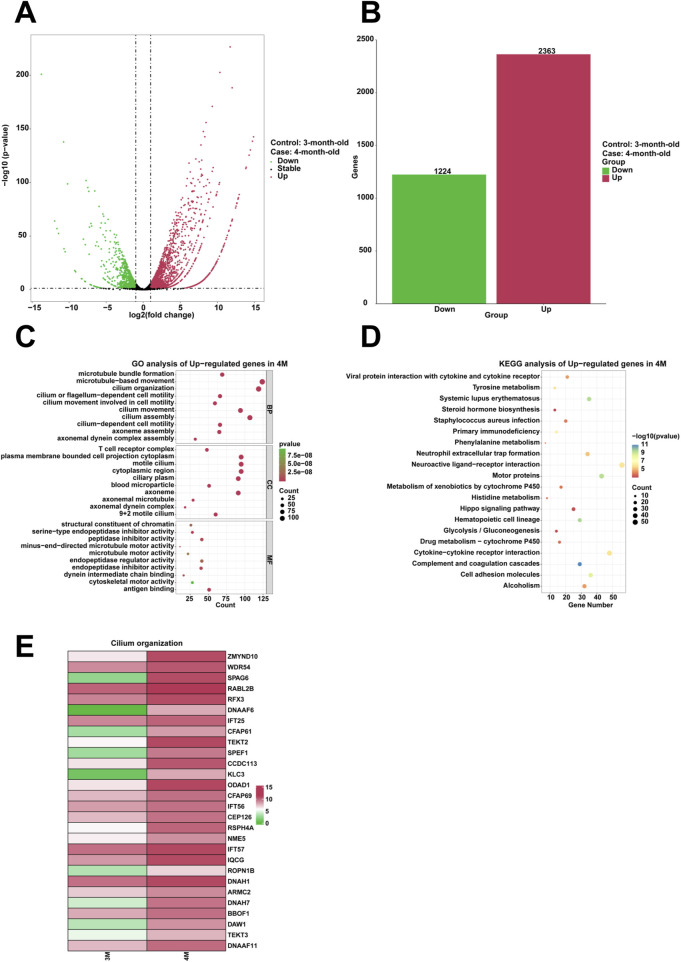
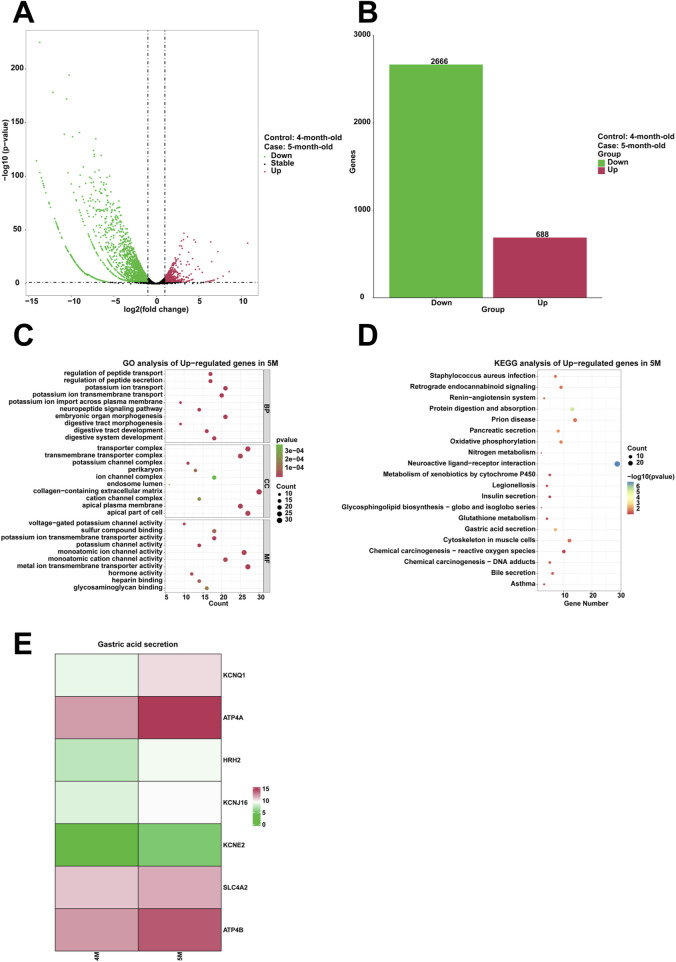
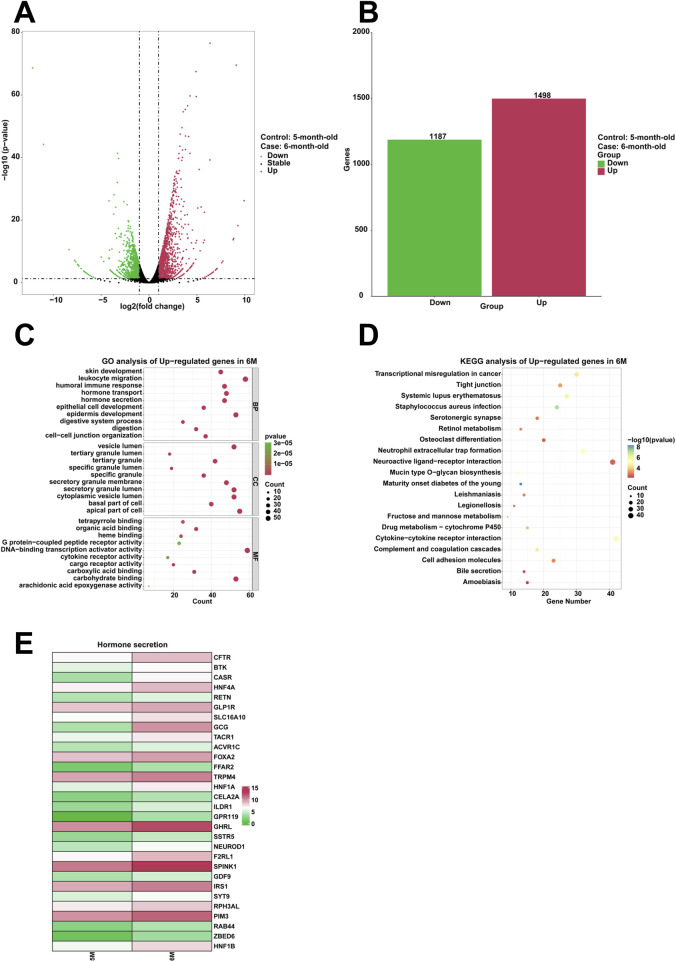
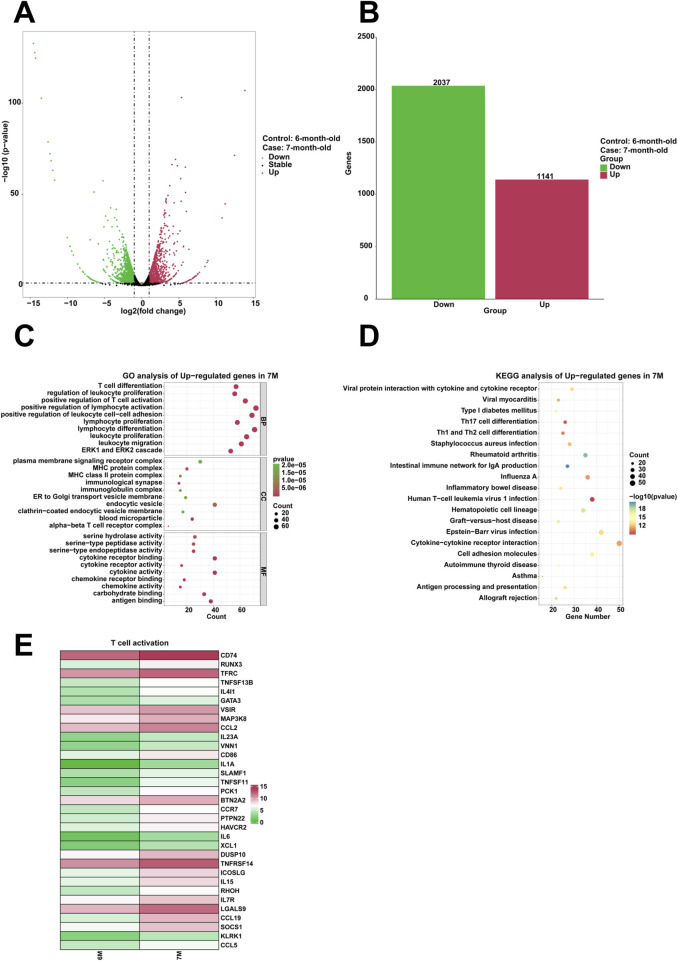
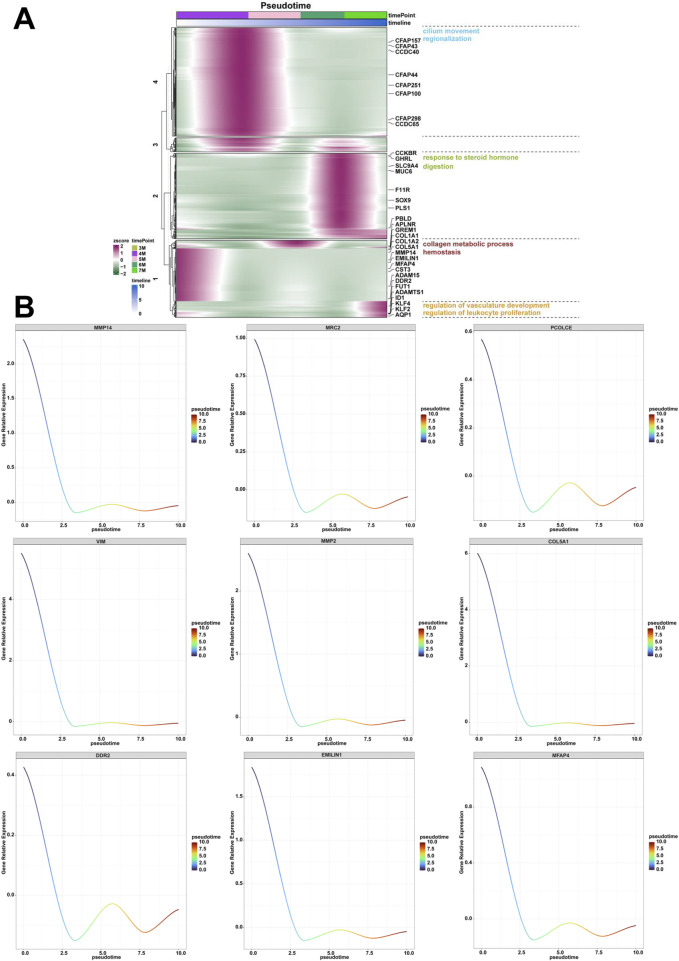
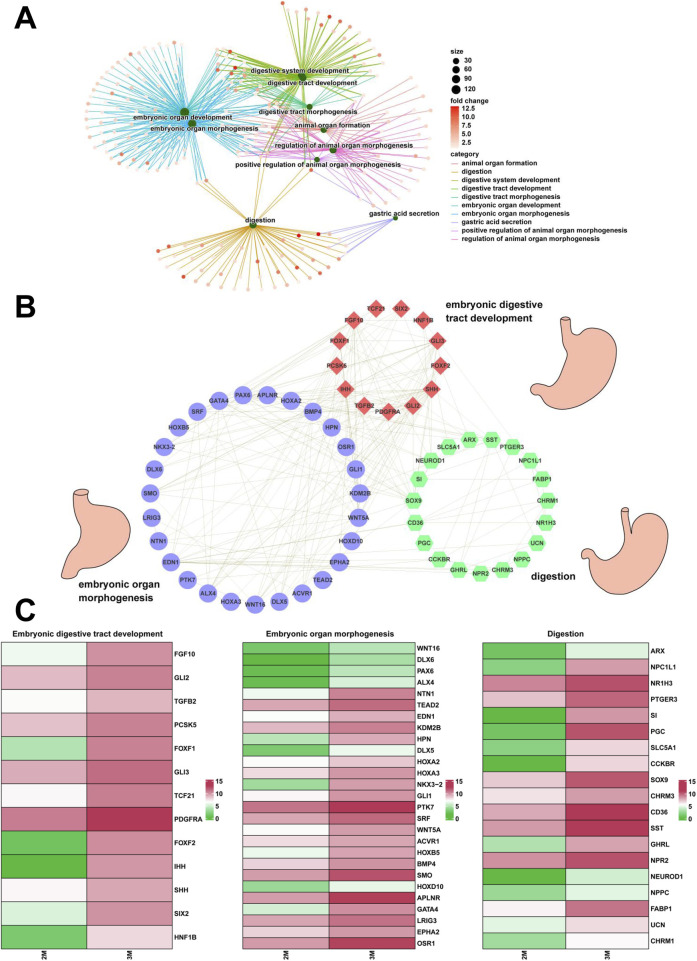
The results of this study indicate that genes associated with embryonic organ morphogenesis, digestive tract development, and gastric acid secretion displayed elevated expression during the early developmental stages. Additionally, a number of genes linked to cilium assembly and organization, peptide and hormone secretion and transportation, and immune response, showed increased expression during stomach maturation. Our findings elucidate that both the morphological and functional aspects of the stomach develop during the early stages of embryonic development. As gastric development, the stomach progressively acquires additional functions. This research provides insights into the intricate regulatory networks among the genes involved in embryonic digestive tract development, digestion and embryonic organ morphogenesis. Therefore, the formation of human embryonic stomach necessitates the synergistic regulation of a plethora of genes. Notably, this study not only identified traditionally recognized genes but also revealed many previously uncharacterized genes that play potential roles in stomach development and its functions.
These findings establish a crucial basis for future studies on stomach development and the disorders arising from fetal stomach abnormalities.
人类胚胎胃的正常发育对成体胃的功能至关重要。然而,影响人类胚胎发育过程中胃发育的关键基因、生物学过程和信号通路尚未完全明确。
在本研究中,从发育阶段为2至7个月的人类胚胎获取胃样本。通过转录组测序,我们鉴定了胃在不同发育阶段差异表达的基因和富集过程。
本研究结果表明,与胚胎器官形态发生、消化道发育和胃酸分泌相关的基因在发育早期表达升高。此外,一些与纤毛组装和组织、肽和激素分泌与运输以及免疫反应相关的基因,在胃成熟过程中表达增加。我们的研究结果阐明,胃的形态和功能方面在胚胎发育早期就开始发育。随着胃的发育,胃逐渐获得更多功能。本研究为参与胚胎消化道发育、消化和胚胎器官形态发生的基因之间复杂的调控网络提供了见解。因此,人类胚胎胃的形成需要众多基因的协同调控。值得注意的是,本研究不仅鉴定了传统上公认的基因,还揭示了许多以前未被表征但在胃发育及其功能中发挥潜在作用的基因。
这些发现为未来关于胃发育以及胎儿胃异常引起的疾病的研究奠定了关键基础。