Li Xinqi, Hu Guizhou, Chen Xu, Di Can, Qi Jin
Research Center for Traceability and Standardization of TCMs, School of Traditional Chinese Pharmacy, China Pharmaceutical University, Nanjing, China.
State Key Laboratory on Technologies for Chinese Medicine Pharmaceutical Process Control and Intelligent Manufacture, Jiangsu Kanion Pharmaceutical Co., Ltd., Lianyungang, China.
Front Pharmacol. 2025 May 30;16:1601384. doi: 10.3389/fphar.2025.1601384. eCollection 2025.
Histamine is an important mediator of allergy, and inhibiting its binding to H1 receptors (H1R) is a key method to alleviate allergic diseases. Natural products with anti-allergic properties are an important source of natural H1R antagonists.
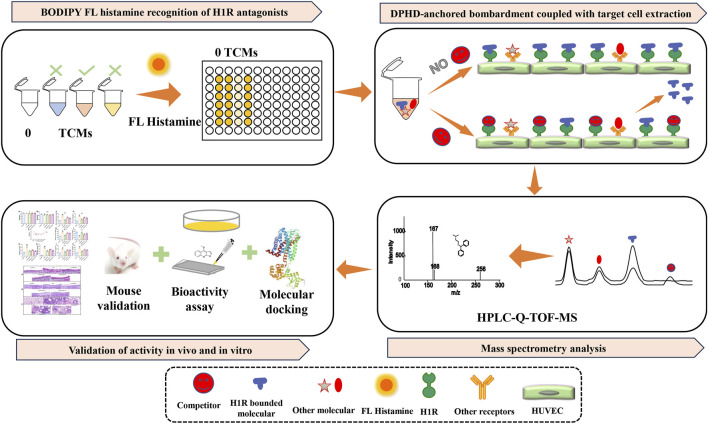
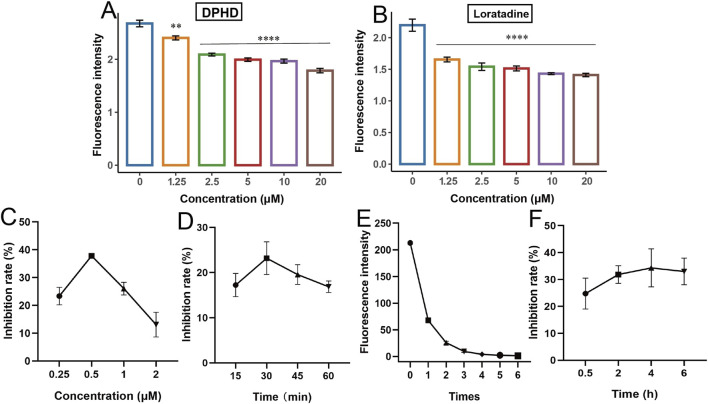
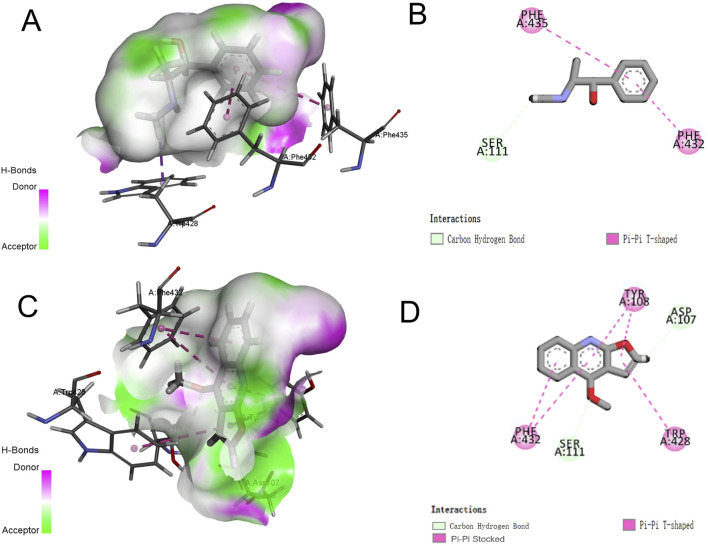
In this study, a rapid method for identifying the H1R antagonists from natural products via the BODIPY FL histamine recognition and diphenhydramine (DPHD)-anchored bombardment coupled with target cell extraction was developed. In addition, the activity of the H1R antagonist was further validated both and through BODIPY FL histamine recognition, intracellular fluorescence calcium ion (Ca) kinetic recognition, molecular docking, and animal experiments.
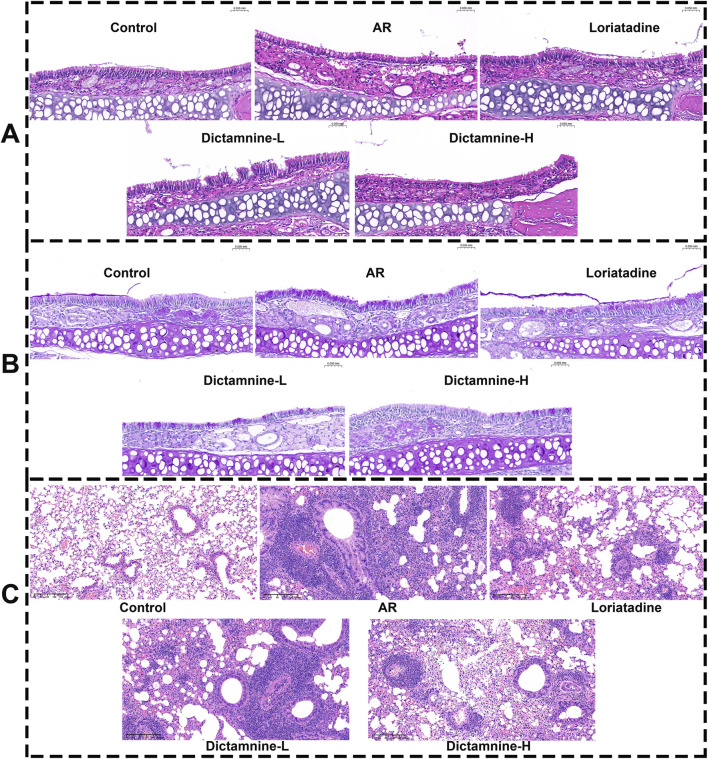
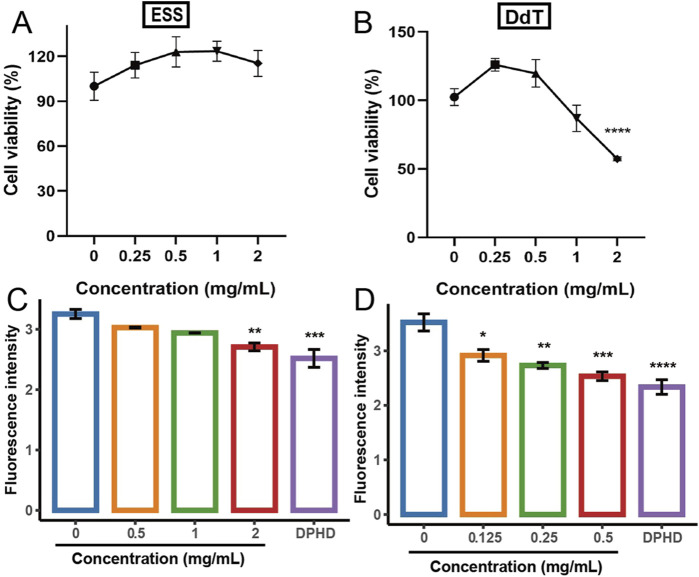
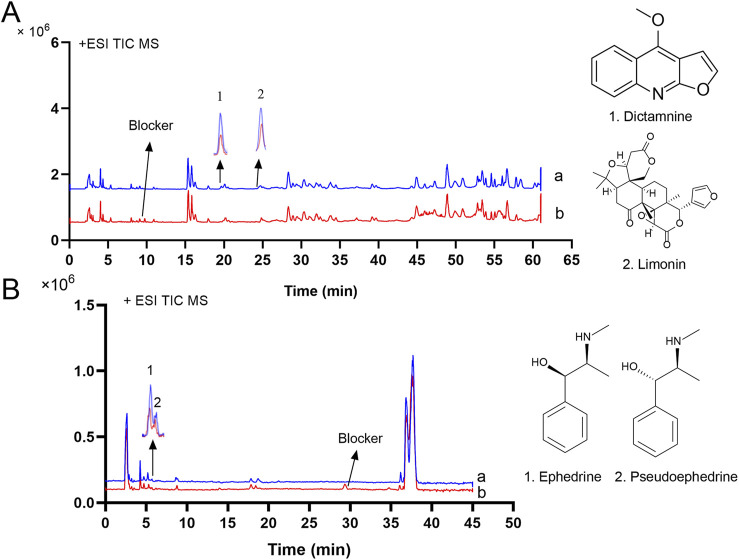
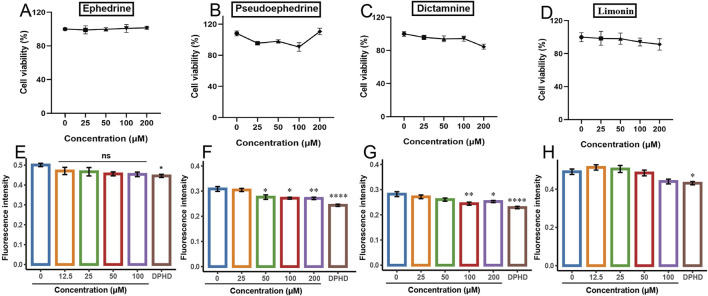
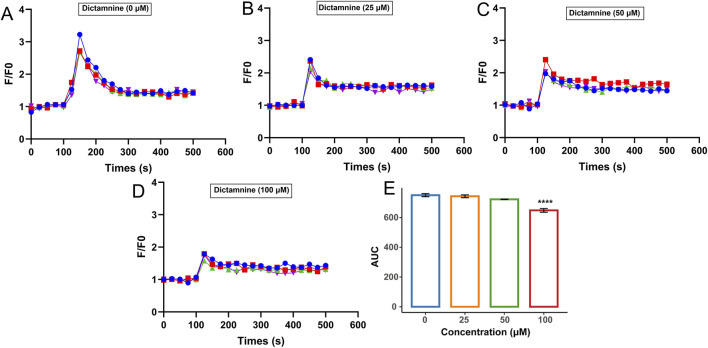
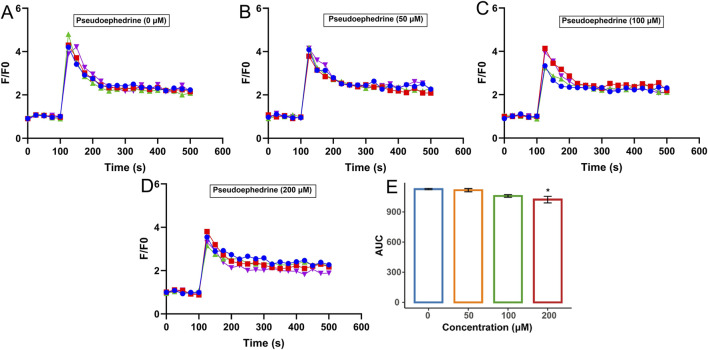
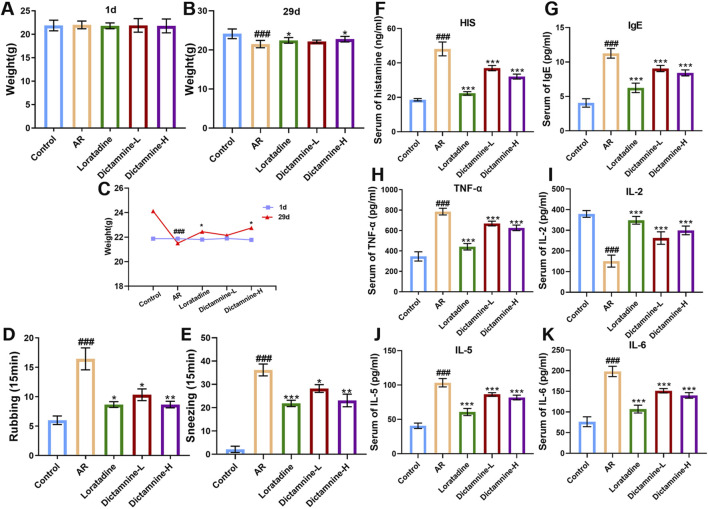
The binding of fluorescent histamine to H1R was notably inhibited by Stapf (ESS) and Turcz (DdT). Ephedrine and pseudoephedrine in ESS and dictamnine and limonin in DdT were screened as potential H1R antagonists using the target cell extraction of the DPHD-anchored bombardment. The BODIPY FL histamine recognition results revealed the significant blocking effects on H1R binding by pseudoephedrine (50 μM) and dictamnine (100 μM). Pseudoephedrine (200 μM) and dictamnine (100 μM) markedly decreased the histamine-induced increase in intracellular calcium ion (Ca) concentration. Docking results indicated strong binding affinity for both components to H1R, with dictamnine exhibiting a higher affinity than pseudoephedrine. Ultimately, the ameliorative effect of dictamnine on allergic rhinitis mice was confirmed through nasal symptom score, serum pharmacodynamic indices (immunoglobulin E (IgE), histamine, IL-2, IL-4, IL-6, and TNF-α), and histopathology.
This study showed that dictamnine (validated and ) and pseudoephedrine (validated ) may serve as potential H1R antagonists. This study offered valuable insights for future developments in antihistamines.
组胺是过敏反应的重要介质,抑制其与H1受体(H1R)的结合是缓解过敏性疾病的关键方法。具有抗过敏特性的天然产物是天然H1R拮抗剂的重要来源。
在本研究中,开发了一种通过BODIPY FL组胺识别和苯海拉明(DPHD)锚定轰击结合靶细胞提取从天然产物中鉴定H1R拮抗剂的快速方法。此外,通过BODIPY FL组胺识别、细胞内荧光钙离子(Ca)动力学识别、分子对接和动物实验,进一步验证了H1R拮抗剂的活性。
荧光组胺与H1R的结合受到地锦草(ESS)和白藓皮(DdT)的显著抑制。利用DPHD锚定轰击的靶细胞提取法,筛选出ESS中的麻黄碱和伪麻黄碱以及DdT中的白藓碱和柠檬苦素作为潜在的H1R拮抗剂。BODIPY FL组胺识别结果显示,伪麻黄碱(50 μM)和白藓碱(100 μM)对H1R结合具有显著的阻断作用。伪麻黄碱(200 μM)和白藓碱(100 μM)显著降低了组胺诱导的细胞内钙离子(Ca)浓度升高。对接结果表明,两种成分与H1R均具有较强的结合亲和力,白藓碱的亲和力高于伪麻黄碱。最终,通过鼻症状评分、血清药效学指标(免疫球蛋白E(IgE)、组胺、IL-2、IL-4、IL-6和TNF-α)以及组织病理学,证实了白藓碱对变应性鼻炎小鼠的改善作用。
本研究表明,白藓碱(经 和 验证)和伪麻黄碱(经 验证)可能作为潜在的H1R拮抗剂。本研究为抗组胺药的未来发展提供了有价值的见解。