Zhai Mingming, Huang Liwen, Sun Shijie, Cao Liying, Yue Xueqiong, Hu Yuanxia
School of Medical Devices, Shenyang Pharmaceutical University, Shenyang.
School of Pharmaceutical Engineering, Shenyang Pharmaceutical University, Shenyang.
PLoS One. 2025 Jun 17;20(6):e0325924. doi: 10.1371/journal.pone.0325924. eCollection 2025.
To quantitatively evaluate the drug regulatory capacity in China, aiming to optimize the drug regulatory system, precisely enhance local regulatory effectiveness, and reduce regional regulatory disparities.
Using the methods of literature research, expert interviews, investigation and analysis, the quantitative evaluation indicator system of supervision ability was established in all directions; the indicator data were collected and quantified; the indicator weight setting algorithm of the evaluation system was improved and the indicator weight was set by combining AHP and entropy method; the differences among eastern, central, and western provincial-level regions were analyzed by variance analysis; panel data were constructed for spatio-temporal evolution analysis; obstacle factor diagnosis model was used to analyze the obstacle factors.
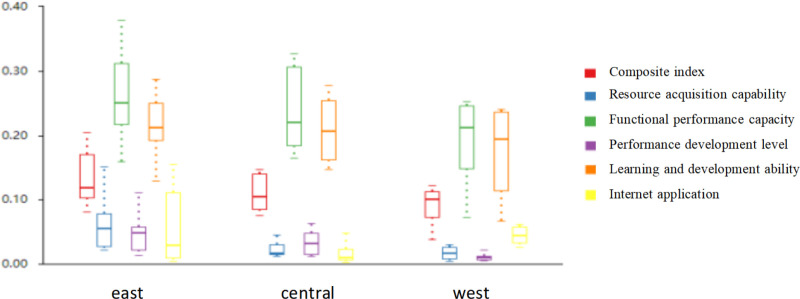
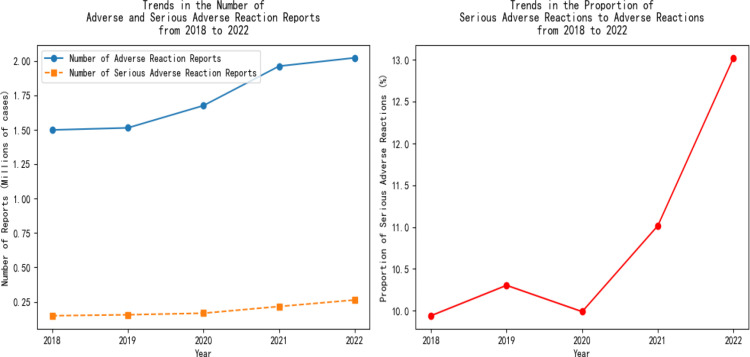
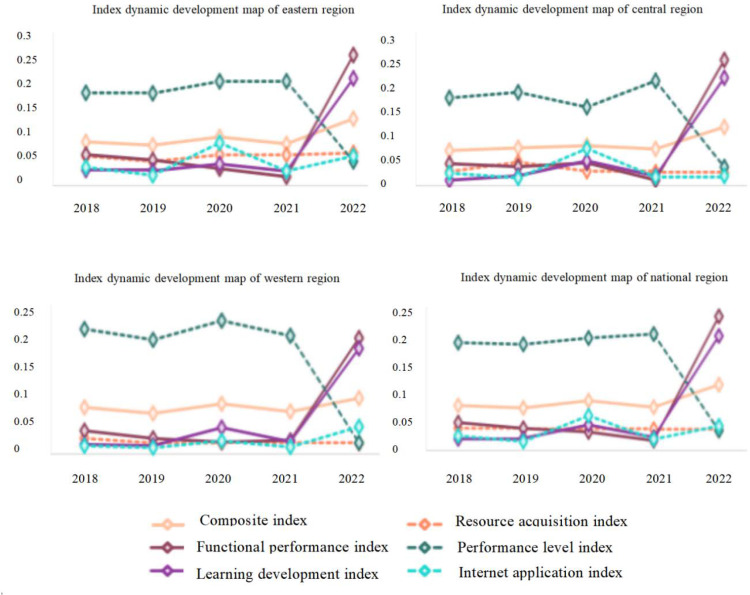
The quantitative indicator system was constructed from five aspects: resource acquisition, function performance, learning and development, performance level and Internet application,and the relevant indicators of pharmacovigilance and risk response were analyzed at the national macro level. From the analysis of horizontal comparative variance, the comprehensive indicator and resource acquisition indicator of various provincial-level regions were significantly different(P < 0.05), while others were not significant. From the perspective of dynamic development, except for the performance level in 2022, all provincial-level regions were generally on the rise. From the perspective of obstacle factors, they were mainly in the aspects of learning development and functional performance. Regarding national pharmacovigilance and risk response, despite the synergistic development of all links ensuring drug safety and promoting industrial progress, new issues and challenges demand continuous attention and optimization of the regulatory system.
There are regional differences in drug regulation in China. A drug regulation capacity improvement plan should be formulated in combination with the characteristics of the city itself and obstacle factors to achieve efficient and balanced development of drug regulation.
定量评估我国药品监管能力,旨在优化药品监管体系,精准提升地方监管效能,缩小区域监管差距。
采用文献研究、专家访谈、调查分析等方法,全方位建立监管能力定量评估指标体系;收集并量化指标数据;改进评估体系的指标权重设定算法,结合层次分析法和熵值法确定指标权重;运用方差分析方法分析东部、中部和西部省级区域之间的差异;构建面板数据进行时空演变分析;利用障碍因素诊断模型分析障碍因素。
从资源获取、职能履行、学习发展、绩效水平和互联网应用五个方面构建了定量指标体系,并在国家宏观层面分析了药物警戒和风险应对的相关指标。从横向比较方差分析来看,各省级区域的综合指标和资源获取指标存在显著差异(P<0.05),其他指标差异不显著。从动态发展角度看,除2022年绩效水平外,各省级区域总体呈上升趋势。从障碍因素角度看,主要集中在学习发展和职能履行方面。关于国家药物警戒和风险应对,尽管各环节协同发展以保障药品安全和促进行业进步,但新问题和挑战仍需持续关注并优化监管体系。
我国药品监管存在区域差异。应结合城市自身特点和障碍因素制定药品监管能力提升计划,以实现药品监管的高效均衡发展。