Huang Yan, Yang Ting, Liang Xiaoqin, Chen You, Zhou Ping, Yu Zhangbin, Zhong Guichao, Zhang Lian
Department of Neonatology, Shenzhen Baoan Women's and Children's Hospital, Shenzhen, Guangdong, China.
Department of Neonatology, Shenzhen People's Hospital, (The Second Clinical Medical College, Jinan University, The First Affiliated Hospital, Southern University of Science and Technology), Shenzhen, Guangdong, China.
Front Pediatr. 2025 Jun 4;13:1502385. doi: 10.3389/fped.2025.1502385. eCollection 2025.
Persistent pulmonary hypertension of the newborn (PPHN) is a frequent neonatal emergency in the neonatal intensive care unit (ICU), representing a challenging condition that has not been extensively studied. PPHNremains associated with a high mortality and morbidity.
This scoping review was undertaken to provide a global overview of several key aspects: (1) the prevalence/incidence and etiologies of PPHN, (2) the mortality rate linked to PPHN during hospitalization and the primary causes of such mortality, (3) the risk factors related to PPHN, and (4) the approaches to managing PPHN. The aim of this scoping review was not to assess the methodological soundness of the identified studies, but instead to deliver a broad, comprehensive perspective on PPHN, identify gaps within the current literature, and outline potential avenues for future research. The results are anticipated to assist in developing public health strategies aimed at reducing the morbidity and mortality tied to PPHN globally.
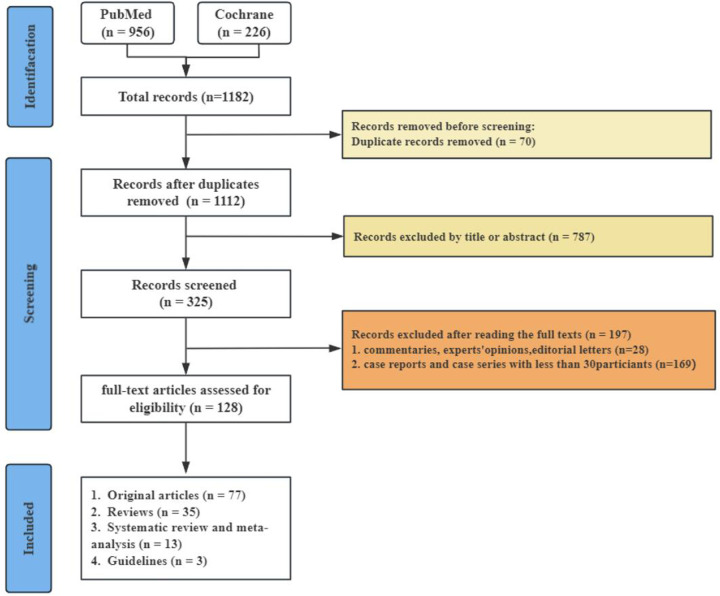
We conducted a digital search in MEDLINE and the Cochrane Library, from January 1, 1993 to December 31, 2023.We incorporated observational studies, interventional studies, and reviews that provided adequate data on the incidence/prevalence, mortality rates, predictors, etiological factors, diagnosis, and management of PPHN among the general neonatal population (age 0-28 days old). This procedure followed the guidelines set by the Preferred Reporting Items for Systematic Reviews and Meta-Analysis Extensions for Scoping Reviews (PRISMA-ScR). Additionally, we utilized the methodological framework for scoping reviews as outlined by Arksey and O'Malley, which consists of formulating the research question, conducting a search for pertinent studies, selecting the studies, organizing the data, and compiling, summarizing and reporting the findings.
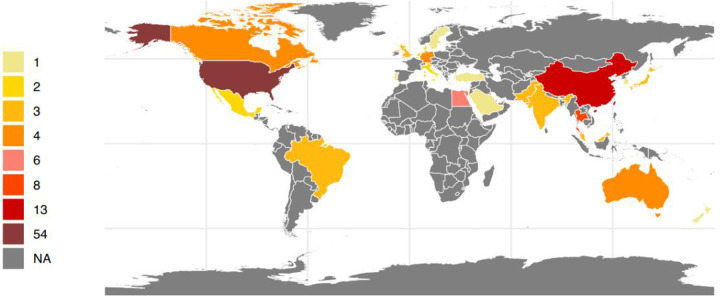
A total of 128 research articles were collected from 27 countries categorized as either high-income or low- and middle-income countries (LMICs). The prevalence of PPHN ranges from 0.1%-8.1% in the different study populations. The highest global prevalence rates are observed in Europe and Asia, while lower prevalence rates are reported in the Americas and Africa. Neonatal infections are the leading cause of PPHN in Asia and the Americas, whereas meconium aspiration syndrome predominates in Europe. Several independent risk factors for PPHN include premature birth, male sex, ethnicity, extremes of birth weight, advanced maternal age, maternal obesity, multiple births, maternal smoking, pregestational/gestational diabetes mellitus, infectious history, caesarean delivery, antenatal drug exposure, fetal distress, APGAR score and meconium-stained amniotic fluid. The PPHN-related in-hospital mortality rate associated with PPHN ranges from 3.0%-57.9%, with the highest rates reported in Asia and the lowest in the United States of America (USA) and the United Kingdom (UK). It is advised that clinical evaluation incorporates the oxygenation index (OI) to assist in guiding medical practice.
PPHN has a high global burden, driven by neonatal infections and meconium aspiration syndrome, particularly pronounced in LIMCs where there is a pressing need for more intensive treatments and innovative solutions, ideally supported by region-specific subsidies, to address this concerning burden.
新生儿持续性肺动脉高压(PPHN)是新生儿重症监护病房(ICU)常见的新生儿急症,是一种尚未得到广泛研究的具有挑战性的病症。PPHN仍然与高死亡率和高发病率相关。
本范围综述旨在全面概述几个关键方面:(1)PPHN的患病率/发病率及病因,(2)住院期间与PPHN相关的死亡率及其主要死因,(3)与PPHN相关的危险因素,(4)PPHN的管理方法。本范围综述的目的不是评估已识别研究的方法学合理性,而是提供关于PPHN的广泛、全面的观点;识别当前文献中的差距;概述未来研究的潜在途径。预期结果将有助于制定旨在降低全球与PPHN相关的发病率和死亡率的公共卫生策略。
我们在MEDLINE和Cochrane图书馆进行了数字检索,检索时间为1993年1月1日至2023年12月31日。我们纳入了观察性研究、干预性研究和综述,这些研究提供了关于一般新生儿人群(0 - 28日龄)中PPHN的发病率/患病率、死亡率、预测因素、病因因素、诊断和管理的充分数据。该程序遵循系统评价和Meta分析扩展的范围综述首选报告项目(PRISMA - ScR)设定的指南。此外,我们采用了Arksey和O'Malley概述的范围综述方法框架,该框架包括提出研究问题、搜索相关研究、选择研究、整理数据以及汇编、总结和报告研究结果。
共收集了来自27个国家的128篇研究文章,这些国家分为高收入国家或低收入和中等收入国家(LMICs)。在不同研究人群中,PPHN的患病率在0.1% - 8.1%之间。全球患病率最高的地区是欧洲和亚洲,而美洲和非洲的患病率较低。新生儿感染是亚洲和美洲PPHN的主要原因,而胎粪吸入综合征在欧洲占主导地位。PPHN的几个独立危险因素包括早产、男性、种族、出生体重极端情况、母亲年龄较大、母亲肥胖、多胎妊娠、母亲吸烟、孕前/孕期糖尿病、感染史、剖宫产、产前药物暴露、胎儿窘迫、阿氏评分和羊水胎粪污染。与PPHN相关的住院死亡率在3.0% - 57.9%之间,亚洲报告的死亡率最高,美国(USA)和英国(UK)最低。建议临床评估纳入氧合指数(OI)以辅助指导医疗实践。
PPHN在全球范围内负担沉重,由新生儿感染和胎粪吸入综合征驱动尤其在低收入和中等收入国家明显,在这些国家迫切需要更强化的治疗和创新解决方案,理想情况下由特定区域补贴支持,以应对这一令人担忧的负担。