Foschi Davide, Abate Andrea, Vailati Francesca, Loi Ignazio, Maspero Cinzia, Lanteri Valentina
Private Practice, 40100 Bologna, Italy.
Department of Sciences Integrated Surgical and Diagnostic, University of Genova, 16126 Genova, Italy.
Dent J (Basel). 2025 Jun 10;13(6):259. doi: 10.3390/dj13060259.
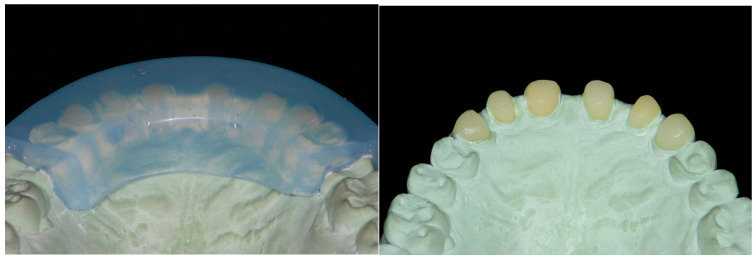
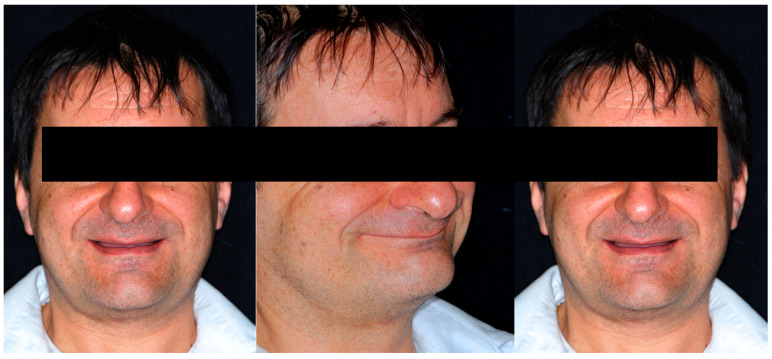
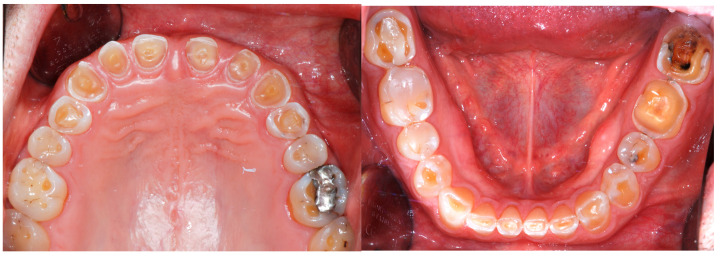
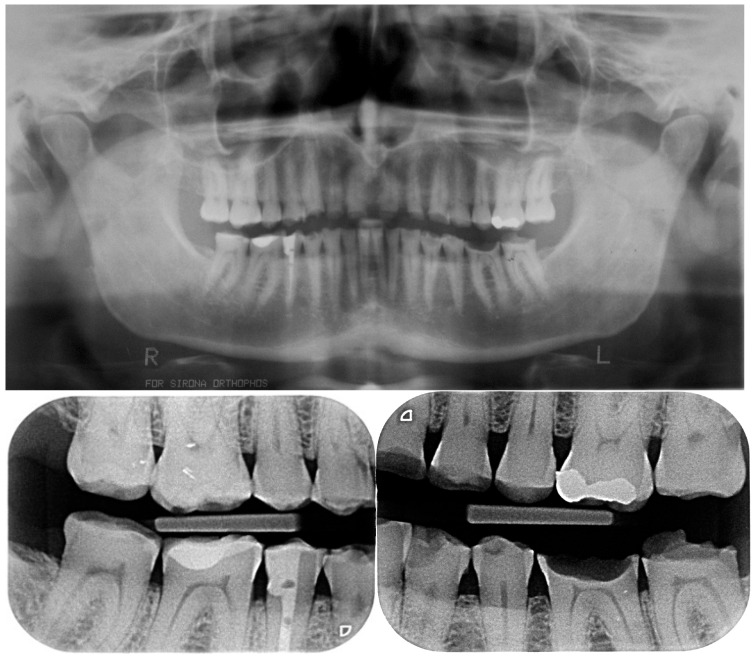
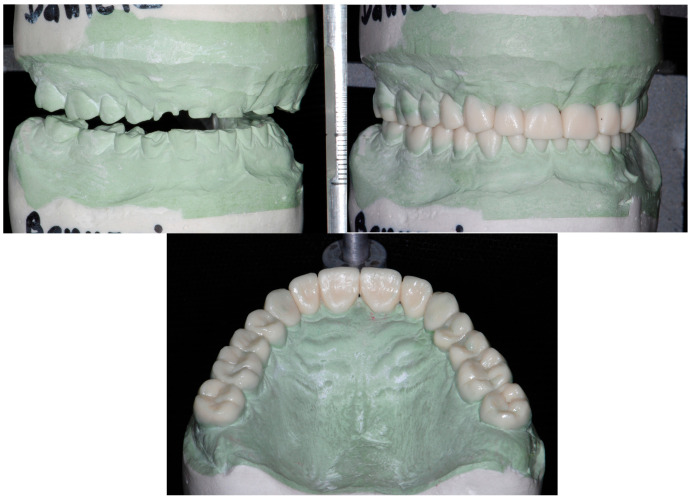
In recent years, thanks to the improvement of adhesive techniques, patients affected by tooth wear, related to erosion and/or parafunctional habits, can undergo restoration by adding only what has been lost of their dentition (additive approach). However, since not all clinicians are convinced that dental rehabilitation should be proposed in the early stages of exposed dentin, several treatments are often postponed. It is important to emphasize that, in the early stages, the clinical approach should remain conservative, focusing on dietary counseling, the modification of harmful habits, fluoride application, and risk factor management. Only when these preventive and non-invasive strategies prove insufficient, and the condition continues to progress, should invasive restorative treatments be considered. Unfortunately, epidemiological studies are reporting an increase in the number of young patients affected by erosive tooth wear, and not intercepting these cases earlier could lead to a severe degradation of the affected dentition. In addition, parafunctional habits are also becoming more frequent among patients. The combination of erosion and attrition can be very destructive, and may progress rapidly once dentin is exposed and the risk factors remain unaddressed. The aim of this report was to present a conservative full-mouth rehabilitation approach for severe erosive lesions and to provide a 10-year follow-up assessing the biological, functional, and esthetic outcomes. In this article, the postponed restorative treatment of a patient, suffering from severe tooth wear, is illustrated. The patient had sought dental treatment in the past; however, due to the already very compromised dentition, a conventional but very aggressive treatment was proposed and refused. Four years later, when the patient finally accepted an alternative conservative therapy, the tooth degradation was very severe, especially at the level of the maxillary anterior teeth. The combination of three different approaches, Speed-Up Therapy, BOPT (Biologically-Oriented Preparation Technique), and the 3 Step Technique, however, improved the capacity to successfully complete the difficult therapeutic task. The biological goals (maintenance of the pulp vitality of all of the teeth and the minimal removal of healthy tooth structure) were accomplished, relying only on adhesive techniques. The overall treatment was very comfortable for the patient and less complicated for the clinician. At 10-year follow-up, biological, functional, and esthetic success was still confirmed.
近年来,由于粘接技术的进步,受牙齿磨损(与酸蚀和/或磨牙症等副功能习惯有关)影响的患者可以通过仅补充牙列中缺失的部分来进行修复(加法修复法)。然而,由于并非所有临床医生都确信在牙本质暴露的早期阶段就应进行牙齿修复,所以一些治疗往往被推迟。必须强调的是,在早期阶段,临床方法应保持保守,重点是饮食咨询、有害习惯的纠正、氟化物应用和危险因素管理。只有当这些预防和非侵入性策略被证明不足,且病情持续进展时,才应考虑侵入性修复治疗。不幸的是,流行病学研究报告显示,受侵蚀性牙齿磨损影响的年轻患者数量在增加,不及早干预这些病例可能会导致患牙列严重恶化。此外,副功能习惯在患者中也越来越常见。酸蚀和磨耗的共同作用可能极具破坏性,一旦牙本质暴露且危险因素未得到解决,病情可能会迅速进展。本报告的目的是介绍一种针对严重侵蚀性病变的保守全口修复方法,并提供10年随访结果,评估生物学、功能和美学效果。在本文中,展示了一位患有严重牙齿磨损患者的延迟修复治疗情况。该患者过去曾寻求牙科治疗;然而,由于牙列已经严重受损,当时提出了一种传统但非常激进的治疗方案,患者拒绝了。四年后,当患者最终接受另一种保守治疗时,牙齿退化非常严重,尤其是在上颌前牙区域。然而,三种不同方法(加速治疗、生物导向预备技术和三步技术)的联合应用提高了成功完成这项艰巨治疗任务的能力。仅依靠粘接技术就实现了生物学目标(维持所有牙齿的牙髓活力以及尽量少去除健康牙体组织)。总体治疗对患者来说非常舒适,对临床医生来说也不那么复杂。在10年随访时,生物学、功能和美学方面的成功仍然得到证实。