Veszelka Médea, Hegyközi József, Almási Nikoletta, Török Szilvia, Barta Bence Pál, Nagy Izabella, Börzsei Denise, Bódi Nikolett, Bagyánszki Mária, Szabó Renáta, Varga Csaba
Department of Physiology, Anatomy, and Neuroscience, Faculty of Science and Informatics, University of Szeged, 6726 Szeged, Hungary.
HR-Pharma Ltd., 6726 Szeged, Hungary.
Int J Mol Sci. 2025 Jun 16;26(12):5779. doi: 10.3390/ijms26125779.
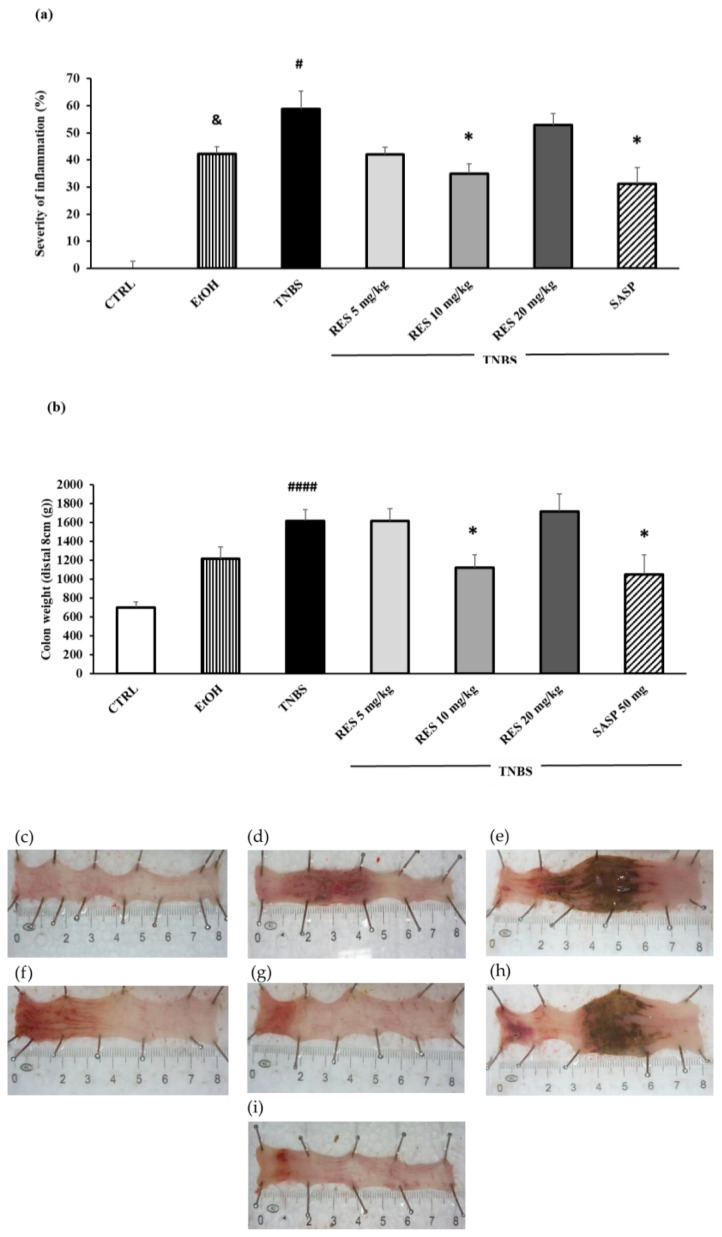
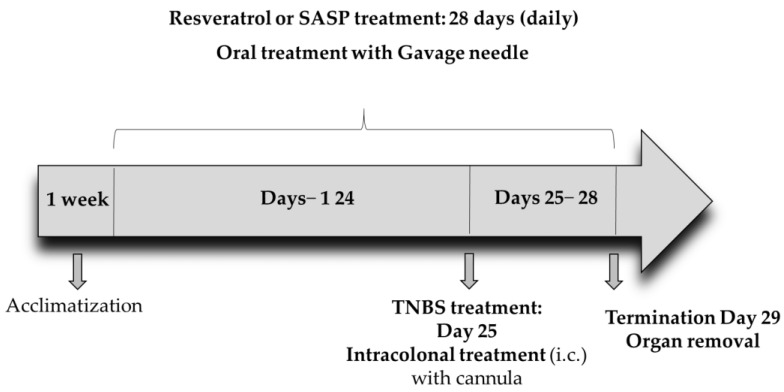
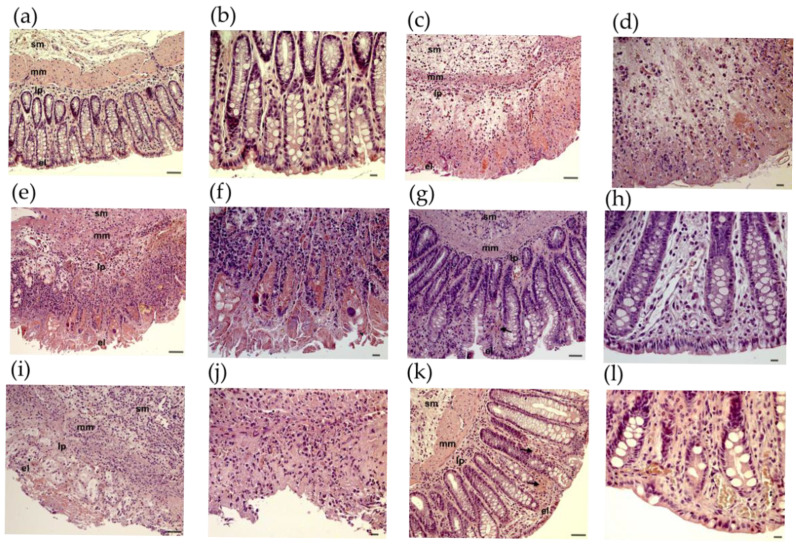
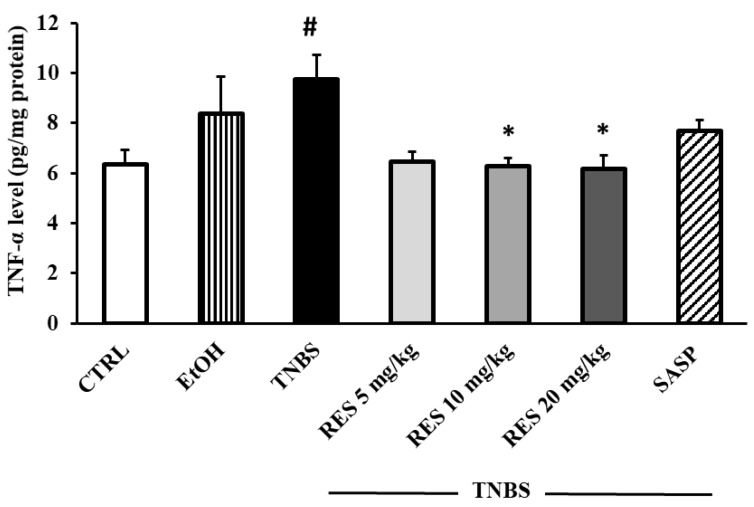
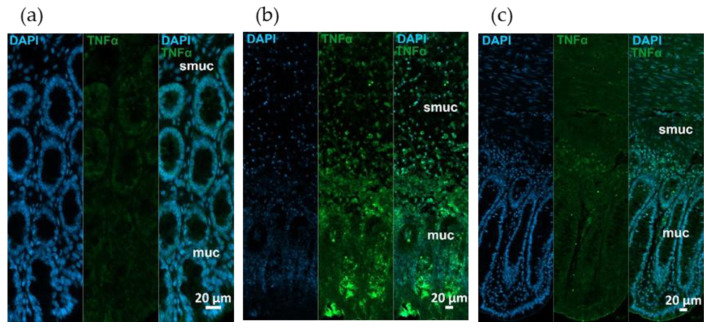
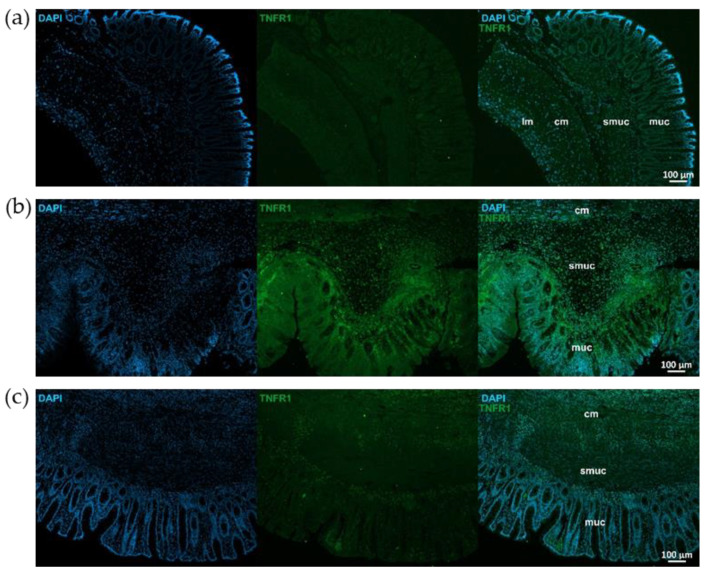
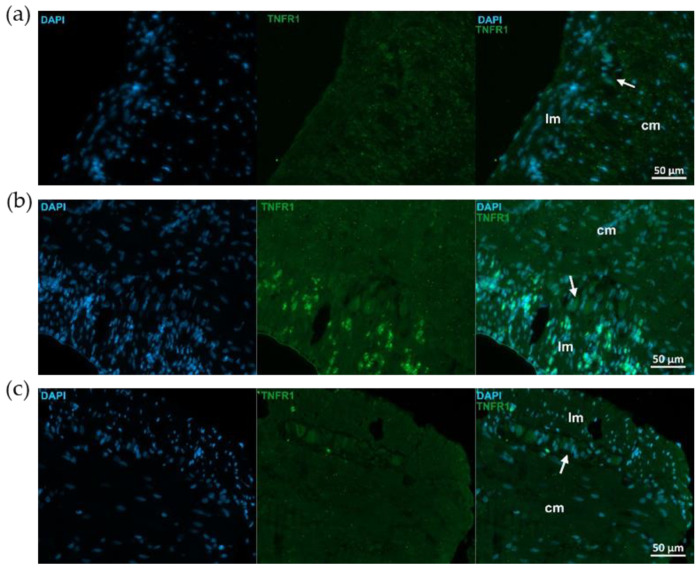
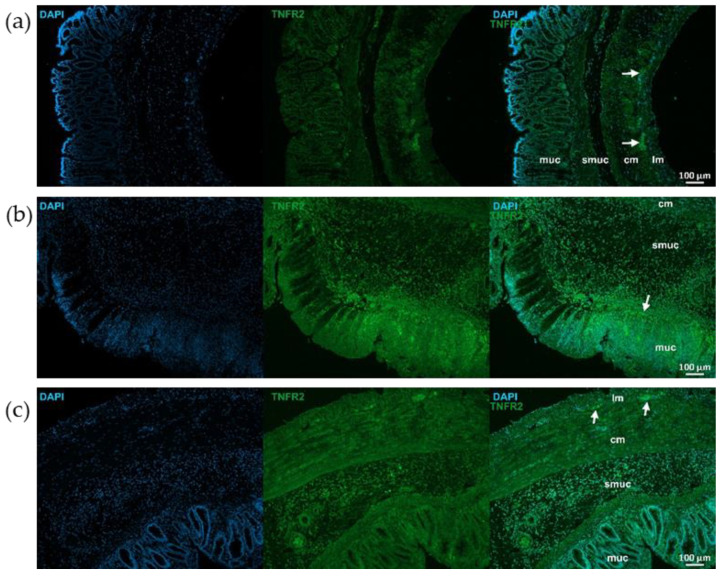
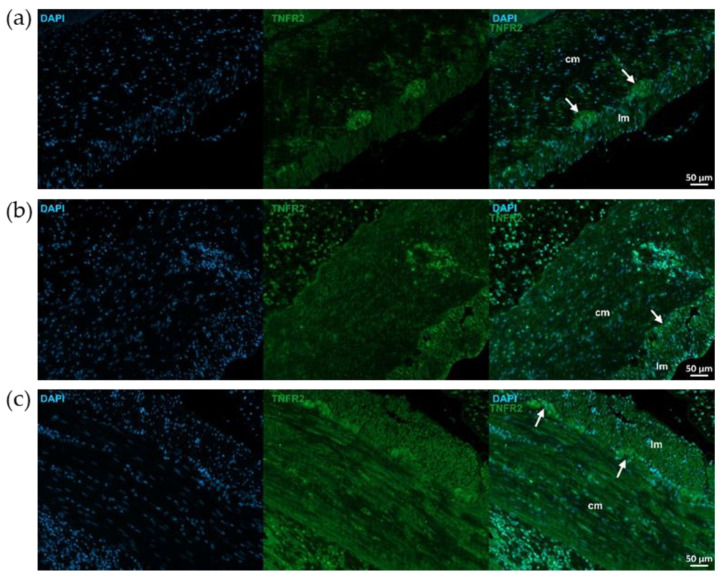
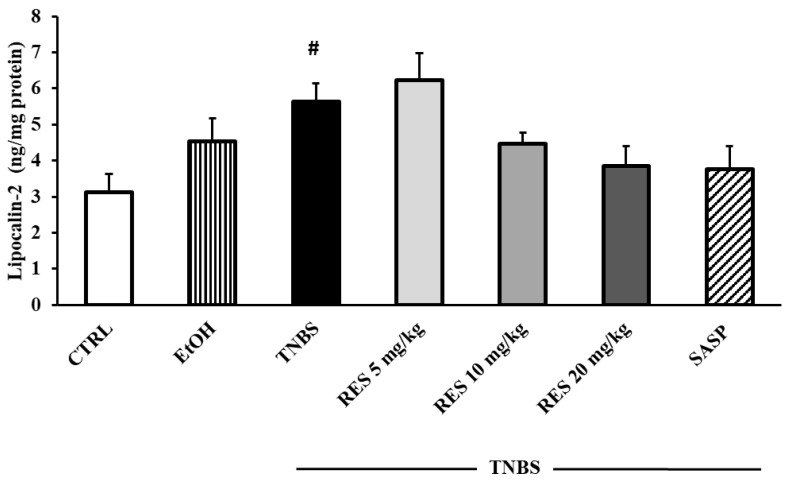
Several substances with antioxidant and anti-inflammatory properties are currently being investigated as potential adjunctive or standalone treatments for inflammatory bowel disease (IBD). One such substance is resveratrol (RES), also known as 3,5,4'-trihydroxy-trans-stilbene, a natural dietary polyphenol with diverse health-promoting effects. In this study, male Wistar-Hannover rats received oral RES supplementation at doses of 5, 10, or 20 mg/kg/day for 28 days. On day 25 colitis was induced using intracolonic administration of 2,4,6-trinitrobenzene sulphonic acid (TNBS). Based on histological and planimetric analysis, the 10 mg/kg dose significantly reduced colonic ulceration and pro-inflammatory cytokine tumor necrosis factor-alpha (TNF-α) expression compared to the TNBS group. Immunohistochemistry also revealed that RES at this dose attenuated the intensity of TNF-α receptors, namely TNFR1 and TNFR2. Furthermore, the concentration of lipocalin-2 (Lcn-2) was significantly elevated in TNBS-induced colitis. In conclusion, our findings suggest that RES may exert its protective effects partly through the modulation of TNF receptor signaling in TNBS-induced colitis.
目前,几种具有抗氧化和抗炎特性的物质正在作为炎症性肠病(IBD)的潜在辅助或独立治疗方法进行研究。白藜芦醇(RES)就是这样一种物质,它也被称为3,5,4'-三羟基反式芪,是一种具有多种促进健康作用的天然膳食多酚。在本研究中,雄性Wistar-Hannover大鼠以5、10或20 mg/kg/天的剂量口服补充RES,持续28天。在第25天,通过结肠内注射2,4,6-三硝基苯磺酸(TNBS)诱导结肠炎。基于组织学和平面测量分析,与TNBS组相比,10 mg/kg剂量显著减少了结肠溃疡和促炎细胞因子肿瘤坏死因子-α(TNF-α)的表达。免疫组织化学还显示,该剂量的RES减弱了TNF-α受体TNFR1和TNFR2的强度。此外,在TNBS诱导的结肠炎中,lipocalin-2(Lcn-2)的浓度显著升高。总之,我们的研究结果表明,RES可能部分通过调节TNBS诱导的结肠炎中的TNF受体信号发挥其保护作用。