Li Shilin, Chen Jianlei, Zhang Xuzhi, Zhang Jianshe, Xu Yongjiang, Xu Yong
National Engineering Research Center For Marine Aquaculture, Zhejiang Ocean University, Zhoushan, Zhejiang, China.
National Key Laboratory of Mariculture Biobreeding and Sustainable Goods, Yellow Sea Fisheries Research Institute, Chinese Academy of Fishery Sciences, Qingdao, China.
PLoS One. 2025 Jun 27;20(6):e0326701. doi: 10.1371/journal.pone.0326701. eCollection 2025.
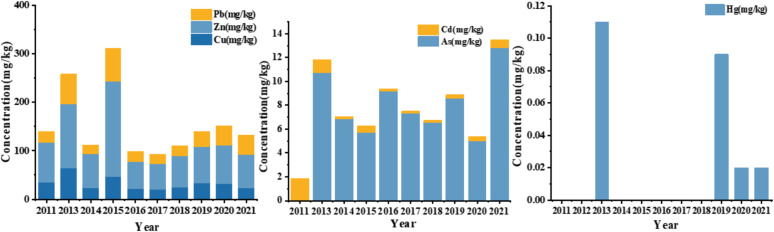
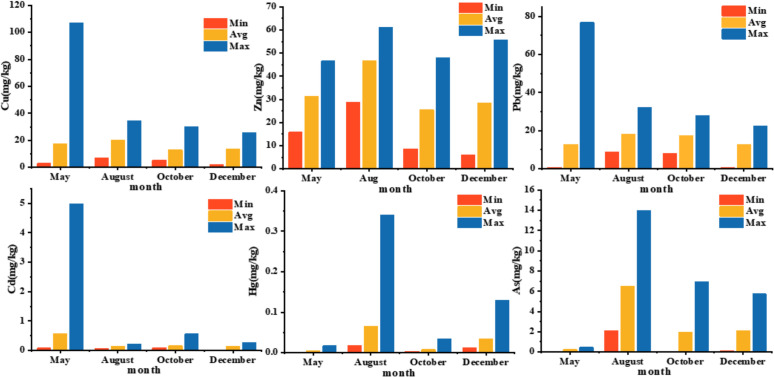
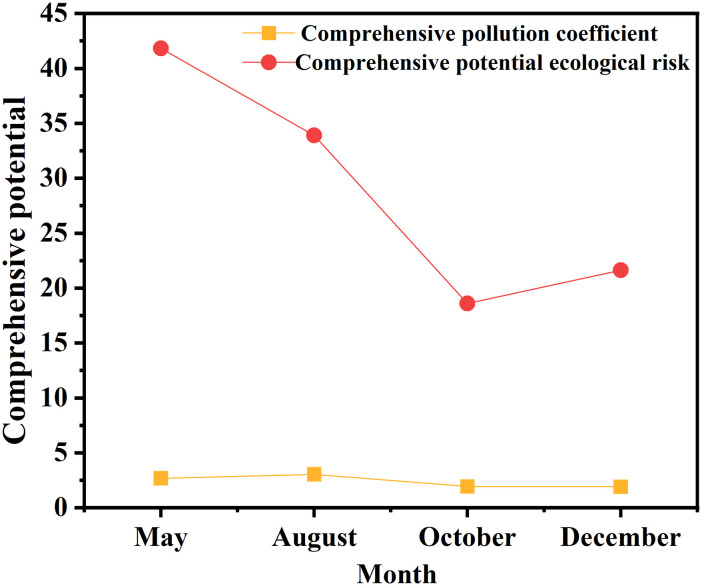
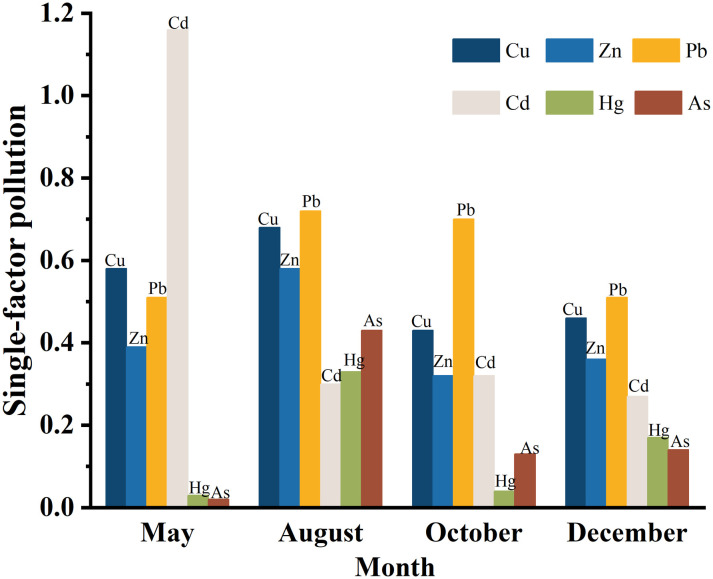
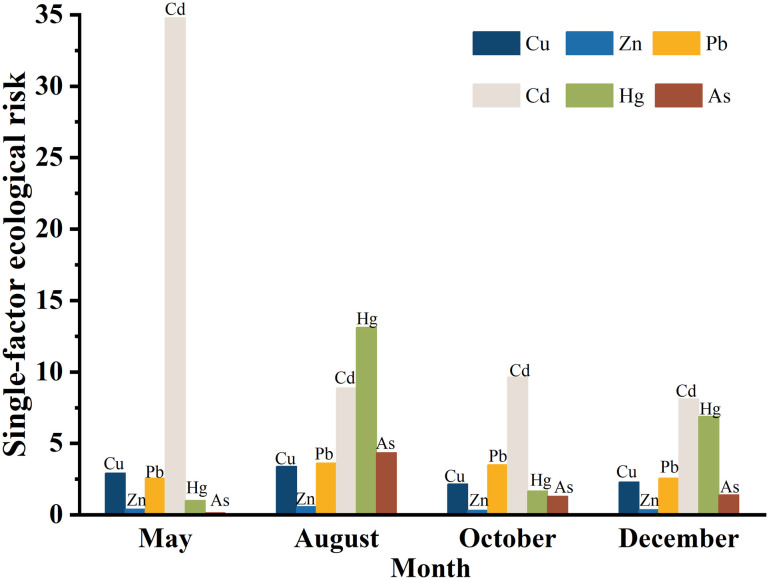
Heavy metal contamination in marine sediments poses significant ecological risks, particularly in semi-enclosed seas like the Bohai Sea, where limited water exchange exacerbates pollution retention. Heavy metals are persistent, bioaccumulative, and toxic, making their assessment crucial for environmental management. This study investigated the spatial distribution, seasonal dynamics, and potential ecological risks of heavy metal contamination in the central Bohai Sea, with an emphasis on regulatory interventions and anthropogenic influences. The annual average concentrations of Cu, Zn, Pb, Cd, Hg and As in surface sediments were 15.951, 32.556, 15.234, 0.250, 0.028 and 2.628 mg/kg, respectively, all below China's Class I Marine Sediment Quality Standards. Seasonal variations revealed peak concentrations in August for Zn, Pb, Hg and As, likely driven by increased terrestrial inputs and hydrodynamic conditions. Cd exhibited the highest ecological risk, with a single-factor risk index exceeding 30 in May, followed by Hg, Pb, Cu, As and Zn. The comprehensive pollution index remained below 5 across all seasons, indicating overall low pollution levels. However, localized exceedances of Class I standards for Cu, Pb and Cd were observed, particularly in summer and autumn. Spatially, metal concentrations were higher near industrial and riverine discharge zones, with anthropogenic sources such as petrochemical industries, aquaculture, and urban runoff contributing significantly. This study highlighted seasonal and spatial heterogeneity in heavy metal contamination in the central Bohai Sea, emphasizing the influence of industrial activities and hydrodynamic processes. While overall pollution levels were low, the high ecological risk associated with Cd underscores the need for continued monitoring and targeted pollution control measures. Strengthening enforcement of industrial regulations, improving sediment management, and addressing seasonal fluctuations in pollutant inputs were critical for mitigating future risks. These findings provided a scientific foundation for sustainable marine environmental management and policy formulation in the Bohai Sea.
海洋沉积物中的重金属污染带来了重大的生态风险,尤其是在渤海这样的半封闭海域,那里有限的水交换加剧了污染物的留存。重金属具有持久性、生物累积性和毒性,因此对其进行评估对于环境管理至关重要。本研究调查了渤海中部重金属污染的空间分布、季节动态以及潜在生态风险,重点关注监管干预措施和人为影响。表层沉积物中铜、锌、铅、镉、汞和砷的年平均浓度分别为15.951、32.556、15.234、0.250、0.028和2.628毫克/千克,均低于中国一类海洋沉积物质量标准。季节变化显示,锌、铅、汞和砷在8月浓度达到峰值,这可能是由陆地输入增加和水动力条件所致。镉呈现出最高的生态风险,5月的单因子风险指数超过30,其次是汞、铅、铜、砷和锌。所有季节的综合污染指数均低于5,表明总体污染水平较低。然而,观察到铜、铅和镉局部超出一类标准,特别是在夏季和秋季。在空间上,靠近工业和河流排放区的金属浓度较高,石油化工行业、水产养殖和城市径流等人为源贡献显著。本研究突出了渤海中部重金属污染的季节和空间异质性,强调了工业活动和水动力过程的影响。虽然总体污染水平较低,但镉相关的高生态风险凸显了持续监测和针对性污染控制措施的必要性。加强工业法规执行、改善沉积物管理以及应对污染物输入的季节性波动对于降低未来风险至关重要。这些研究结果为渤海可持续海洋环境管理和政策制定提供了科学依据。