Davis Kaitlyn E, Kana Rajesh K, Szaflarski Jerzy P
Department of Neurology, UAB Epilepsy Center, University of Alabama at Birmingham Heersink School of Medicine, 1720 7Th Ave South, Birmingham, AL, 35294, USA.
Department of Psychology, University of Alabama at Birmingham, 1720 7Th Ave South, SC 613, Birmingham, AL, 35294, USA.
Curr Neurol Neurosci Rep. 2025 Jun 28;25(1):44. doi: 10.1007/s11910-025-01431-9.
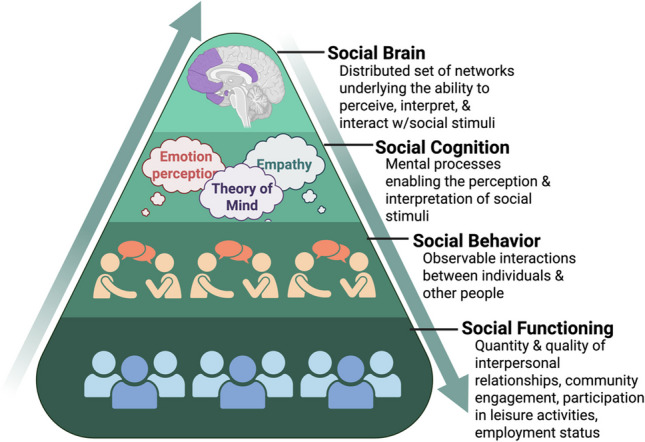
Social cognition, especially theory of mind (ToM), is often impaired in clinical populations including epilepsy, with serious consequences for quality of life. This review synthesizes evidence from clinical assessments, neuroimaging, and intracranial recording techniques to examine how social cognitive processes are represented in the human brain and how they may be disrupted in epilepsy. Emphasis is placed on the emerging contributions of intracranial electroencephalography (iEEG) and intracranial electrical stimulation (iES) to this field.
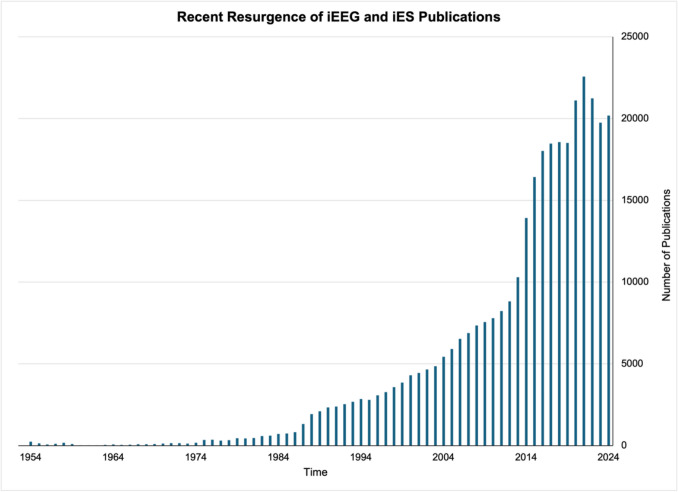
While the literature using iEEG/iES to investigate social cognition remains limited, recent studies have begun to map the spatiotemporal and causal underpinnings of ToM and related functions. This work complements behavioral and fMRI findings and suggests avenues for translational research. Intracranial techniques represent a promising tool for advancing social cognitive neuroscience. Integrating this approach with clinical data and established behavioral paradigms can enhance our understanding of social cognition and improve care for populations with focal epilepsy.
社会认知,尤其是心理理论(ToM),在包括癫痫在内的临床人群中常常受损,对生活质量产生严重影响。本综述综合了临床评估、神经影像学和颅内记录技术的证据,以研究社会认知过程在人脑中的表现方式以及它们在癫痫中可能如何被破坏。重点在于颅内脑电图(iEEG)和颅内电刺激(iES)对该领域的新贡献。
虽然使用iEEG/iES研究社会认知的文献仍然有限,但最近的研究已经开始绘制ToM及相关功能的时空和因果基础。这项工作补充了行为和功能磁共振成像的研究结果,并为转化研究提供了途径。颅内技术是推进社会认知神经科学的一个有前景的工具。将这种方法与临床数据和既定的行为范式相结合,可以增强我们对社会认知的理解,并改善对局灶性癫痫患者的护理。