Feng Zhiya, Li Zhigang, Peng Wanwan, Zhang Jianping, Li Chunyang, Shi Ruijun, Li Shuwei
State Key Laboratory Incubation Base for Conservation and Utilization of Bio-Resource in Tarim Basin, College of Life Science and Technology, Tarim University, Alar, 843300, China.
Collage of Natural Resources and Environment, Northwest A&F University, Yangling, 712100, China.
Sci Rep. 2025 Jul 2;15(1):23624. doi: 10.1038/s41598-025-08837-y.
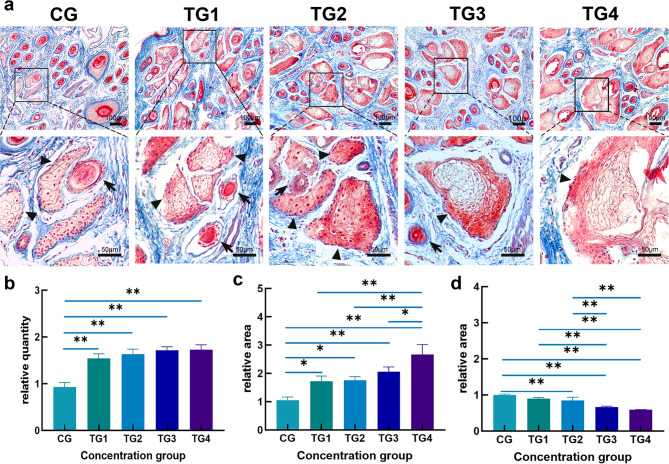
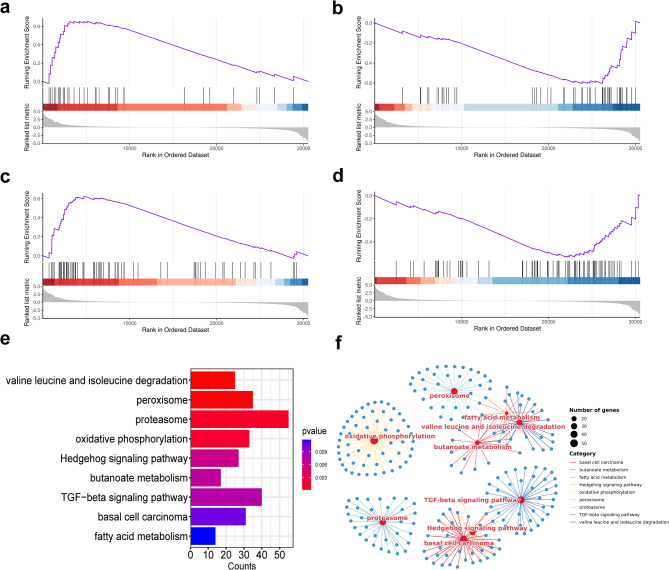
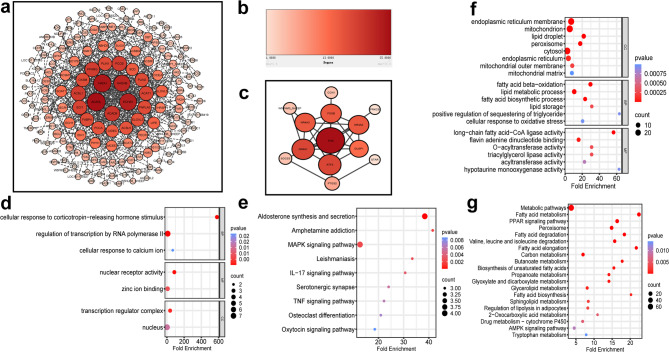
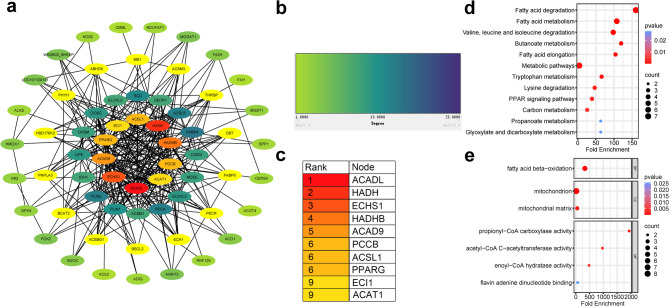
Sebaceous glands (SGs), essential elements of the skin barrier in sheep, are tightly regulated by the androgen signaling pathway. This study investigated how androgens influence SGs hyperplasia in sheep by combining morphological assessments with transcriptomic analysis. Histological examination revealed a significant increase (P < 0.05) in both the number and average size of SGs in the testosterone-treated groups across four concentration gradients compared to the control group. Transcriptome sequencing was performed on fifteen skin samples, revealing that, compared to the control group, 371 genes were upregulated and 115 were downregulated across the four treatment groups. The upregulated genes were predominantly enriched in lipid metabolism pathways, while the downregulated genes were mainly associated with keratin filament structures. Protein-protein interaction (PPI) network analysis identified ten hub genes involved in mitochondrial β-oxidation and lipid synthesis. These findings were further supported by gene set enrichment analysis (GSEA), which indicated significant activation of fatty acid metabolic pathways (P < 0.05). The results of this study suggest that androgens may be involved in SGs hyperplasia in sheep by regulating mitochondrial lipid metabolism-related pathways.
皮脂腺(SGs)是绵羊皮肤屏障的重要组成部分,受雄激素信号通路的严格调控。本研究通过形态学评估与转录组分析相结合的方法,探究雄激素如何影响绵羊皮脂腺增生。组织学检查显示,与对照组相比,在四个浓度梯度的睾酮处理组中,皮脂腺的数量和平均大小均显著增加(P < 0.05)。对15个皮肤样本进行转录组测序,结果表明,与对照组相比,四个处理组中有371个基因上调,115个基因下调。上调的基因主要富集于脂质代谢途径,而下调的基因主要与角蛋白丝结构相关。蛋白质-蛋白质相互作用(PPI)网络分析确定了10个参与线粒体β-氧化和脂质合成的枢纽基因。基因集富集分析(GSEA)进一步支持了这些发现,表明脂肪酸代谢途径显著激活(P < 0.05)。本研究结果表明,雄激素可能通过调节线粒体脂质代谢相关途径参与绵羊皮脂腺增生。