• 文献检索
  • 文档翻译
  • 深度研究
  • 学术资讯
  • Suppr Zotero 插件Zotero 插件
  • 邀请有礼
  • 套餐&价格
  • 历史记录
应用&插件
Suppr Zotero 插件Zotero 插件浏览器插件Mac 客户端Windows 客户端微信小程序
定价
高级版会员购买积分包购买API积分包
服务
文献检索文档翻译深度研究API 文档MCP 服务
关于我们
关于 Suppr公司介绍联系我们用户协议隐私条款
关注我们

Suppr 超能文献

核心技术专利:CN118964589B侵权必究
粤ICP备2023148730 号-1Suppr @ 2026

文献检索

告别复杂PubMed语法,用中文像聊天一样搜索,搜遍4000万医学文献。AI智能推荐,让科研检索更轻松。

立即免费搜索

文件翻译

保留排版,准确专业,支持PDF/Word/PPT等文件格式,支持 12+语言互译。

免费翻译文档

深度研究

AI帮你快速写综述,25分钟生成高质量综述,智能提取关键信息,辅助科研写作。

立即免费体验

磷脂酶A2γ4a(PLA2G4A)对各种癌症预后影响的多组学分析及其在乳腺癌细胞系中的实验验证

Multi-omics analysis of the effects of pla2g4a on the prognosis of various cancers and its experimental validation in breast cancer cell lines.

作者信息

Qian Yao, Yuan Quan, Yu Hao, Ye Rongjie, Niu Ming, Liu Feng

机构信息

Department of Breast Surgery, Harbin Medical University Cancer Hospital, Harbin, 150000, Heilongjiang, China.

Department of Hepato-Biliary-Pancreatic and Vascular Surgery, School of Medicine, The First Affiliated Hospital of Xiamen University, Xiamen University, Xiamen, 361000, Fujian, China.

出版信息

Discov Oncol. 2025 Jul 7;16(1):1278. doi: 10.1007/s12672-025-03118-6.

DOI:10.1007/s12672-025-03118-6
PMID:40624348
原文链接:https://pmc.ncbi.nlm.nih.gov/articles/PMC12234970/
Abstract

BACKGROUND

Platelet-related exosomes (PREs) are microparticles secreted by platelets into the bloodstream and are implicated in various cancer processes. This study aims to identify critical genes involved in Breast Cancer (BC)-associated PREs and to evaluate their role in cancer prognosis. PLA2G4A was identified as a key gene through the use of machine learning techniques and various genomic analyses, providing a foundation for precision medicine in BC treatment.

METHODS

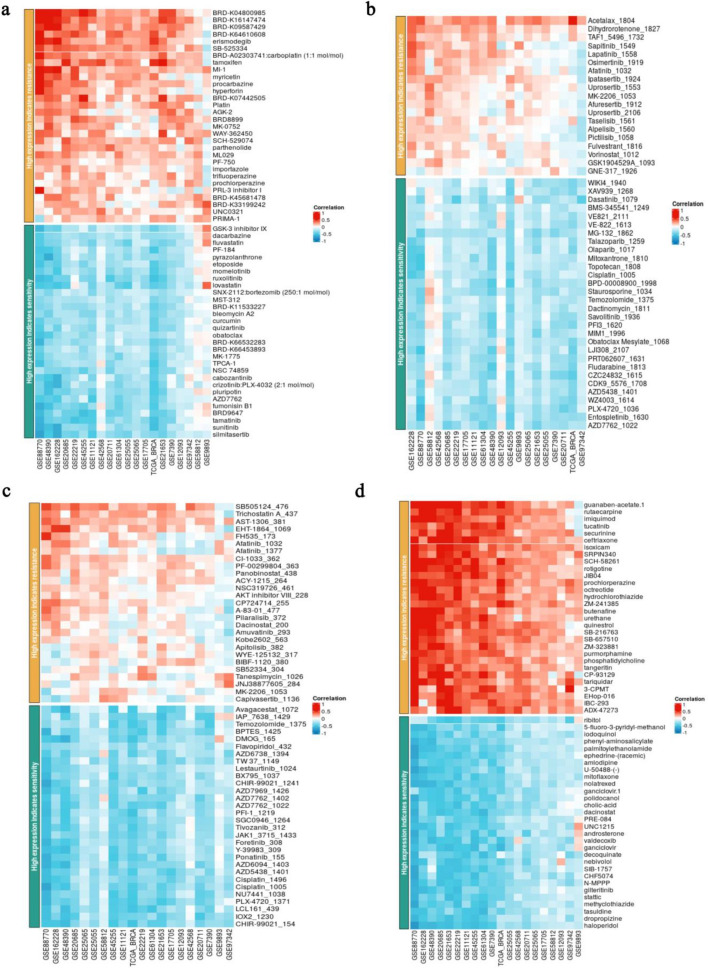
Download cancer-related data from databases such as UCSC Xena and ExMdb, use LASSO Cox regression and various machine learning algorithms to screen genes associated with BC survival, and perform functional and pathway enrichment analysis. The expression, immune relevance, diagnostic efficacy, and drug sensitivity of the PLA2G4A gene in pan-cancer and BC were specifically analyzed. The function of PLA2G4A in BC was validated through experiments, and its drug response and molecular docking were predicted using various databases and software tools.

RESULTS

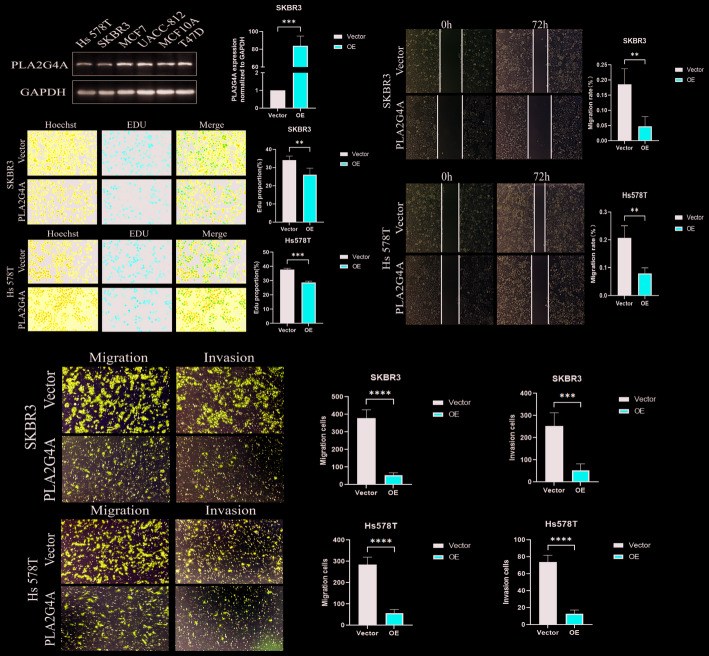
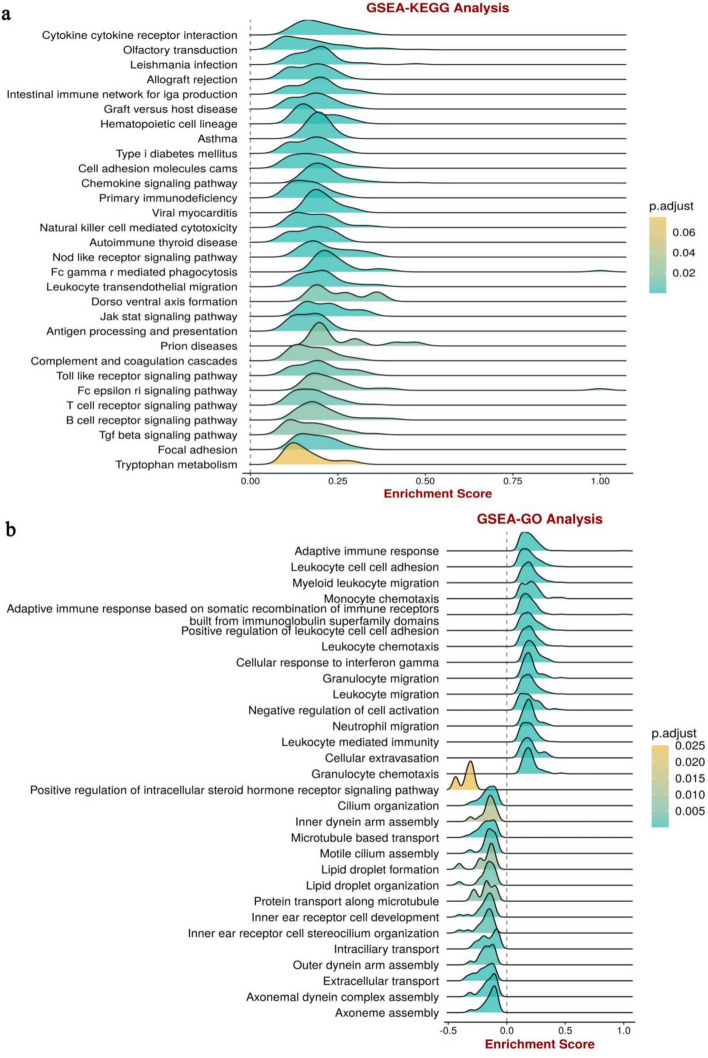
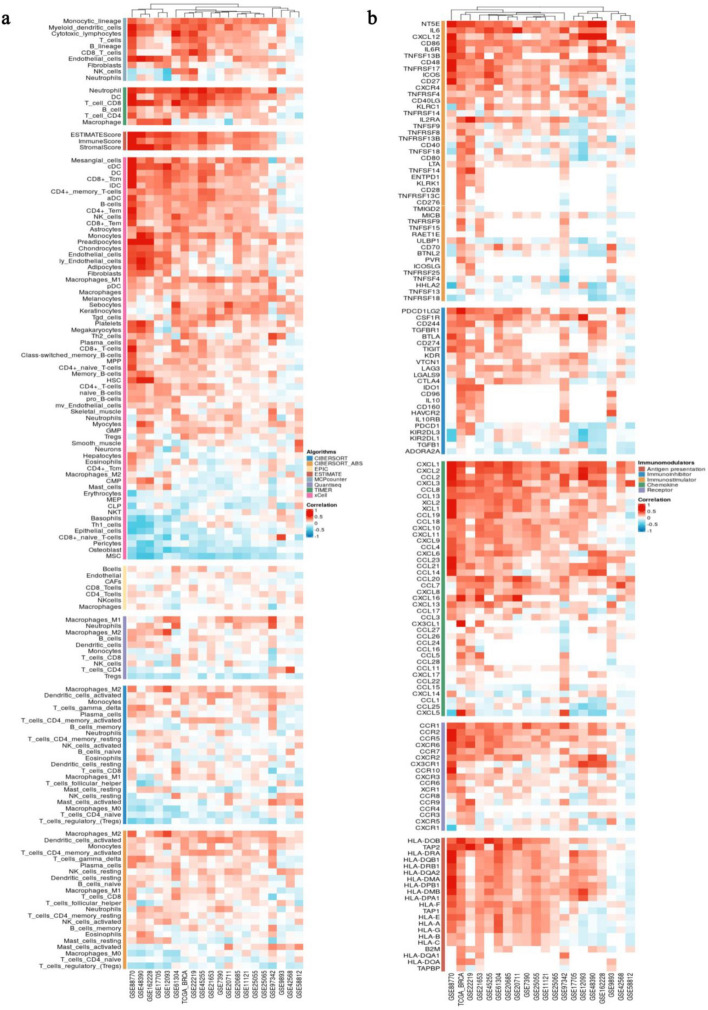
Machine learning methods and LASSO Cox regression were applied to analyze the relationship between gene expression and BC survival. PLA2G4A was identified as a key gene associated with cancer prognosis, supported by analyses of differential gene expression, survival outcomes, single nucleotide variations (SNVs), and copy number variations (CNVs). Biological pathway analyses through KEGG, GO, and GSEA highlighted PLA2G4A's involvement in key cancer-related processes. In vitro studies, including cell scratch assays, Transwell migration assays, and EdU proliferation tests, demonstrated that overexpression of PLA2G4A inhibited the proliferation and migration of BC cells.

CONCLUSIONS

PLA2G4A plays a crucial role in the progression of BC, acting as a potential tumor-suppressor gene. The findings support its potential as a prognostic biomarker and further investigation is needed to explore its therapeutic potential in clinical settings.

摘要

背景

血小板相关外泌体(PREs)是血小板分泌到血液中的微粒,与多种癌症进程有关。本研究旨在鉴定参与乳腺癌(BC)相关PREs的关键基因,并评估它们在癌症预后中的作用。通过使用机器学习技术和各种基因组分析,PLA2G4A被鉴定为关键基因,为BC治疗中的精准医学提供了基础。

方法

从UCSC Xena和ExMdb等数据库下载癌症相关数据,使用LASSO Cox回归和各种机器学习算法筛选与BC生存相关的基因,并进行功能和通路富集分析。具体分析了PLA2G4A基因在泛癌和BC中的表达、免疫相关性、诊断效能和药物敏感性。通过实验验证了PLA2G4A在BC中的功能,并使用各种数据库和软件工具预测了其药物反应和分子对接。

结果

应用机器学习方法和LASSO Cox回归分析基因表达与BC生存之间的关系。通过差异基因表达、生存结果、单核苷酸变异(SNV)和拷贝数变异(CNV)分析,PLA2G4A被鉴定为与癌症预后相关的关键基因。通过KEGG、GO和GSEA进行的生物通路分析突出了PLA2G4A参与关键的癌症相关进程。包括细胞划痕试验、Transwell迁移试验和EdU增殖试验在内的体外研究表明,PLA2G4A的过表达抑制了BC细胞的增殖和迁移。

结论

PLA2G4A在BC进展中起关键作用,作为潜在的肿瘤抑制基因。这些发现支持了其作为预后生物标志物的潜力,需要进一步研究以探索其在临床环境中的治疗潜力。

https://cdn.ncbi.nlm.nih.gov/pmc/blobs/4015/12234970/ff14b38926ac/12672_2025_3118_Fig15_HTML.jpg
https://cdn.ncbi.nlm.nih.gov/pmc/blobs/4015/12234970/f502f6a55209/12672_2025_3118_Fig1_HTML.jpg
https://cdn.ncbi.nlm.nih.gov/pmc/blobs/4015/12234970/68c98fca3e03/12672_2025_3118_Fig2_HTML.jpg
https://cdn.ncbi.nlm.nih.gov/pmc/blobs/4015/12234970/2b483e15af05/12672_2025_3118_Fig3_HTML.jpg
https://cdn.ncbi.nlm.nih.gov/pmc/blobs/4015/12234970/b2560a7f3579/12672_2025_3118_Fig4_HTML.jpg
https://cdn.ncbi.nlm.nih.gov/pmc/blobs/4015/12234970/9c740d3550f4/12672_2025_3118_Fig5_HTML.jpg
https://cdn.ncbi.nlm.nih.gov/pmc/blobs/4015/12234970/2fea475aa7ee/12672_2025_3118_Fig6_HTML.jpg
https://cdn.ncbi.nlm.nih.gov/pmc/blobs/4015/12234970/f2ea12b95284/12672_2025_3118_Fig7_HTML.jpg
https://cdn.ncbi.nlm.nih.gov/pmc/blobs/4015/12234970/b526f08c184f/12672_2025_3118_Fig8_HTML.jpg
https://cdn.ncbi.nlm.nih.gov/pmc/blobs/4015/12234970/17d8a15eeb79/12672_2025_3118_Fig9_HTML.jpg
https://cdn.ncbi.nlm.nih.gov/pmc/blobs/4015/12234970/ac511cde40be/12672_2025_3118_Fig10_HTML.jpg
https://cdn.ncbi.nlm.nih.gov/pmc/blobs/4015/12234970/8b10b97059ec/12672_2025_3118_Fig11_HTML.jpg
https://cdn.ncbi.nlm.nih.gov/pmc/blobs/4015/12234970/516fe1937398/12672_2025_3118_Fig12_HTML.jpg
https://cdn.ncbi.nlm.nih.gov/pmc/blobs/4015/12234970/e79fd0a7c440/12672_2025_3118_Fig13_HTML.jpg
https://cdn.ncbi.nlm.nih.gov/pmc/blobs/4015/12234970/d954c4994197/12672_2025_3118_Fig14_HTML.jpg
https://cdn.ncbi.nlm.nih.gov/pmc/blobs/4015/12234970/ff14b38926ac/12672_2025_3118_Fig15_HTML.jpg
https://cdn.ncbi.nlm.nih.gov/pmc/blobs/4015/12234970/f502f6a55209/12672_2025_3118_Fig1_HTML.jpg
https://cdn.ncbi.nlm.nih.gov/pmc/blobs/4015/12234970/68c98fca3e03/12672_2025_3118_Fig2_HTML.jpg
https://cdn.ncbi.nlm.nih.gov/pmc/blobs/4015/12234970/2b483e15af05/12672_2025_3118_Fig3_HTML.jpg
https://cdn.ncbi.nlm.nih.gov/pmc/blobs/4015/12234970/b2560a7f3579/12672_2025_3118_Fig4_HTML.jpg
https://cdn.ncbi.nlm.nih.gov/pmc/blobs/4015/12234970/9c740d3550f4/12672_2025_3118_Fig5_HTML.jpg
https://cdn.ncbi.nlm.nih.gov/pmc/blobs/4015/12234970/2fea475aa7ee/12672_2025_3118_Fig6_HTML.jpg
https://cdn.ncbi.nlm.nih.gov/pmc/blobs/4015/12234970/f2ea12b95284/12672_2025_3118_Fig7_HTML.jpg
https://cdn.ncbi.nlm.nih.gov/pmc/blobs/4015/12234970/b526f08c184f/12672_2025_3118_Fig8_HTML.jpg
https://cdn.ncbi.nlm.nih.gov/pmc/blobs/4015/12234970/17d8a15eeb79/12672_2025_3118_Fig9_HTML.jpg
https://cdn.ncbi.nlm.nih.gov/pmc/blobs/4015/12234970/ac511cde40be/12672_2025_3118_Fig10_HTML.jpg
https://cdn.ncbi.nlm.nih.gov/pmc/blobs/4015/12234970/8b10b97059ec/12672_2025_3118_Fig11_HTML.jpg
https://cdn.ncbi.nlm.nih.gov/pmc/blobs/4015/12234970/516fe1937398/12672_2025_3118_Fig12_HTML.jpg
https://cdn.ncbi.nlm.nih.gov/pmc/blobs/4015/12234970/e79fd0a7c440/12672_2025_3118_Fig13_HTML.jpg
https://cdn.ncbi.nlm.nih.gov/pmc/blobs/4015/12234970/d954c4994197/12672_2025_3118_Fig14_HTML.jpg
https://cdn.ncbi.nlm.nih.gov/pmc/blobs/4015/12234970/ff14b38926ac/12672_2025_3118_Fig15_HTML.jpg

相似文献

1
Multi-omics analysis of the effects of pla2g4a on the prognosis of various cancers and its experimental validation in breast cancer cell lines.磷脂酶A2γ4a(PLA2G4A)对各种癌症预后影响的多组学分析及其在乳腺癌细胞系中的实验验证
Discov Oncol. 2025 Jul 7;16(1):1278. doi: 10.1007/s12672-025-03118-6.
2
Comprehensive pan-cancer analysis reveals NTN1 as an immune infiltrate risk factor and its potential prognostic value in SKCM.全面的泛癌分析揭示NTN1作为一种免疫浸润风险因素及其在皮肤黑色素瘤中的潜在预后价值。
Sci Rep. 2025 Jan 25;15(1):3223. doi: 10.1038/s41598-025-85444-x.
3
Understanding mechanisms of -derived exosome-like nanoparticles against breast cancer through an integrated metabolomics and network pharmacology analysis.通过综合代谢组学和网络药理学分析了解源自 - 的外泌体样纳米颗粒抗乳腺癌的机制。
Front Chem. 2025 Jun 6;13:1559758. doi: 10.3389/fchem.2025.1559758. eCollection 2025.
4
Cost-effectiveness of using prognostic information to select women with breast cancer for adjuvant systemic therapy.利用预后信息为乳腺癌患者选择辅助性全身治疗的成本效益
Health Technol Assess. 2006 Sep;10(34):iii-iv, ix-xi, 1-204. doi: 10.3310/hta10340.
5
Upregulated SAE1 Drives Tumorigenesis and Is Associated with Poor Clinical Outcomes in Breast Cancer.SAE1上调驱动肿瘤发生并与乳腺癌不良临床预后相关。
Breast J. 2024 Jun 30;2024:2981722. doi: 10.1155/2024/2981722. eCollection 2024.
6
The Potential of ESCO2 as a Prognostic and Immunotherapeutic Marker of Pan-Cancer and Its Role in Anti-PD-1 Treatment of Bladder Cancer.ESCO2作为泛癌预后和免疫治疗标志物的潜力及其在膀胱癌抗PD-1治疗中的作用
Oncology. 2025;103(7):610-627. doi: 10.1159/000542188. Epub 2024 Nov 11.
7
Are Current Survival Prediction Tools Useful When Treating Subsequent Skeletal-related Events From Bone Metastases?当前的生存预测工具在治疗骨转移后的骨骼相关事件时有用吗?
Clin Orthop Relat Res. 2024 Sep 1;482(9):1710-1721. doi: 10.1097/CORR.0000000000003030. Epub 2024 Mar 22.
8
Bioinformatics identification and validation of m6A/m1A/m5C/m7G/ac4 C-modified genes in oral squamous cell carcinoma.口腔鳞状细胞癌中m6A/m1A/m5C/m7G/ac4C修饰基因的生物信息学鉴定与验证
BMC Cancer. 2025 Jul 1;25(1):1055. doi: 10.1186/s12885-025-14216-7.
9
Correlation of senescence-related gene FEN1 on neuroblastoma progression and cisplatin chemotherapy sensitivity.衰老相关基因FEN1与神经母细胞瘤进展及顺铂化疗敏感性的相关性
Oncol Res. 2025 Jun 26;33(7):1695-1708. doi: 10.32604/or.2025.060021. eCollection 2025.
10
Molecular feature-based classification of retroperitoneal liposarcoma: a prospective cohort study.基于分子特征的腹膜后脂肪肉瘤分类:一项前瞻性队列研究。
Elife. 2025 May 23;14:RP100887. doi: 10.7554/eLife.100887.

本文引用的文献

1
The association of cigarette smoking with the development and progression of diabetic retinopathy: based on cross-sectional survey and mendelian randomization.吸烟与糖尿病视网膜病变发生及进展的关联:基于横断面调查和孟德尔随机化研究
J Transl Med. 2024 Dec 31;22(1):1169. doi: 10.1186/s12967-024-06002-z.
2
PLA2G4A and ACHE modulate lipid profiles via glycerophospholipid metabolism in platinum-resistant gastric cancer.PLA2G4A 和 ACHE 通过甘油磷脂代谢调节铂耐药胃癌中的脂质谱。
J Transl Med. 2024 Mar 7;22(1):249. doi: 10.1186/s12967-024-05055-4.
3
A comprehensive database of exosome molecular biomarkers and disease-gene associations.
外泌体分子生物标志物和疾病基因关联的综合数据库。
Sci Data. 2024 Feb 15;11(1):210. doi: 10.1038/s41597-024-03015-7.
4
Polycondensed Peptide-Based Polymers for Targeted Delivery of Anti-Angiogenic siRNA to Treat Endometriosis.聚缩肽基聚合物用于靶向递送至子宫内膜异位症的抗血管生成 siRNA 的治疗。
Int J Mol Sci. 2023 Dec 19;25(1):13. doi: 10.3390/ijms25010013.
5
The dynamic role of platelets in cancer progression and their therapeutic implications.血小板在癌症进展中的动态作用及其治疗意义。
Nat Rev Cancer. 2024 Jan;24(1):72-87. doi: 10.1038/s41568-023-00639-6. Epub 2023 Dec 1.
6
Estrogen-Receptor-Low-Positive Breast Cancer: Pathological and Clinical Perspectives.雌激素受体低表达型乳腺癌:病理与临床视角。
Curr Oncol. 2023 Nov 4;30(11):9734-9745. doi: 10.3390/curroncol30110706.
7
PD-L1-mediated immune evasion in triple-negative breast cancer is linked to the loss of ZNF652.PD-L1 介导的三阴性乳腺癌免疫逃逸与 ZNF652 的缺失有关。
Cell Rep. 2023 Nov 28;42(11):113343. doi: 10.1016/j.celrep.2023.113343. Epub 2023 Oct 31.
8
Loss of SYNCRIP unleashes APOBEC-driven mutagenesis, tumor heterogeneity, and AR-targeted therapy resistance in prostate cancer.SYNCRIP 缺失会引发前列腺癌中的 APOBEC 驱动的突变、肿瘤异质性和 AR 靶向治疗耐药性。
Cancer Cell. 2023 Aug 14;41(8):1427-1449.e12. doi: 10.1016/j.ccell.2023.06.010. Epub 2023 Jul 20.
9
Comprehensive analyses of genome-wide methylation and RNA epigenetics identify prognostic biomarkers, regulating the tumor immune microenvironment in lung adenocarcinoma.全基因组甲基化和RNA表观遗传学的综合分析确定了预后生物标志物,其调节肺腺癌中的肿瘤免疫微环境。
Pathol Res Pract. 2023 Aug;248:154621. doi: 10.1016/j.prp.2023.154621. Epub 2023 Jun 13.
10
The Machinery of Exosomes: Biogenesis, Release, and Uptake.外泌体的机器:生物发生、释放和摄取。
Int J Mol Sci. 2023 Jan 10;24(2):1337. doi: 10.3390/ijms24021337.