Zhang Mingming, Lin Xin, He Jianli, Zuo Yong, Fan Qiuju, Agida Innocent, Tan Hongsheng, Zhu Caiying, Cheng Jinke, Wang Tianshi
Shanghai Key Laboratory for Tumor Microenvironment and Inflammation, Department of Biochemistry and Molecular Cell Biology, Shanghai Jiao Tong University School of Medicine, Shanghai, 200025, China.
Clinical Research Center, Shanghai Jiao Tong University School of Medicine, Shanghai, 200025, China.
Redox Biol. 2025 Jul 4;85:103752. doi: 10.1016/j.redox.2025.103752.
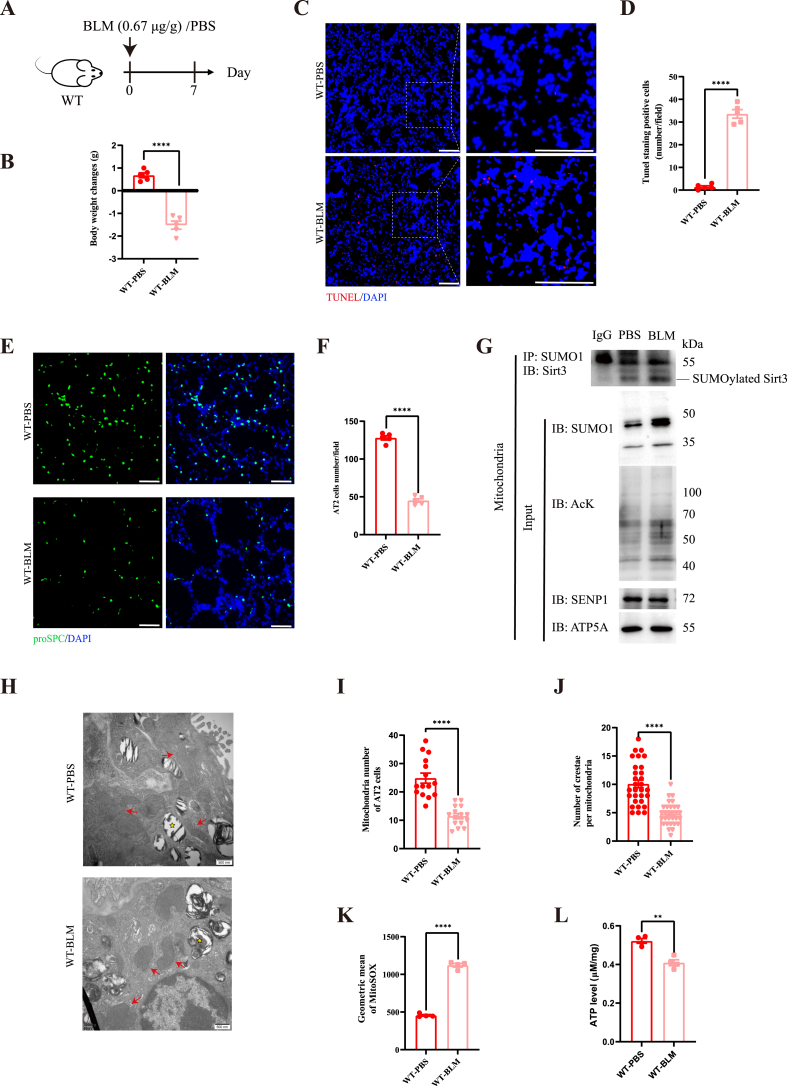
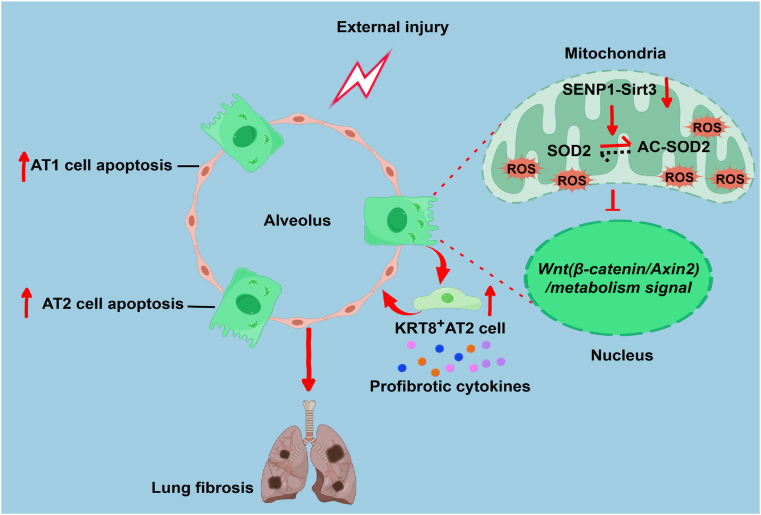
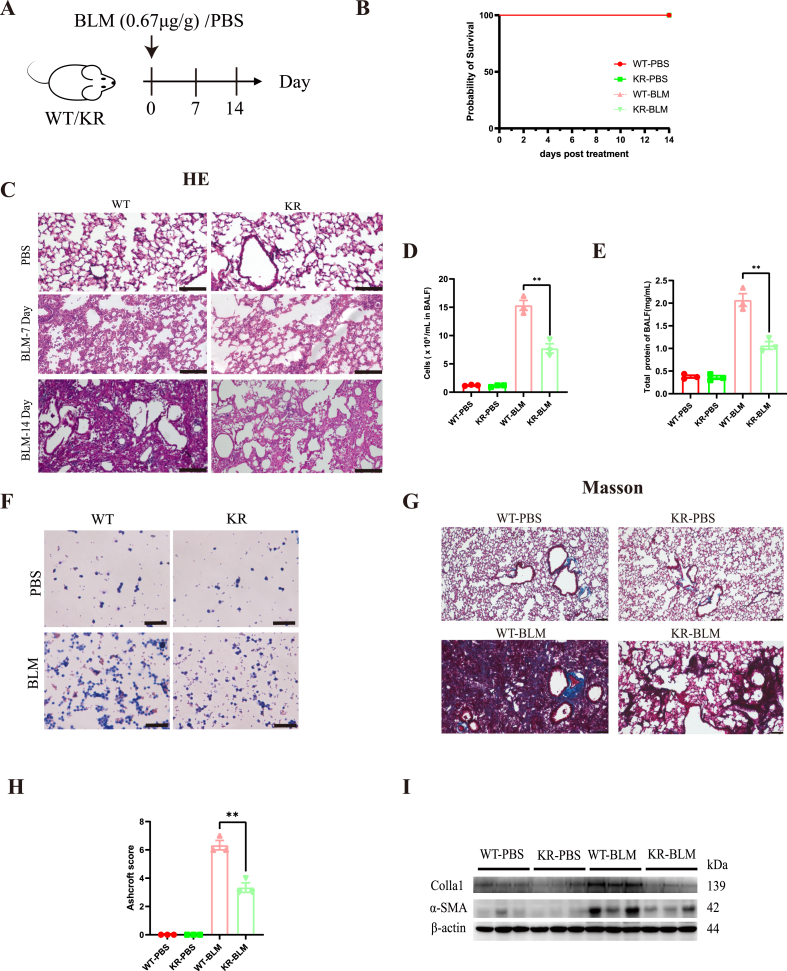
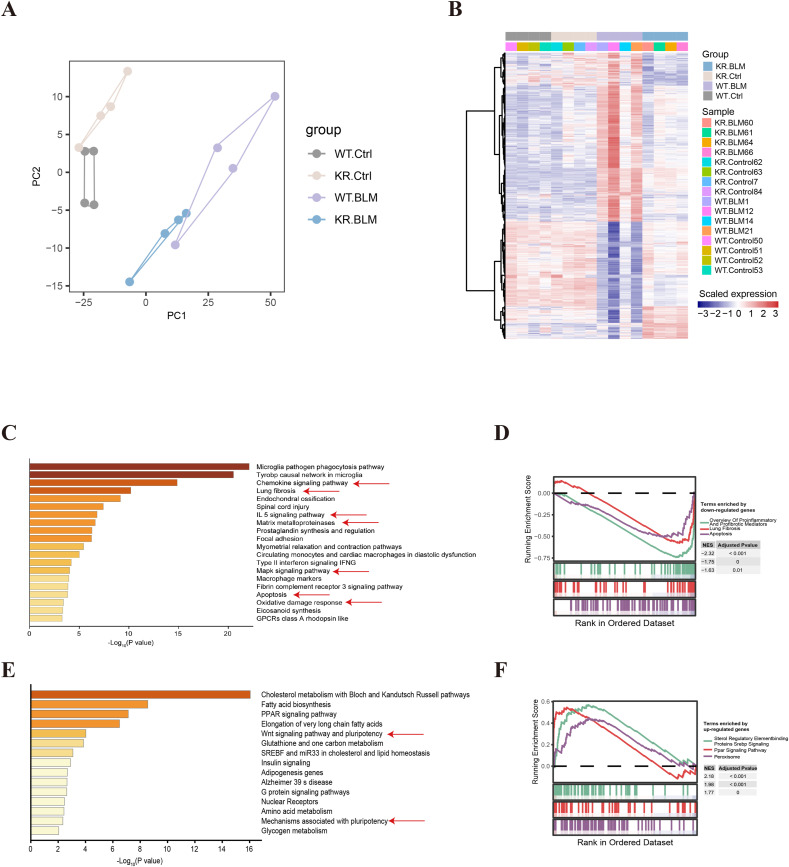
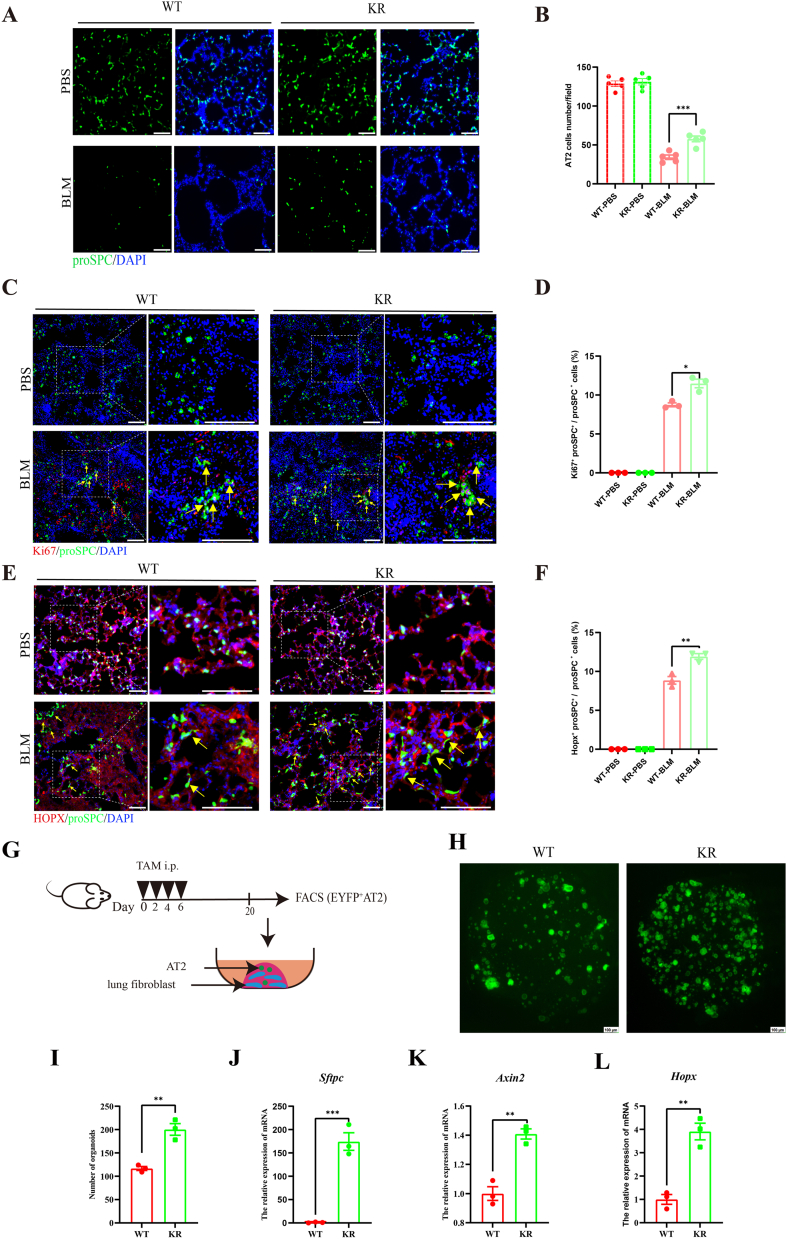
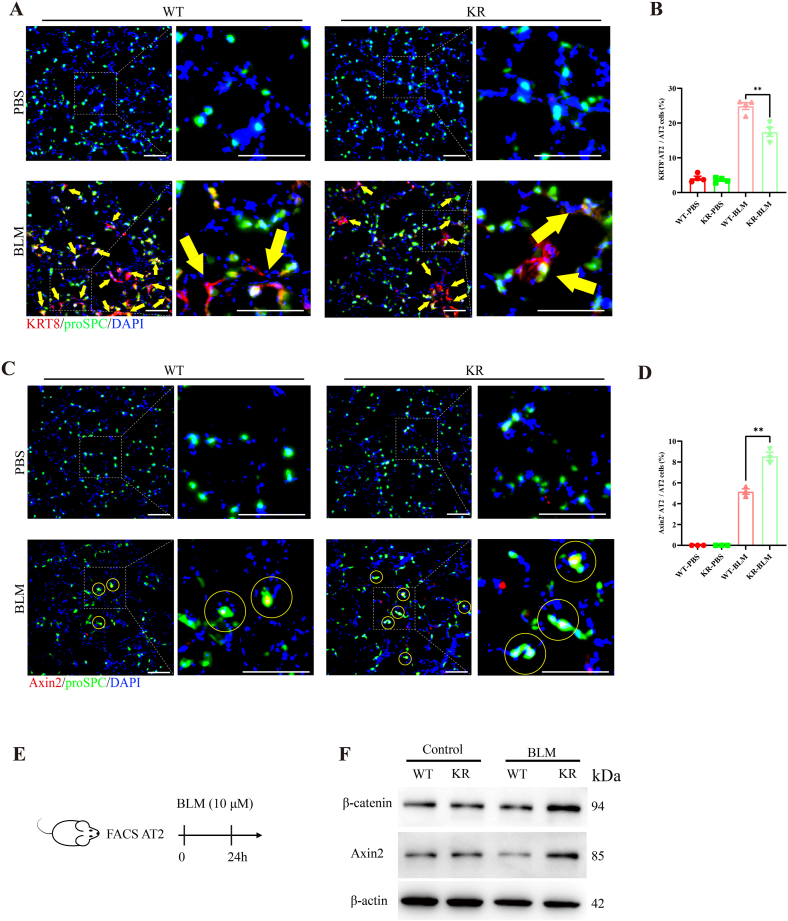
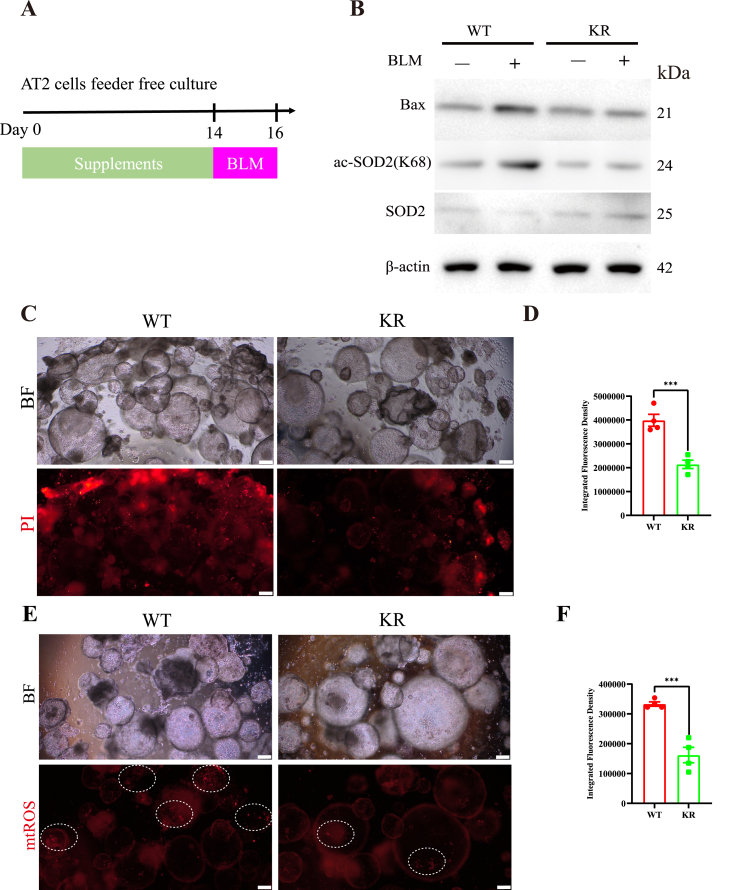
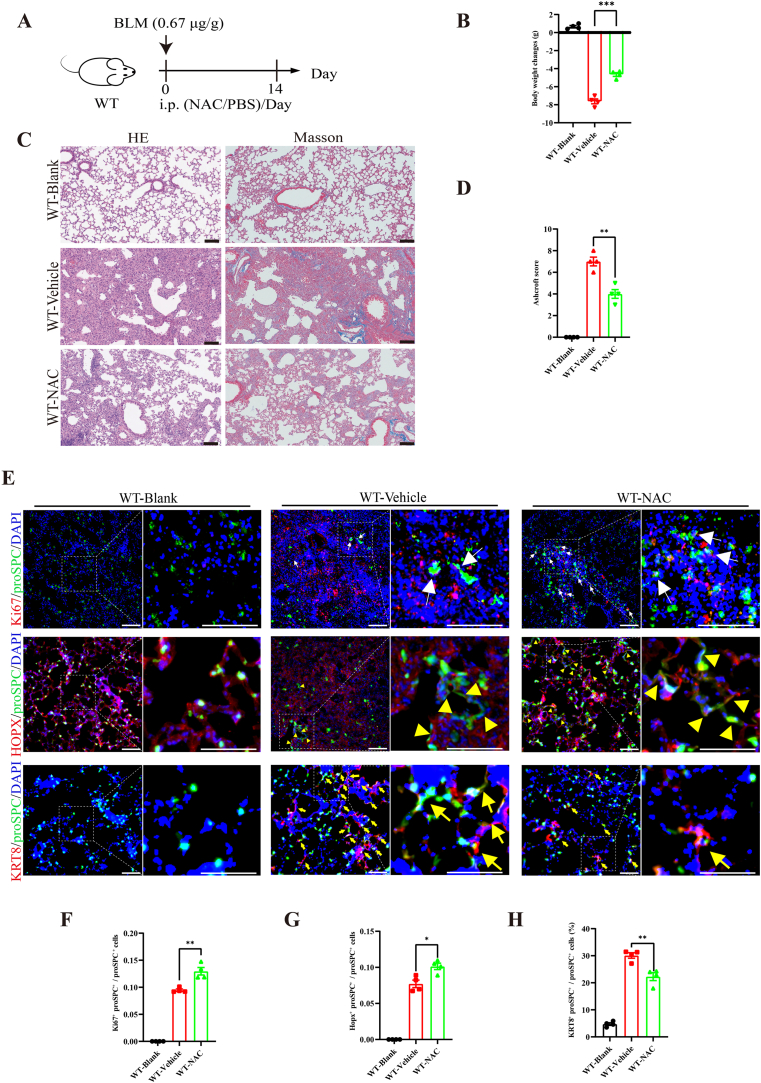
Oxidative damage exacerbates pulmonary fibrosis by impairing alveolar type II epithelial (AT2) cell function. This study demonstrates that the SUMO-specific protease 1 (SENP1)-Sirtuin 3 (Sirt3) axis, critical for mitochondrial redox regulation, is suppressed in AT2 cells during lung injury. In bleomycin-induced pulmonary fibrosis models, activating the SENP1-Sirt3 axis via Sirt3 SUMOylation site mutation (Sirt3 K223R) reduced Superoxide Dismutase 2 (SOD2) acetylation, thereby lowering mitochondrial reactive oxygen species (mtROS) accumulation and apoptosis. This intervention increased AT2 cell proliferation and differentiation into alveolar type I cells while reducing Keratin 8 (KRT8) transitional cell number, a profibrotic population. Additionally, SENP1-Sirt3 activation attenuated inflammation and fibrosis in lung tissue. Transcriptomic analysis linked the axis to enhanced Wnt signaling and lipid metabolism pathways, promoting AT2 stemness. Antioxidant N-acetylcysteine (NAC) supplementation mirrored these benefits, reinforcing ROS clearance as a therapeutic mechanism. These findings highlight SENP1-Sirt3 as a pivotal regulator of AT2 resilience, offering a potential strategy to mitigate fibrosis by targeting mitochondrial oxidative stress and cellular plasticity.
氧化损伤通过损害II型肺泡上皮(AT2)细胞功能而加剧肺纤维化。本研究表明,对线粒体氧化还原调节至关重要的小泛素样修饰特异性蛋白酶1(SENP1)-沉默调节蛋白3(Sirt3)轴在肺损伤期间的AT2细胞中受到抑制。在博来霉素诱导的肺纤维化模型中,通过Sirt3小泛素样修饰位点突变(Sirt3 K223R)激活SENP1-Sirt3轴可减少超氧化物歧化酶2(SOD2)的乙酰化,从而降低线粒体活性氧(mtROS)的积累和细胞凋亡。这种干预增加了AT2细胞的增殖并使其分化为I型肺泡细胞,同时减少了作为促纤维化细胞群的角蛋白8(KRT8)过渡细胞数量。此外,SENP1-Sirt3的激活减轻了肺组织中的炎症和纤维化。转录组分析将该轴与增强的Wnt信号传导和脂质代谢途径联系起来,促进了AT2细胞的干性。补充抗氧化剂N-乙酰半胱氨酸(NAC)也产生了类似的益处,强化了ROS清除作为一种治疗机制。这些发现突出了SENP1-Sirt3作为AT2细胞恢复力的关键调节因子,为通过靶向线粒体氧化应激和细胞可塑性来减轻纤维化提供了一种潜在策略。