Zhang Xinzhuang, Liu Yuanyi, Ma Wei, Li Lianhao, Bai Dongyi, Dugarjaviin Manglai
Key Laboratory of Equus Germplasm Innovation, Ministry of Agriculture and Rural Affairs, Hohhot 010018, China.
Inner Mongolia Key Laboratory of Equine Science Research and Technology Innovation, Inner Mongolia Agricultural University, Hohhot 010018, China.
Animals (Basel). 2025 Jul 5;15(13):1981. doi: 10.3390/ani15131981.
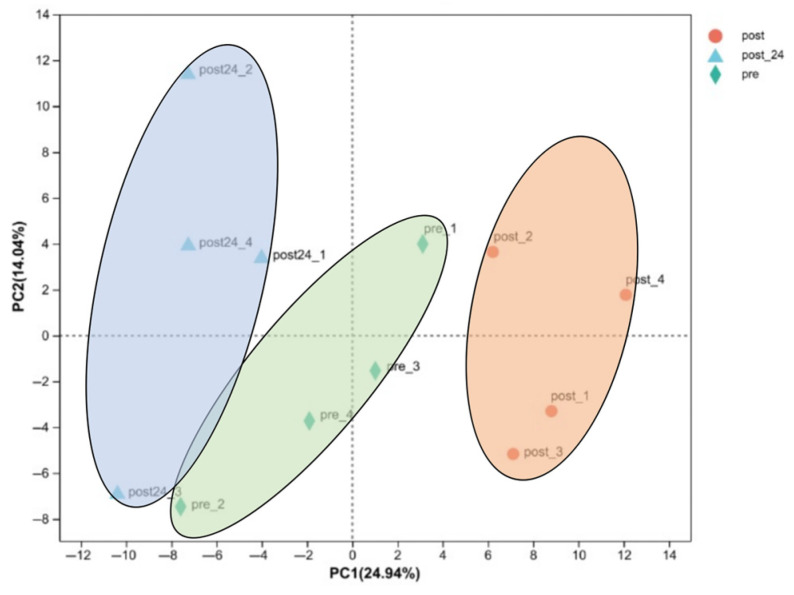
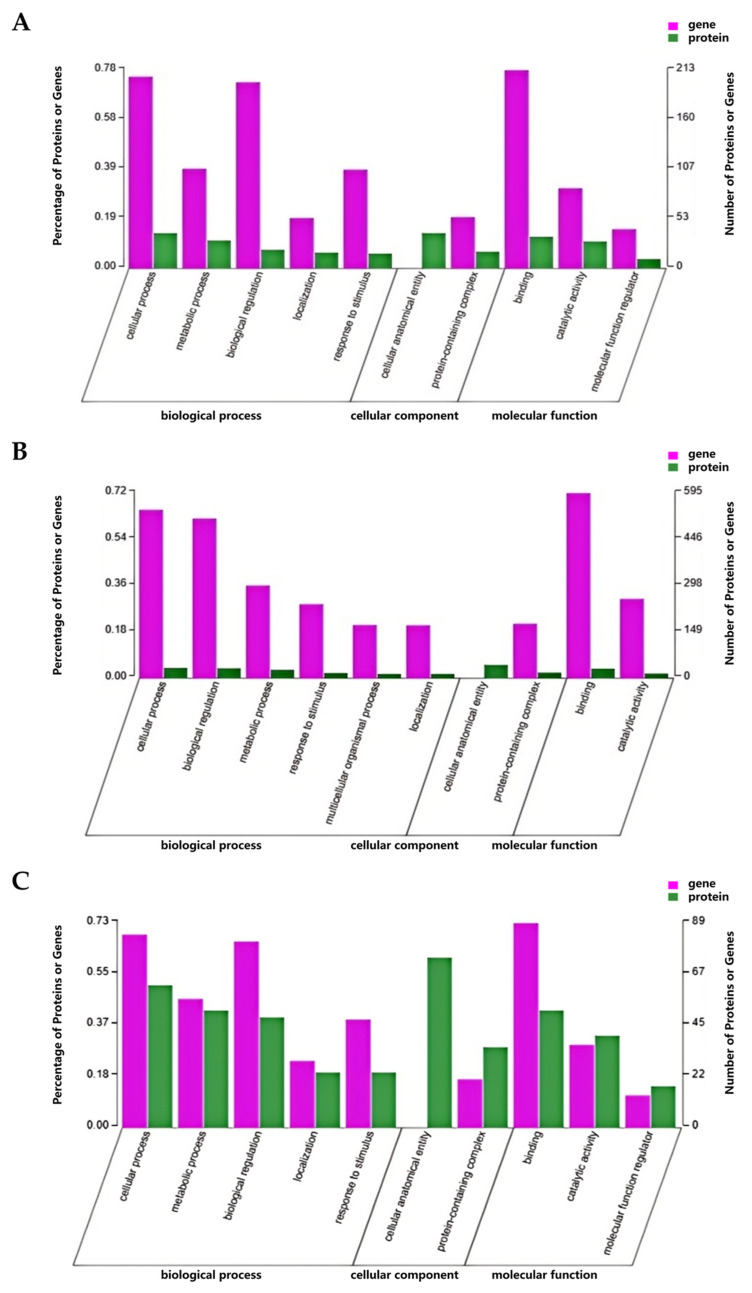
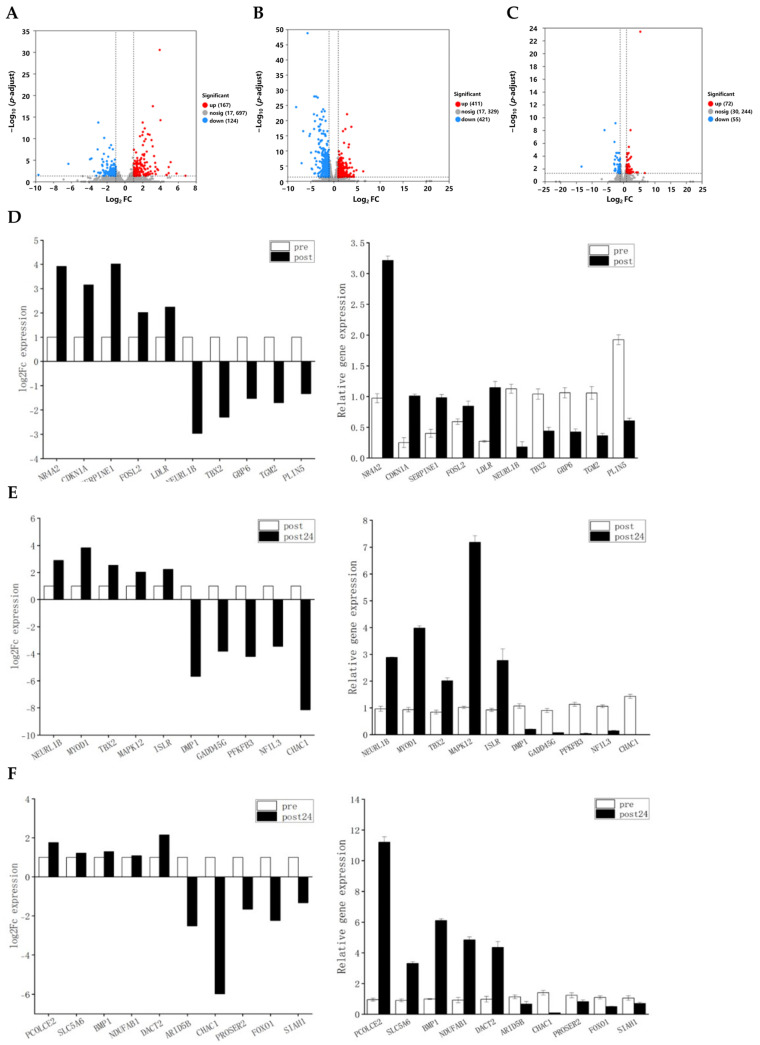
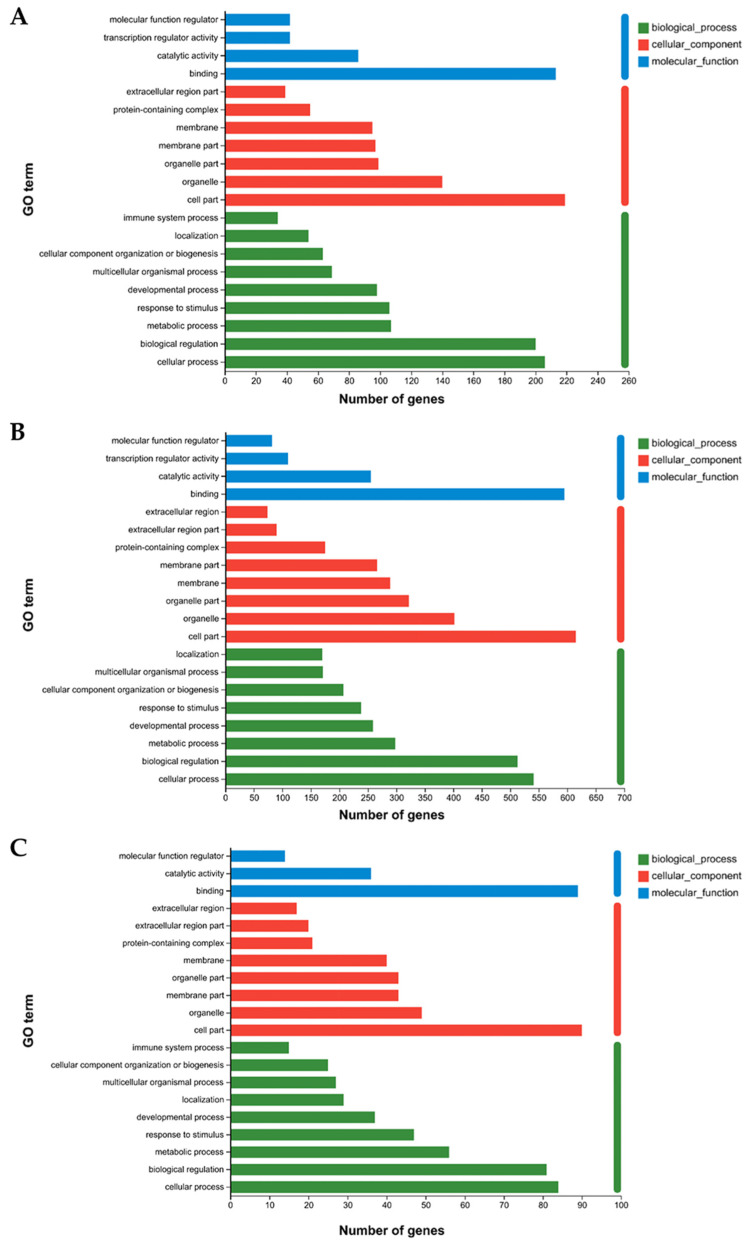
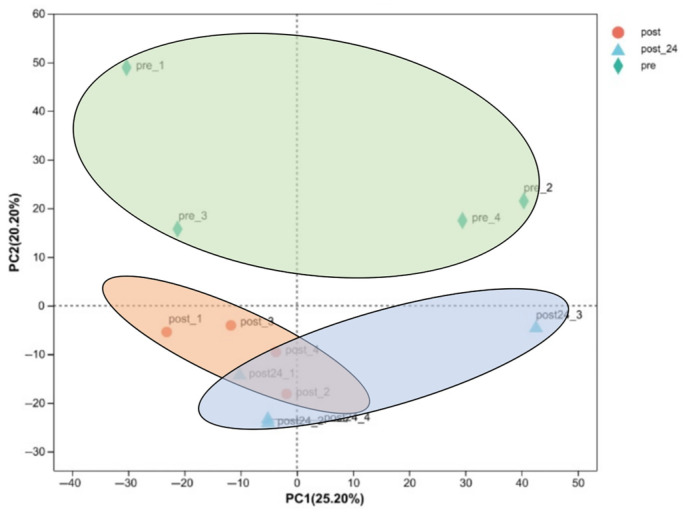
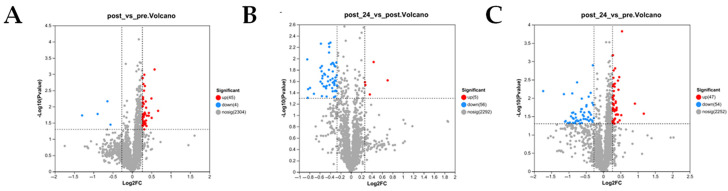
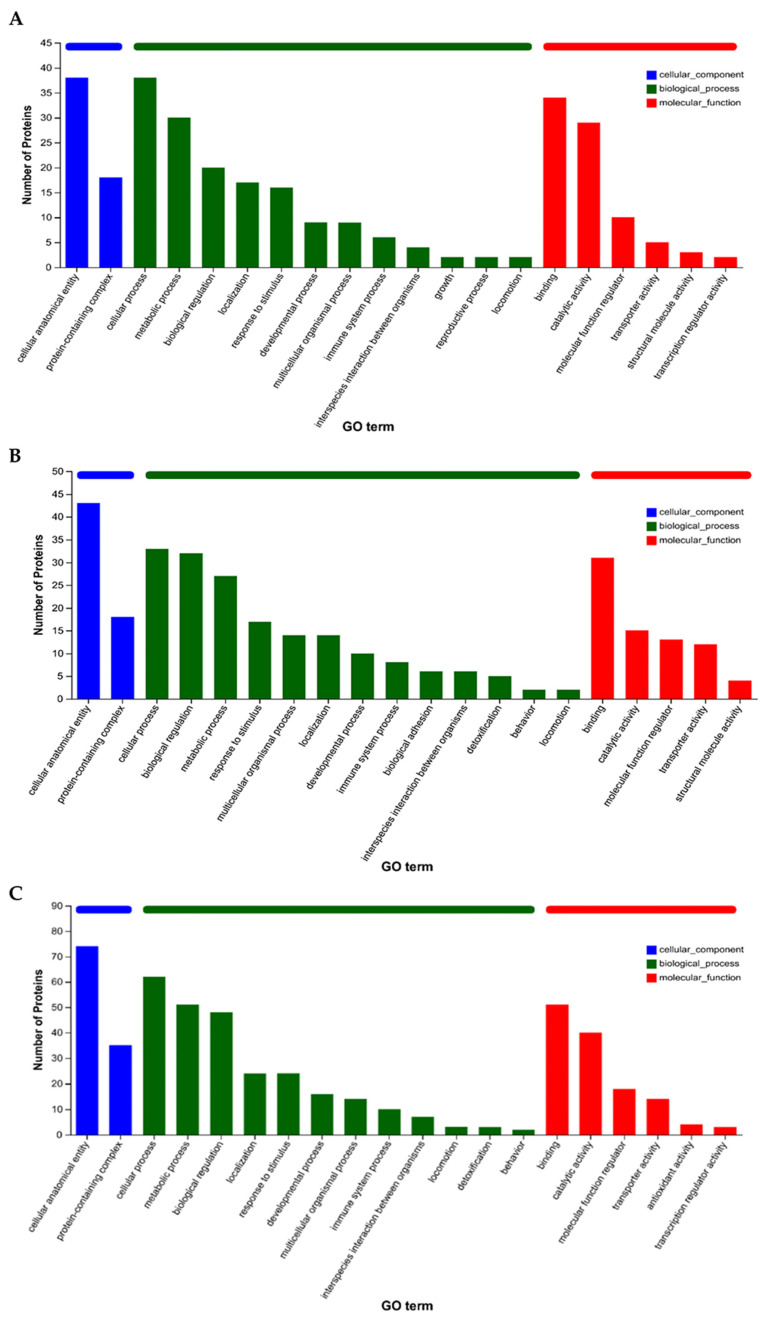
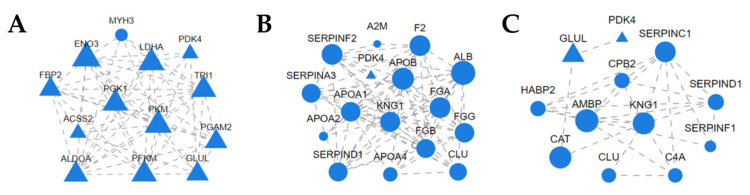
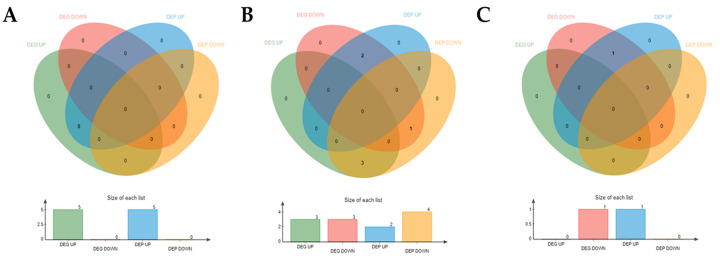
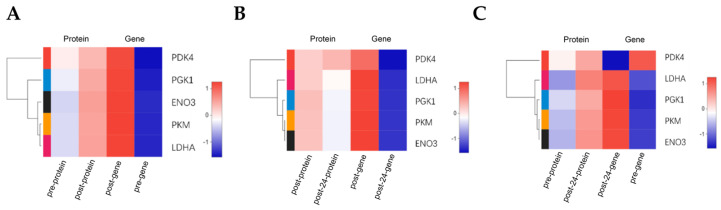
Mongolian horses are renowned for their remarkable endurance and ability to adapt to harsh environments. To delve deeper into the molecular mechanisms that underlie these traits, researchers conducted a comprehensive analysis of transcriptomic and proteomic changes in Mongolian horses at three distinct time points: before, immediately after, and 24 h following a 20 km run. The transcriptomic analysis uncovered significant variations in gene expression patterns across these time points. Specifically, 291 differentially expressed genes (DEGs) were identified when comparing pre-exercise to post-exercise conditions, 832 DEGs in the comparison between post-exercise and 24 h post-exercise, and 127 DEGs in the comparison of pre-exercise to 24 h post-exercise. Notably, key genes involved in metabolic activities and cellular proliferation, such as and , exhibited significant upregulation immediately after exercise but demonstrated a downward trend 24 h post-exercise. Concurrently, the proteomic analysis revealed 49 differentially expressed proteins (DEPs) in the pre-exercise versus post-exercise comparison, 61 DEPs in the post-exercise versus 24 h post-exercise comparison, and 101 DEPs in the pre-exercise versus 24 h post-exercise comparison. Some proteins, like PDK4 and GLUL, remained upregulated at 24 h post-exercise, whereas others, such as PFKM and LDHA, showed signs of recovery or downregulation. By integrating the transcriptomic and proteomic data, we were able to pinpoint overlapping DEGs/DEPs and implicate crucial signaling pathways, including the HIF-1 signaling pathway and glycolysis, in the molecular response of Mongolian horses to exercise. These findings offer insights into the endurance adaptation mechanisms of the Mongolian horse.
蒙古马以其卓越的耐力和适应恶劣环境的能力而闻名。为了更深入地探究这些特性背后的分子机制,研究人员对蒙古马在三个不同时间点(跑步前、跑步后即刻以及跑步后24小时)的转录组和蛋白质组变化进行了全面分析。转录组分析发现,这些时间点之间的基因表达模式存在显著差异。具体而言,在比较运动前和运动后条件时,鉴定出291个差异表达基因(DEG);在运动后和运动后24小时的比较中,有832个DEG;在运动前和运动后24小时的比较中,有127个DEG。值得注意的是,参与代谢活动和细胞增殖的关键基因,如 和 ,在运动后即刻显著上调,但在运动后24小时呈下降趋势。同时,蛋白质组分析显示,在运动前与运动后比较中有49个差异表达蛋白(DEP),在运动后与运动后24小时比较中有61个DEP,在运动前与运动后24小时比较中有101个DEP。一些蛋白质,如PDK4和GLUL,在运动后24小时仍上调,而其他蛋白质,如PFKM和LDHA,则显示出恢复或下调的迹象。通过整合转录组和蛋白质组数据,我们能够确定重叠的DEG/DEP,并发现关键信号通路,包括HIF-1信号通路和糖酵解,参与了蒙古马对运动的分子反应。这些发现为蒙古马的耐力适应机制提供了见解。