Wang Xiao-Peng, Zhu Jia-Xin, Liu Chang, Zhang Hao-Wen, Sun Guan-Duo, Zhai Jing-Ming, Yang Hai-Jun, Liu De-Chun
Department of Gastrointestinal Surgery, The First Affiliated Hospital, and College of Clinical Medicine of Henan University of Science and Technology, Luoyang 471003, Henan Province, China.
Department of Hepatobiliary Surgery, The Second Affiliated Hospital of Xi'an Jiaotong University, Xi'an 710000, Shaanxi Province, China.
World J Gastroenterol. 2025 Jul 7;31(25):107478. doi: 10.3748/wjg.v31.i25.107478.
Colorectal cancer (CRC) remains a major global health burden due to its high incidence and mortality, with treatment efficacy often hindered by tumor heterogeneity, drug resistance, and a complex tumor microenvironment (TME). Lactate metabolism plays a pivotal role in reshaping the TME, promoting immune evasion and epithelial-mesenchymal transition, making it a promising target for novel therapeutic strategies and prognostic modeling in CRC.
To offer an in-depth analysis of the role of lactate metabolism in CRC, highlighting its significance in the TME and therapeutic response.
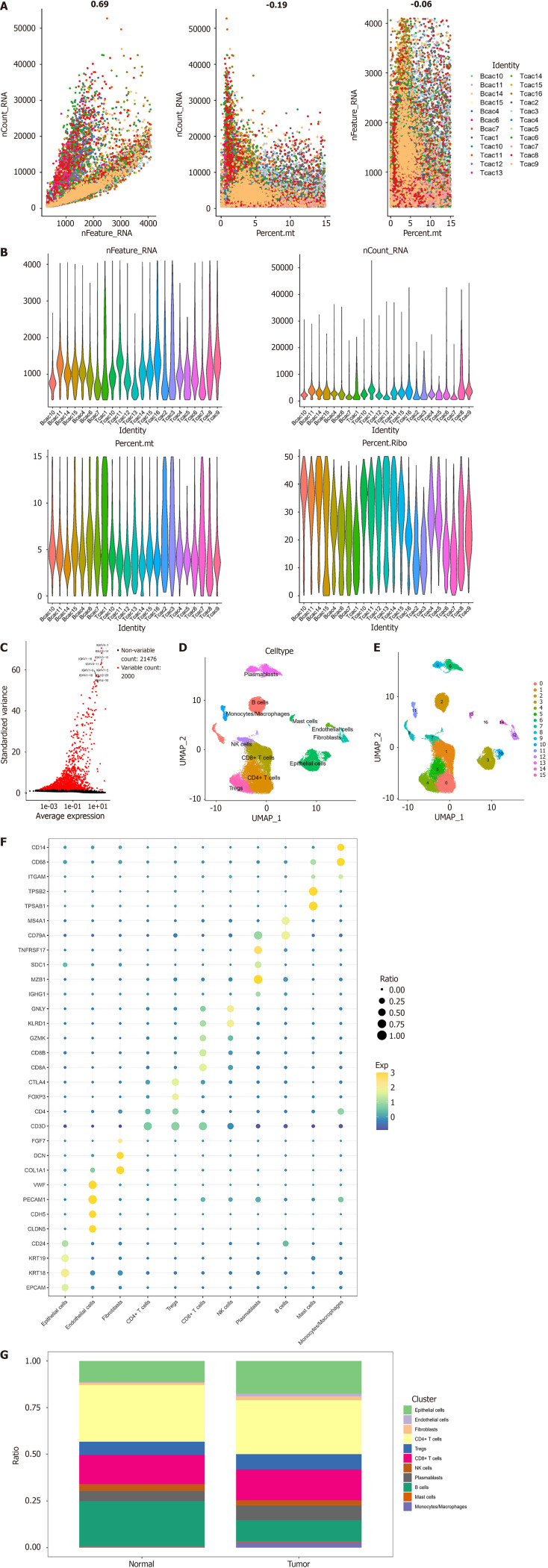
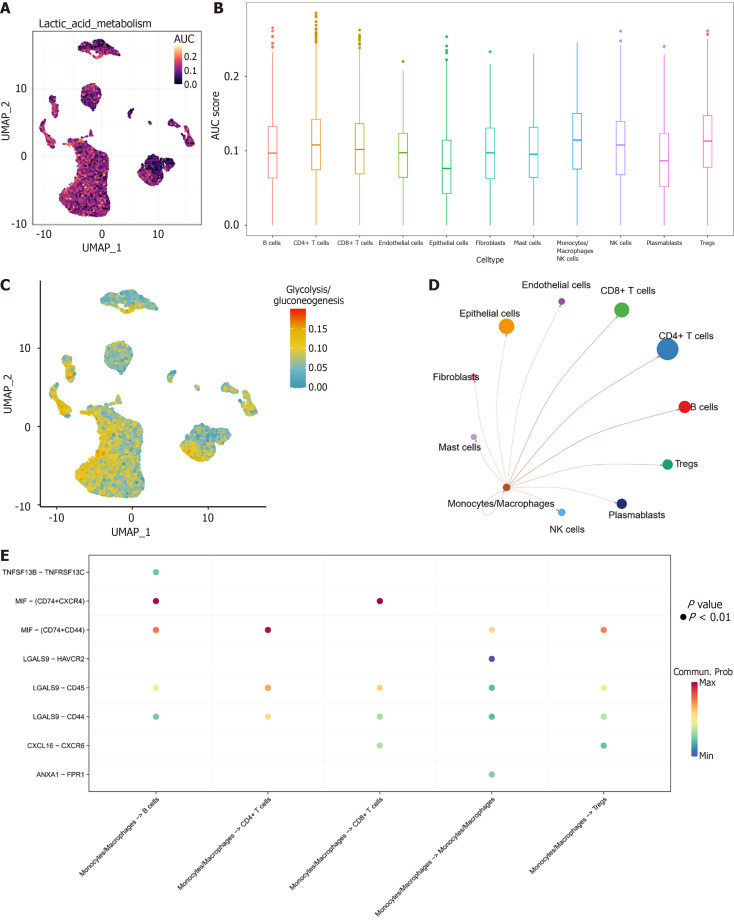
Utilizing single-cell and transcriptomic data from the Gene Expression Omnibus and The Cancer Genome Atlas, we identified key lactate metabolic activities, particularly in the monocyte/macrophage subpopulation.
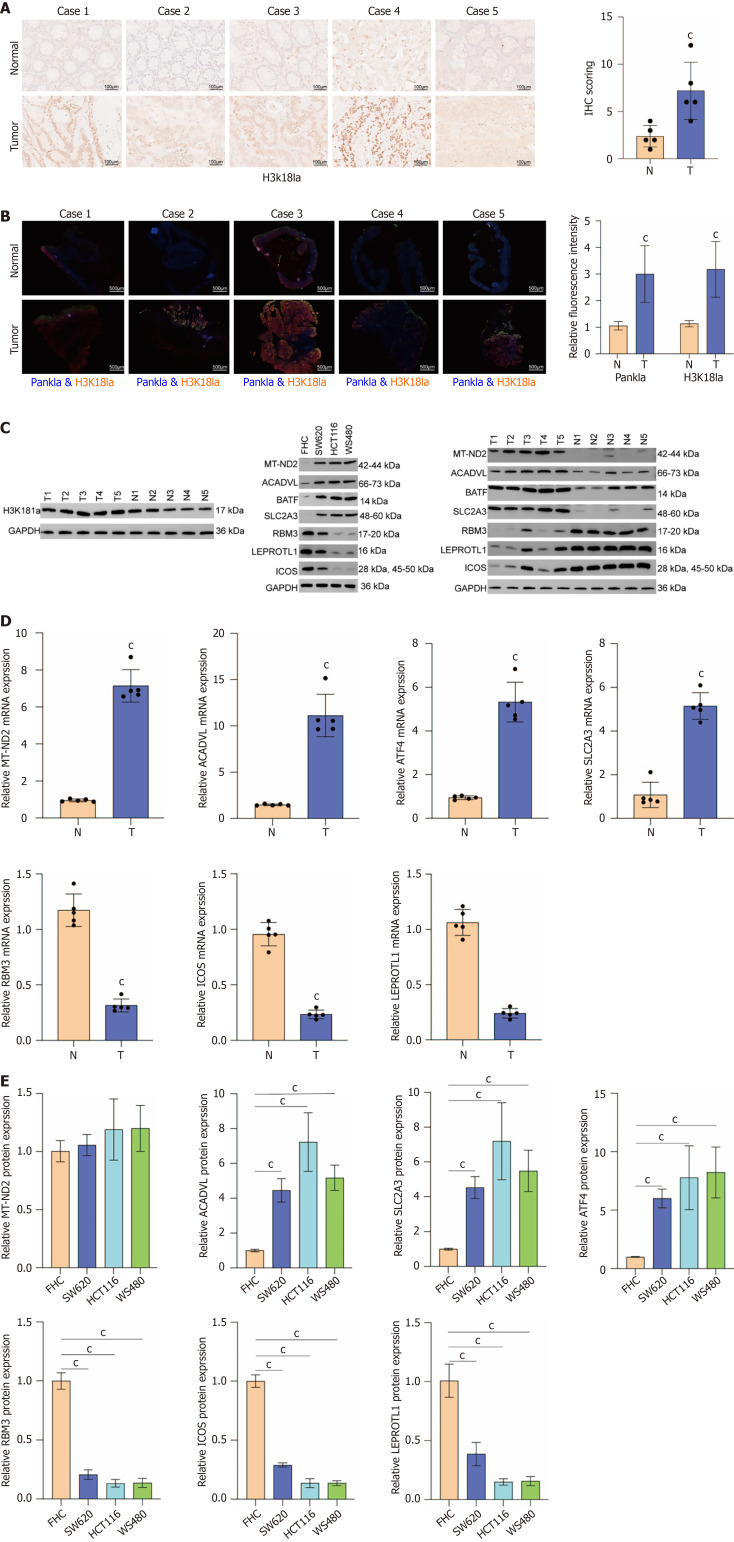
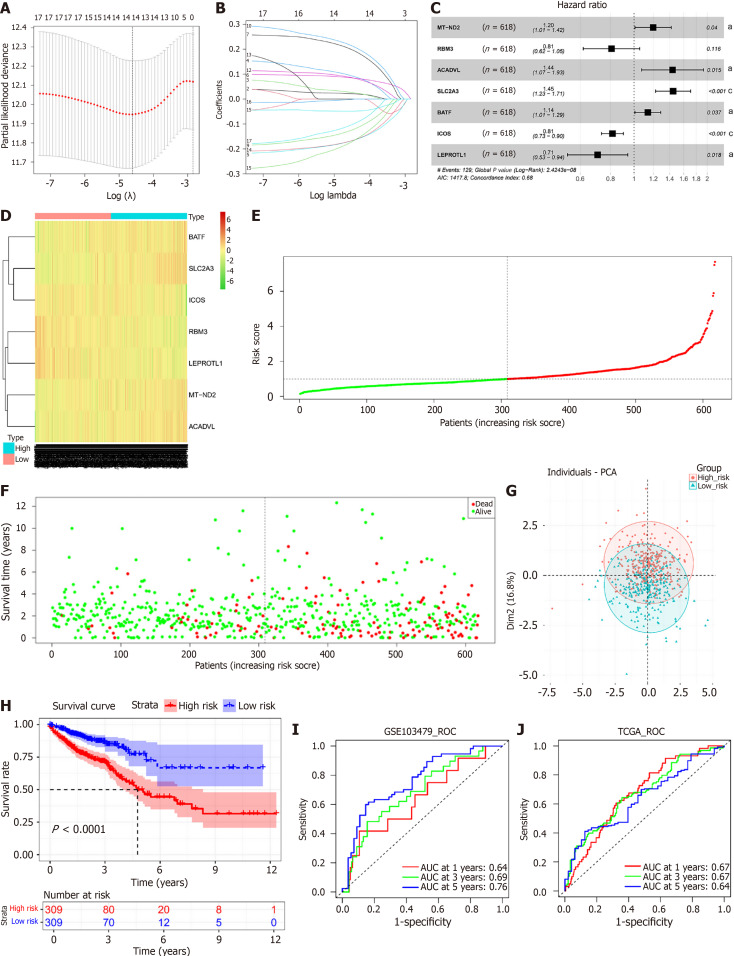
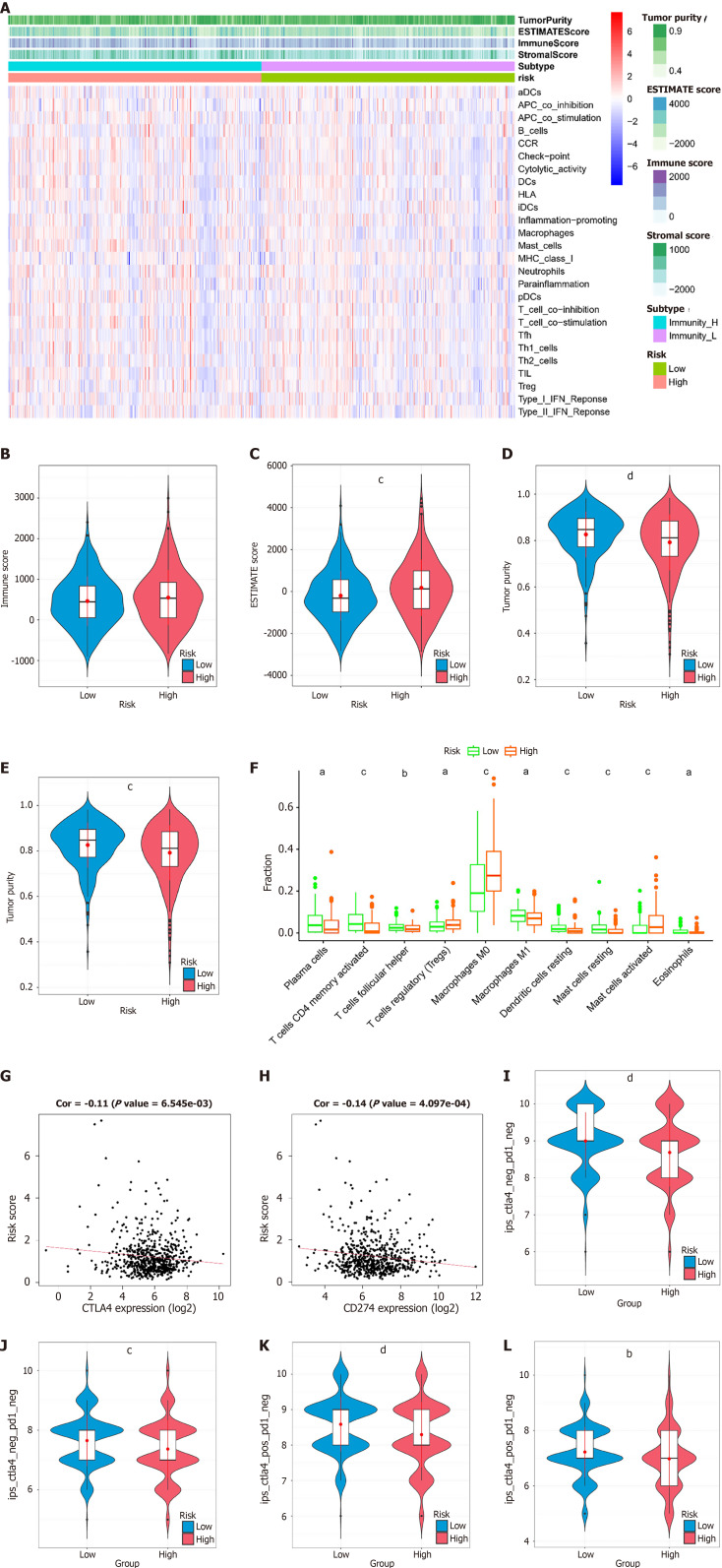
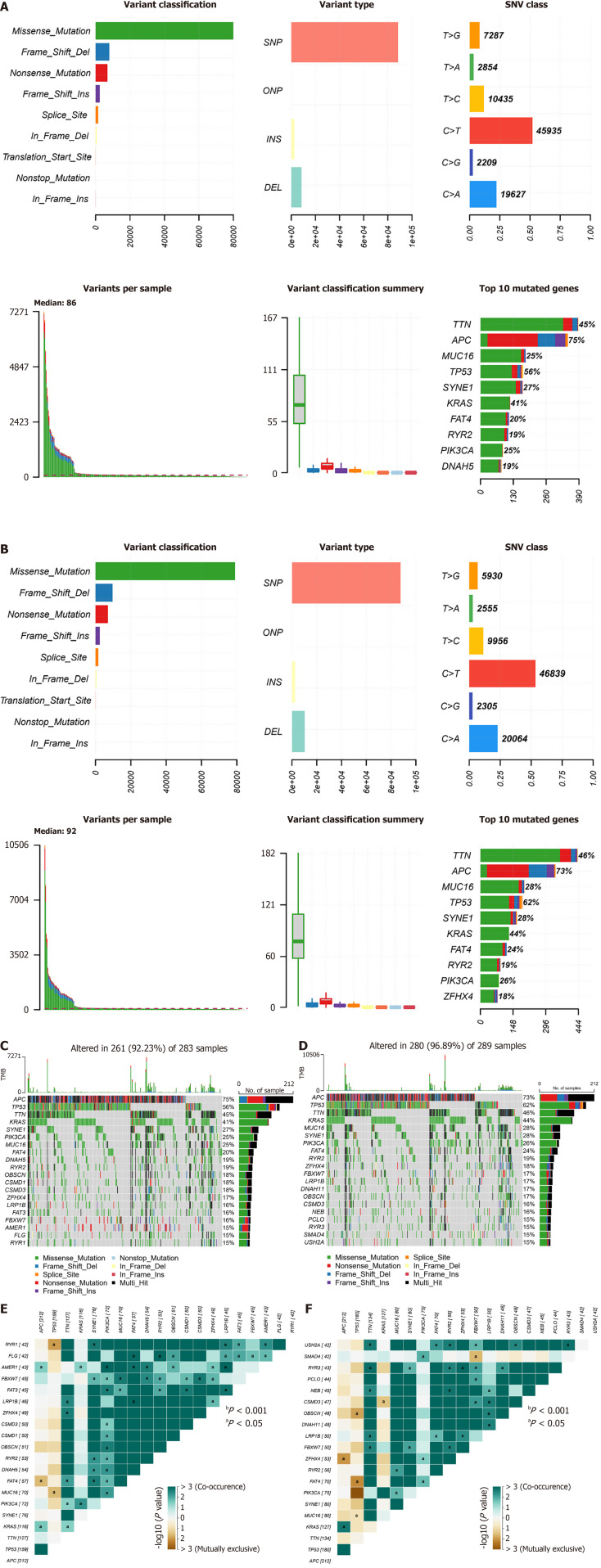
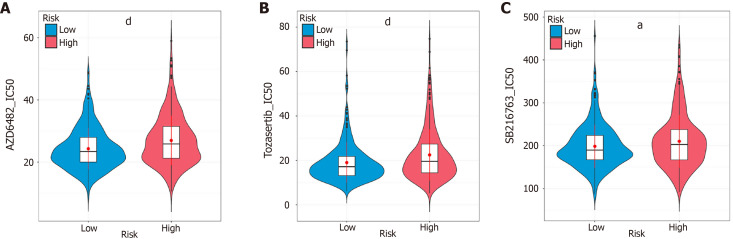
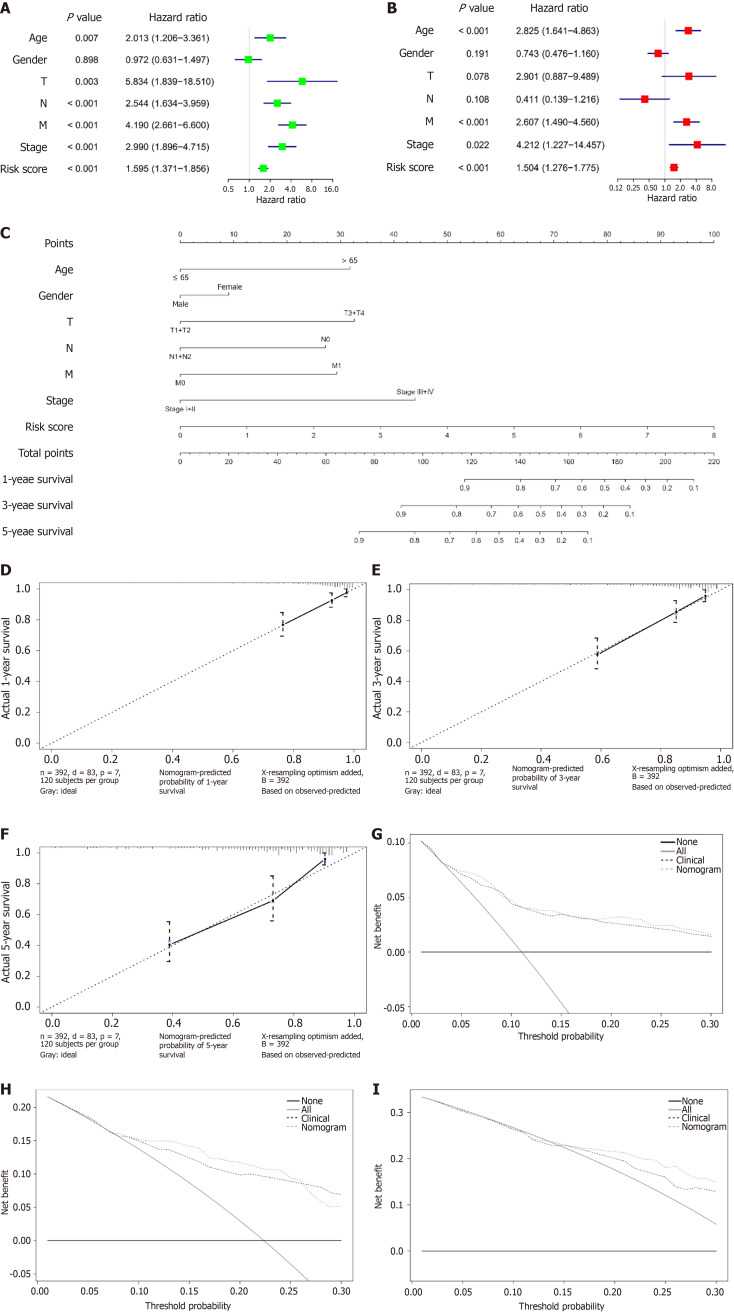
Seven lactate metabolism-associated genes were significantly linked to CRC prognosis and used to construct a predictive model. This model accurately forecasts patient outcomes and reveals notable distinct patterns of immune infiltration and transcriptomic profiles mutation profiles between high- and low-risk groups. High-risk patients demonstrated elevated immune cell infiltration, increased mutation frequencies, and heightened sensitivity to specific drugs (AZD6482, tozasertib, and SB216763), providing a foundation for personalized treatment approaches. Additionally, a nomogram integrating clinical and metabolic data effectively predicted 1-, 3-, and 5-year survival rates.
This report underscored the pivotal mechanism of lactate metabolism in CRC prognosis and suggest novel avenues for therapeutic intervention.
由于结直肠癌(CRC)的高发病率和死亡率,它仍然是全球主要的健康负担,其治疗效果常常受到肿瘤异质性、耐药性和复杂的肿瘤微环境(TME)的阻碍。乳酸代谢在重塑肿瘤微环境、促进免疫逃逸和上皮-间质转化中起关键作用,使其成为CRC新型治疗策略和预后模型的一个有前景的靶点。
深入分析乳酸代谢在CRC中的作用,突出其在肿瘤微环境和治疗反应中的重要性。
利用来自基因表达综合数据库(Gene Expression Omnibus)和癌症基因组图谱(The Cancer Genome Atlas)的单细胞和转录组数据,我们确定了关键的乳酸代谢活性,特别是在单核细胞/巨噬细胞亚群中。
七个与乳酸代谢相关的基因与CRC预后显著相关,并用于构建一个预测模型。该模型能准确预测患者的预后,并揭示高风险组和低风险组之间免疫浸润和转录组谱突变谱的显著不同模式。高风险患者表现出免疫细胞浸润增加、突变频率升高以及对特定药物(AZD6482、托扎替尼和SB216763)的敏感性增强,为个性化治疗方法提供了基础。此外,一个整合临床和代谢数据的列线图有效地预测了1年、3年和5年生存率。
本报告强调了乳酸代谢在CRC预后中的关键机制,并提出了治疗干预的新途径。