Hendi Maher, Zhang Bin, Mou Yi-Ping, Cai Xiu-Jun
Department of General Surgery, Zhejiang University School of Medicine Affiliated Sir Run Run Shaw Hospital, Hangzhou 310029, Zhejiang Province, China.
Department of General Surgery, Zhejiang Provincial People's Hospital, Hangzhou 310016, Zhejiang Province, China.
World J Gastrointest Oncol. 2025 Jul 15;17(7):103337. doi: 10.4251/wjgo.v17.i7.103337.
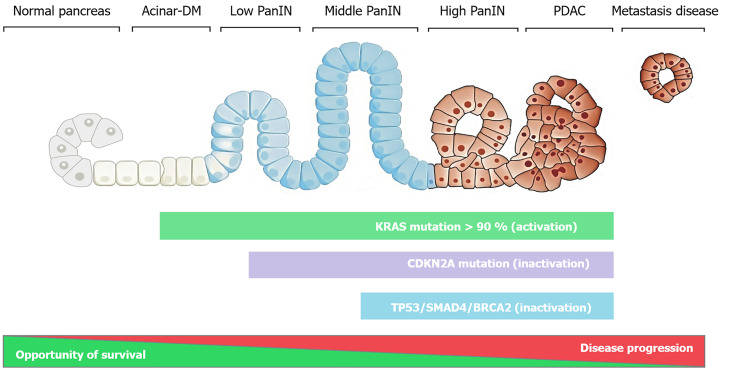
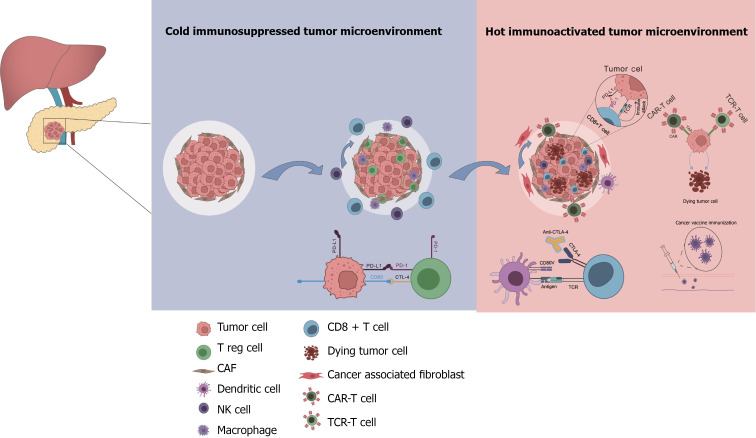
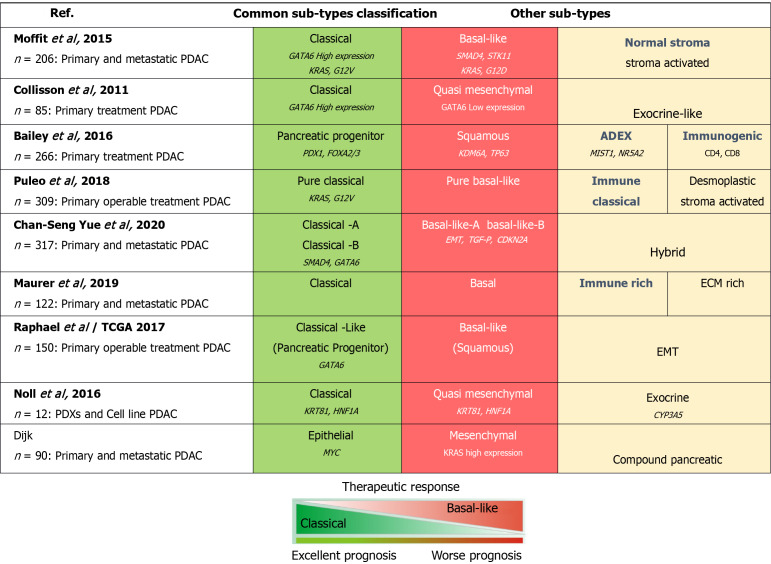
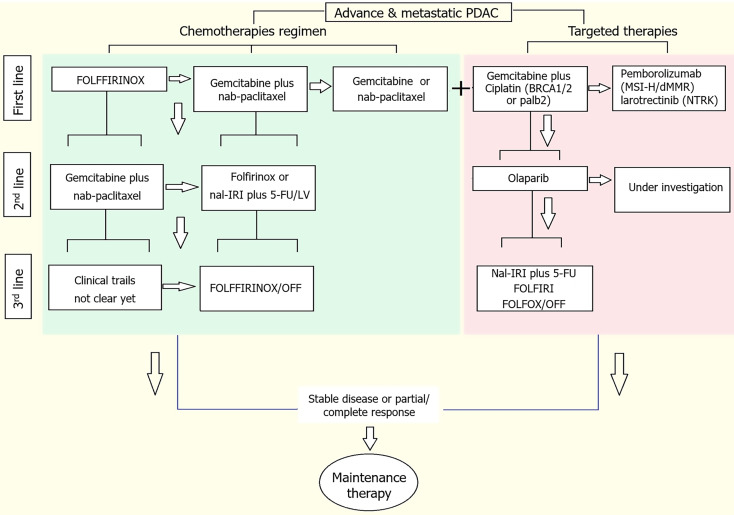
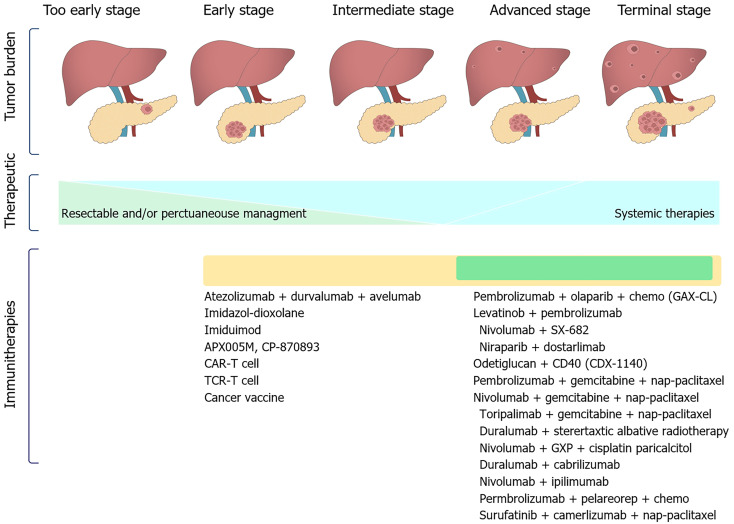
Pancreatic ductal adenocarcinoma (PDAC) is a global health challenge and remains one of the most lethal malignancies; there are only a few therapeutic options. However, significant efforts have led to the identification of major genetic factors that drive the progression and pathogenesis of PDAC. Notably, the research and application of molecular targeted therapies and immunotherapies have rapidly increased and facilitated great progress in the treatment of many malignant tumors, additional targeted therapies and immunotherapy based on next-generation sequencing results provide new opportunities for the diagnosis and treatment of pancreatic tumors. Immune checkpoint inhibitors are also now being incorporated as PDAC therapies, and combinations of molecularly targeted therapies with immunotherapies are emerging as strategies for boosting the immune response. The investigation of biomarkers of a response or primary resistance to immunotherapies is also an emerging research area. Herein, we further discuss the recent technological advances that continue to expand our understanding of PDAC complexity. We discuss the advancements expected in the near future, including biomarker-driven treatments and immunotherapies. We presume that the clinical translation of these research efforts will improve the survival outcomes of this challenging disease, which are currently dismal.
胰腺导管腺癌(PDAC)是一项全球性的健康挑战,仍然是最致命的恶性肿瘤之一;治疗选择寥寥无几。然而,经过大量努力,已确定了驱动PDAC进展和发病机制的主要遗传因素。值得注意的是,分子靶向治疗和免疫治疗的研究与应用迅速增加,并推动了许多恶性肿瘤治疗的巨大进展,基于下一代测序结果的额外靶向治疗和免疫治疗为胰腺肿瘤的诊断和治疗提供了新机会。免疫检查点抑制剂目前也被纳入PDAC治疗,分子靶向治疗与免疫治疗的联合正成为增强免疫反应的策略。对免疫治疗反应或原发性耐药生物标志物的研究也是一个新兴的研究领域。在此,我们进一步讨论最近的技术进展,这些进展不断扩展我们对PDAC复杂性的理解。我们讨论了近期有望取得的进展,包括生物标志物驱动的治疗和免疫治疗。我们推测,这些研究成果的临床转化将改善这种具有挑战性疾病的生存结果,目前其生存结果不容乐观。