Lin Yen-Ju, Wu Yu-Cheng, Liu Yu-Jui, Yeh Wei-Chen, Huang Yi-Chen, Zhang Shen-Ao, Chen Alvin, Zheng Ming-Yi, Liu Hong-Ming, Chou Fong-In, Pan Shien-Tung, Chou Min-Yuan, Chou Yu-Ting
Institute of Biotechnology, National Tsing Hua University, Hsinchu, Taiwan.
Innovation and Advanced Research Office, Biomedical Technology and Device Research Laboratories, Industrial Technology Research Institute, Hsinchu, Taiwan.
Oncogenesis. 2025 Jul 23;14(1):26. doi: 10.1038/s41389-025-00568-z.
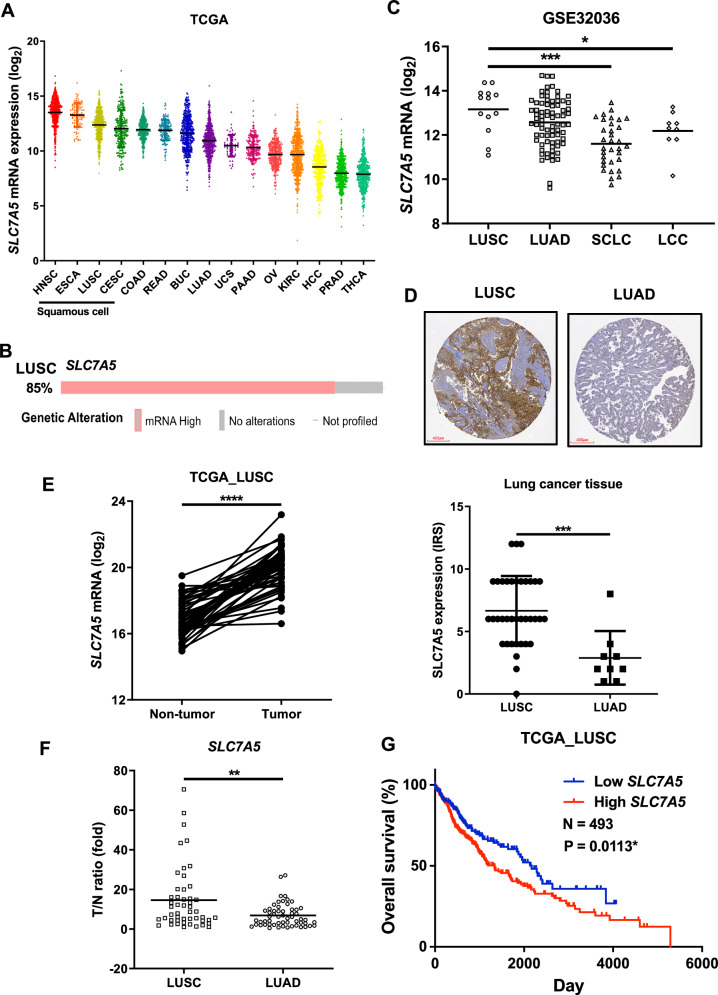
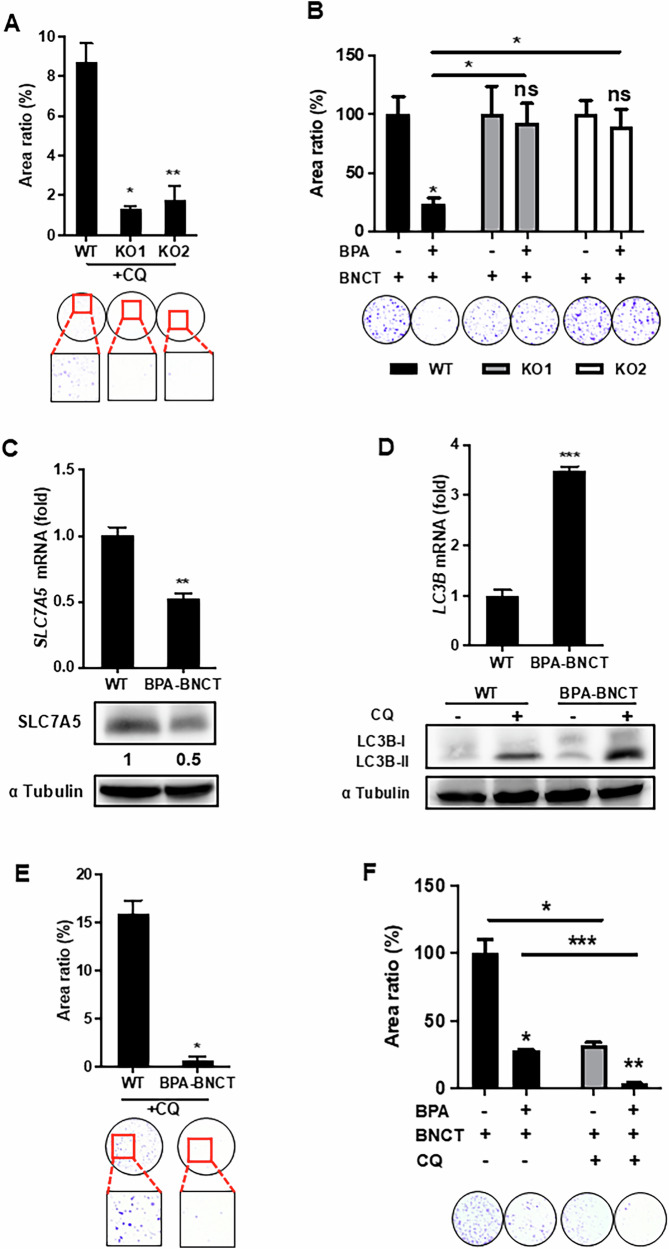
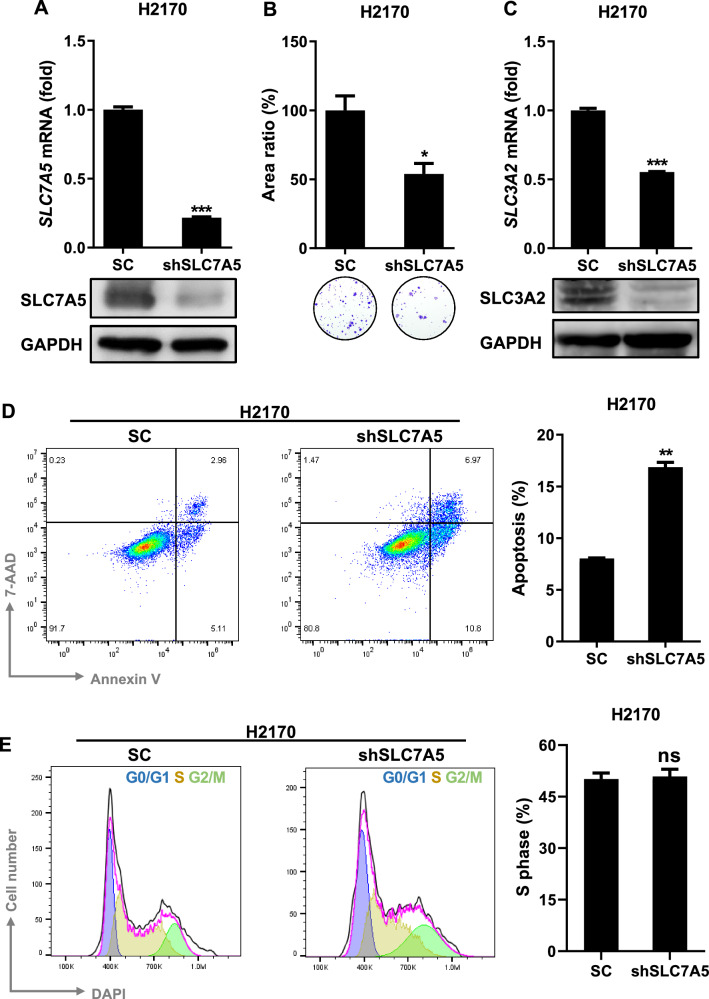
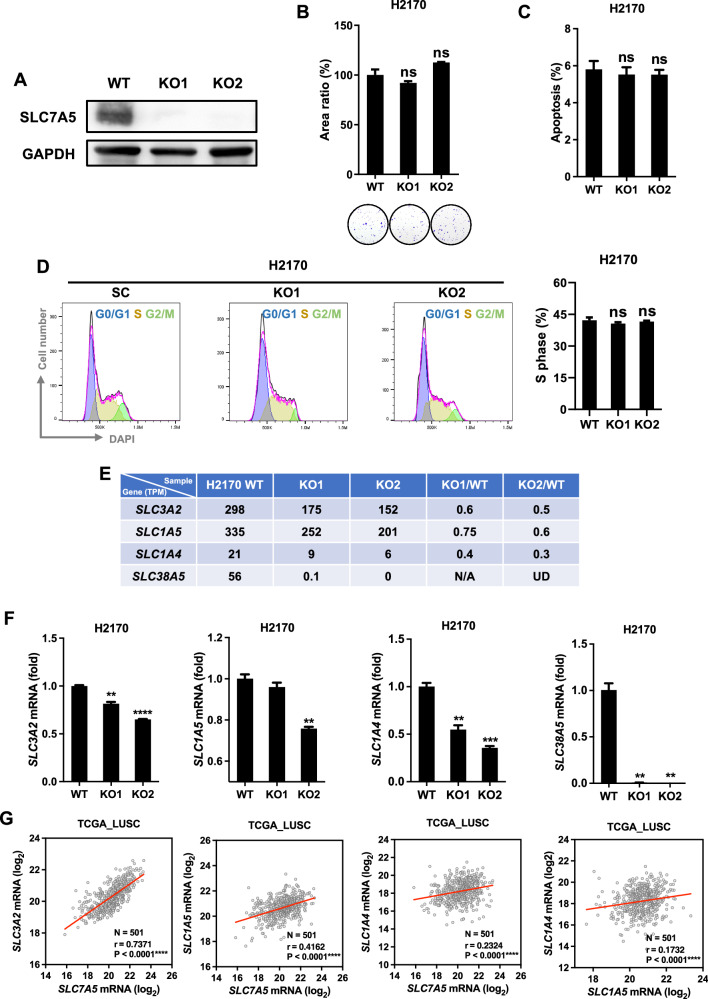
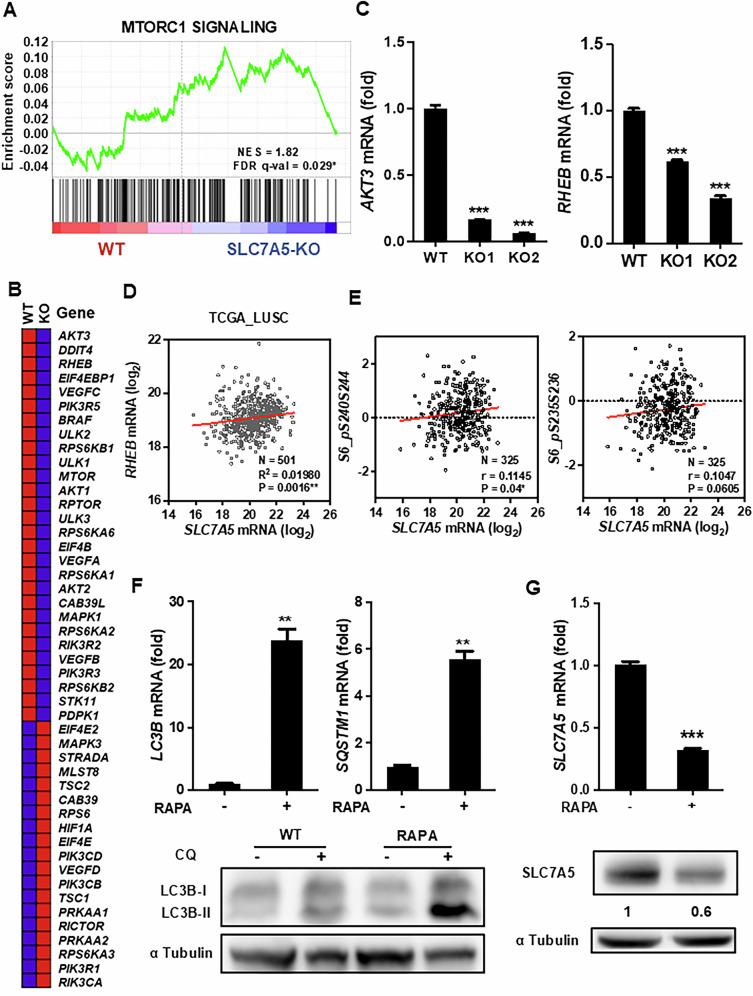
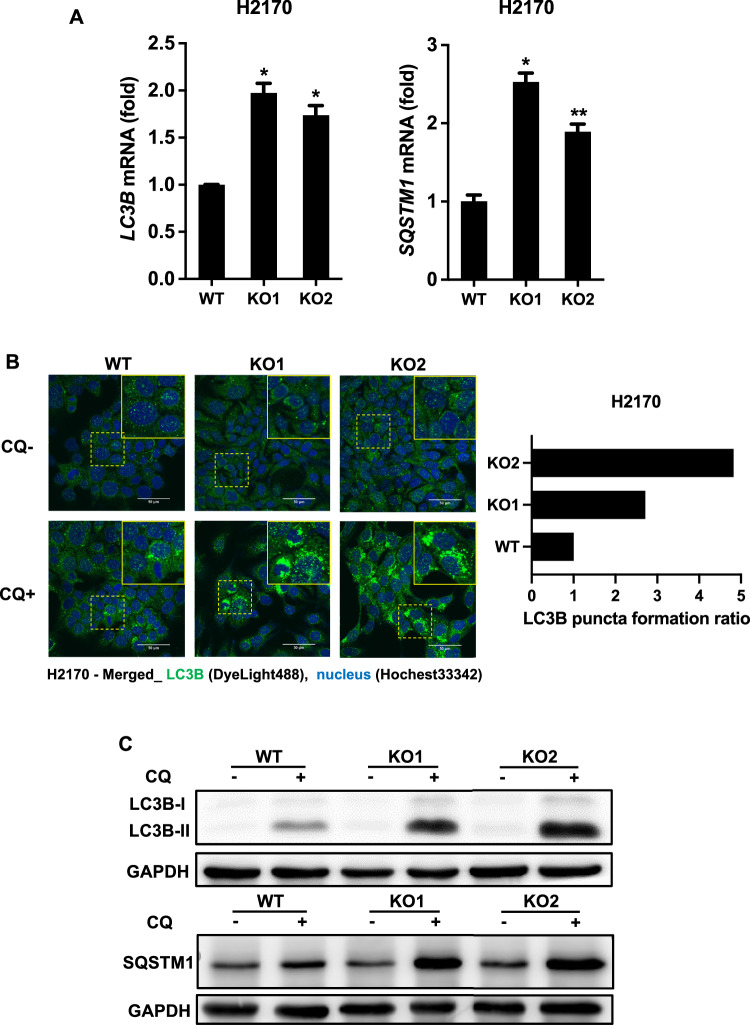
Squamous cell carcinoma (SCC) poses a significant global health challenge due to the lack of effective treatments. Boron neutron capture therapy (BNCT), a targeted particle therapy, has shown promising results in various cancers. SLC7A5, a transporter of essential amino acids and boronophenylalanine (BPA) used in BNCT, emerges as a potential therapeutic target. However, its expression across different histological subtypes and the role of SLC7A5 inhibition in developing drug resistance to BPA-BNCT remain poorly understood. Our study reveals elevated SLC7A5 expression in most SCCs, particularly in lung squamous cell carcinoma (LUSC), where it is significantly higher compared to other lung cancer subtypes. Increased SLC7A5 expression and a higher tumor-to-normal (T/N) ratio in LUSC are associated with poor patient prognosis. SLC7A5 knockdown in LUSC cells reduces colony formation and induces apoptosis. RNA-seq analysis of SLC7A5 knockout LUSC cells shows downregulated mTORC1 signaling, reduced expression of other amino acid transporters, and upregulated autophagy genes, indicating a potential cancer metabolic shift. Furthermore, SLC7A5 knockout LUSC cells demonstrate resistance to BPA-BNCT but sensitivity to the autophagy inhibitor chloroquine. Post-BPA-BNCT treatment, surviving wild-type LUSC cells exhibit reduced SLC7A5 levels and increased sensitivity to chloroquine, highlighting a vulnerability in BPA-BNCT-resistant cells. Our findings elucidate the interplay between SLC7A5, mTOR signaling, and autophagy pathways, providing insights into potential strategies to overcome drug resistance in BPA-BNCT therapy.
由于缺乏有效的治疗方法,鳞状细胞癌(SCC)对全球健康构成了重大挑战。硼中子俘获疗法(BNCT)作为一种靶向粒子疗法,已在多种癌症中显示出有前景的结果。SLC7A5是一种必需氨基酸和BNCT中使用的硼苯丙氨酸(BPA)的转运蛋白,成为一个潜在的治疗靶点。然而,其在不同组织学亚型中的表达以及SLC7A5抑制在对BPA-BNCT产生耐药性过程中的作用仍知之甚少。我们的研究表明,大多数SCC中SLC7A5表达升高,尤其是在肺鳞状细胞癌(LUSC)中,与其他肺癌亚型相比其表达显著更高。LUSC中SLC7A5表达增加和更高的肿瘤与正常组织(T/N)比值与患者预后不良相关。LUSC细胞中SLC7A5敲低可减少集落形成并诱导凋亡。对SLC7A5基因敲除的LUSC细胞进行RNA测序分析显示,mTORC1信号下调,其他氨基酸转运蛋白表达降低,自噬基因上调,表明可能存在癌症代谢转变。此外,SLC7A5基因敲除的LUSC细胞对BPA-BNCT具有抗性,但对自噬抑制剂氯喹敏感。在BPA-BNCT治疗后,存活的野生型LUSC细胞显示SLC7A5水平降低且对氯喹敏感性增加,突出了BPA-BNCT耐药细胞中的一个脆弱点。我们的研究结果阐明了SLC7A5、mTOR信号和自噬途径之间的相互作用,为克服BPA-BNCT治疗中的耐药性提供了潜在策略的见解。