Zhu Yan, Chen Baojin, Liu Yiming, Tan Tiantian, Gao Bowen, Lu Lijun, Zhu Pengcheng, Mao Yanchao
Key Laboratory of Materials Physics of Ministry of Education, School of Physics, Zhengzhou University, Zhengzhou 450001, China.
Biosensors (Basel). 2025 Jul 18;15(7):463. doi: 10.3390/bios15070463.
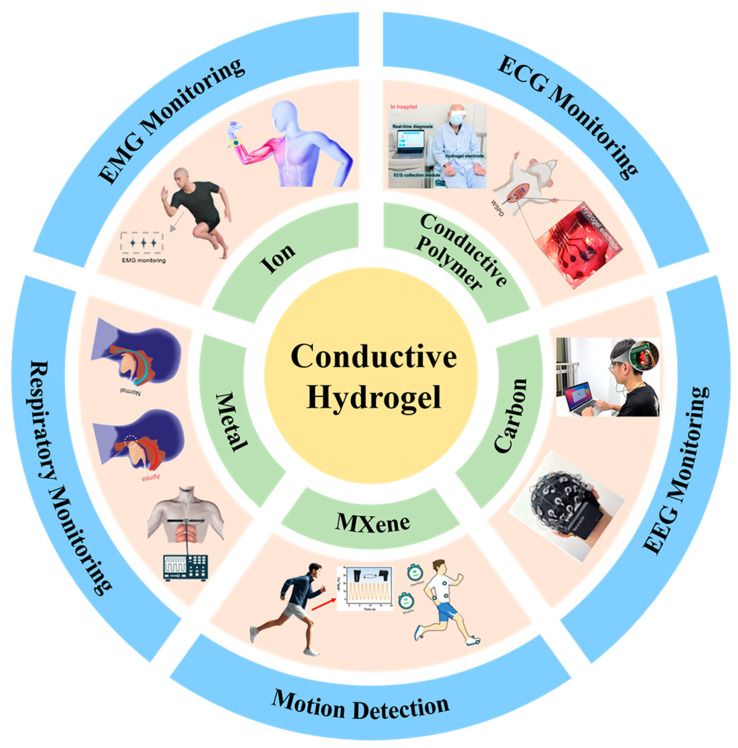
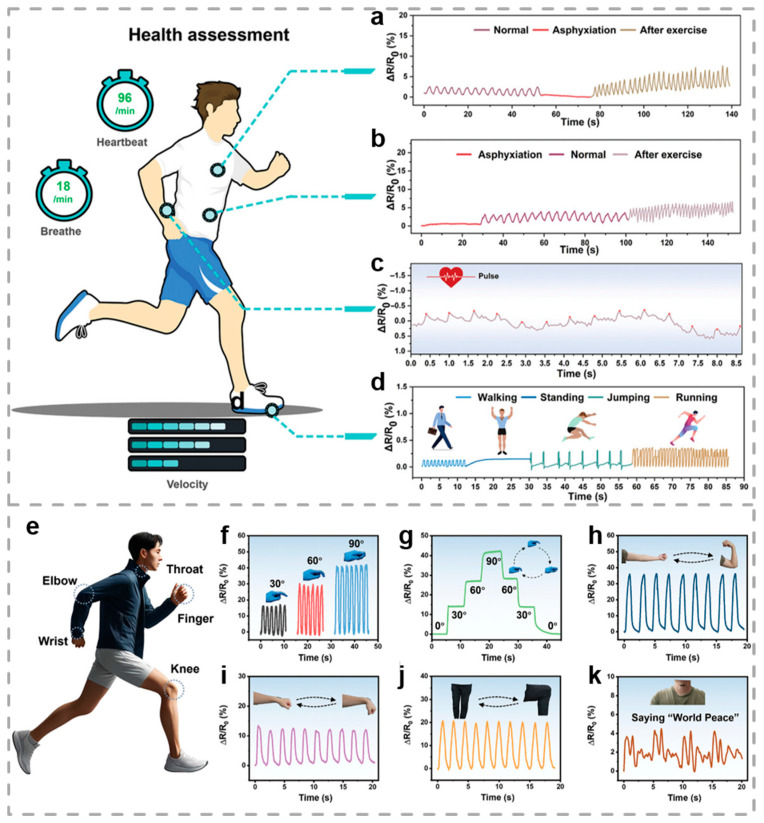
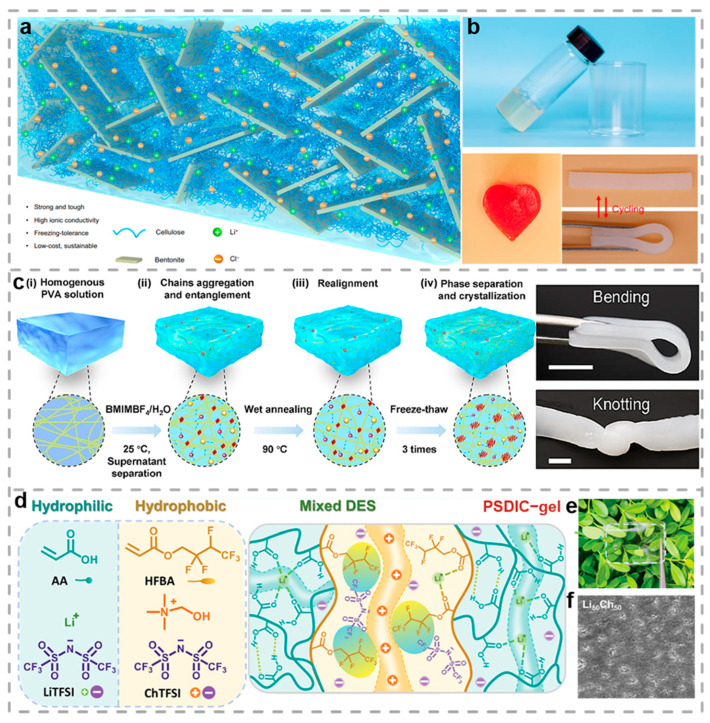
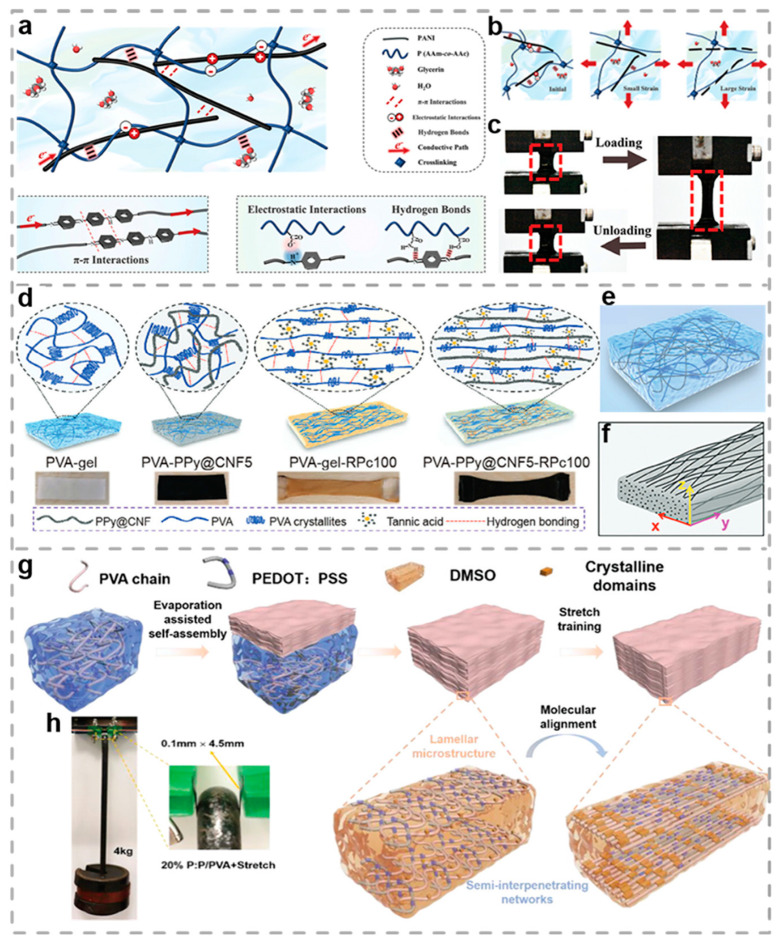
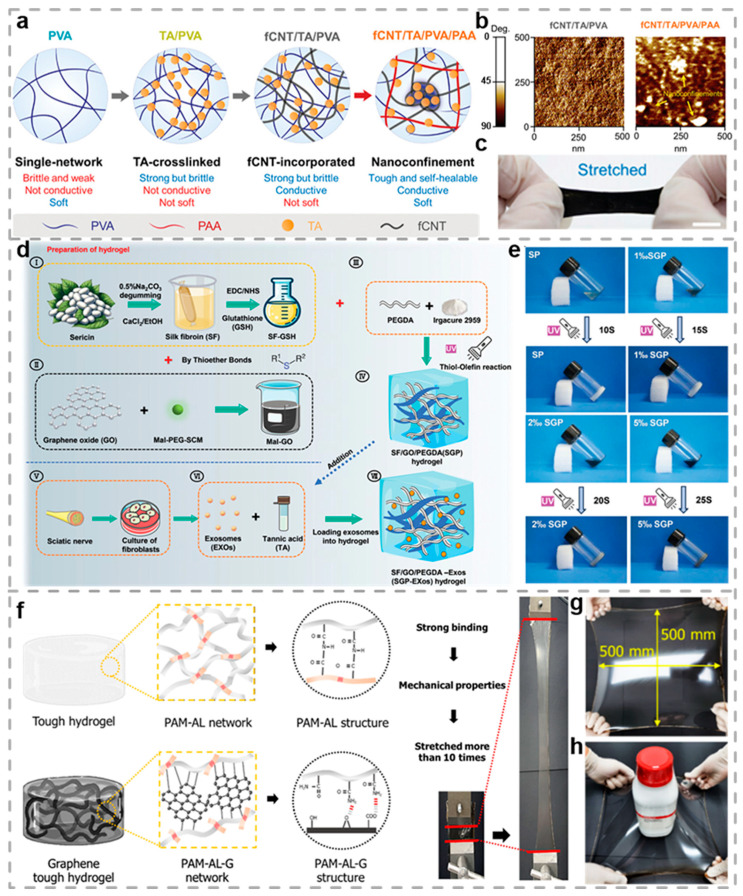
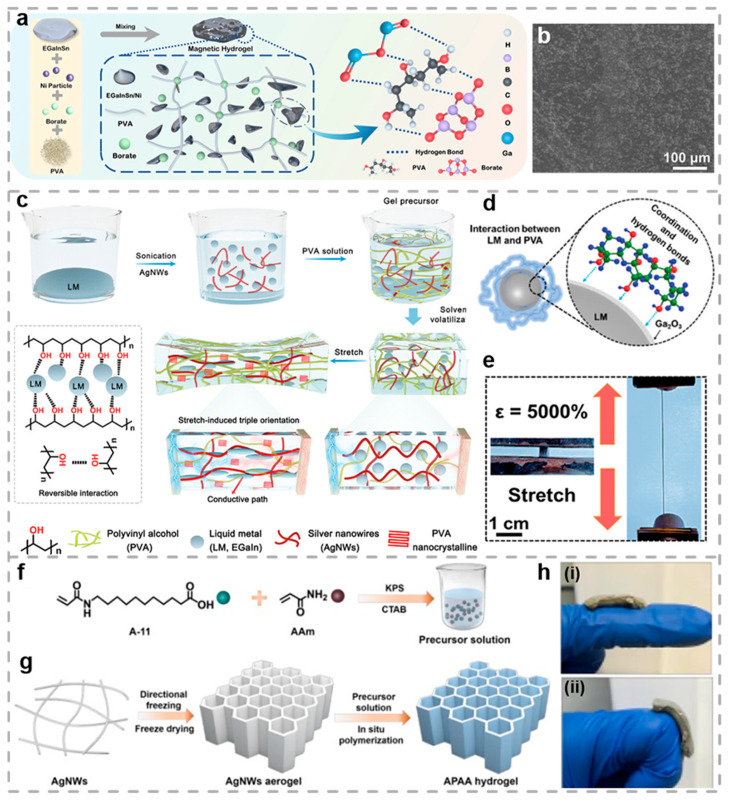
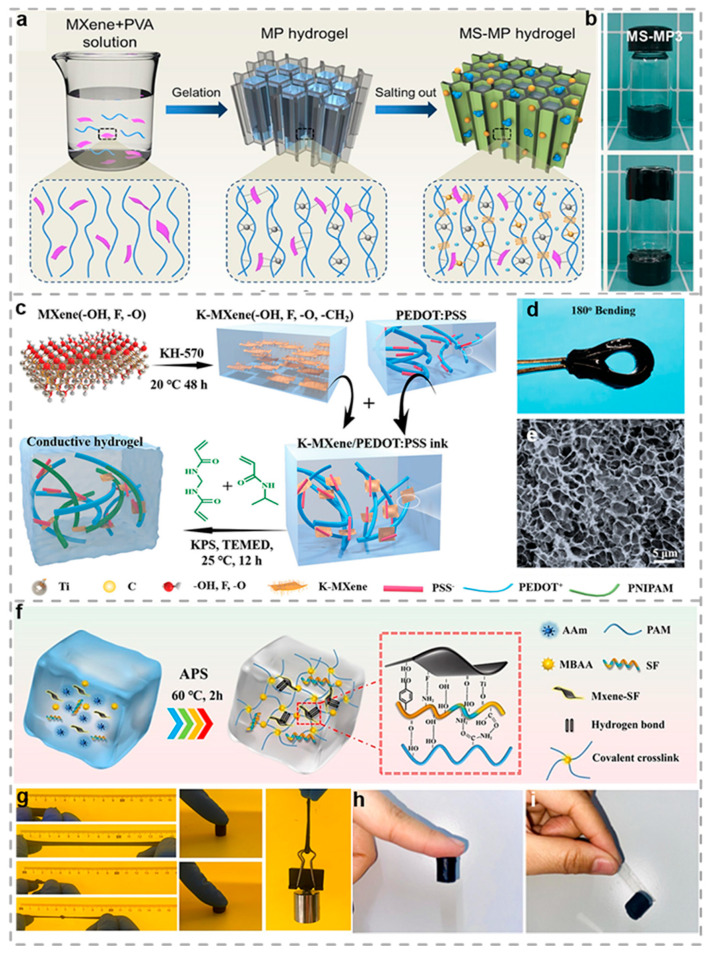
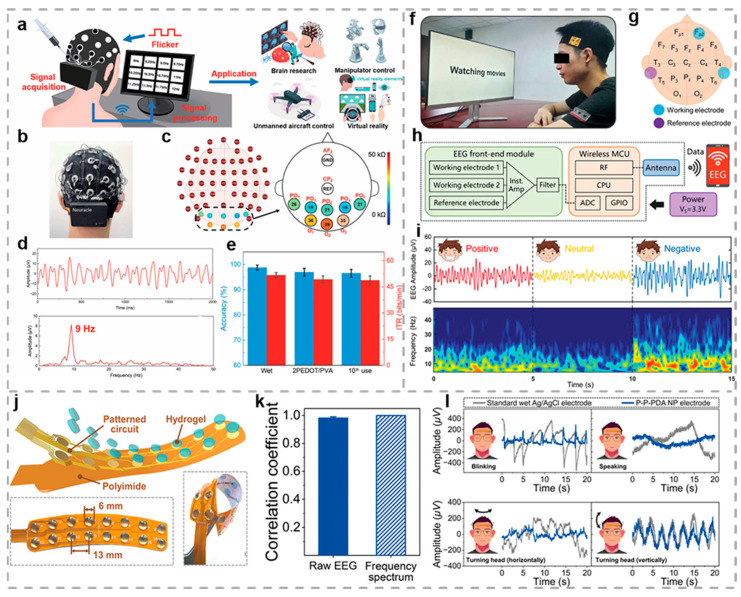
In recent decades, flexible electronics have witnessed remarkable advancements in multiple fields, encompassing wearable electronics, human-machine interfaces (HMI), clinical diagnosis, and treatment, etc. Nevertheless, conventional rigid electronic devices are fundamentally constrained by their inherent non-stretchability and poor conformability, limitations that substantially impede their practical applications. In contrast, conductive hydrogels (CHs) for electronic skin (E-skin) and healthcare monitoring have attracted substantial interest owing to outstanding features, including adjustable mechanical properties, intrinsic flexibility, stretchability, transparency, and diverse functional and structural designs. Considerable efforts focus on developing CHs incorporating various conductive materials to enable multifunctional wearable sensors and flexible electrodes, such as metals, carbon, ionic liquids (ILs), MXene, etc. This review presents a comprehensive summary of the recent advancements in CHs, focusing on their classifications and practical applications. Firstly, CHs are categorized into five groups based on the nature of the conductive materials employed. These categories include polymer-based, carbon-based, metal-based, MXene-based, and ionic CHs. Secondly, the promising applications of CHs for electrophysiological signals and healthcare monitoring are discussed in detail, including electroencephalogram (EEG), electrocardiogram (ECG), electromyogram (EMG), respiratory monitoring, and motion monitoring. Finally, this review concludes with a comprehensive summary of current research progress and prospects regarding CHs in the fields of electronic skin and health monitoring applications.
近几十年来,柔性电子器件在多个领域取得了显著进展,包括可穿戴电子设备、人机接口(HMI)、临床诊断和治疗等。然而,传统的刚性电子器件从根本上受到其固有的不可拉伸性和贴合性差的限制,这些限制严重阻碍了它们的实际应用。相比之下,用于电子皮肤(E-skin)和医疗保健监测的导电水凝胶(CHs)因其出色的特性而引起了广泛关注,这些特性包括可调节的机械性能、固有的柔韧性、拉伸性、透明度以及多样的功能和结构设计。大量的努力集中在开发包含各种导电材料的CHs,以实现多功能可穿戴传感器和柔性电极,如金属、碳、离子液体(ILs)、MXene等。本综述全面总结了CHs的最新进展,重点关注它们的分类和实际应用。首先,根据所使用的导电材料的性质,CHs被分为五类。这些类别包括聚合物基、碳基、金属基、MXene基和离子型CHs。其次,详细讨论了CHs在电生理信号和医疗保健监测方面的应用前景,包括脑电图(EEG)、心电图(ECG)、肌电图(EMG)、呼吸监测和运动监测。最后,本综述全面总结了CHs在电子皮肤和健康监测应用领域的当前研究进展和前景。