Bootdee Susira, Sillapapiromsuk Sopittaporn, Kawichai Sawaeng
Chemical Industrial Process and Environment Program, Faculty of Science, Energy, and Environment, King Mongkut's University of Technology North Bangkok (Rayong Campus), Rayong 21120, Thailand.
Department of Environmental Science and Technology, Faculty of Science, Lampang Rajabhat University, Lampang 52100, Thailand.
Toxics. 2025 Jun 29;13(7):547. doi: 10.3390/toxics13070547.
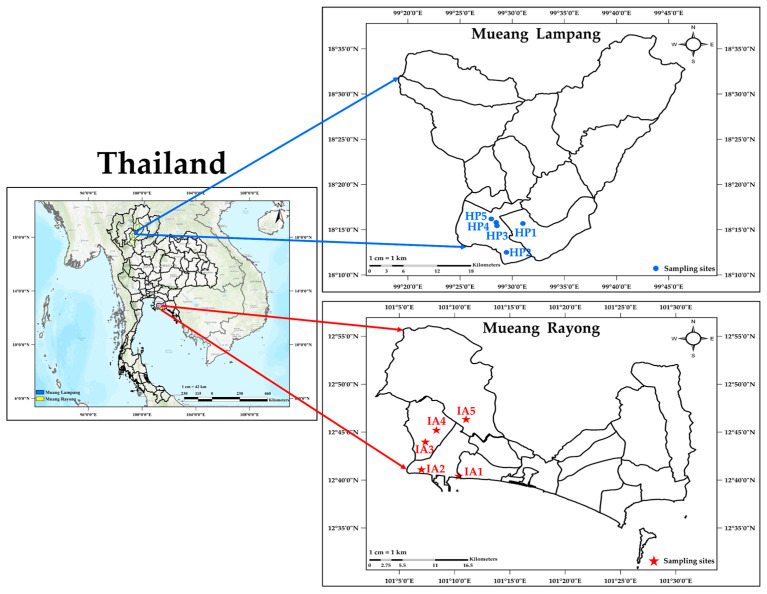
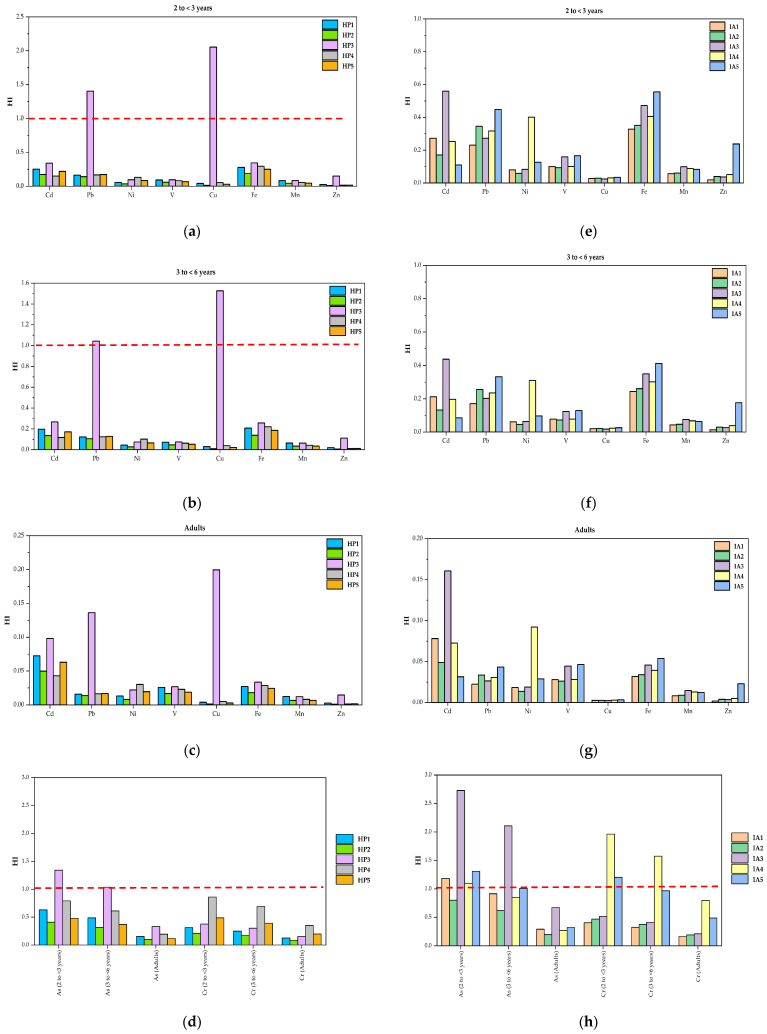
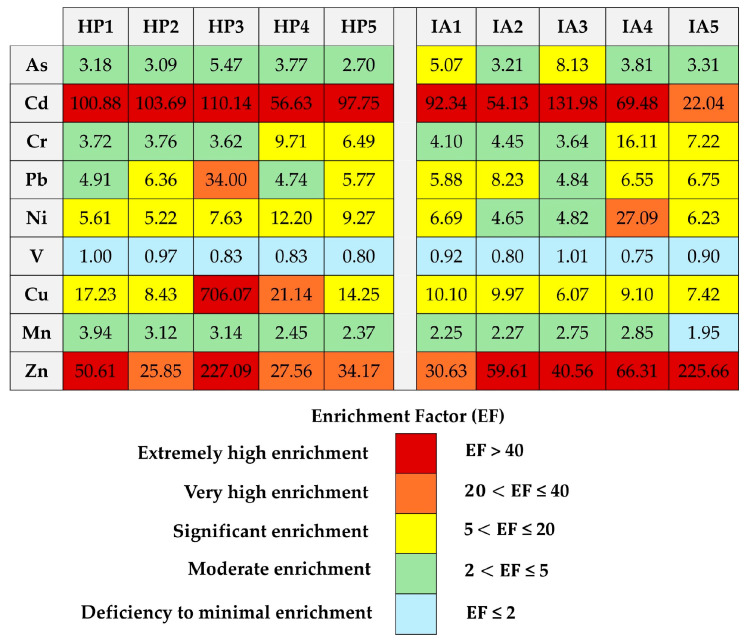
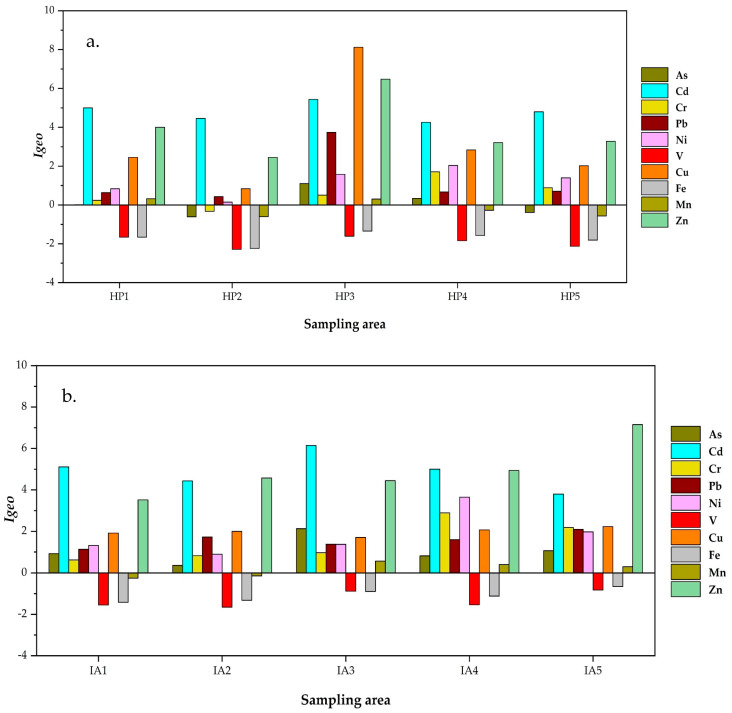
This study aimed to examine trace element concentrations in indoor dust and evaluate health risks in child development centers in haze and industrial areas of Thailand from November 2023 to April 2024. The samples were extracted using a microwave oven and analyzed via ICP-OES. The finding indicated that the levels of As, Cr, Pb, V, Fe, Mn, and Zn in the dust from child development centers in the industrial area were significantly higher than those in the haze area ( < 0.05). The presence of trace element contaminants in indoor dust is indicative of anthropogenic sources. Cd and Zn in both areas have shown significantly elevated risks, according to the probable ecological risk factor. Source apportionment identified traffic, road dust, and biomass combustion as the principal sources of pollution in the haze area, while traffic and combustion activities were significant in the industrial area. Non-carcinogenic risk assessments for children exposed to As, Pb, Cu, and Cr revealed potential health risks (HI > 1). Furthermore, the total cancer risk (TCR) linked to As, Cr, and Ni is considered acceptable within the criteria of 10 to 10. However, long-term exposure may increase the risk of cancer in children.
本研究旨在检测泰国雾霾和工业区儿童发展中心室内灰尘中的微量元素浓度,并评估其对儿童发育的健康风险。研究时间为2023年11月至2024年4月。样本通过微波炉提取,并采用电感耦合等离子体发射光谱法(ICP - OES)进行分析。结果表明,工业区儿童发展中心灰尘中的砷(As)、铬(Cr)、铅(Pb)、钒(V)、铁(Fe)、锰(Mn)和锌(Zn)含量显著高于雾霾区(<0.05)。室内灰尘中微量元素污染物的存在表明其来源于人为活动。根据潜在生态风险因子,两个区域的镉(Cd)和锌(Zn)均显示出显著升高的风险。源解析确定交通、道路扬尘和生物质燃烧是雾霾区的主要污染源,而交通和燃烧活动在工业区则较为显著。对儿童暴露于砷、铅、铜和铬的非致癌风险评估显示存在潜在健康风险(危害指数HI>1)。此外,与砷、铬和镍相关的总癌症风险(TCR)在10至10的标准范围内被认为是可接受的。然而,长期暴露可能会增加儿童患癌症的风险。