Paul Luisa, Schänzer Anne, Depienne Christel, Hentschel Andreas, Kohlschmidt Nicolai, Schara-Schmidt Ulrike, Nelke Christopher Jannik, Roos Andreas, Kölbel Heike
Department of Pediatric Neurology, Centre for Neuromuscular Disorders, Centre for Translational Neuro- and Behavioral Sciences, University Hospital Essen, Essen, Germany.
Department of Pediatric Cardiology and Congenital Heart Diseases, Centre for Child and Adolescent Medicine, Heidelberg University Medical Center, Heidelberg, Germany.
Orphanet J Rare Dis. 2025 Jul 28;20(1):384. doi: 10.1186/s13023-025-03911-0.
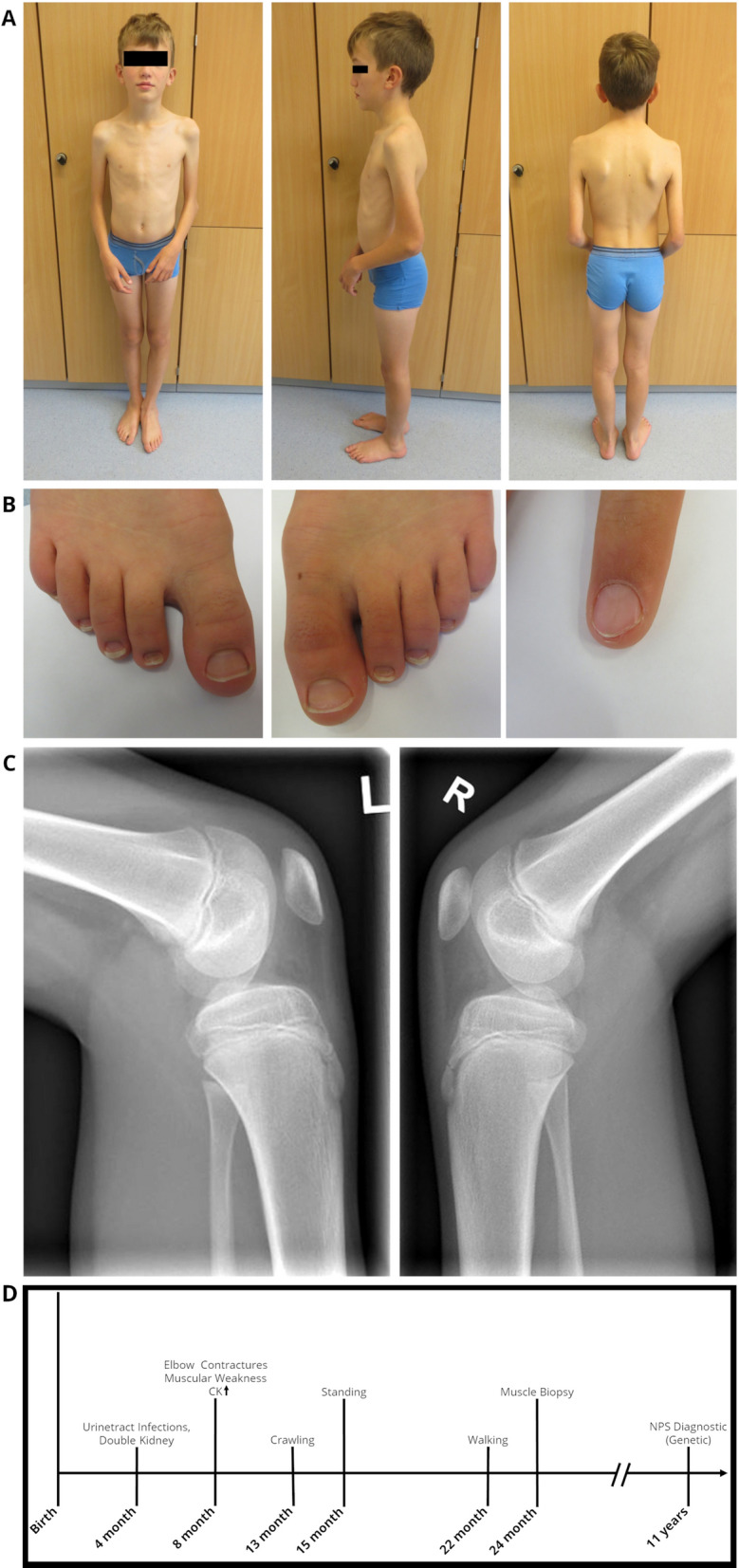
Nail-patella (NPS) syndrome is an autosomal dominant disorder caused by mutations in the LMX1B gene and manifests with involvement of kidneys, nails, eyes as well as skeletal musculature. NPS shows some clinical similarities with Emery-Dreifuss muscular dystrophy. However, thus far human muscle tissue has not been analysed in the context of NPS to precisely clarify the muscular involvement in this multi-systemic disease.
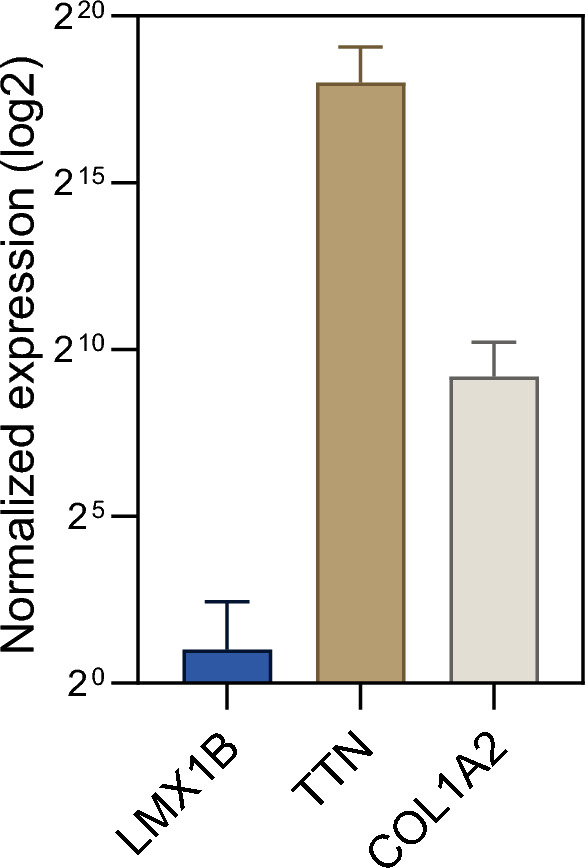
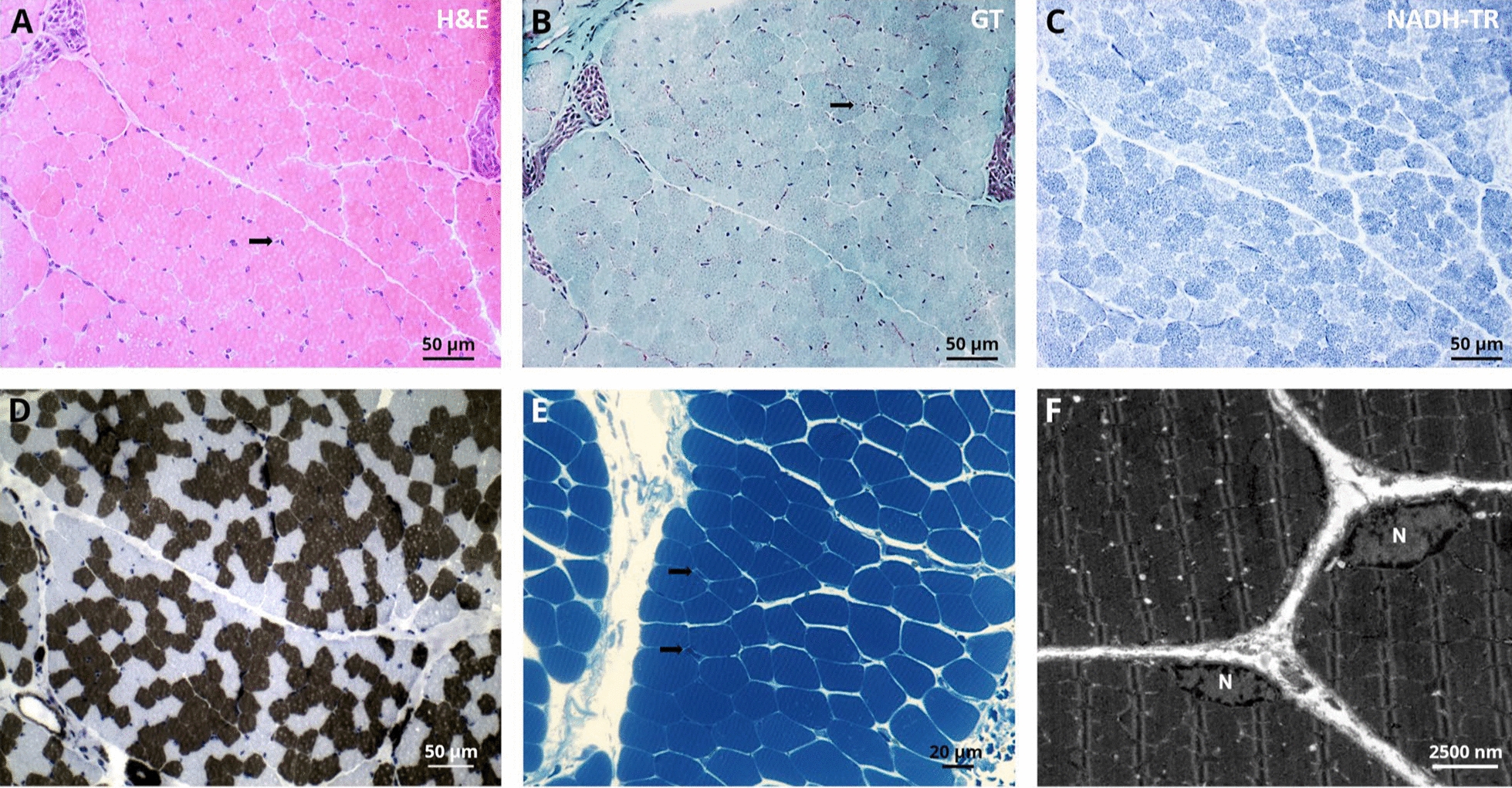
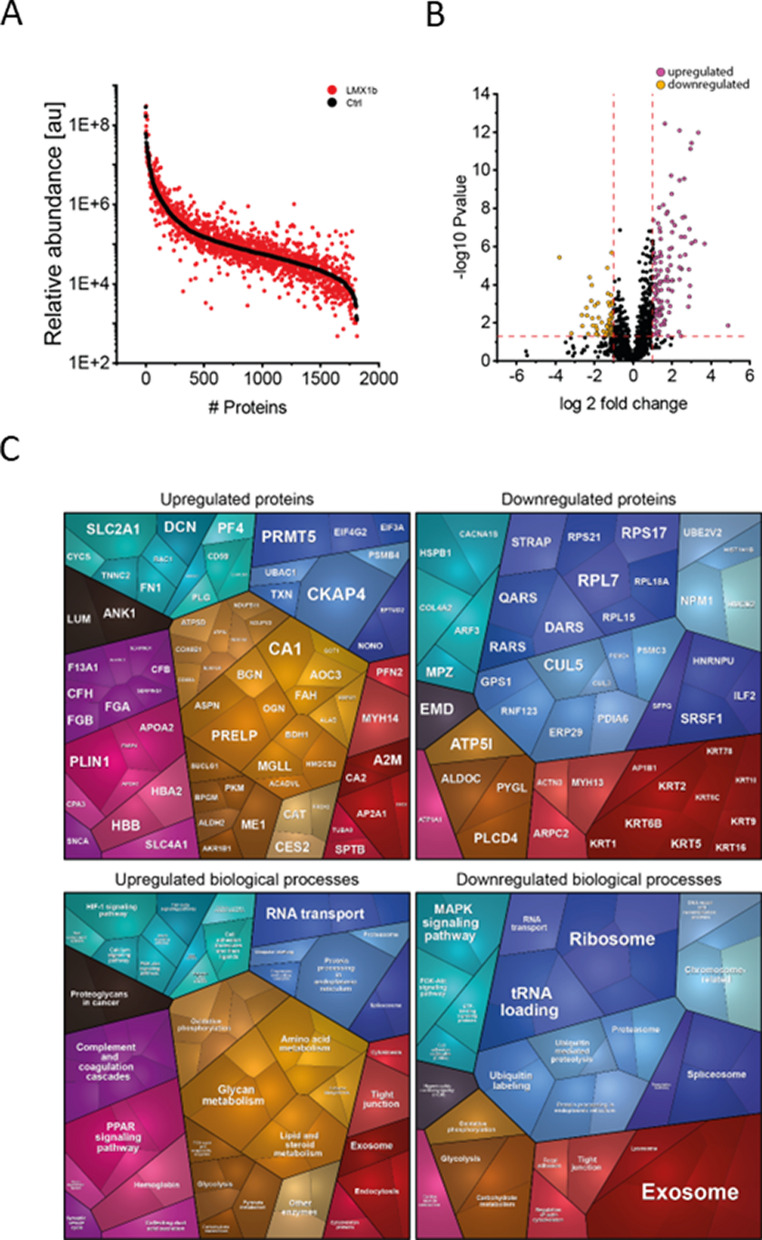
To study the effects of a missense variant in LMX1B on human skeletal muscle, histological, immunofluorescence and ultra-structural studies were performed on a deltoid muscle biopsy performed at the age of 2 aiming to analyse potential pathologies in muscle fibres in addition to unbiased proteomic profiling to identify dysregulated proteins.
Microscopic work-up of the muscle biopsy revealed no striking pathologies, except for some atrophic fibres. The proteomic analyses unveiled a clustered number of dysregulated keratin proteins among the downregulated proteins.
Although NPS can also present with a muscular phenotype indicated by muscular weakness of the upper extremities, elevated CK levels and contractures of the elbow joint, there is no evidence of primary muscular involvement due to expression of mutant LMX1B. The examination of human skeletal muscle tissue confirmed the findings from the animal models showing that the skeletal muscle symptoms of NPS may be the result of a developmental disorder of the extremities that leads to impaired muscle mobilisation.
指甲-髌骨(NPS)综合征是一种常染色体显性疾病,由LMX1B基因突变引起,表现为肾脏、指甲、眼睛以及骨骼肌系统受累。NPS与Emery-Dreifuss肌营养不良症有一些临床相似之处。然而,迄今为止,尚未在NPS的背景下对人类肌肉组织进行分析,以准确阐明这种多系统疾病中的肌肉受累情况。
为了研究LMX1B基因错义变体对人类骨骼肌的影响,对一名2岁时进行的三角肌活检组织进行了组织学、免疫荧光和超微结构研究,旨在分析肌纤维中的潜在病变,并进行无偏蛋白质组分析以鉴定失调的蛋白质。
肌肉活检的显微镜检查未发现明显病变,除了一些萎缩纤维。蛋白质组分析揭示了下调蛋白中大量聚集的失调角蛋白。
尽管NPS也可能表现出上肢肌无力、肌酸激酶水平升高和肘关节挛缩所表明的肌肉表型,但没有证据表明突变型LMX1B的表达会导致原发性肌肉受累。对人类骨骼肌组织的检查证实了动物模型的研究结果,表明NPS的骨骼肌症状可能是四肢发育障碍导致肌肉活动受损的结果。