Bilichenko Andrey S, Zolotareva Alexandra D, Kamkina Olga V, Zolotarev Valentin I, Rodina Anastasia S, Kazansky Viktor E, Mitrokhin Vadim M, Mladenov Mitko I, Kamkin Andre G
Institute of Physiology, Pirogov Russian National Research Medical University, 117513 Moscow, Russia.
Int J Mol Sci. 2025 Jul 11;26(14):6653. doi: 10.3390/ijms26146653.
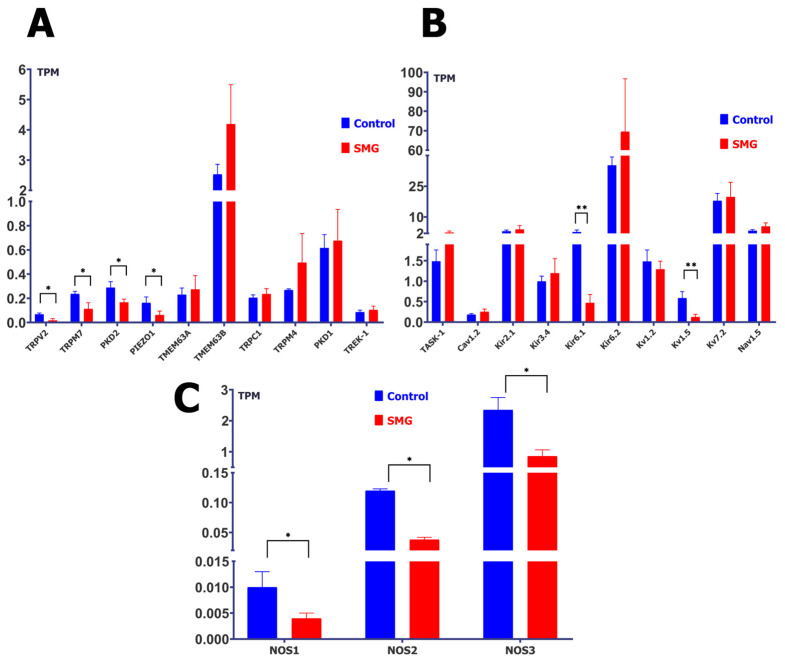
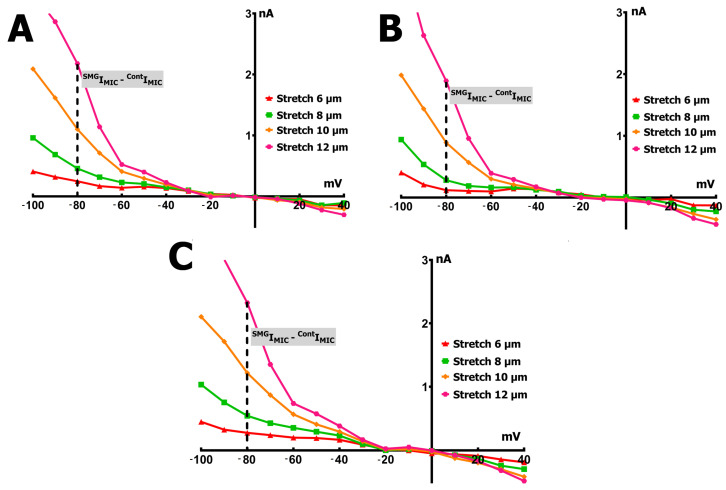
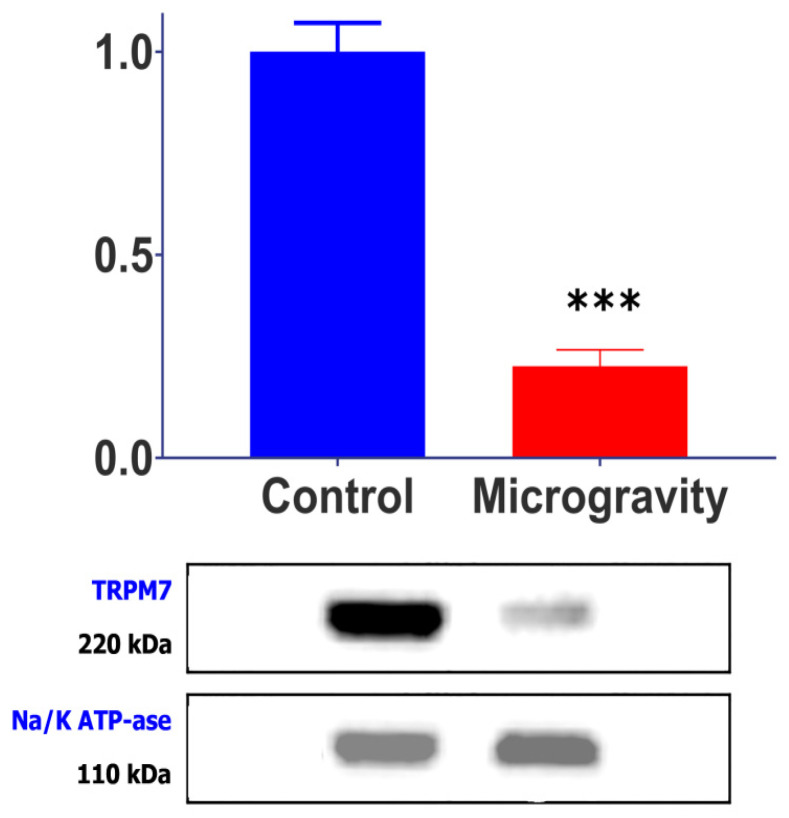
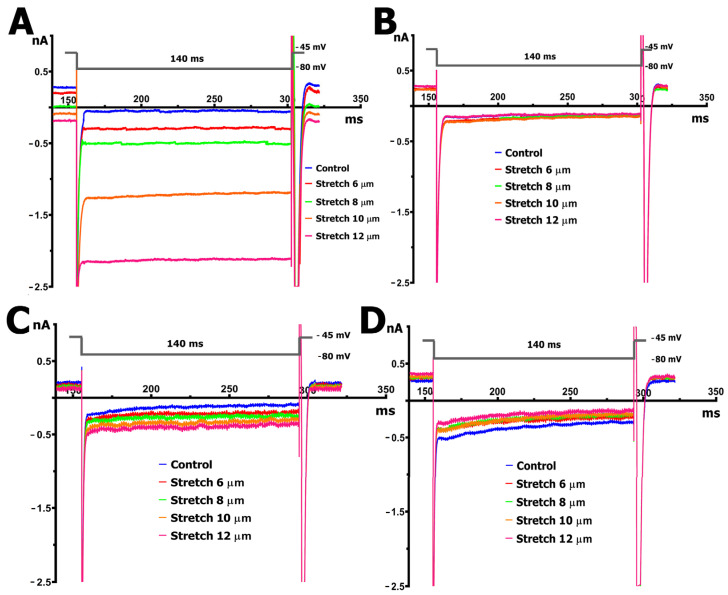
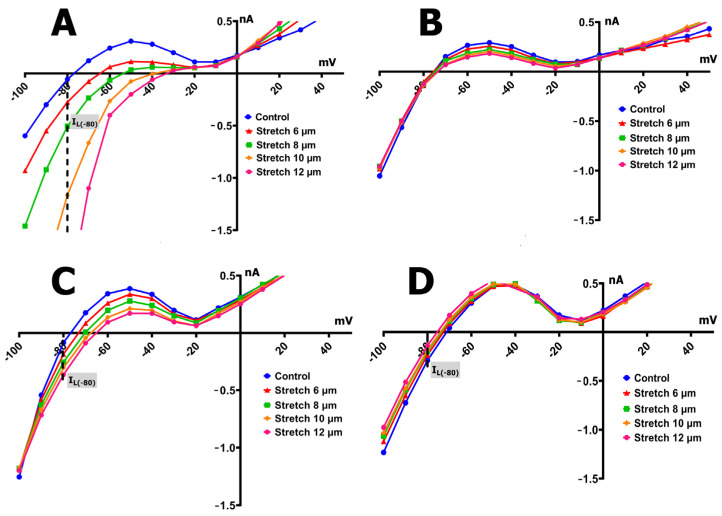
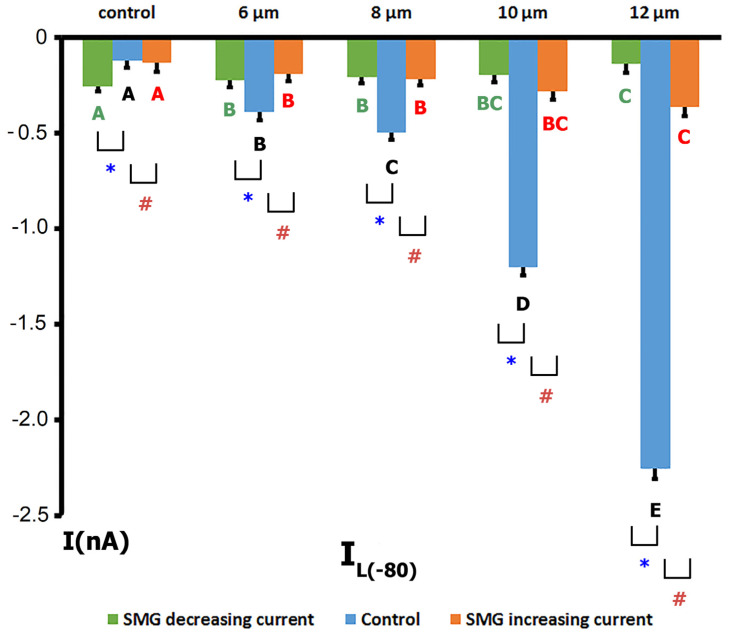
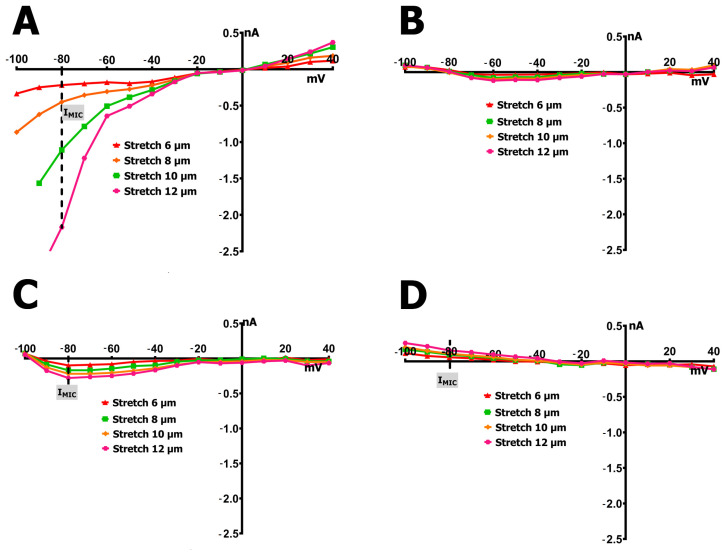
Cardiomyocytes, similarly to cells in various tissues, are responsive to mechanical stress of all types, which is reflected in the significant alterations to their electrophysiological characteristics. This phenomenon, known as mechanoelectric feedback, is based on the work of mechanically gated channels (MGCs) and mechano-sensitive channels (MSCs). Since microgravity (MG) in space, as well as simulated microgravity (SMG), changes the morphological and physiological properties of the heart, it was assumed that this result would be associated with a change in the expression of genes encoding MGCs and MSCs, leading to a change in the synthesis of channel proteins and, ultimately, a change in channel currents during cell stretching. In isolated ventricular cardiomyocytes of rats exposed to SMG for 14 days, the amount of MGCs and MSCs gene transcripts was studied using the RNA sequencing method by normalizing the amount of "raw" reads using the Transcripts Per Kilobase Million (TPM) method. Changes in the level of channel protein, using the example of the MGCs TRPM7, were assessed by the Western blot method, and changes in membrane ion currents in the control and during cardiomyocyte stretching were assessed by the patch-clamp method in the whole-cell configuration. The data obtained demonstrate that SMG results in a multidirectional change in the expression of genes encoding various MGCs and MSCs. At the same time, a decrease in the TPM of the MGCs TRPM7 gene leads to a decrease in the amount of TRPM7 protein. The resulting redistribution in the synthesis of most channel proteins leads to a marked decrease in the sensitivity of the current through MGCs to cell stretching and, ultimately, to a change in the functioning of the heart.
与各种组织中的细胞类似,心肌细胞对所有类型的机械应力都有反应,这反映在其电生理特性的显著改变上。这种现象被称为机械电反馈,它基于机械门控通道(MGCs)和机械敏感通道(MSCs)的作用。由于太空微重力(MG)以及模拟微重力(SMG)会改变心脏的形态和生理特性,因此人们认为这一结果可能与编码MGCs和MSCs的基因表达变化有关,从而导致通道蛋白合成的改变,并最终导致细胞拉伸过程中通道电流的变化。在暴露于SMG 14天的大鼠离体心室心肌细胞中,使用RNA测序方法,通过每百万碱基转录本(TPM)方法对“原始”读数进行标准化,研究了MGCs和MSCs基因转录本的数量。以MGCs TRPM7为例,通过蛋白质印迹法评估通道蛋白水平的变化,并在全细胞配置下通过膜片钳法评估对照和心肌细胞拉伸过程中膜离子电流的变化。所获得的数据表明,SMG导致编码各种MGCs和MSCs的基因表达发生多方向变化。同时,MGCs TRPM7基因的TPM降低导致TRPM7蛋白数量减少。大多数通道蛋白合成的重新分布导致通过MGCs的电流对细胞拉伸的敏感性显著降低,并最终导致心脏功能的改变。