Yuan Tianhui, Ye Zehua, Mei Shuqin, Zhang Miao, Wu Ming, Lin Fangyou, Yu Weimin, Li Wei, Zhou Xiangjun, Cheng Fan
Department of Urology, Renmin Hospital of Wuhan University, Wuhan, China.
Department of Nephrology, Shanghai Changzheng Hospital, Naval Medical University, Shanghai, China.
Cell Death Dis. 2025 Jul 31;16(1):579. doi: 10.1038/s41419-025-07888-3.
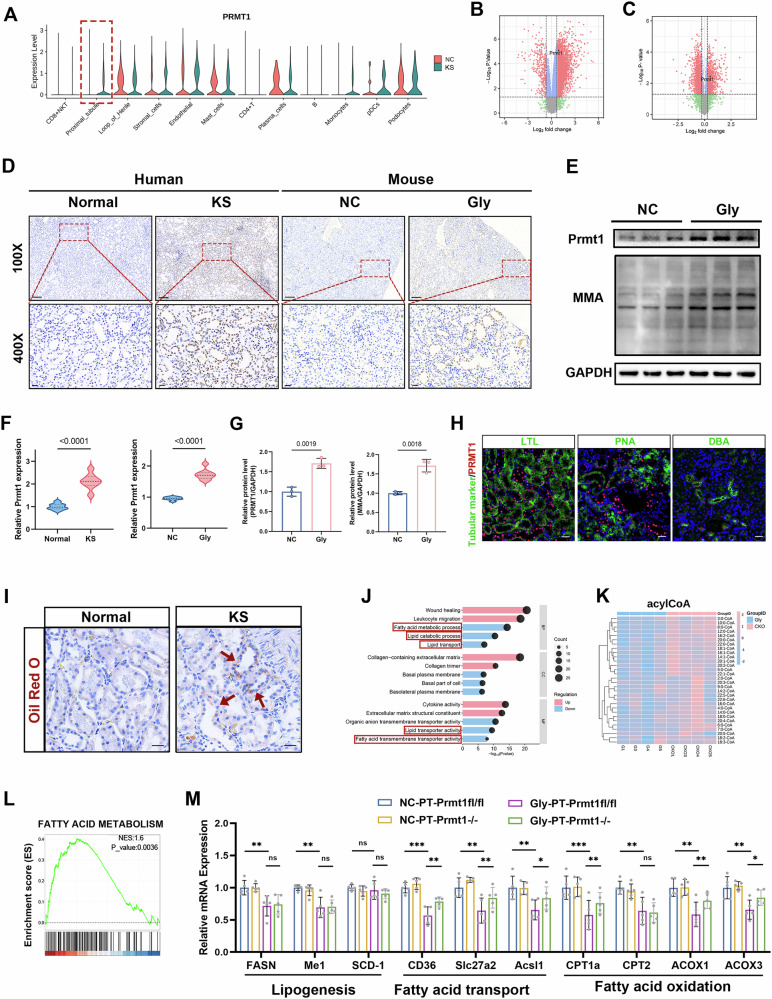
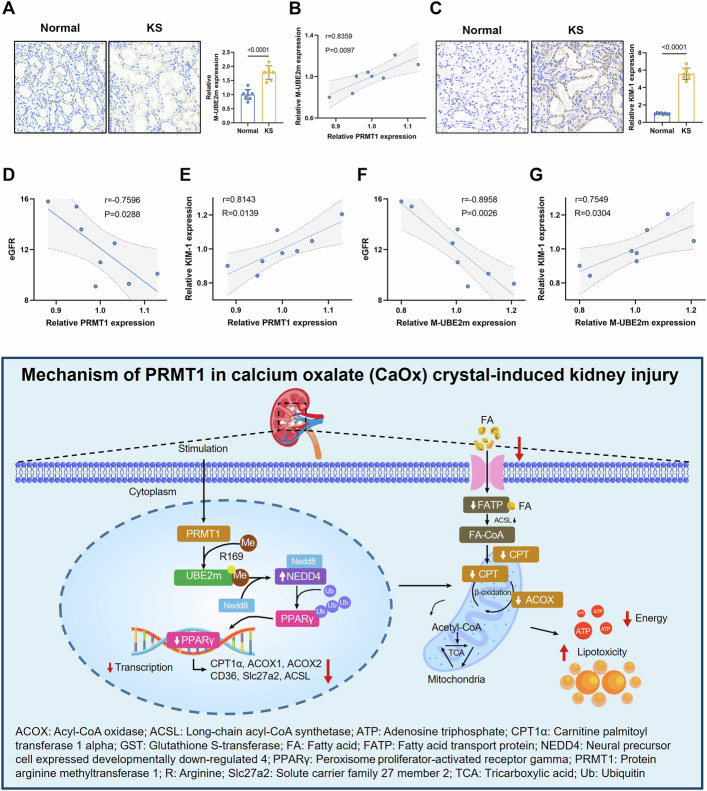
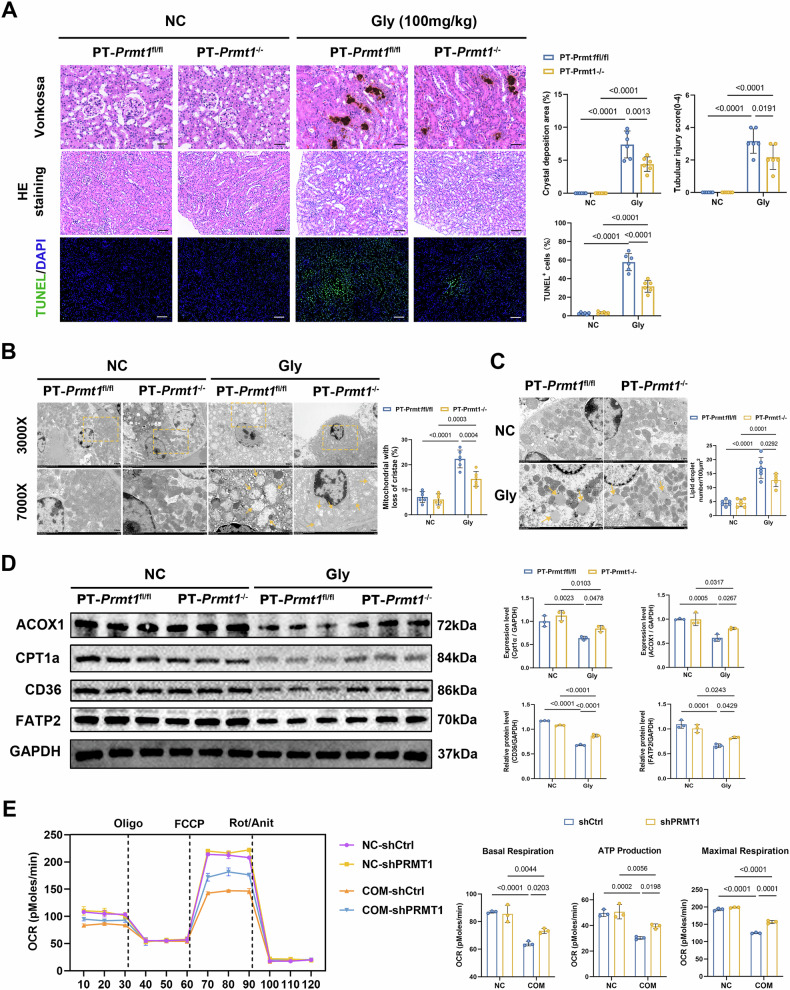
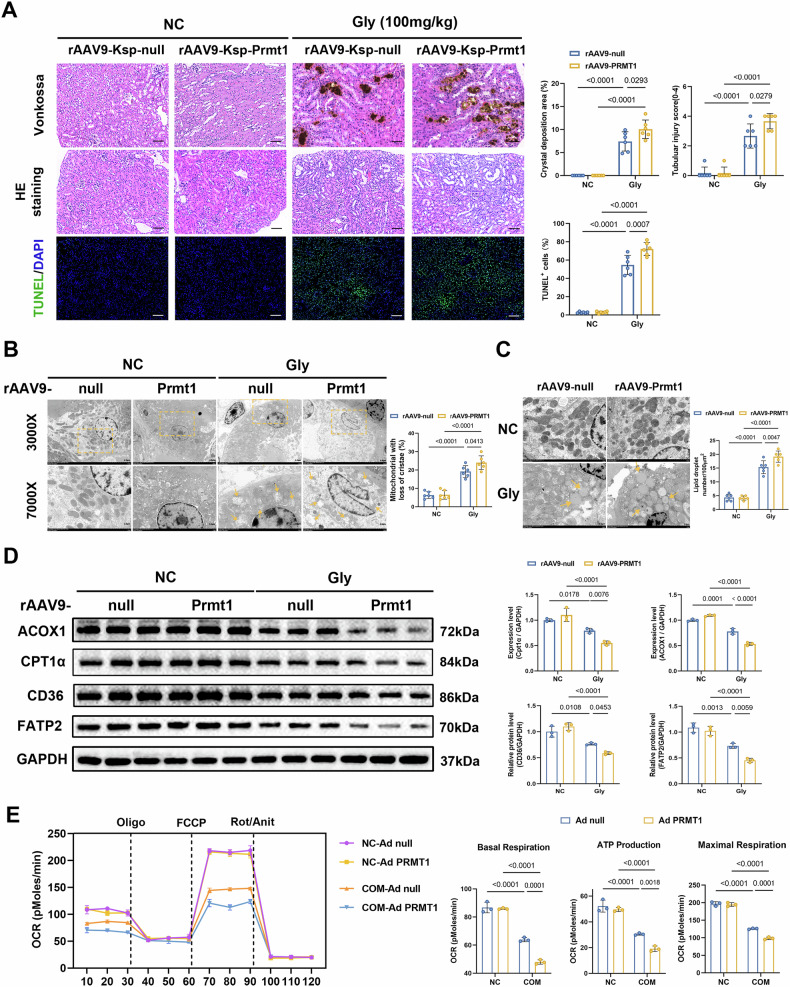
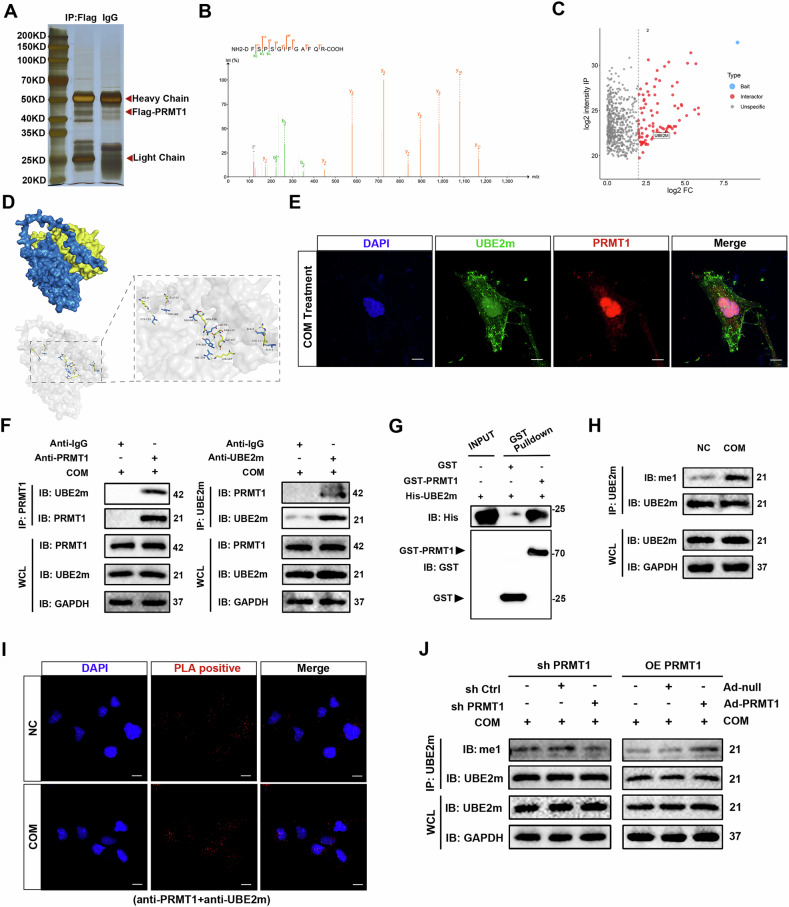
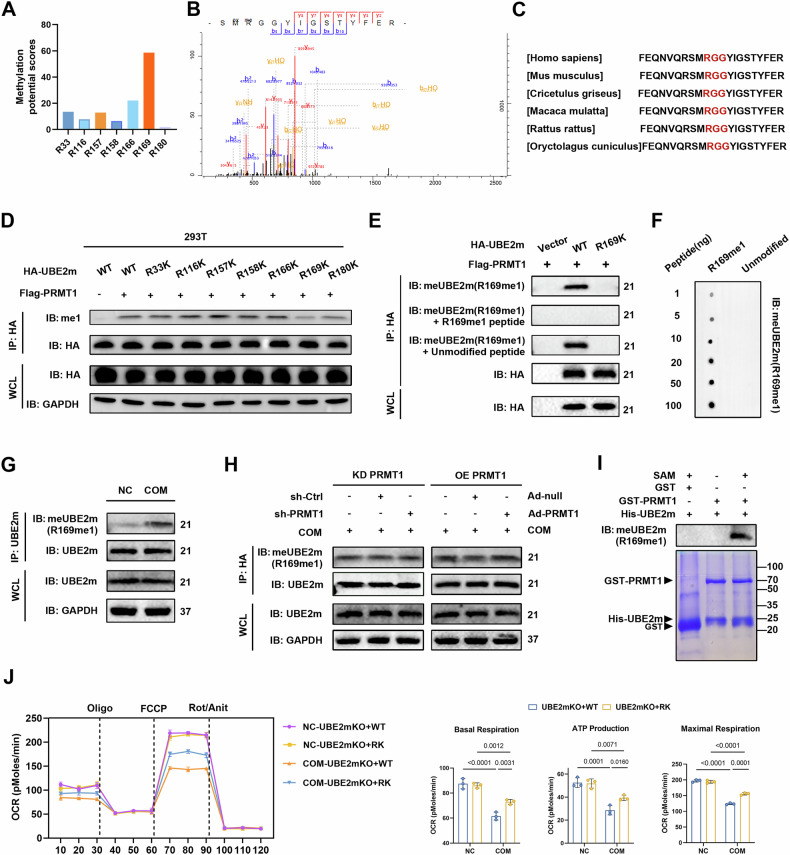
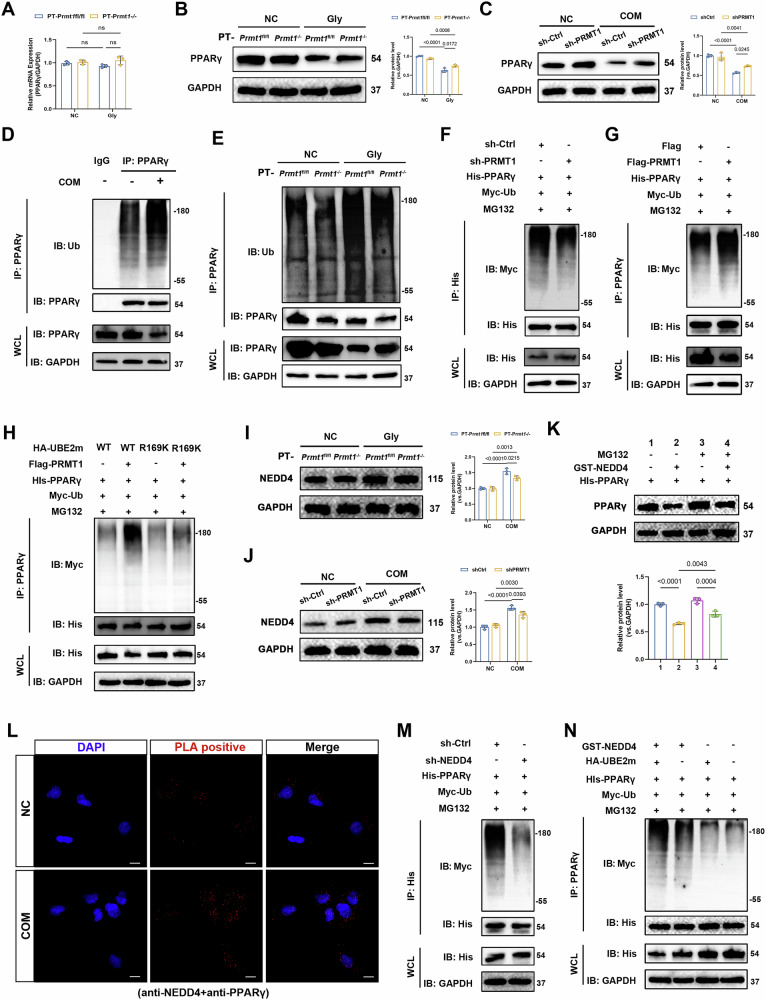
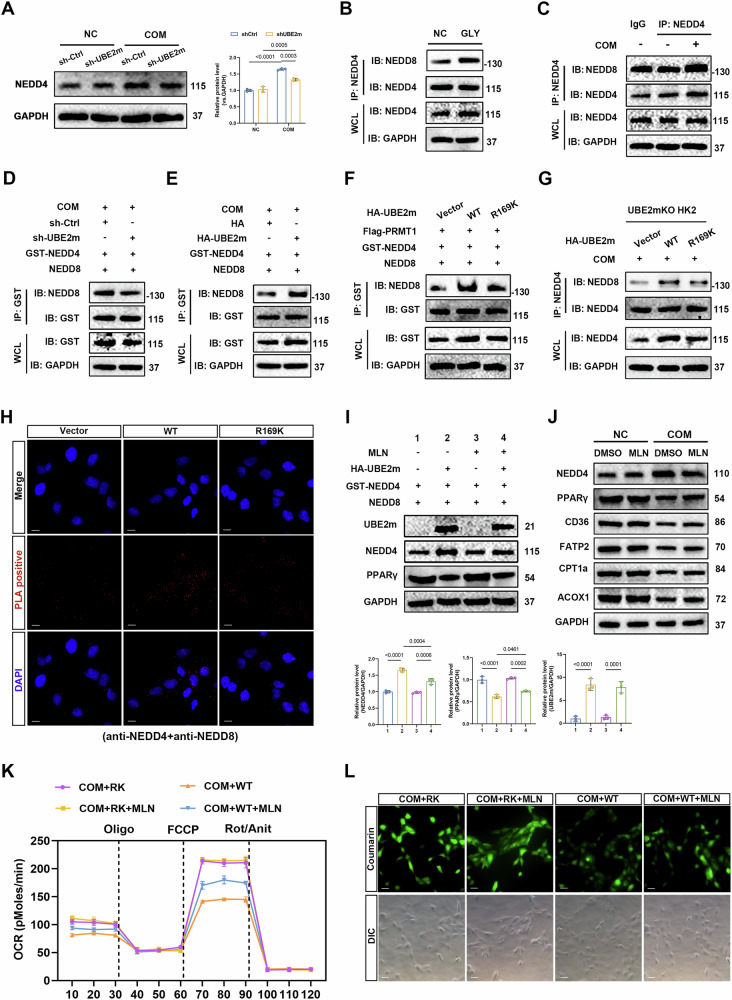
Calcium oxalate (CaOx) is the most common type of kidney stone, and its crystal deposition can induce oxidative stress, inflammatory responses, and cell death. This further aggravates kidney structural and functional damage, which in turn, promotes kidney stone recurrence, forming a vicious cycle of repeated stone formation and renal injury. Therefore, identifying precise and effective therapeutic targets is crucial to prevent the damage and inflammation caused by kidney stones. Protein arginine methyltransferase 1 (PRMT1) is a well-known epigenetic regulatory enzyme involved in renal metabolic reprogramming. However, the role of PRMT1-mediated arginine methylation in kidney stone-induced renal injury remains unclear. In this study, mice with specific deletion or overexpression of PRMT1 in tubular epithelial cells were developed, and a CaOx crystal-induced kidney injury mouse model was established. Single-cell RNA-sequencing, metabolomic, proteomic, and transcriptomic analyses, together with immunoprecipitation, mass spectrometry, GST-pulldown assays, oxygen consumption rate assays, and other methods, were used to reveal the mechanism of PRMT1 in renal injury caused by CaOx crystals. Specifically, PRMT1 enhanced the protein function of UBE2m through arginine methylation at R169, and increased the neddylation level and protein stability of NEDD4, thereby inducing PPARγ ubiquitination. Increased PPARγ degradation inhibited downstream fatty acid metabolism, leading to renal lipid accumulation, disrupted energy metabolism, and impaired kidney function. These findings provide a novel potential therapeutic target for CaOx kidney stones.
草酸钙(CaOx)是最常见的肾结石类型,其晶体沉积可诱导氧化应激、炎症反应和细胞死亡。这进一步加剧肾脏结构和功能损害,进而促进肾结石复发,形成结石反复形成和肾脏损伤的恶性循环。因此,确定精确有效的治疗靶点对于预防肾结石引起的损伤和炎症至关重要。蛋白质精氨酸甲基转移酶1(PRMT1)是一种参与肾脏代谢重编程的著名表观遗传调节酶。然而,PRMT1介导的精氨酸甲基化在肾结石诱导的肾损伤中的作用仍不清楚。在本研究中,构建了肾小管上皮细胞中PRMT1特异性缺失或过表达的小鼠,并建立了CaOx晶体诱导的肾损伤小鼠模型。采用单细胞RNA测序、代谢组学、蛋白质组学和转录组学分析,以及免疫沉淀、质谱、GST下拉试验、氧消耗率试验等方法,揭示PRMT1在CaOx晶体引起的肾损伤中的作用机制。具体而言,PRMT1通过在R169处的精氨酸甲基化增强了UBE2m的蛋白质功能,并提高了NEDD4的泛素化水平和蛋白质稳定性,从而诱导PPARγ泛素化。PPARγ降解增加抑制了下游脂肪酸代谢,导致肾脏脂质蓄积、能量代谢紊乱和肾功能受损。这些发现为CaOx肾结石提供了一个新的潜在治疗靶点。