Furuta Rika, Urate Shingo, Wakui Hiromichi, Uehara Tatsuki, Tsukamoto Shunichiro, Taguchi Shinya, Morita Ryutaro, Okami Naohito, Yamashita Akio, Azushima Kengo, Tamura Kouichi
Department of Medical Science and Cardiorenal Medicine, Yokohama City University Graduate School of Medicine, 3-9 Fukuura, Kanazawa-ku, Yokohama, 236-0004, Japan.
Department of Investigative Medicine, Graduate School of Medicine, University of the Ryukyus, Okinawa, Japan.
Sci Rep. 2025 Jul 31;15(1):27975. doi: 10.1038/s41598-025-08642-7.
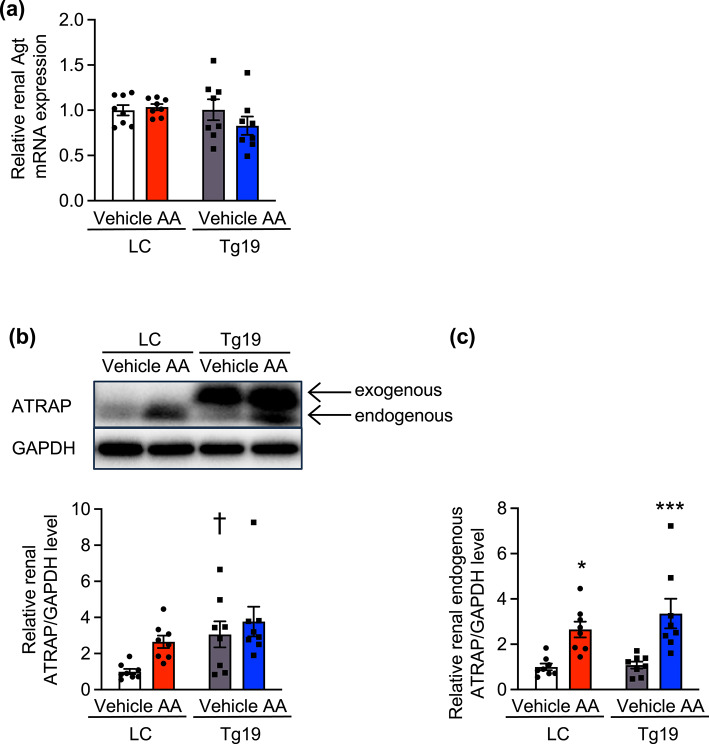
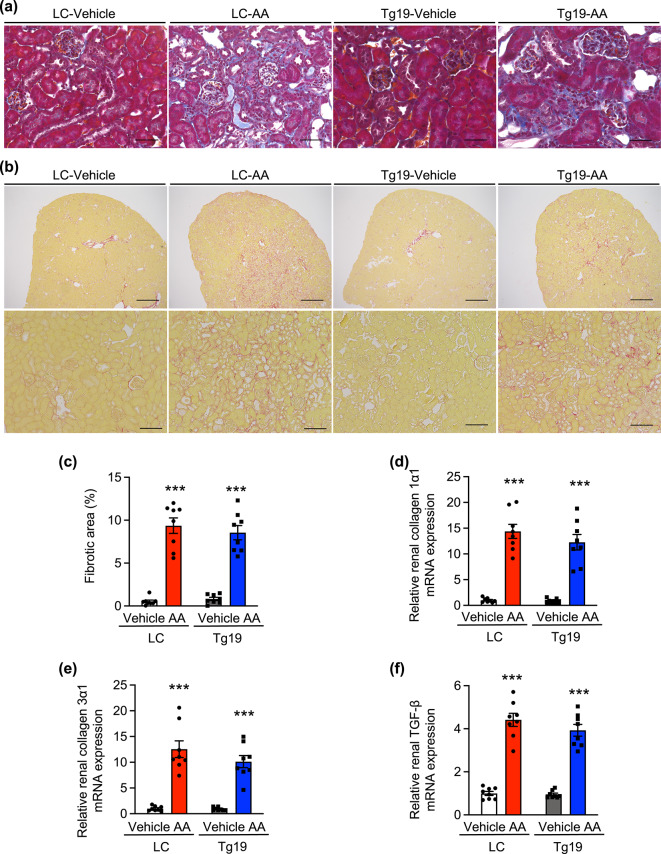
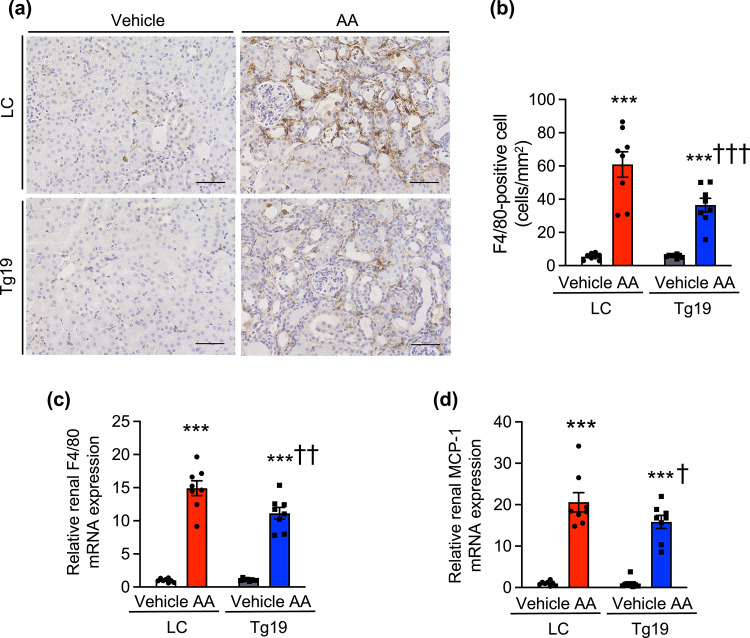
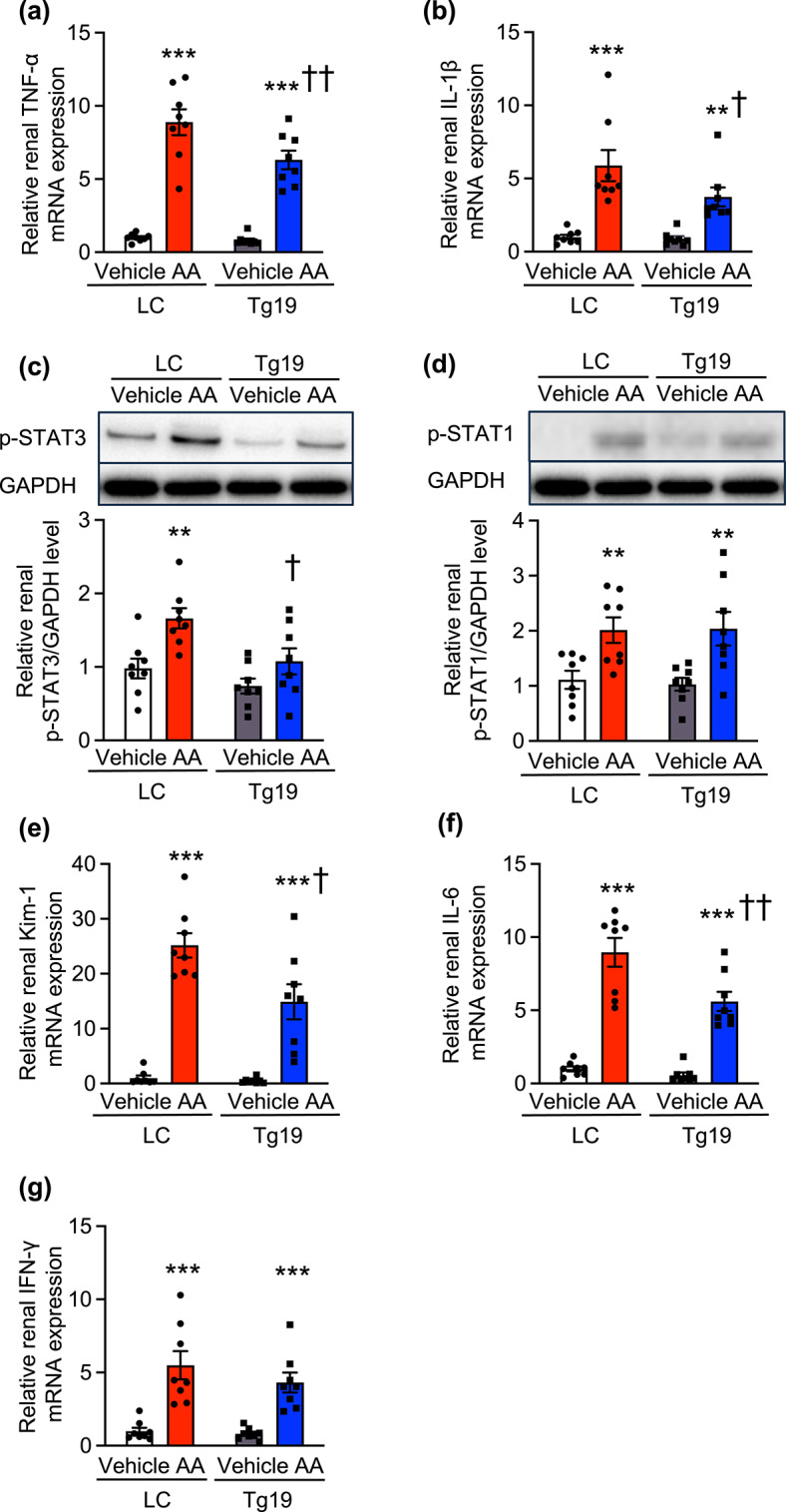
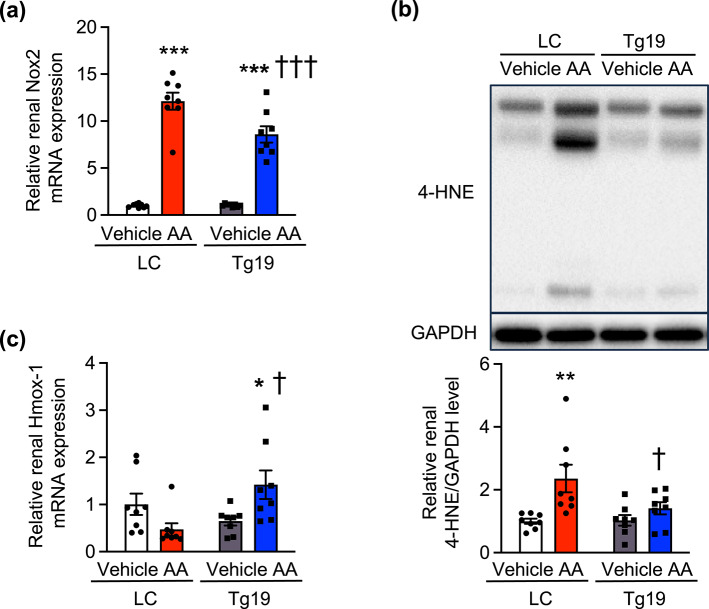
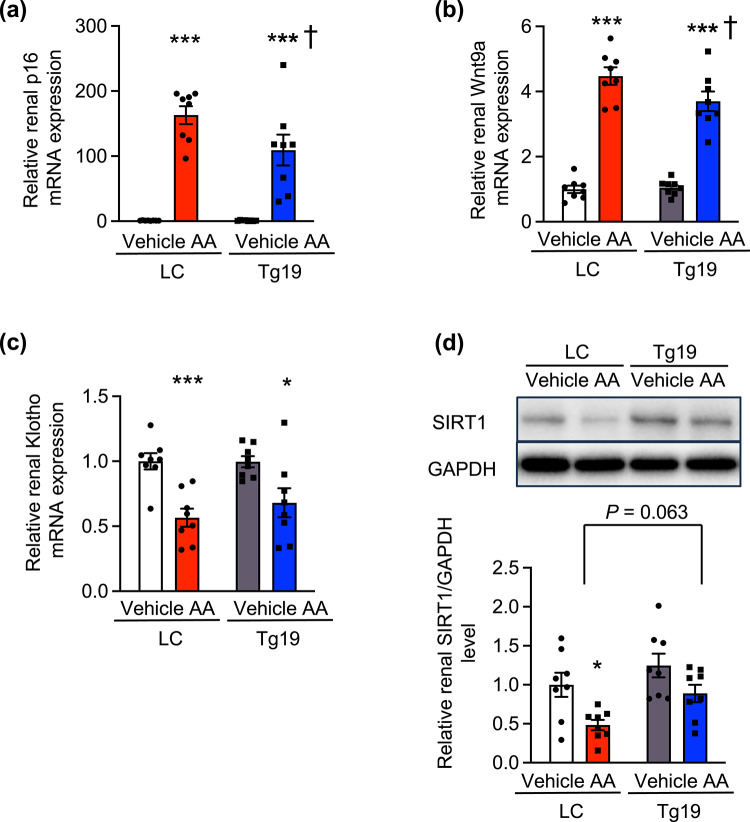
Chronic kidney disease generally progresses to irreversible fibrosis through chronic inflammation and age-related changes. We had previously reported that genetic knockdown of angiotensin II type 1 receptor (AT1R)-associated protein (ATRAP) exacerbates aging-associated kidney tubulointerstitial fibrosis in mice. However, whether enhanced ATRAP expression can suppress renal fibrosis and senescence in vivo remains unknown. Recently, we proposed that aristolochic acid nephropathy (AAN) could be used for modeling kidney aging with fibrosis. The present study aimed to investigate the functional role of ATRAP in aging-associated kidney fibrosis and inflammation using ATRAP transgenic (Tg19) mice subjected to AAN. AA administration caused histological renal fibrosis and enhanced ATRAP expression had no apparent effect on AA-induced renal fibrosis. However, enhanced ATRAP expression significantly suppressed AA-induced macrophage infiltration concomitant with reductions in inflammation-related, macrophage-related and senescence-related gene expression in the kidneys. Furthermore, the renal expression of anti-aging gene (Klotho, Sirtuin1) was significantly reduced in control mice in response to AA administration, whereas AA-mediated downregulation of Sirtuin1 expression was tendentially less prominent in Tg19 mice. Collectively, the enhancement of ATRAP expression failed to ameliorate renal fibrosis but partially attenuated renal inflammation and cellular senescence in AAN. Thus, ATRAP is a potential therapeutic target against renal inflammation and senescence.
慢性肾脏病通常通过慢性炎症和与年龄相关的变化发展为不可逆的纤维化。我们之前报道过,血管紧张素II 1型受体(AT1R)相关蛋白(ATRAP)的基因敲低会加剧小鼠衰老相关的肾小管间质纤维化。然而,增强的ATRAP表达是否能在体内抑制肾纤维化和衰老仍不清楚。最近,我们提出马兜铃酸肾病(AAN)可用于构建伴有纤维化的肾脏衰老模型。本研究旨在利用接受AAN处理的ATRAP转基因(Tg19)小鼠,研究ATRAP在衰老相关肾纤维化和炎症中的功能作用。给予马兜铃酸导致肾脏组织学纤维化,增强的ATRAP表达对马兜铃酸诱导的肾纤维化无明显影响。然而,增强的ATRAP表达显著抑制了马兜铃酸诱导的巨噬细胞浸润,同时肾脏中炎症相关、巨噬细胞相关和衰老相关基因的表达也降低。此外,在对照小鼠中,给予马兜铃酸后抗衰老基因(Klotho、Sirtuin1)的肾脏表达显著降低,而在Tg19小鼠中,马兜铃酸介导的Sirtuin1表达下调趋势不那么明显。总体而言,增强ATRAP表达未能改善肾纤维化,但部分减轻了AAN中的肾脏炎症和细胞衰老。因此,ATRAP是对抗肾脏炎症和衰老的潜在治疗靶点。